8:02in productionCh. 1 · From Tournament to Campus/ 8:02 · ceiling 15 min
Footwear
Adidas Campus
A wider, quieter, plainer alternative to the Samba—designed for feet, not footnotes.
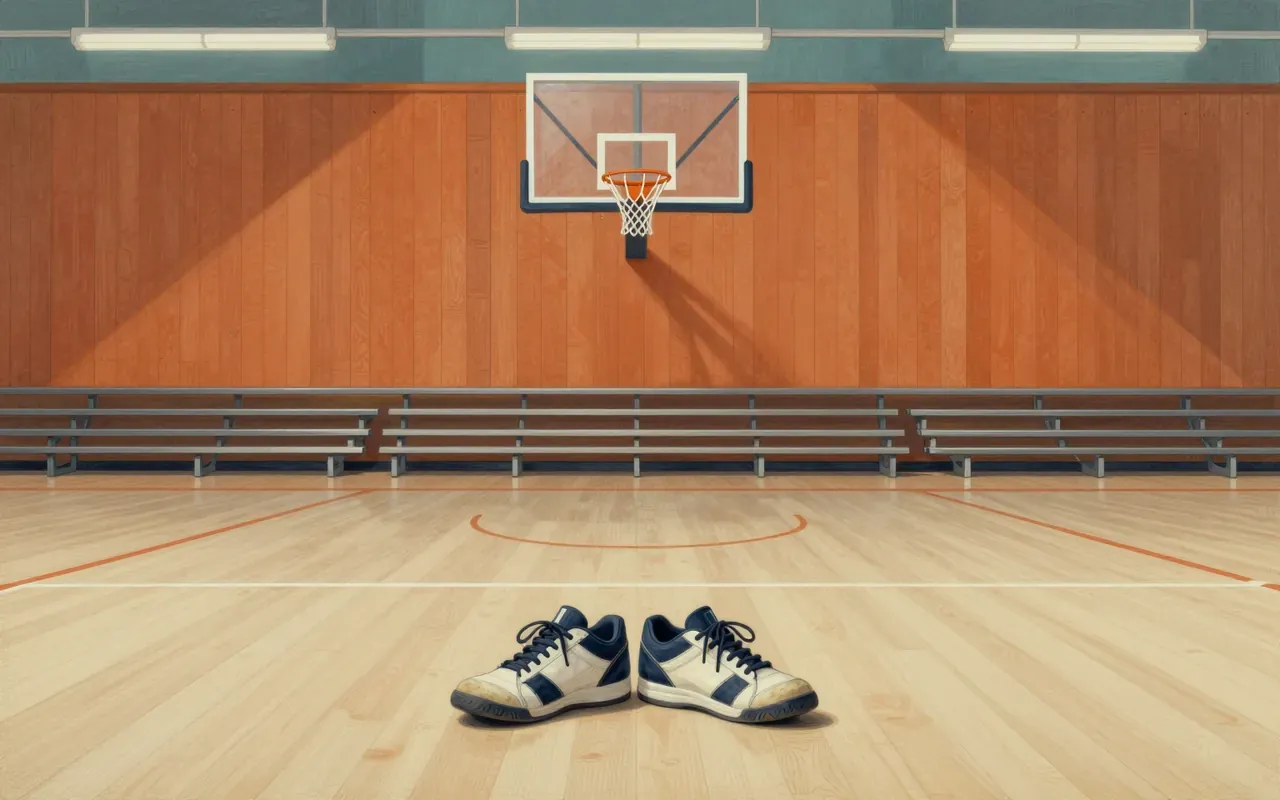
The Adidas Campus is a 1970s-origin basketball shoe, originally named Tournament, renamed Campus in the 1980s. It transitioned to lifestyle use. Its thicker design—bigger sole, bigger upper, wider side stripes, plainer toe box—made it more comfortable and wider-fitting than contemporaries like the Samba and Gazelle. The Campus 80s is the official reissue retaining original aesthetics.
It began as a basketball shoe called Tournament, then became Campus—a name change that marked its pivot from court to street.
2:22
Thicker by Design
Its success came from deliberate thickness: bigger sole, bigger upper, wider stripes, and a plainer toe box.
3:32
Comfort Without Compromise
It trades structure for space—giving width where others compress, and simplicity where others decorate.
4:54
Campus 80s Is the Original
The Campus 80s is the official reissue—and it keeps the original’s unadorned proportions intact.
Worth your time?
Yes. Wear the whole thing.
4/ 5
What works
accommodates broader feet without stretching
absorbs impact without adding height
eliminates pressure points with plain toe box
reads clearly at distance without branding noise
What does not
support lateral movement
offer arch support or heel lockdown
age visibly
Wear it if
people who prefer comfort or a wider fit
Skip it if
those needing performance traction
those with narrow feet
those seeking toe-box articulation
The written brief1 min read
What the garment is and where it came from
The Adidas Campus is a 1970s-origin basketball shoe, first named Tournament, renamed Campus in the 1980s. It was made by Adidas as an athletic shoe and later repositioned as a lifestyle shoe.
How it works, in terms someone would actually use
It sits low on the foot with a wider last and thicker sole. It gives more room across the forefoot than the Samba or Gazelle. The plain toe box offers no structure or shaping. The wider side stripes anchor the eye without visual complexity.
What it gets right
The wider upper accommodates broader feet without stretching. The thicker sole absorbs impact without adding height. The plain toe box eliminates pressure points. The wider stripes read clearly at distance without branding noise.
What it does not
It does not support lateral movement like a modern basketball shoe. It does not offer arch support or heel lockdown. It does not age visibly: the leather and rubber resist creasing or patina.
What it changed
It shifted Adidas’ basketball-to-lifestyle pipeline by proving that simplification—removing overlays, reducing toe detail, thickening the sole—could drive adoption beyond sport.
Who it is for, and who it is not
It is for people who prefer comfort or a wider fit. It is not for those needing performance traction, narrow-foot precision, or toe-box articulation.
Is it worth your time
Yes—if you need a durable, unstructured lifestyle shoe that prioritises width and quiet silhouette over technical performance or archival precision.