Saved
Longest first

All briefs

372 briefs · 3501 min · 1–96 on page 1 of 4
14:14

I-beam

An I-beam is not fashion—it is physics made visible, and wearing one would be structural suicide.
13:47

Hoodie

A garment built for warmth became a screen for society’s anxieties about who belongs — and who must be watched.
13:03

Corset

A garment that shaped bodies, then language, then medicine—and never stopped enforcing ideals under the guise of support.
13:02

Dashiki

The dashiki is not African-American heritage—it’s a Dutch-printed garment that became a symbol because it looked like one.
12:10

Dhoti

The dhoti isn’t draped—it’s looped. And that loop defines its purpose, its place, and why most people wearing 'dhotis' today aren’t wearing one at all.
11:40

Max Mara

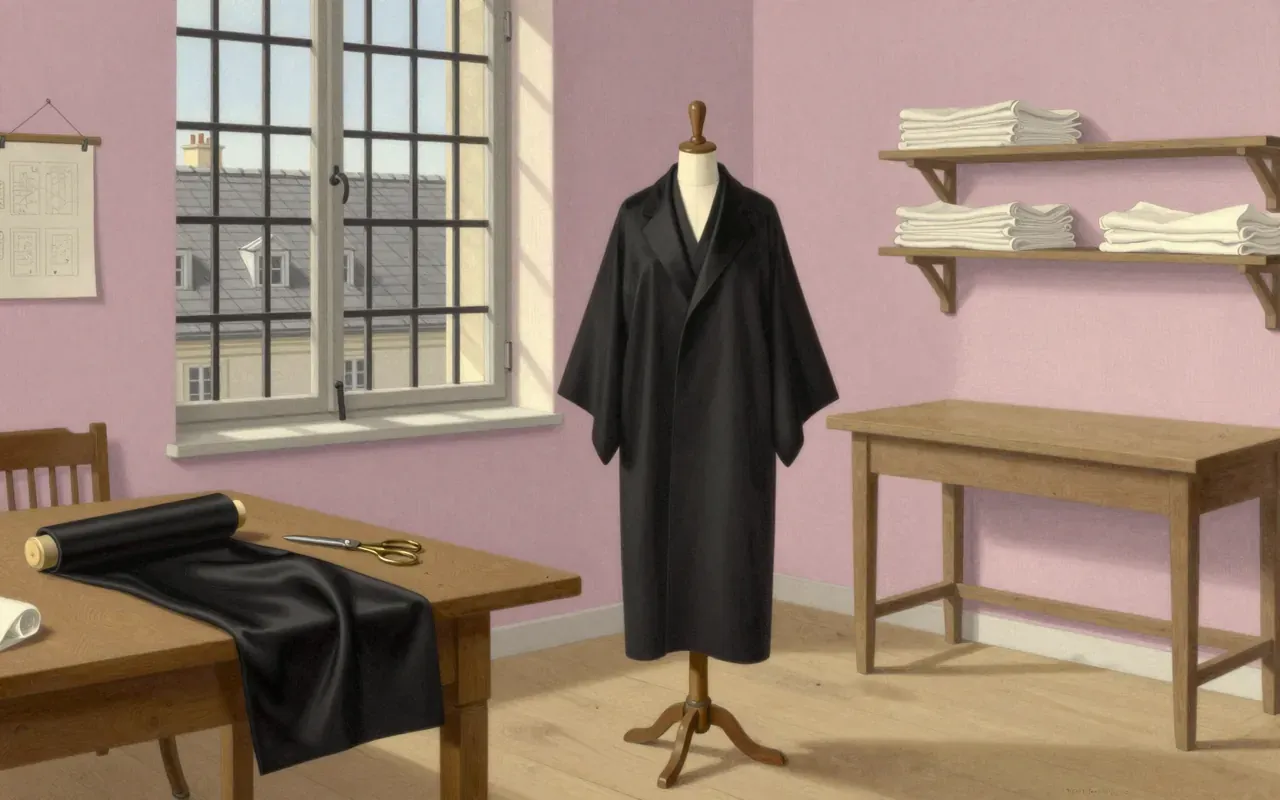
Max Mara didn’t make coats for weather—it made them for posture, presence, and permanence.
11:29

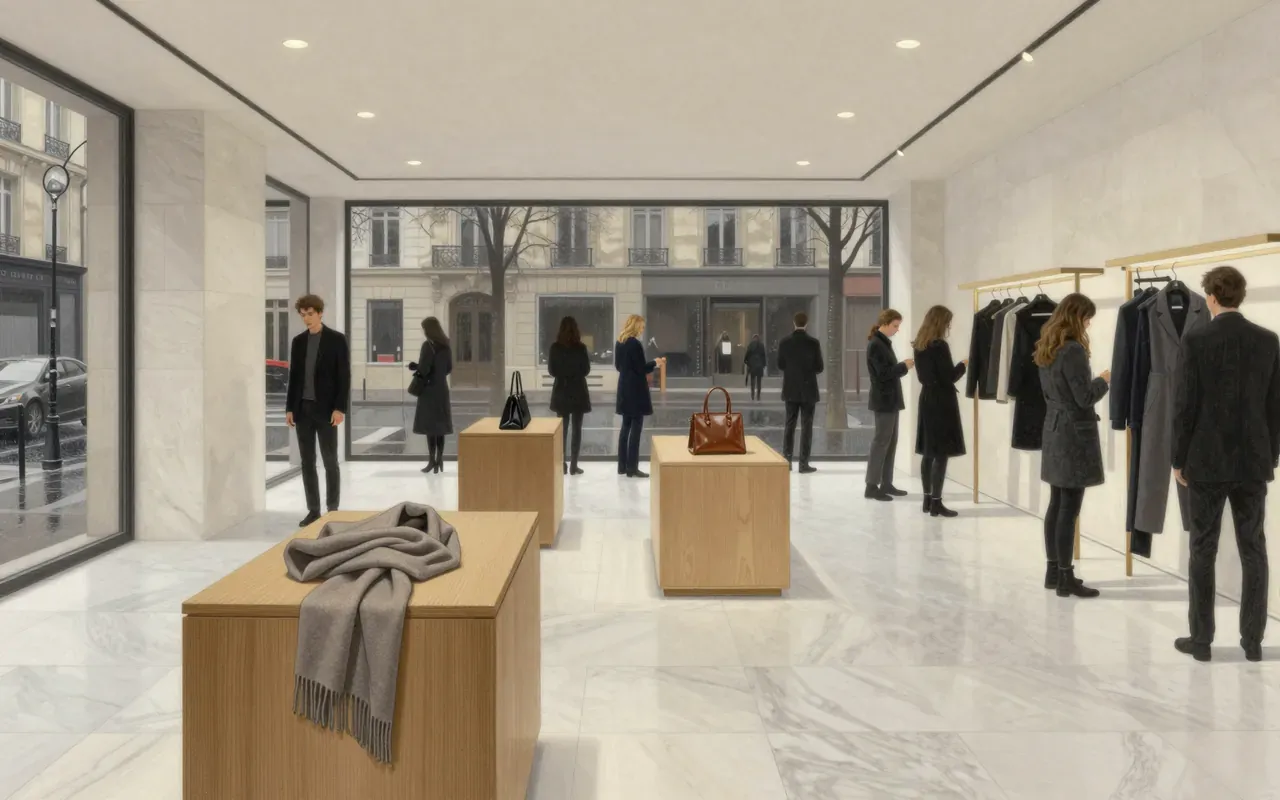
Colette (boutique)

The Paris concept store that sold fashion, books and a hundred bottled waters for twenty years, and gave Raf Simons and Sacai early racks.
11:25

Jerry Lorenzo

Fear of God is not streetwear dressed up — it is belief, baseball, and grunge made wearable as quiet doctrine.
11:16

Lady Dior

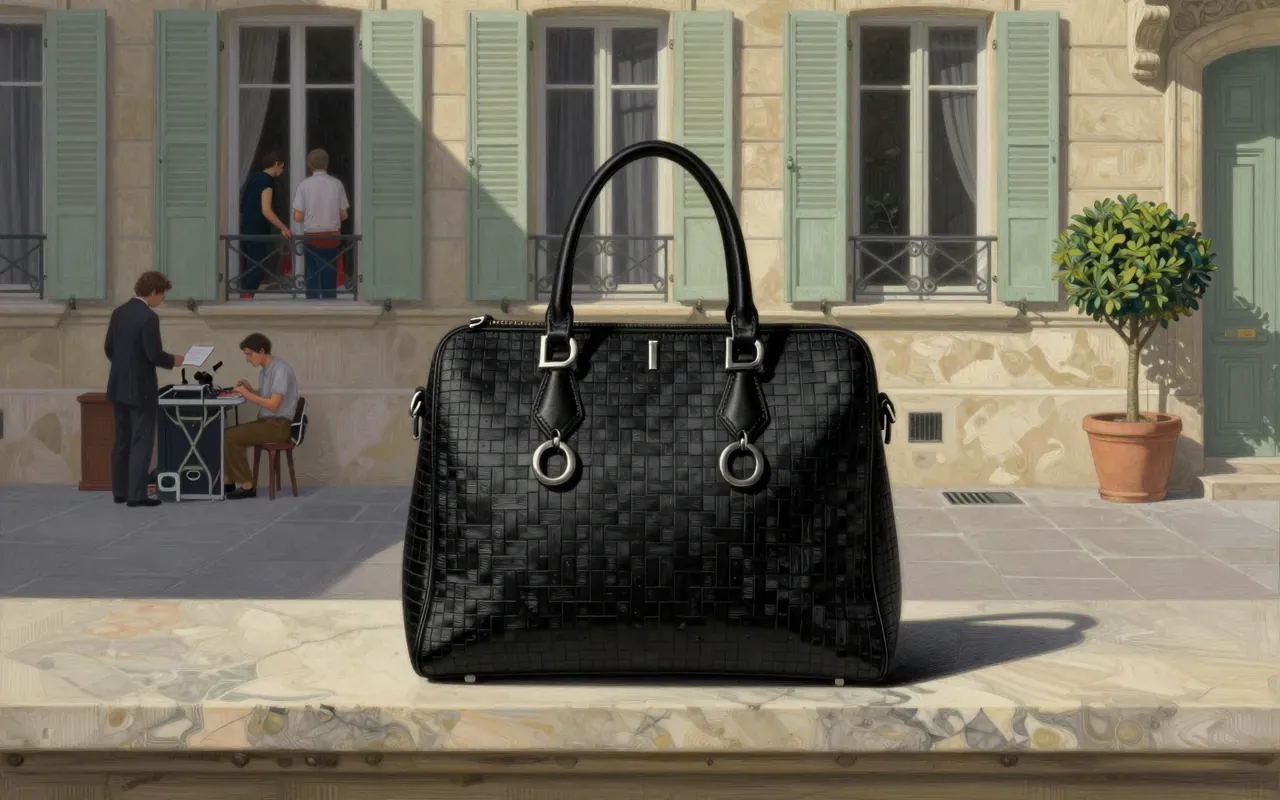
A rigid black box that turned furniture caning into a global status signal—and made Dior a leather goods house overnight.
11:12

Balenciaga

Cristóbal Balenciaga · 1917

Balenciaga is a Spanish luxury fashion house founded in San Sebastián in 1919 and established in Paris in 1937. Its foundational innovation lay in radical silhouette transformation—broadening shoulders, removing waists, introducing tunic and chemise dresses, and culminating in the kimono-cut Empire line. This constituted its most important contribution: a new silhouette for women. To protect design integrity, Balenciaga shifted press showings to the day before retail delivery in 1957, defying industry norms and resisting both press expectations and the Chambre Syndicale de la Haute Couture Parisienne, of which he was never a member.
11:12

Punk fashion

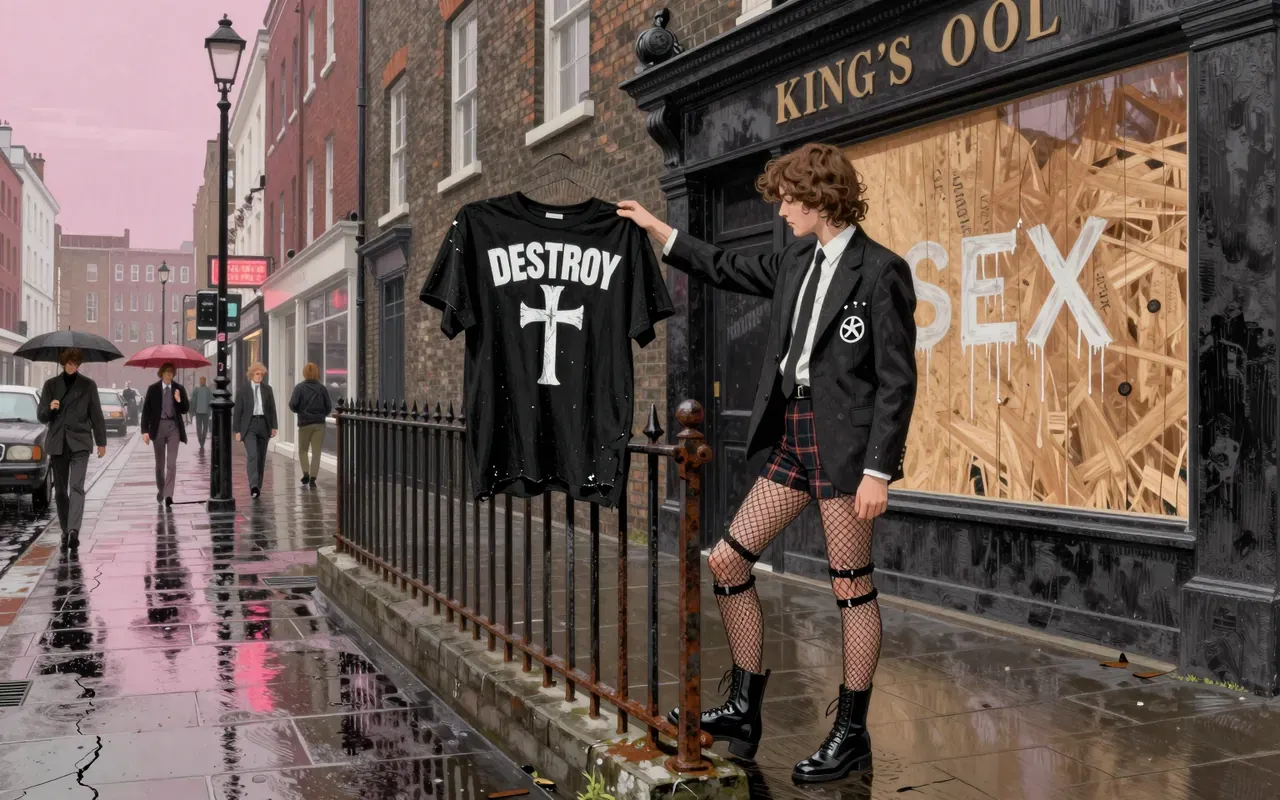
Vivienne Westwood

Vivienne Westwood’s punk fashion was a targeted assault on British cultural authority — materially crude, politically charged, and commercially savvy. It succeeded in making dissent wearable. It failed when its symbols were stripped of context and sold back as style.

11:11

Real McCoy (band)

Real McCoy is not a fashion label — it is a music project, and pretending otherwise misleads the reader.
11:10

Bill Blass

Bill Blass didn’t dress women for the red carpet—he dressed them for the rest of their lives.
11:07

Hanae Mori

Hanae Mori

Hanae Mori’s fashion house operated from 1951 to its closure (date unspecified), grew to $500 million by the 1990s, and achieved rare institutional recognition: official haute couture accreditation in Paris, runway presence in New York and Paris, and commissions for national representation including JAL, the Olympics, and the Japanese Crown. Her work was functional, ceremonial, and geopolitically legible — not merely aesthetic.
11:06

Sacai

Sacai doesn’t mix casual and formal—it engineers friction between them.
10:56

Polo Ralph Lauren vs U.S. Polo Association

Ralph Lauren

A protracted trademark dispute between Polo Ralph Lauren and the U.S. Polo Association, beginning in 1984, tested whether a commercial brand could claim exclusive rights to symbols and terms rooted in sport and history.
10:56

Comme des Garçons

Rei Kawakubo · 1969

Comme des Garçons is a Japanese fashion label founded by Rei Kawakubo in Tokyo in 1969. It is anti-fashion, austere, sometimes deconstructed—and deliberately rejects consensus notions of beauty, history, and fit.

10:46

Visvim

Visvim doesn’t make clothes — it makes slow, uneven, repairable arguments in cloth.
10:45

Off-White (company)

Virgil Abloh · 2012

Off-White is a case study in how conceptual framing, visual consistency, and asset sequencing can outpace traditional luxury development cycles.
10:44

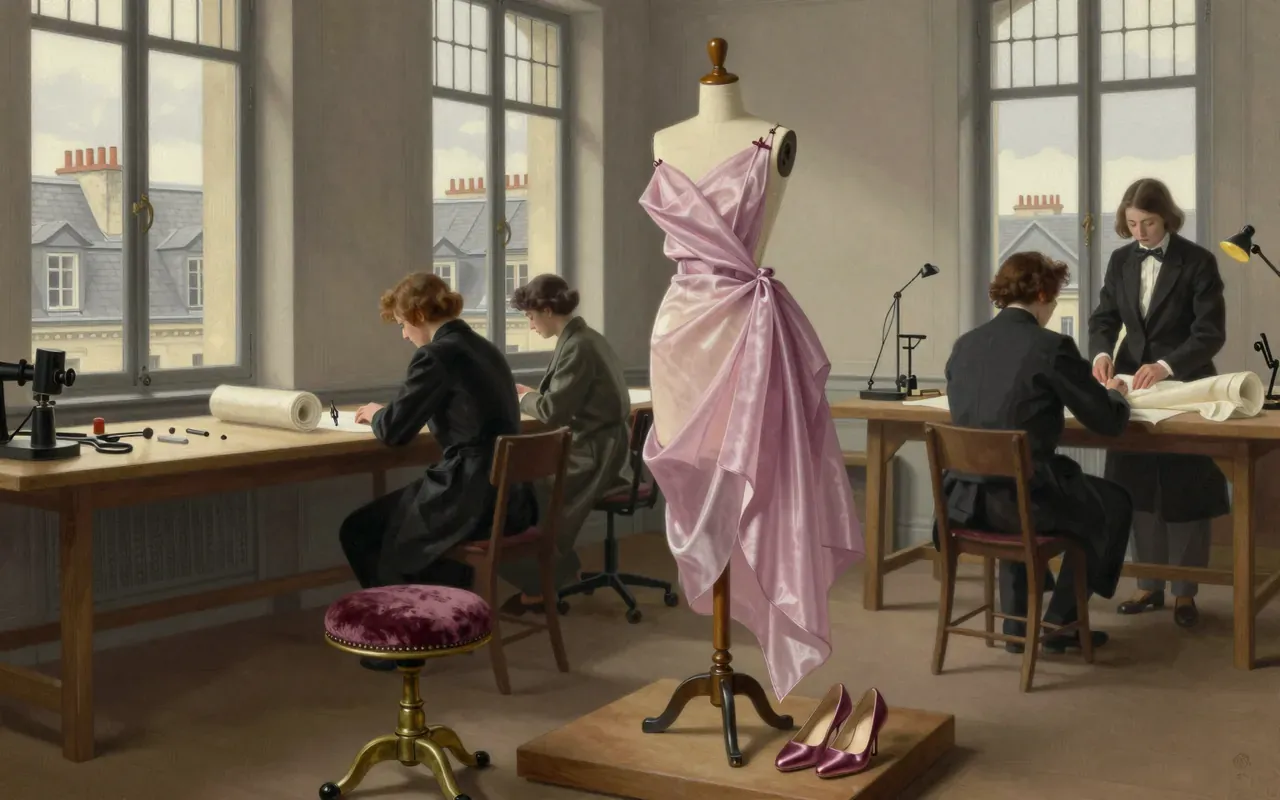
Cashmere wool

Cashmere regulates temperature and absorbs moisture — but it cannot regulate its own supply chain.
10:40

Kate Moss

Kate Moss didn’t design clothes—she licensed a silhouette, a stitch, and a letter.
10:40

Helly Hansen

This wasn’t fashion—it was seam-sealed survival, stitched by hand for men who’d drown if it failed.
10:40

Polo shirt

The 'polo shirt' is a tennis garment dressed as a polo one—and that lie built an empire.
10:39

Canali

Canali didn’t invent Italian tailoring — it industrialised its authority.
10:36

Kilt

The kilt wasn’t born in Gaelic tradition—it was invented by an English Quaker to speed up Highland timber workers.
10:32

The Row (fashion label)

Mary-Kate and Ashley Olsen · 2006

The Row is a fashion house built on subtraction: no names, no interviews, no deviation from material specificity. Its first collection—seven pieces, all purchased by Barneys New York—proved that luxury could be silent, rigorous and commercially viable without spectacle.
10:29

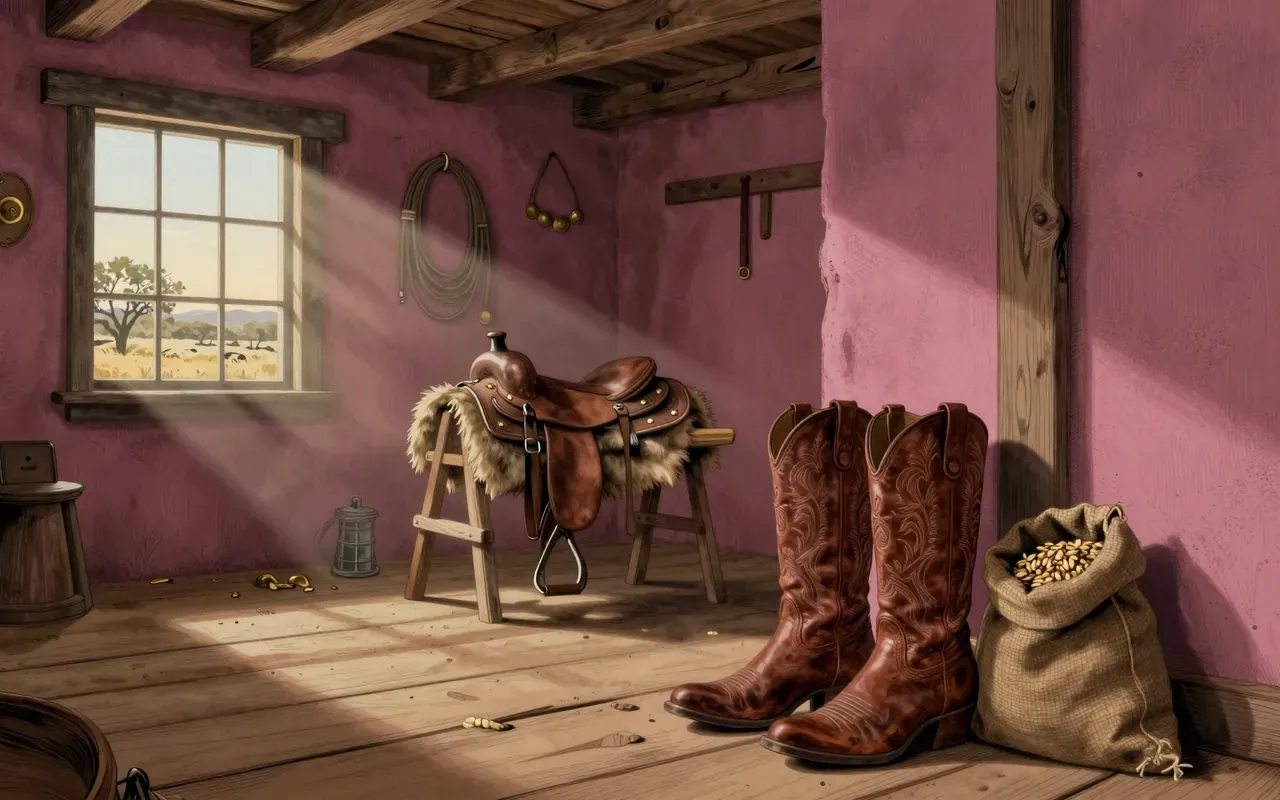
Cowboy boot

A boot built to stop cowboys from being dragged became a uniform for people who’ve never mounted a horse.
10:28

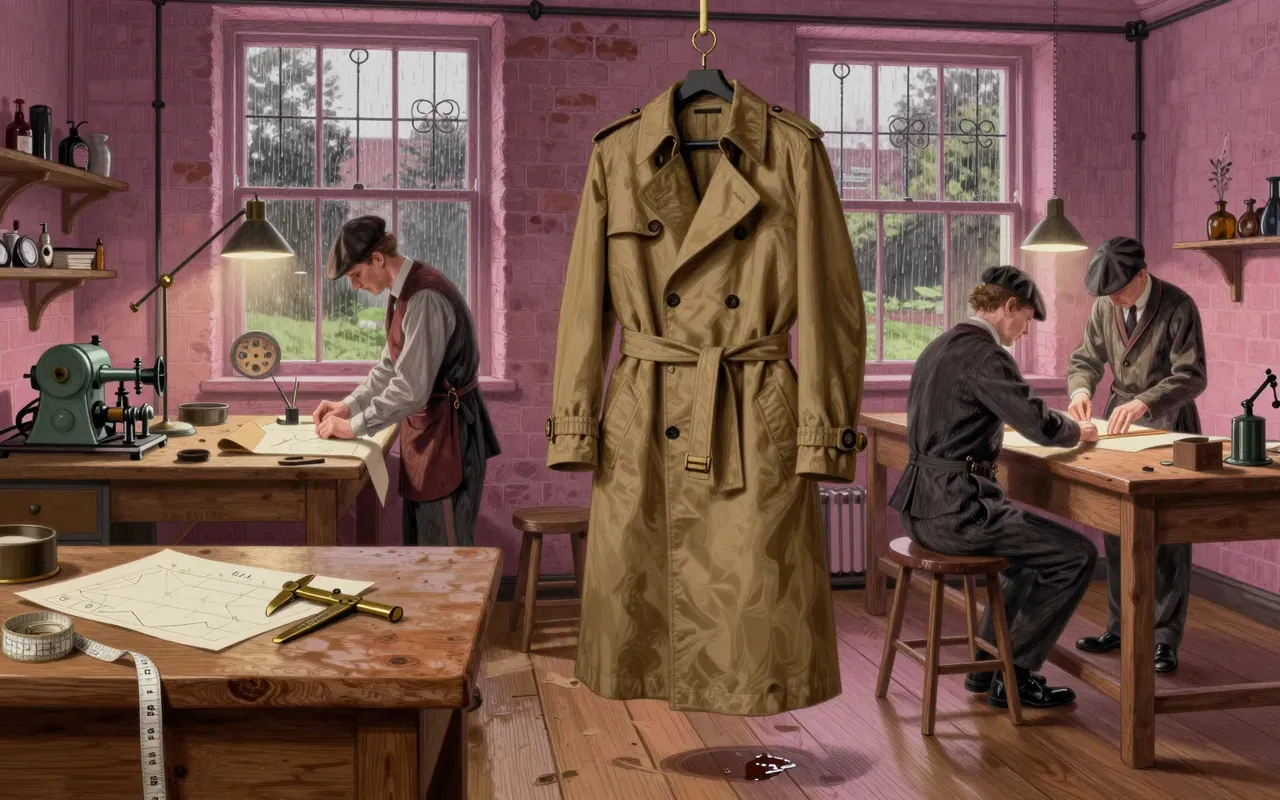
Trench coat

Thomas Burberry

The trench coat is a functional garment that solved a narrow military problem. Its civilian life is a story of displacement—not evolution.

10:27

Parka

The parka isn’t versatile—it’s a specialist: built for Arctic stillness, not city motion.
10:27

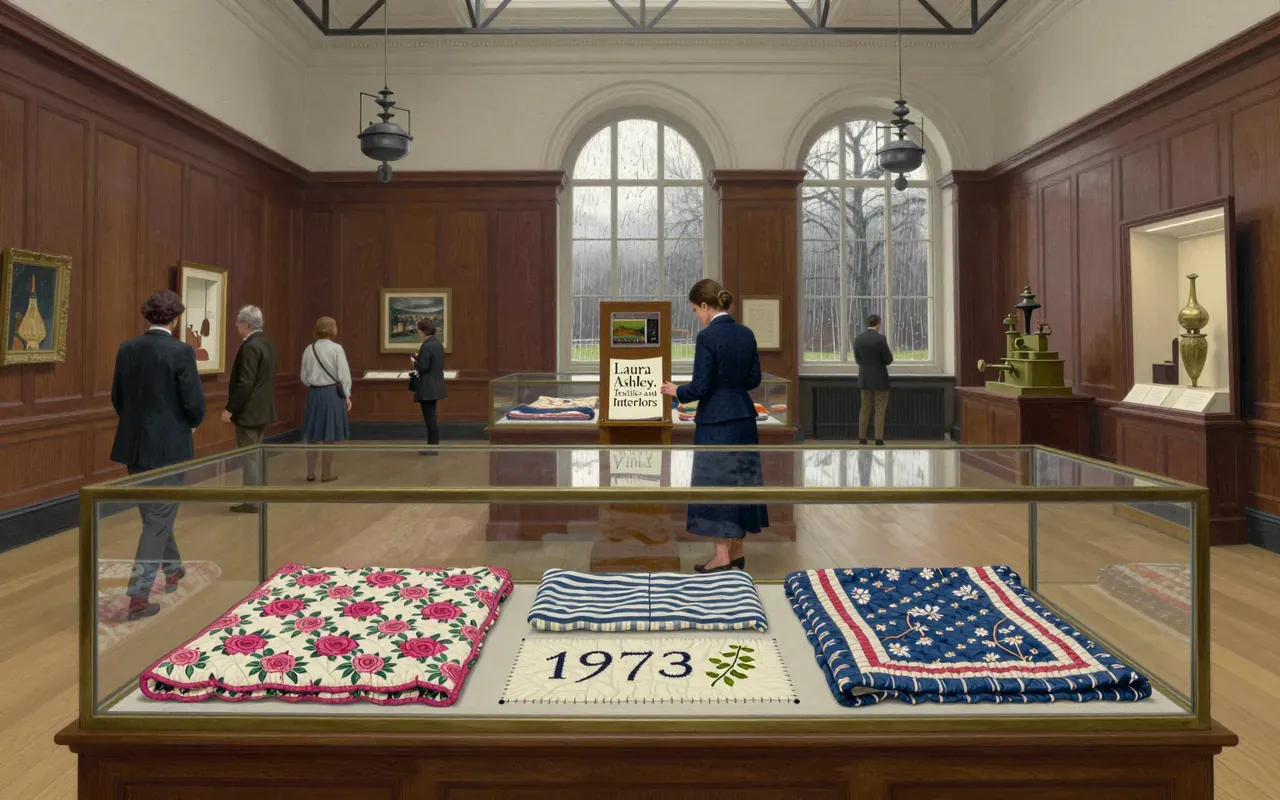
Laura Ashley

Laura Ashley

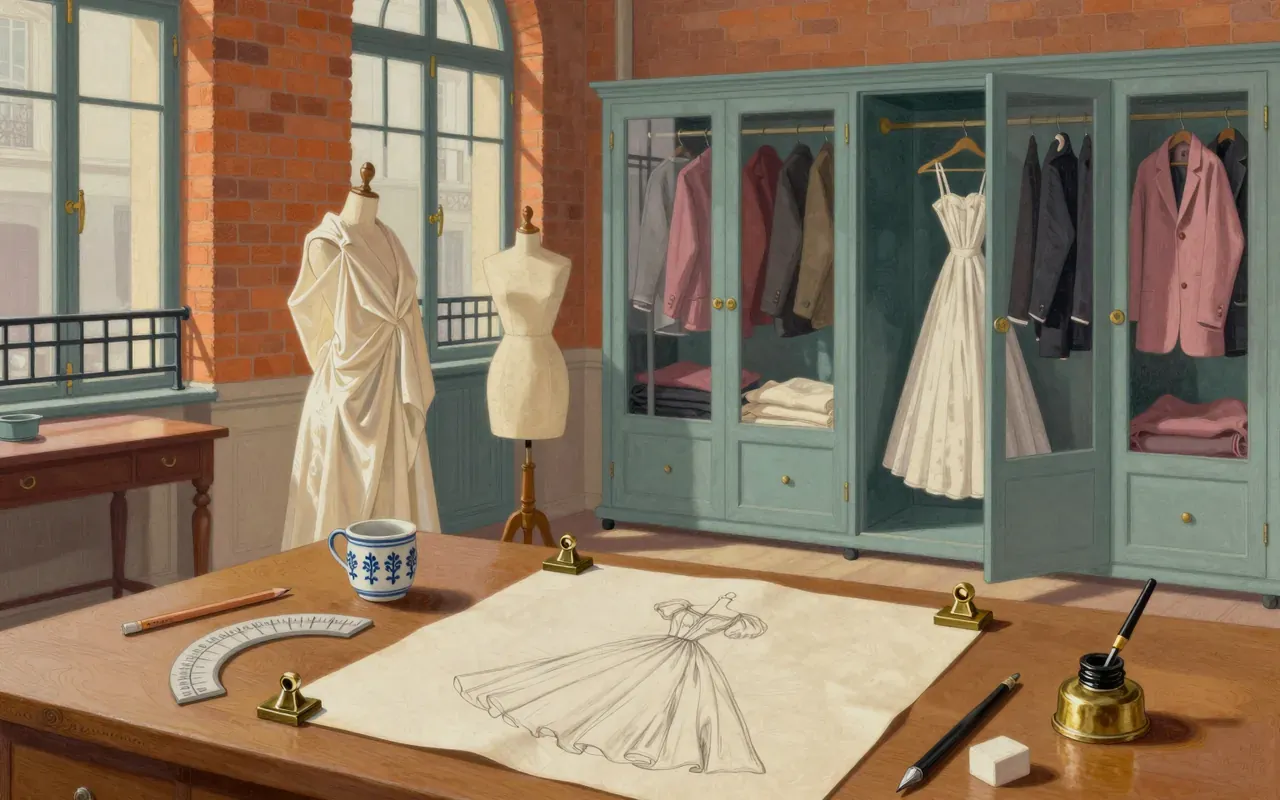
Laura Ashley built a fashion empire not from runway ambition, but from noticing a missing patch. Her method was craft-based, low-capital, and rooted in specific institutions—the Women’s Institute, the V&A—and a precise historical reference: the 19th-century rural. She sold Romanticism as reliability. She reached middle-class British women who wanted gentility without grandeur. She did not invent nostalgia—but she standardised it, scaled it, and shipped it via mail order before it had a name.
10:26

Givenchy

Hubert de Givenchy · 1952

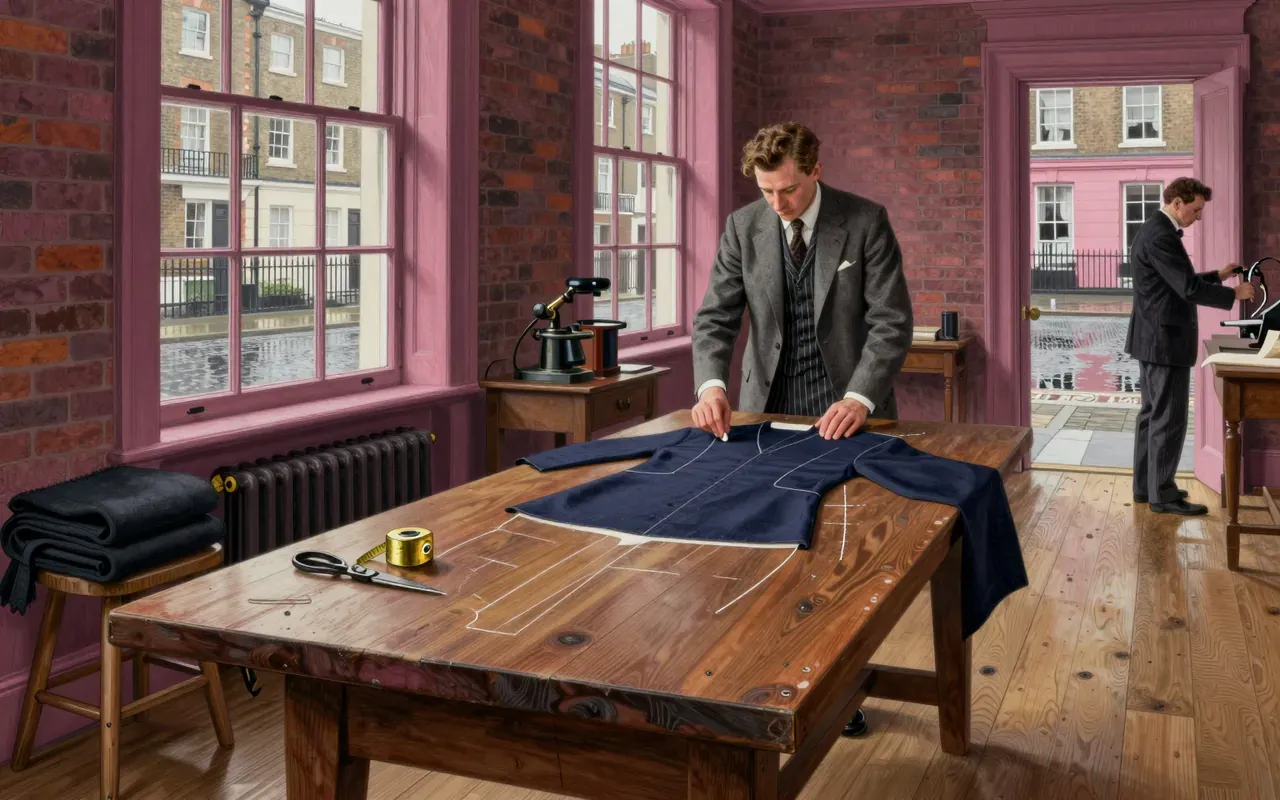
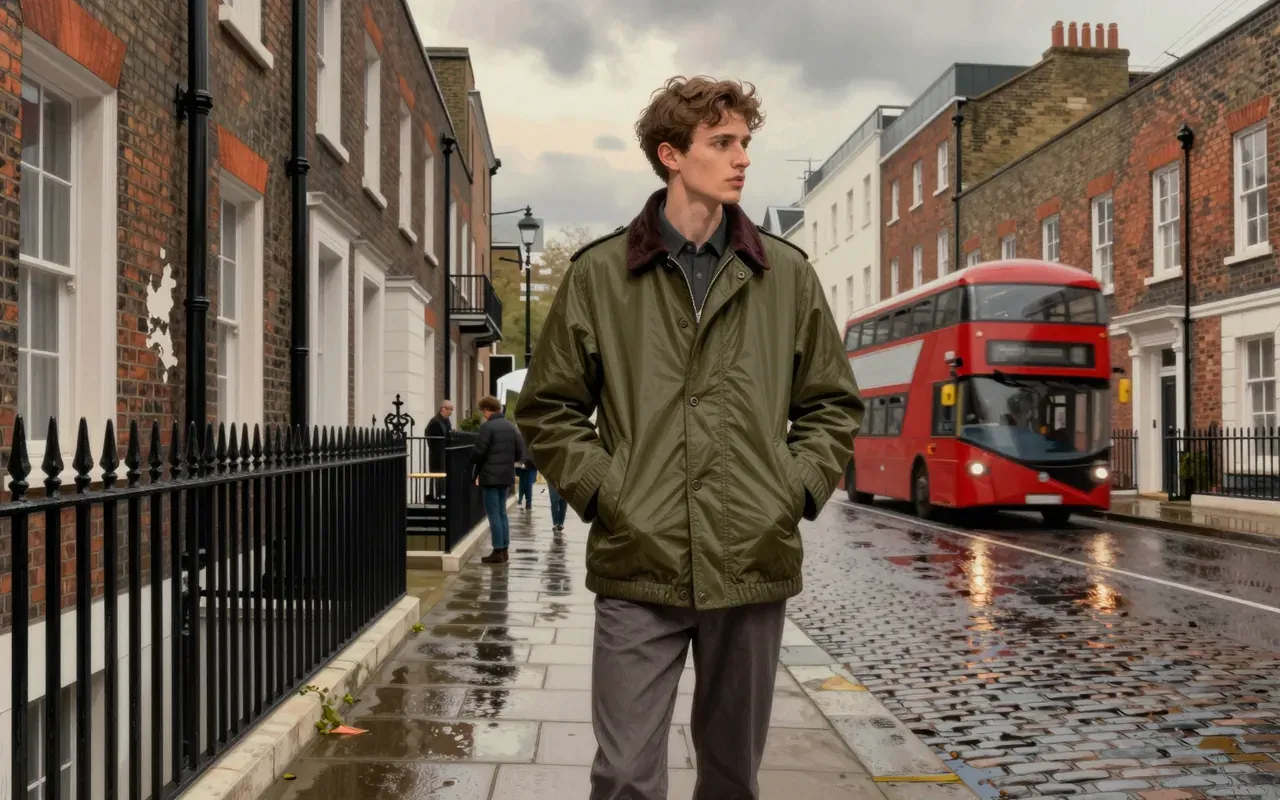
Givenchy’s 1952 launch was a system—not a style. It used raw cotton to make separates scalable, named garments after real women, and built ready-to-wear infrastructure before the term existed. Its later fame with Hepburn is real, but retrospective. The founding act was quieter: pragmatic, precise, and materially inventive.
10:26

Savile Row

Savile Row didn’t invent bespoke—it weaponised it, then lost the war over its meaning.
10:24

Moschino

Moschino doesn’t dress bodies—it weaponises them as billboards for camp, copyright lawsuits, and ecological yearning.
10:24

Stüssy

A surfboard signature, copied from an uncle’s hand, became a fashion house — not by design, but by distribution from a car.
10:23

Kaftan

The kaftan isn’t one garment—it’s a linguistic smokescreen for dozens of distinct robes.
10:22

Burqa

A garment that proves modesty has never been exclusively Muslim—and never required the face to disappear.
10:17

Supermodel

The supermodel wasn’t born on a runway—it was minted in a boardroom and ratified by magazine covers.
10:16

Sergio Tacchini

Tacchini didn’t invent sportswear fashion—he weaponised it against tennis tradition, then lost control of the brand he built.
10:15

Sloane Ranger

A journalistic label masquerading as a wardrobe — and it never had a single stitch.
10:14

Nino Cerruti

Cerruti didn’t make suits for men. He made suits for men who had to hold a room—and a camera’s attention—without saying a word.
10:13

Casablanca

Casablanca is a Paris fashion label, founded in 2018 by Charaf Tajer, known for après-sport clothing and hand-painted prints.
10:10

Ventile

Cotton that swells shut in rain—no coating, no compromise, no lightness when wet.
10:07

Nike Blazer

A sneaker that named itself after a team—and never apologised for staying literal.
10:06

Air Jordan

A shoe that broke league rules to become a retail weapon—and collapsed under its own chemistry.
10:06

Jeanne Paquin

Paquin was not a seamstress — she was the first woman to run French fashion like a sovereign.
10:05

Pierre Cardin

Cardin didn’t dress bodies—he dressed ideas, and they still don’t fit comfortably.
10:05

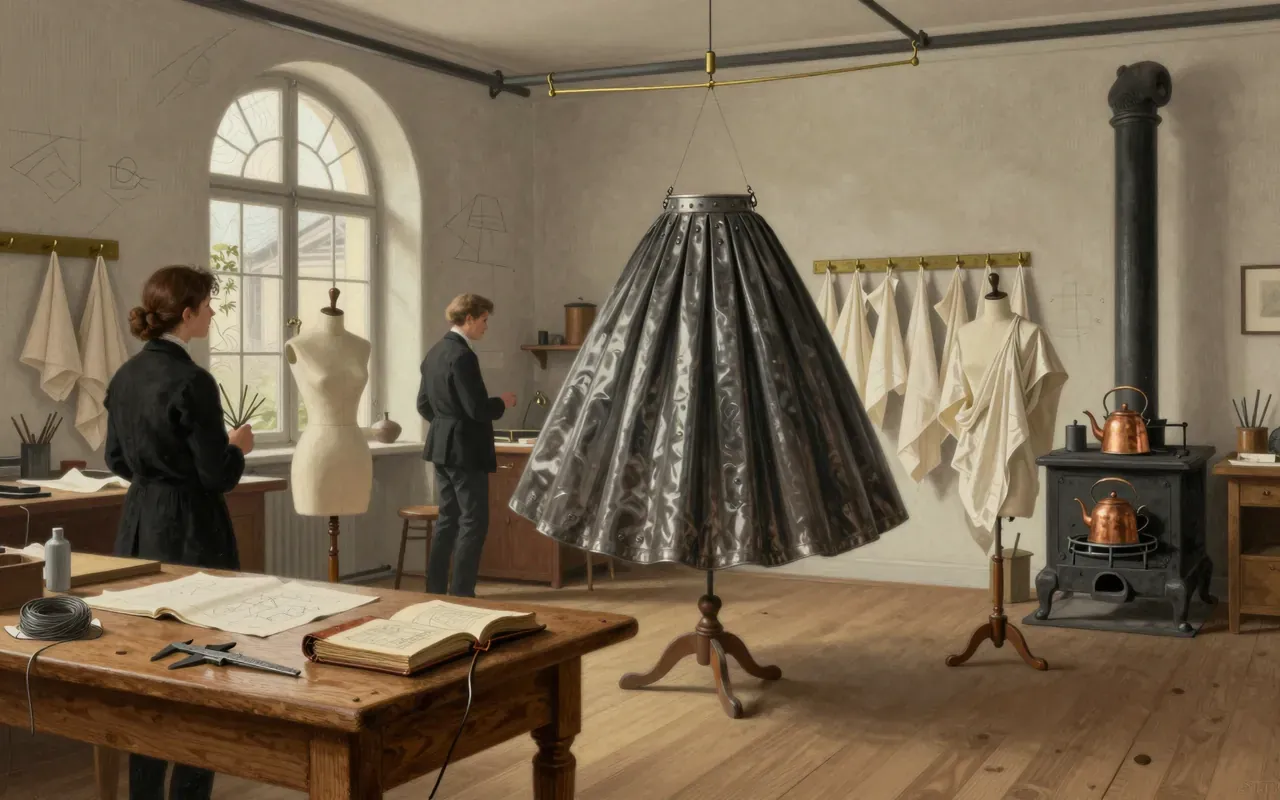
Hoop skirt

The first mass-class undergarment that traded comfort for silhouette — and won.
10:05

Hysteric Glamour

A Tokyo label that weaponised Western counterculture—and never let the clothes catch up to the graphics.
10:01

Safari jacket

A colonial field garment repurposed as leisurewear — useful, loaded, and never neutral.
10:00

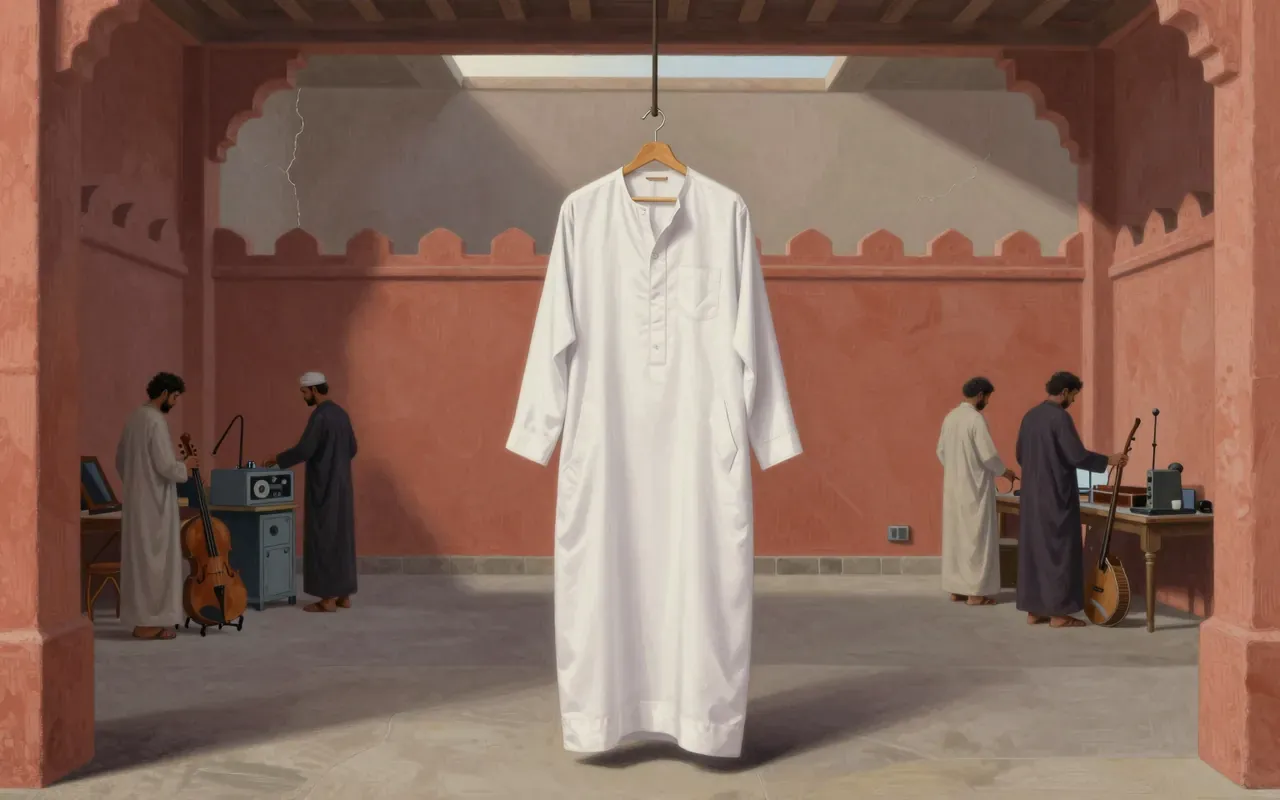
Thawb

A formal robe built for heat, hierarchy and holiness—not comfort, change or universality.
10:00

Chanel 2.55

Coco Chanel

The Chanel 2.55 is a functional object turned cultural cipher — its innovations real, its symbolism rooted, its legacy inflated.


9:59

Spandex

Spandex gives clothes their grip—but kills their afterlife.
9:58

Athleisure

Athleisure is not relaxation—it’s rearmament for daily life in technical fabric.
9:58

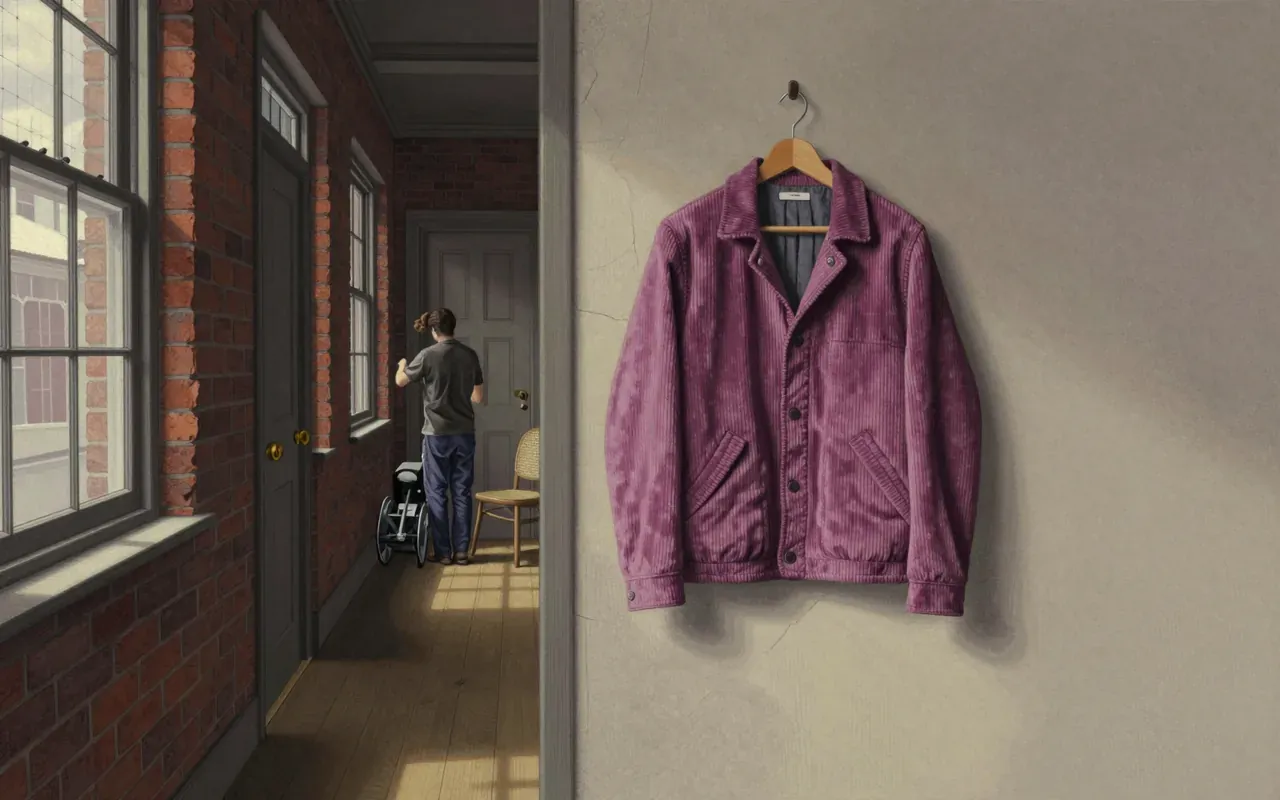
Corduroy

Corduroy isn’t soft — it’s engineered resistance disguised as warmth.
9:58

Moncler

Moncler didn’t invent the down jacket—it weaponised it for altitude, then outsourced its meaning to Milanese teenagers.
9:56

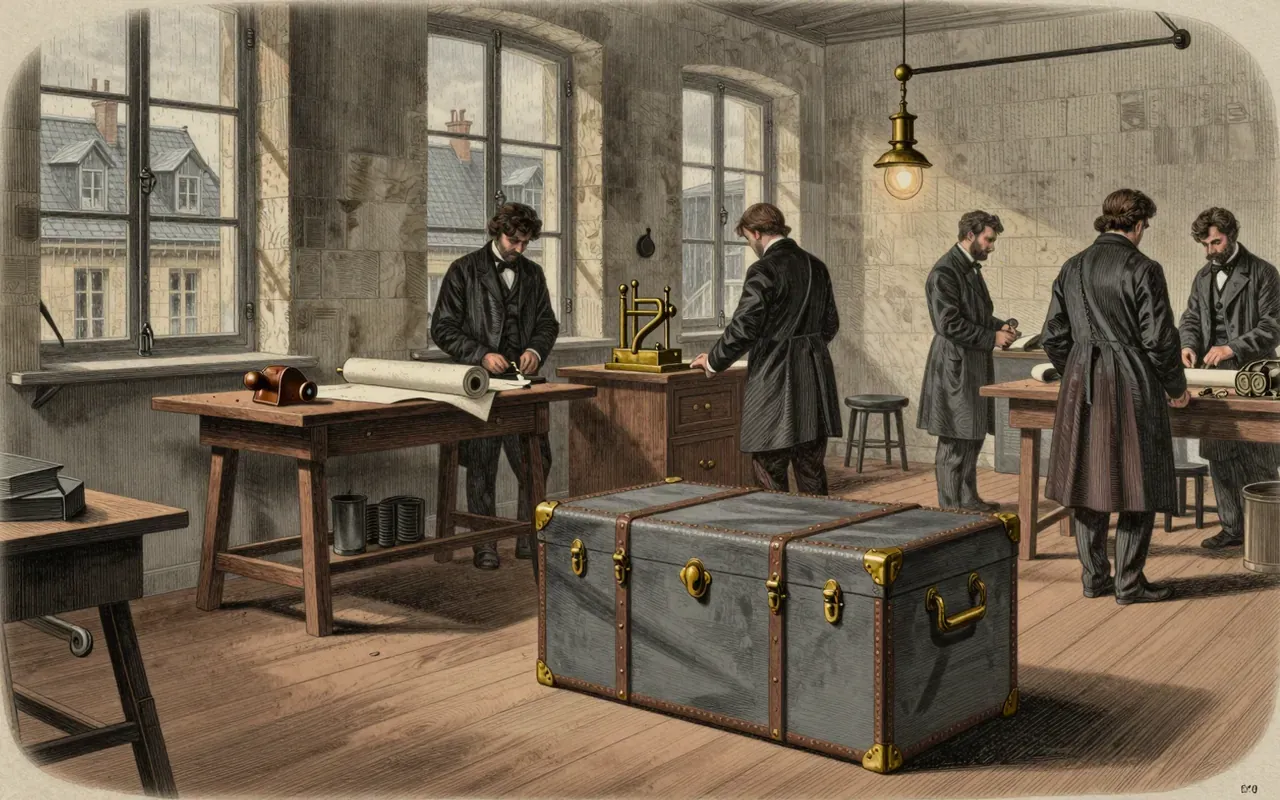
Louis Vuitton

Louis Vuitton didn’t invent luggage—it killed the rounded top and made stacking non-negotiable.
9:56

Amiri

Amiri didn’t reinvent luxury—it rerouted its pipeline from Paris to LA and back again.
9:56

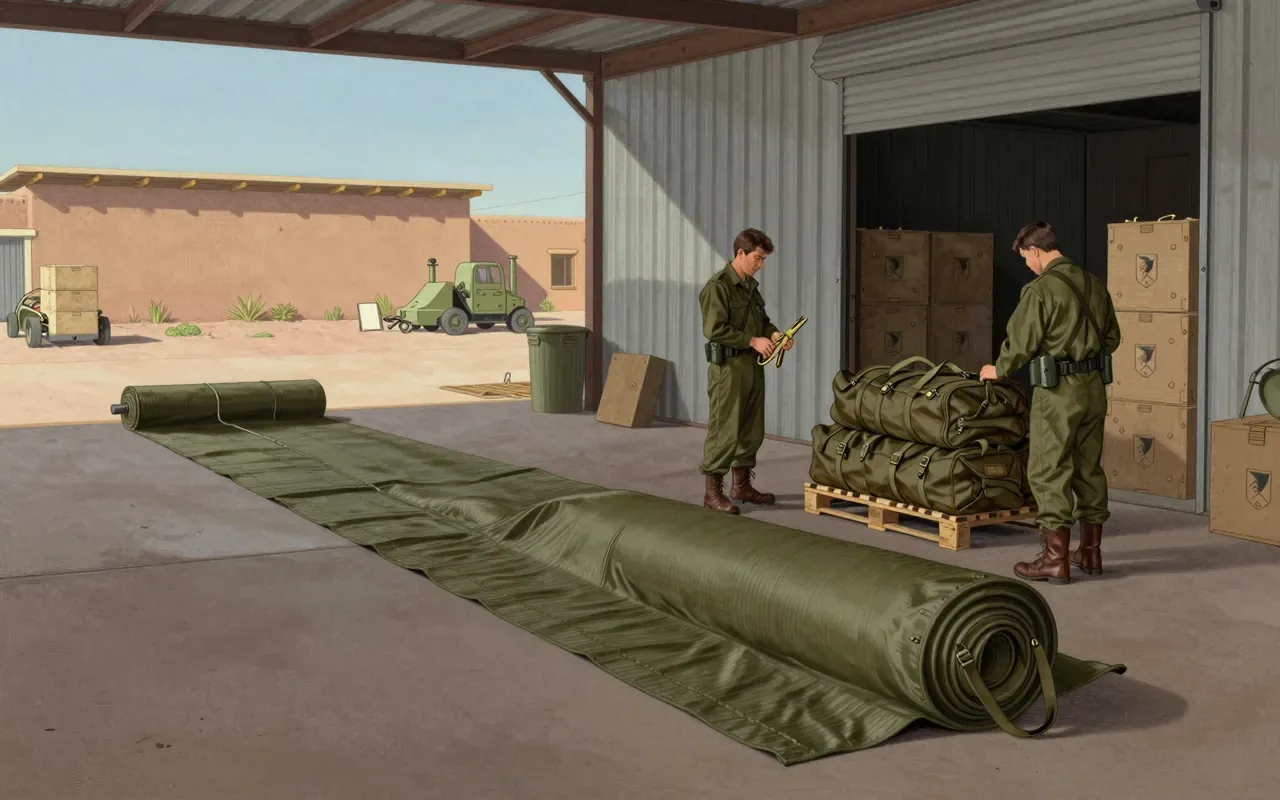
Cordura

DuPont's 1929 tyre-cord rayon, turned into the tough fabric of motorcycle trousers and military packs.
9:56

Serape

The serape is not folklore—it’s a contested textile archive written in wool, law, and colonial record.