Saved
Shortest first

All briefs

372 briefs · 3501 min · 1–96 on page 1 of 4
7:09

Jean Patou

Jean Patou didn’t liberate women’s bodies — he equipped them for sport.
7:10

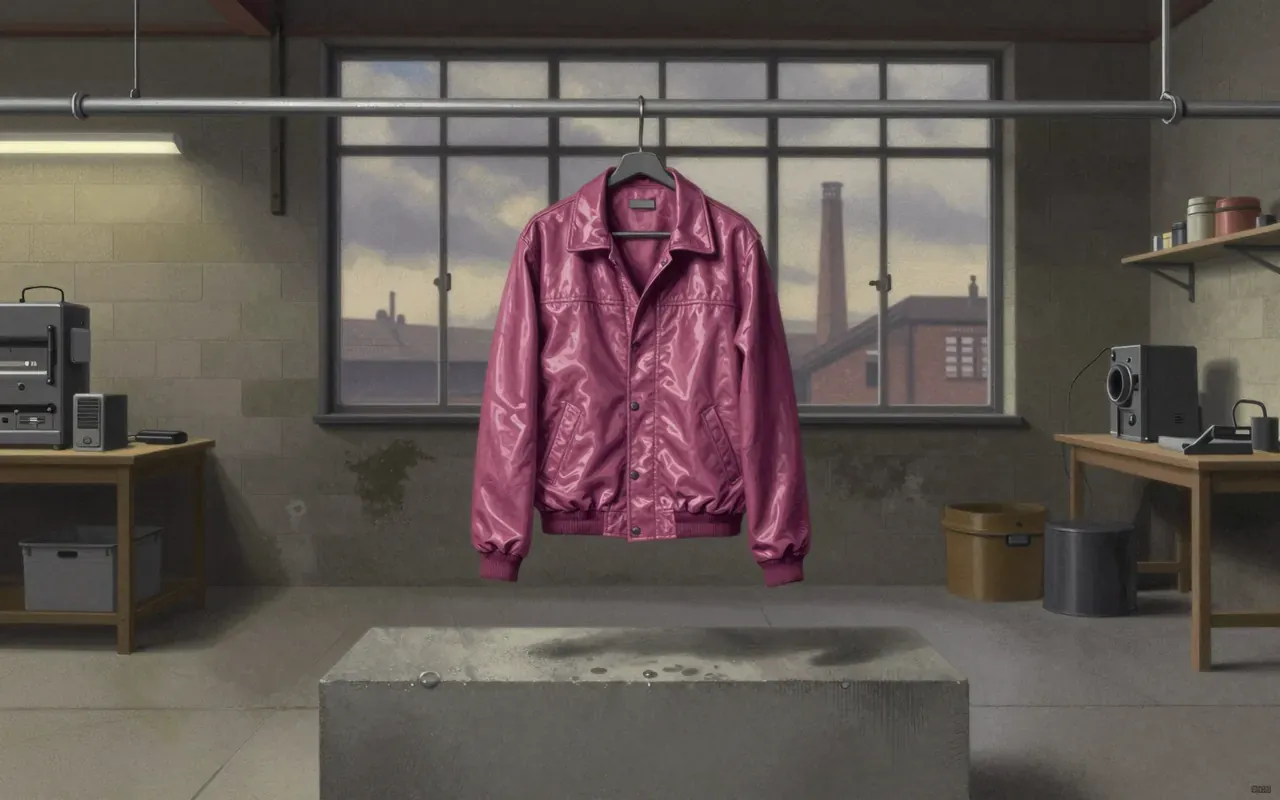
Mohair

Mohair doesn’t drape—it declares. And it won’t apologise for its shine.
7:12

Puma Speedcat

A racing shoe that abandoned fireproof lining for suede—and made thin soles fashionable.
7:33

Fred Perry

A sweatband stretched over the torso—and stamped with Wimbledon’s laurel—became fashion’s first licensed sportswear Trojan horse.
7:48

Rubinacci

Rubinacci invented the unstructured jacket not as rebellion—but as precision for real life.
7:48

Rochas

Rochas didn’t make clothes — it edited the body’s margins.
7:49

Paninaro

Paninaro wasn’t fashion — it was branding dressed as dress code.
7:54

T-shirt

The T-shirt is not clothing—it’s infrastructure disguised as apparel.
7:55

Department store

The department store was built for women to walk alone—and it succeeded by making commerce legible, not luxurious.
7:59

Sonia Rykiel

Black was not chosen for elegance—it was chosen for insistence, and this sweater made that clear.
8:00

Nylon

Wallace Carothers · 1935

Nylon is a family of synthetic thermoplastics characterised by amide linkages, melt-processed into fibres, films and moulded shapes. Wallace Carothers made the first one at DuPont in 1935, and women's stockings made it famous. Pure nylon's weaknesses in clothing led to blends with cotton, polyester and spandex, and pure nylon is now rarely used.
8:00

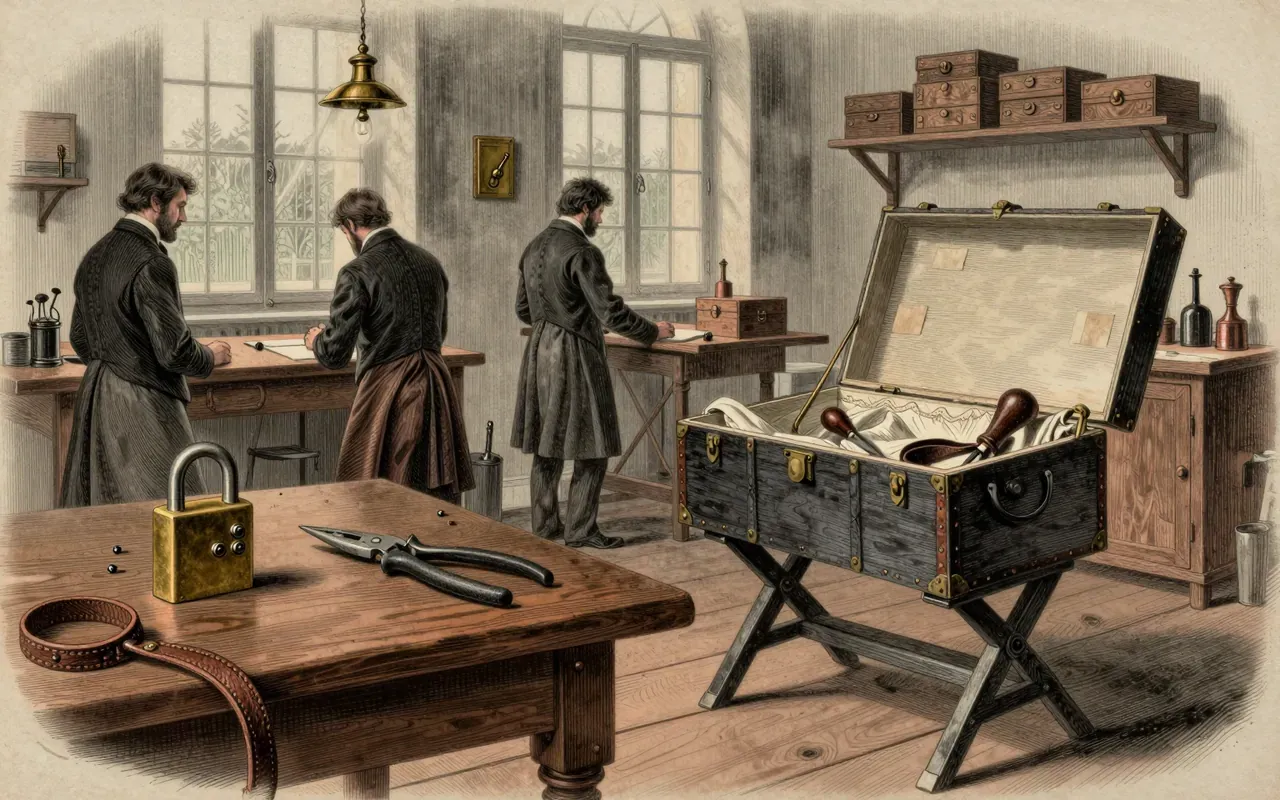
Louis Vuitton

A trunk is not a bag—it’s a sovereign unit of travel, and Louis Vuitton built the first one that refused to break.
8:00

Wool

Wool doesn’t drape—it defends. And it does so with keratin, crimp, and a third-of-its-weight thirst for water.
8:01

Polyester

Polyester doesn’t drape—it defends. And it won’t decompose when you do.
8:02

Adidas Campus

A wider, quieter, plainer alternative to the Samba—designed for feet, not footnotes.
8:05

Tracksuit

A warm-up garment that never warmed up to being taken seriously — until it didn’t need to.
8:06

A Bathing Ape

A brand named after lazy opulence that built scarcity into its DNA — and made it profitable.
8:06

L.L.Bean

A boot built to fail—then fixed, guaranteed, and worn into legend.
8:06

Hijab

Hijab isn’t in the Qur’an as clothing—it’s a curtain that got turned into a scarf.
8:07

Silk

Silk is not luxury—it’s a protein filament engineered by moths, refined by boiling, and weakened by sweat.
8:09

Martine Rose

Martine Rose doesn’t design clothes for men—it designs menswear that refuses to stay put.
8:10

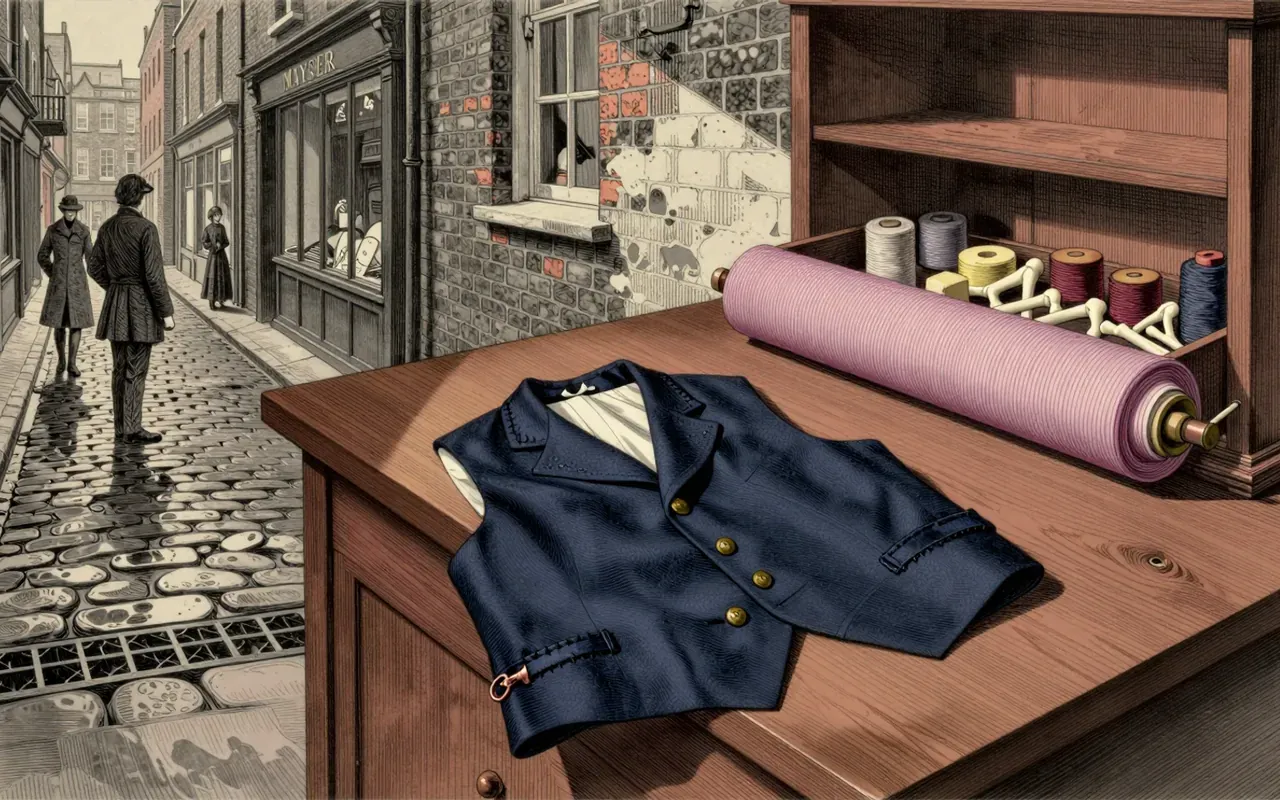
The Waistcoat

A waistcoat with two shortened bands proves love is often a lie told in stitches.
8:14

Ellesse

Ellesse didn’t invent sportswear fashion—but it put the logo where everyone could see it, and got the pants into the Pompidou.
8:15

Adidas Samba

A winter trainer that never warmed up to comfort—and became sharper for it.
8:15

Adidas Superstar

A basketball shoe that won the NBA by 1973—and then vanished from the court, only to reappear on every street that mattered.
8:15

Rick Owens

Rick Owens

Rick Owens is a controlled system: Californian origin, 1994 launch, monochrome palette, bias-drape construction, anatomically precise model selection. It rejects noise. It also rejects variance. Its rigour is its value—and its limit.
8:17

Adidas SL 72

A running shoe that traded structure for speed—and put the trefoil on feet for the first time.
8:17

Martin Margiela

Martin Margiela

Maison Martin Margiela is a fashion house founded in 1988 in Paris through a collaborative venture with Jenny Meirens. Its debut show took place in fall 1989 at a derelict playground in a North African neighborhood on the outskirts of Paris. The show used an uneven runway and intentionally stumbling models to create a shocking public spectacle. The debut collection rejected contemporaneous extravagance in favour of ripped sleeves, frayed hems, and clumpy shoes. Local children hand-drew invitations in school art classes and sat in the front row to honour the community. The label’s trademark is a cloth badge numbered 0–23, attached with four small white tack stitches, exposed externally on unlined garments. Margiela consistently remained backstage and declined to take a bow after shows, distinguishing himself from peers. From 1988 onward, Margiela refused all formal interviews and photographic appearances.
8:18

Marinière

A naval visibility tool that became fashion’s most obedient rebel.
8:18

Geoffrey Beene

Dressy doesn’t require discomfort—and Beene proved it with sweatshirt fabric and couture lines.
8:20

Blazer

A jacket named after a naval gig crew became the world’s most portable badge of belonging—and exclusion.
8:21

AMI Paris

AMI Paris is not about revolution — it’s about making Marc Jacobs–level cashmere sweaters affordable to the person who designed them.
8:21

Swatch

Swatch didn’t save Swiss watchmaking—it outsourced its soul to plastic and price.
8:22

Mizuno

Mizuno is a Japanese sports equipment and sportswear company, founded in Osaka in 1906, that makes gear for sports from golf and baseball to running and rugby.
8:22

Evening gown

The evening gown was never about beauty. It was a uniform for proximity to power.
8:22

Gianni Versace

Gianni Versace

Versace founded an international luxury-fashion house producing diverse consumer goods; designed costumes for theatre and film; linked fashion to the music world; used vivid colours, bold prints and sexy cuts as a deliberate contrast to dominant minimalist aesthetics; combined luxurious classicism with overt sexuality, drawing both criticism and praise; rejected conventional notions of good taste and defied fashion rules; drew design inspiration from historical periods including Classicism, Byzantium, the 18th century, and the 1920s–1930s; reimagined historical elements like Ravenna's mosaics and Roman drapery for contemporary fashion; and was born and raised in Reggio di Calabria, with his career spanning 1946–1997.
8:23

Halston

Halston didn’t simplify fashion—he stripped it of lies.
8:24

Rolex Submariner

The Submariner stopped being a diver’s tool in the 1960s—and became the world’s most successful status symbol disguised as one.
8:26

Patagonia

Patagonia, Inc. is an American outdoor clothing company founded by Yvon Chouinard in 1973 and based in Ventura, California.
8:26

Dolce & Gabbana

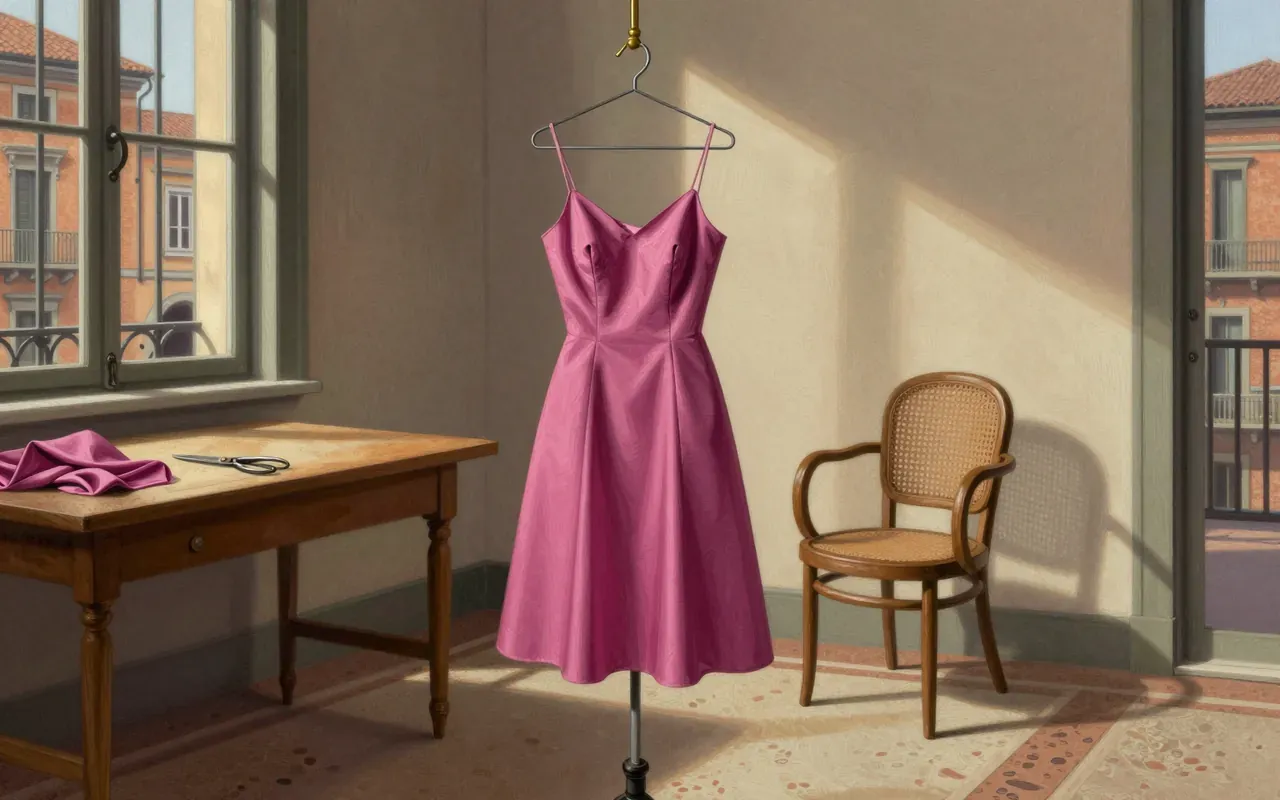
A slip built like a corset, shot like a neorealist film—this dress refuses to be background.
8:27

Fendi

Fendi is an Italian luxury fashion house, founded in Rome in 1925 as a fur and leather shop.
8:28

Linen

Linen doesn’t flatter—it cools, it creases, and it refuses to pretend.
8:28

Madeleine Vionnet

Bias cutting isn’t a trick — it’s the first garment to treat the body as a sequence of curves, not a set of angles.
8:28

Tommy Hilfiger

Tommy Hilfiger

Tommy Hilfiger is not a story of creative rupture. It is a case study in post-failure repositioning: a bankrupt retailer turned branded sportswear system, funded by Murjani, then Chou, staffed by Ralph Lauren veterans, and sold via spectacle before substance.
8:29

Dirk Bikkembergs

Fashion didn’t enter the stadium—it was invited in by a designer who made players his pattern-cutters.
8:30

Stone Island

Stone Island isn’t fashion — it’s textile engineering dressed as outerwear.
8:30

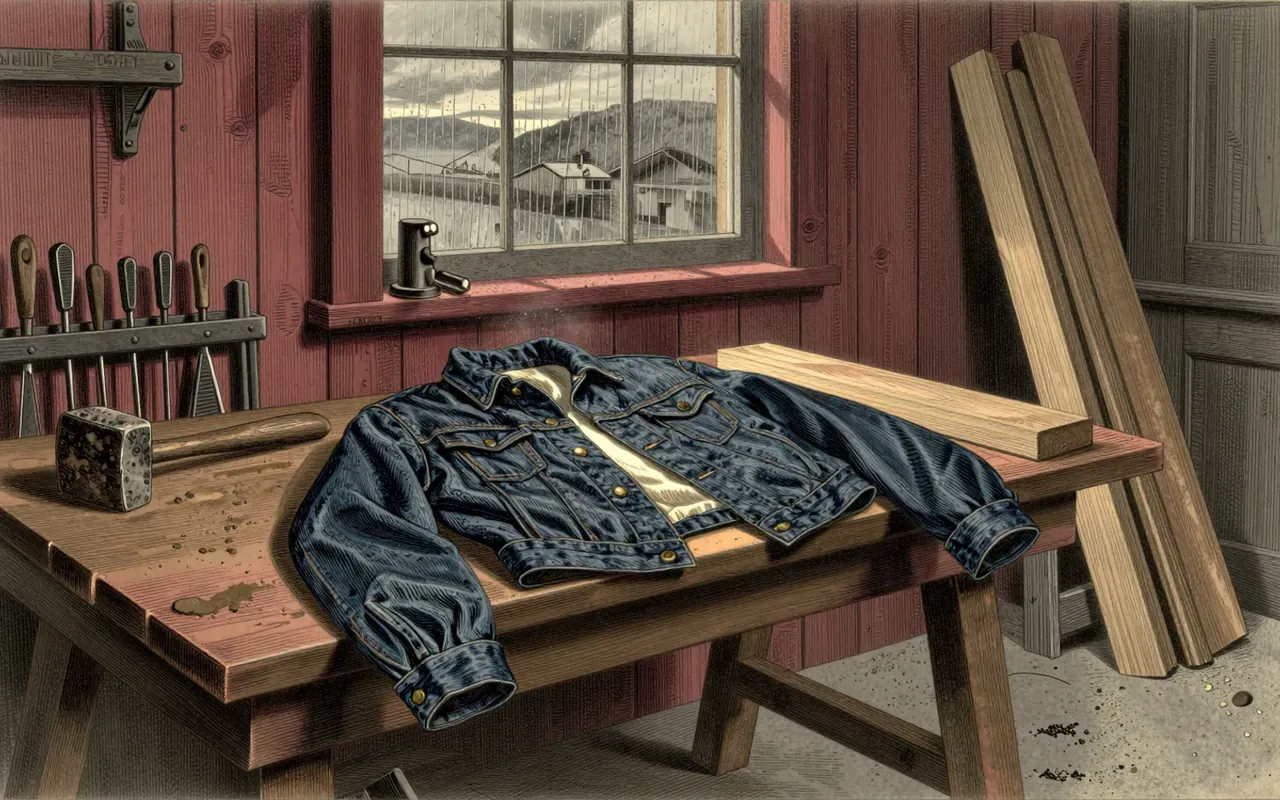
Denim

Denim isn’t rebellious—it’s bureaucratic. It was issued by railways and air forces long before it was adopted by teenagers.
8:31

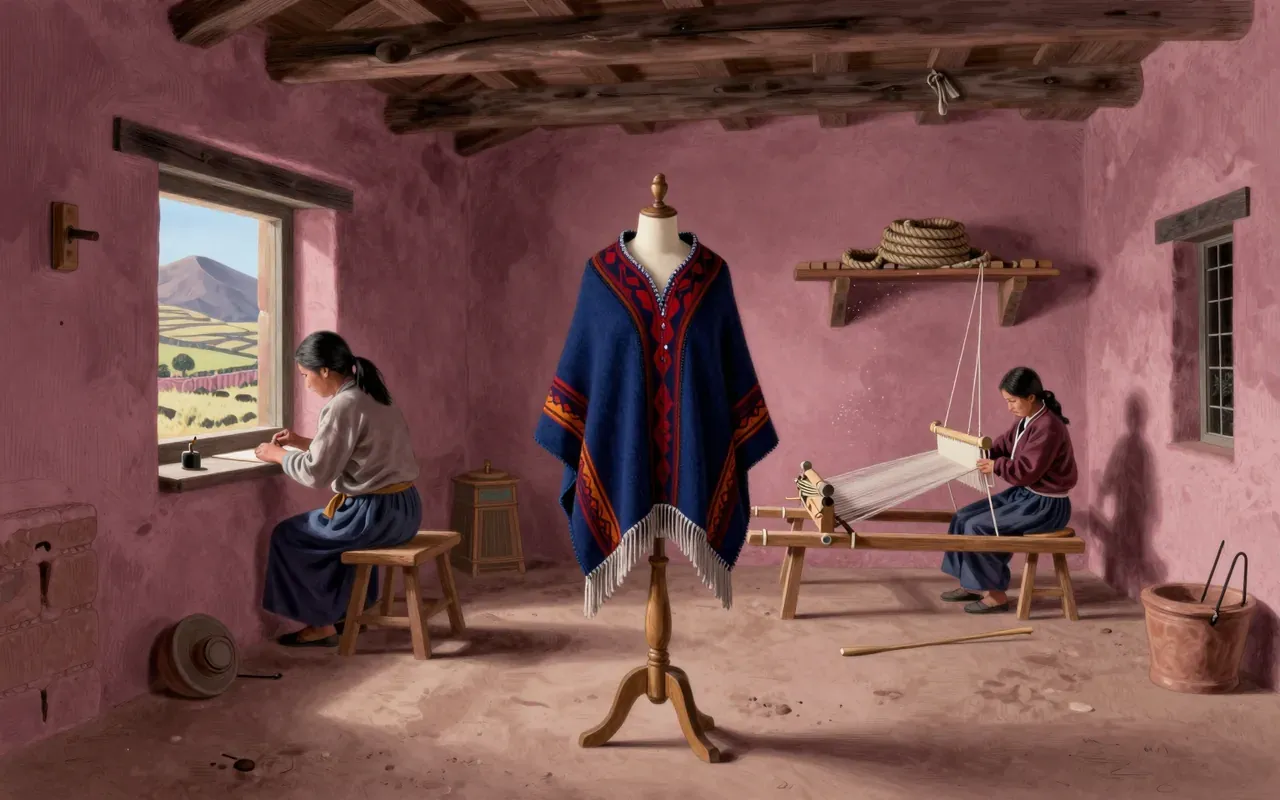
Poncho

A garment built for survival became a costume for conquest—and still wears its Indigenous name like borrowed clothing.
8:32

Donna Karan

Donna Karan didn’t design clothes — she designed a wearable operating system.
8:33

Chanel

Gabrielle Chanel · 2010

Chanel is an Anglo-French luxury fashion house founded in 1910 by Coco Chanel in Paris. It began in 1909 as a millinery shop. It popularised sporty, casual chic in the post–World War I era using jersey and prêt-à-porter sports clothes. It closed in 1939. Chanel collaborated directly with the Nazi Sicherheitsdienst during the occupation. She was not charged due to Winston Churchill’s intervention. She revived the house in 1954.

8:34

Suit

The suit isn’t formal wear—it’s the uniform of unspoken control.
8:36

Aloha shirt

It is not tropical kitsch—it is the first American shirt designed to hang free and mean something while doing it.
8:38

Fashion week

Fashion week is logistics disguised as spectacle — and it still answers to no one but itself.
8:38

Betty Jackson

Betty Jackson

Betty Jackson is a British fashion designer whose practice sits outside fashion’s usual metrics: no signature logo, no seasonal spectacle, no celebrity client list. She worked inside institutions—designing for judges, advising on model health, equipping unemployed women—not to make statements, but to solve problems with cloth, cut and context. Her influence is procedural, not aesthetic.
8:39

Normcore

Normcore isn’t anti-fashion. It’s fashion outsourcing its meaning to everything but the clothes.
8:40

Giambattista Valli

A non-French couture house in Paris that earned its place by showing up — not by rewriting the rules.
8:41

JW Anderson

Unisex clothing is not a compromise — it’s a recalibration of where cloth meets body.
8:41

Converse (brand)

Marquis Mills Converse · 1910

Converse is a manufacturing company that made functional footwear for specific markets—basketball players, the Rens, the US military. Its cultural weight came later, from reuse, not design intent.
8:42

Engineered Garments

Engineered Garments treats American clothing like open-source code—and Daiki Suzuki is its most rigorous contributor.