fashionbriefs
9:22in productionCh. 1 · Not NYFW—Press Week/ 9:22 · ceiling 15 min
Houses & movements

New York Fashion Week

1943

NYFW didn’t begin in 1943—it began in 1993, and only borrowed the date.

NYFW is not a continuous tradition. It is a retrospective label applied to a wartime press initiative that evolved—slowly, bureaucratically, and without fanfare—into a branded industry fixture.

Chapters & takeaways4
  1. 1:05
    Not NYFW—Press Week

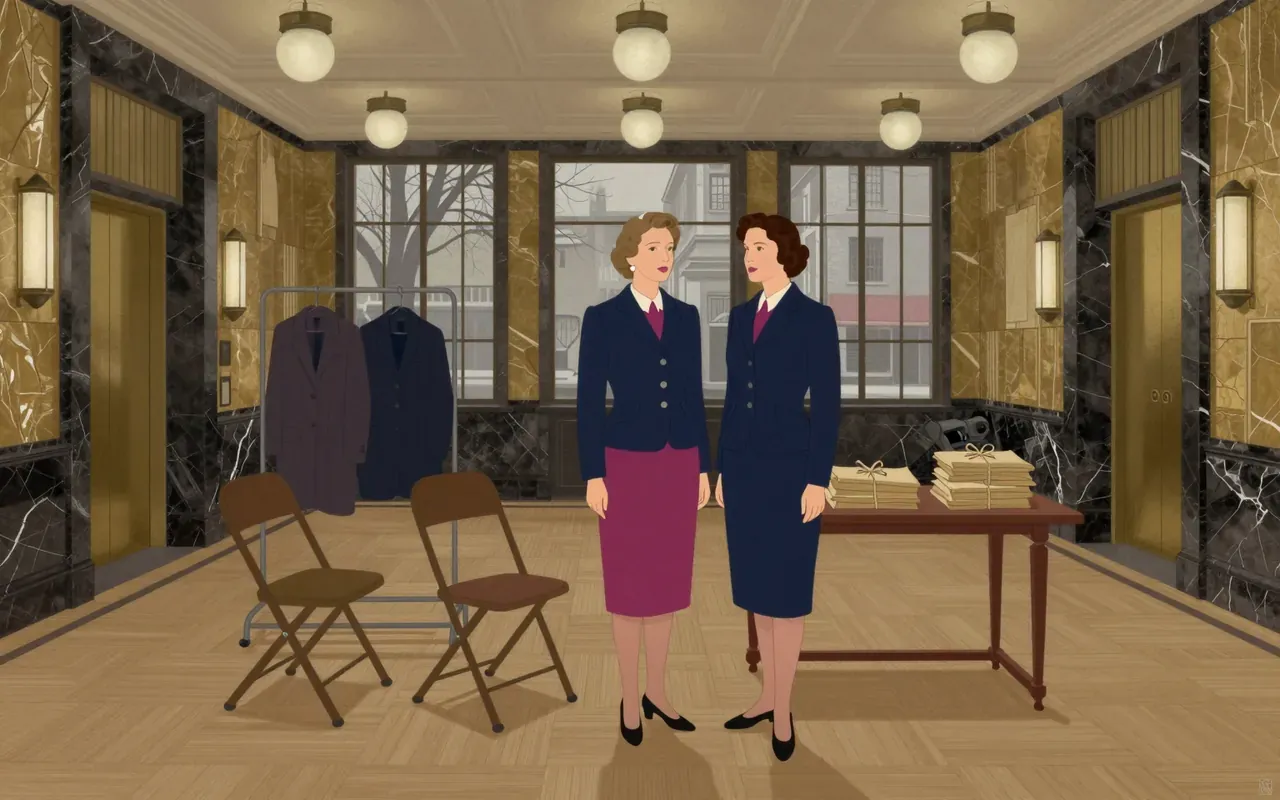
    Eleanor Lambert launched Press Week in 1943 to replace inaccessible Paris shows with American ones.

  2. 2:29
    It changed magazine pages

    It worked: Vogue shifted from French to American coverage almost immediately.

  3. 3:52
    The name came later

    The name 'Press Week of New York' stuck until the CFDA rebranded it as NYFW in 1993.

  4. 5:43
    The format changed

    Today’s NYFW is structurally different: semi-annual, centralised, and industry-driven—not ad hoc or journalist-led.

Worth your time?

Yes. Wear the whole thing.

3.5/ 5
What works
  • press-week-1943
  • cfda-1993-rebrand
What does not
  • celebrity
  • design
  • luxury
Wear it if
  • historians-of-media
  • fashion-industry-professionals
  • wwii-cultural-historians
Skip it if
  • general-audience
  • style-enthusiasts
The written brief1 min read

What the thing is

A semi-annual, week-long series of fashion collection presentations in Manhattan for buyers, press, and the public.

Where it came from

Press Week, founded in 1943 by Eleanor Lambert, press director of the New York Dress Institute, to divert attention from Paris during WWII travel bans.

What it gets right

It established American design as newsworthy at a moment when French fashion was inaccessible. It gave journalists a curated, city-wide platform to cover domestic talent.

What it gets wrong

It never called itself ‘New York Fashion Week’ in 1943. That name arrived decades later. Calling the 1943 event ‘the first NYFW’ misattributes the branding to its origin.

Why it matters now

Because it reveals how wartime constraints catalysed infrastructure—not creativity—and how branding lags behind function by nearly fifty years.

Is it worth your time

Yes—if you care how American fashion gained institutional visibility during wartime, and how that visibility was later formalised into a global industry fixture.
Same rail · Houses & movements4 of 66
8:35
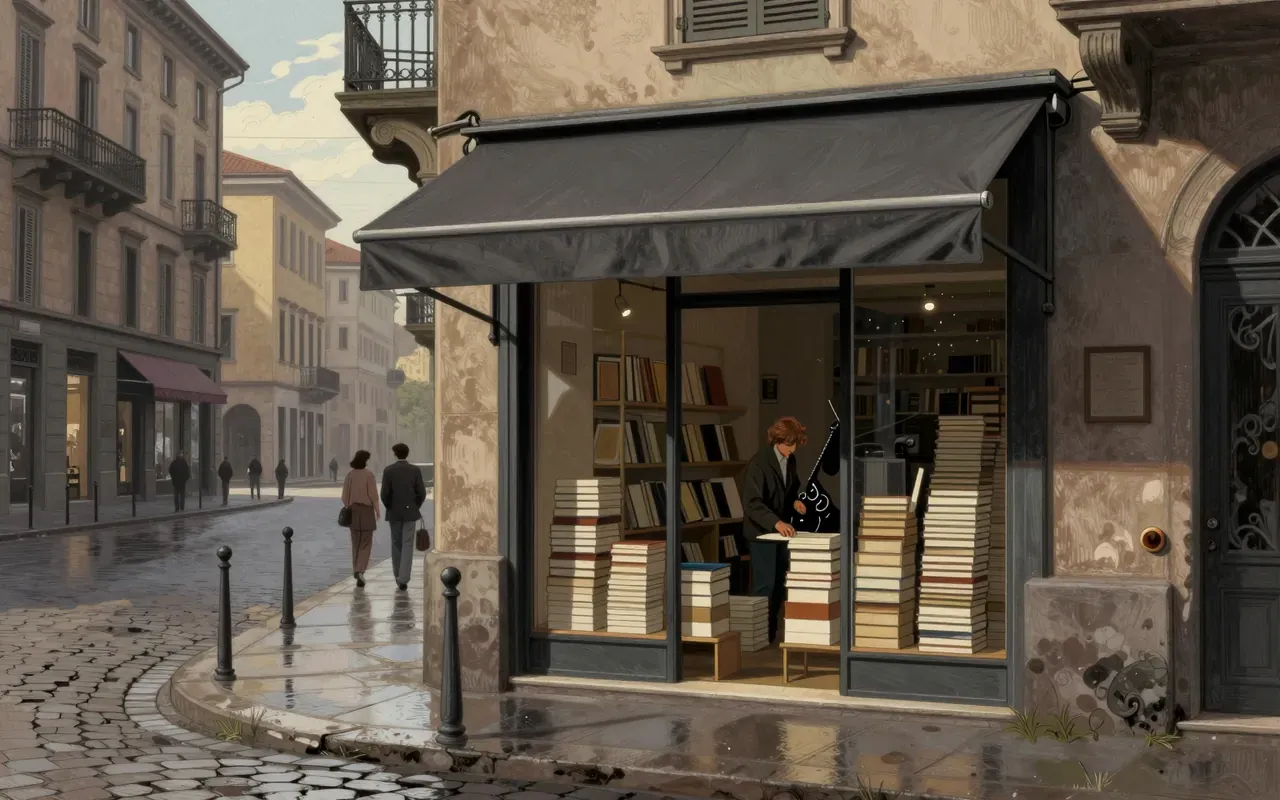
10 Corso Como10 Corso Como is a Milan-based cultural retail institution founded in 1990 by Carla Sozzani, evolving from an art gallery and bookshop into a multidisciplinary complex integrating art, fashion, design, cuisine, and hospitality; it expanded internationally starting in 2002 with locations in Tokyo, Seoul, and Shanghai, all bearing design input from Kris Ruhs, and underwent ownership transitions in 2017 and 2020 while retaining Sozzani’s artistic direction.
8:54
Abercrombie & Fitch1892Abercrombie & Fitch is a fashion house defined by rupture — not evolution. Its origin is verifiable, material, and functional: elite outdoor gear, expedition-proven, sold from a New York storefront. Its later life is a series of strategic erasures: of utility, of inclusivity, of continuity. It trades on nostalgia without replicating its source. Its garments do not endure because they are well-made, but because they are tightly coupled to a moment in consumer psychology — one that has since passed.
10:13
CasablancaCasablanca is a city. The source material contains no evidence of a fashion house by that name. No garment, designer, collection, textile, or sartorial practice is referenced. All claims pertain to geography, finance, industry, and infrastructure.
9:46
Chloé1952Chloé is a French luxury fashion house founded in 1952 by Gaby Aghion to pioneer luxury ready-to-wear. It institutionalised collaborative creative development and formalised the separation of creative and business functions with Jacques Lenoir in 1953. Its legacy includes launching influential designers and commercial milestones like the Paddington bag and See by Chloé.
Up next in Fashion

Off-White (company)

Virgil Abloh · 2012 · 10:45

Off-White didn’t blur black and white—it turned the grey area into a balance sheet.

10:45