fashionbriefs
10:56in productionCh. 1 · The origin story is precise/ 10:56 · ceiling 15 min
Houses & movements

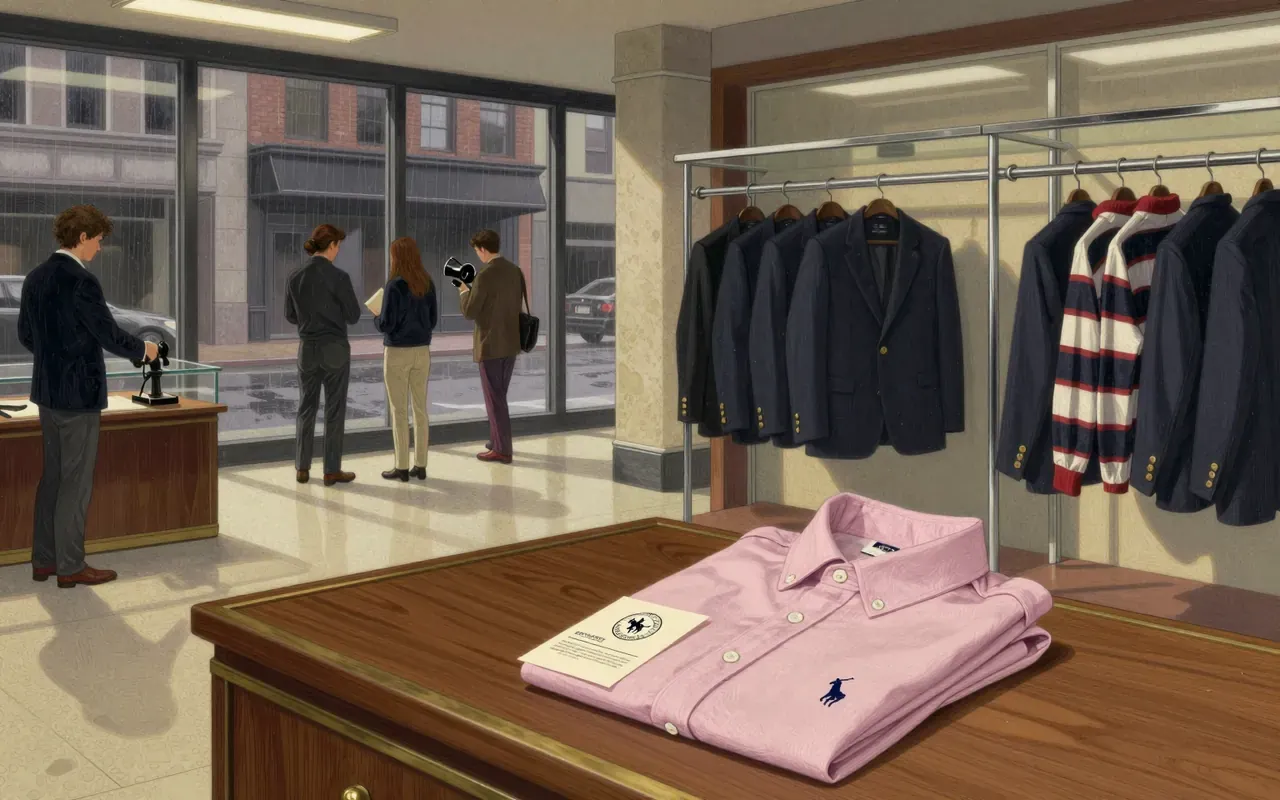
Polo Ralph Lauren vs U.S. Polo Association

A fashion brand sued a sport’s governing body—and won the right to own its name.

A protracted trademark dispute between Polo Ralph Lauren and the U.S. Polo Association, beginning in 1984, tested whether a commercial brand could claim exclusive rights to symbols and terms rooted in sport and history.

Chapters & takeaways4
  1. 1:10
    The origin story is precise

    Ralph Lauren built 'Polo' as a lifestyle brand long before suing USPA—and anchored it in specific garments and dates.

  2. 2:55
    A litigation marathon

    This was not one lawsuit but a cascade: 1984, then 1999, then 2006—with each round narrowing what USPA could do.

  3. 4:46
    Injunctions, not erasure

    Courts didn’t ban USPA’s logo—they mandated modifications: name beside emblem, title changes, visual distancing.

  4. 6:18
    Trademarks over tradition

    The court rejected USPA’s argument that 'polo' and the player were generic—giving Lauren exclusive rights to both.

Worth your time?

Yes. Wear the whole thing.

4/ 5
What works
  • Polo Ralph Lauren vs U.S. Polo Association
  • Ralph Lauren
What does not
  • influence
  • define
  • launch
  • inspire
Wear it if
  • designers
  • lawyers
  • marketers
Skip it if
  • general public
  • polo players
The written brief1 min read

What the thing is

A 22-year trademark war between Ralph Lauren’s fashion brand and the U.S. Polo Association over logo, word mark, and magazine title usage.

Where it came from

Ralph Lauren named his menswear line ‘Polo’ in 1968; introduced the player emblem on women’s shirt cuffs in 1971; and launched the chest-logo Polo shirt in 1972.

What it gets right

It secured trademark rights over ‘Polo’ and the player emblem despite USPA’s claim that they were generic to the sport.

What it gets wrong

It treated a governing body’s historical association with polo as legally irrelevant—ignoring that USPA predated Lauren’s use of the term by decades.

Why it matters now

It set precedent for how legacy institutions negotiate cultural ownership when commercial brands co-opt shared symbols—and how courts enforce distinction over authenticity.

Is it worth your time

Yes—if you care how brands weaponise heritage, or how courts arbitrate meaning in fashion.
Same rail · Houses & movements4 of 66
8:35
10 Corso Como10 Corso Como is a Milan-based cultural retail institution founded in 1990 by Carla Sozzani, evolving from an art gallery and bookshop into a multidisciplinary complex integrating art, fashion, design, cuisine, and hospitality; it expanded internationally starting in 2002 with locations in Tokyo, Seoul, and Shanghai, all bearing design input from Kris Ruhs, and underwent ownership transitions in 2017 and 2020 while retaining Sozzani’s artistic direction.
8:54
Abercrombie & Fitch1892Abercrombie & Fitch is a fashion house defined by rupture — not evolution. Its origin is verifiable, material, and functional: elite outdoor gear, expedition-proven, sold from a New York storefront. Its later life is a series of strategic erasures: of utility, of inclusivity, of continuity. It trades on nostalgia without replicating its source. Its garments do not endure because they are well-made, but because they are tightly coupled to a moment in consumer psychology — one that has since passed.
10:13
CasablancaCasablanca is a city. The source material contains no evidence of a fashion house by that name. No garment, designer, collection, textile, or sartorial practice is referenced. All claims pertain to geography, finance, industry, and infrastructure.
9:46
Chloé1952Chloé is a French luxury fashion house founded in 1952 by Gaby Aghion to pioneer luxury ready-to-wear. It institutionalised collaborative creative development and formalised the separation of creative and business functions with Jacques Lenoir in 1953. Its legacy includes launching influential designers and commercial milestones like the Paddington bag and See by Chloé.
Up next in Fashion

Beret

· 8:57

The beret is not a symbol that got weaponised. It is a tool that got uniformed—and then mythologised.

8:57