Saved
Houses & movements · Couture

Balmain (fashion house)

1945

Balmain didn’t rebuild Paris fashion — it reasserted its hierarchy, one sculpted waist at a time.

Worth your time?4.5/5Yes.Wear the whole thing.What works, what does not, who it is for ↓
9:39in productionCh. 1 · Founded, not launched/ 9:39 · ceiling 15 min
4 chapters · 9:39Ceiling 15:00

The brief is written and checked. The video joins this page when it is cut.4 chapters · 1 min read · 9:39 planned

Read the brief

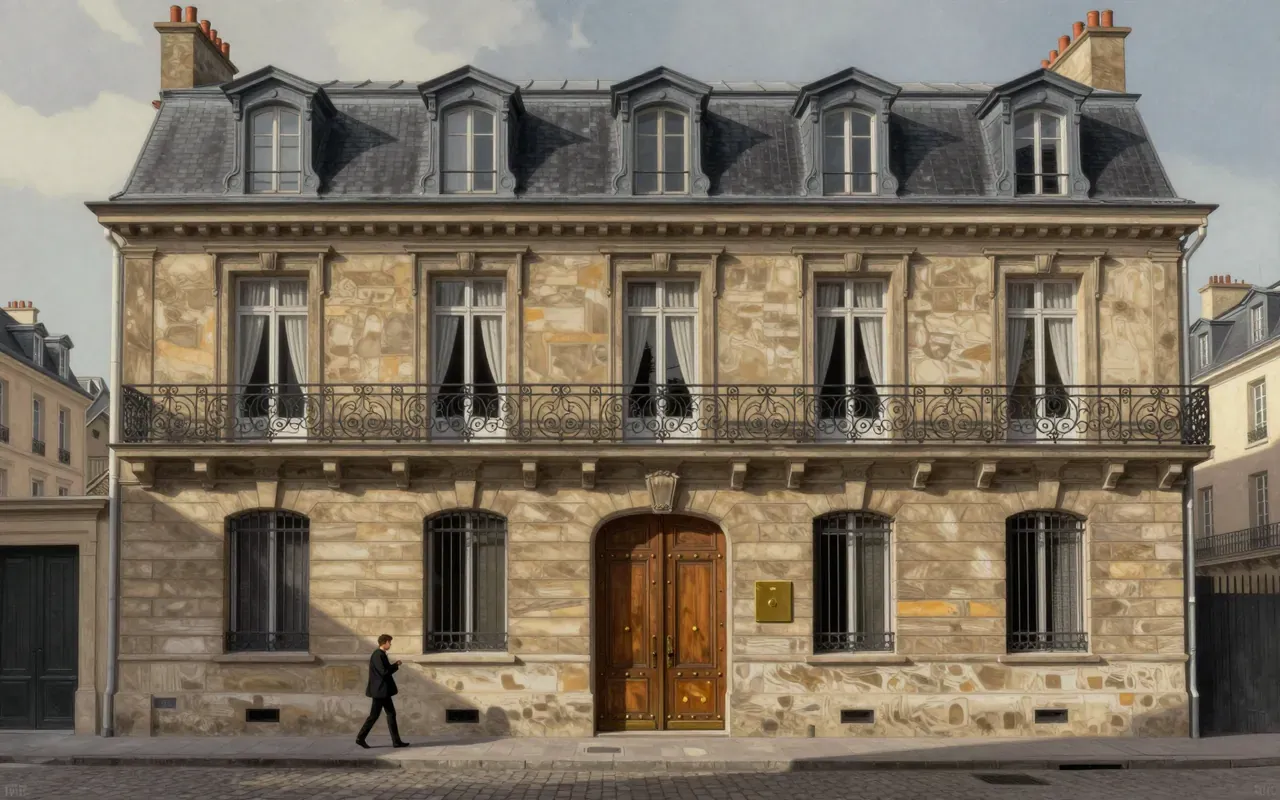
Balmain is a French luxury fashion house founded in 1945 by Pierre Balmain in Paris. Its first collection debuted in October 1945. Its original atelier was at 44, rue François 1er. It dressed international royalty and film stars immediately after World War II. Marlene Dietrich wore Balmain in the 1951 film No Highway in the Sky.

Chapters & takeaways4
  1. 0:52
    Founded, not launched

    Balmain began as a couture house in 1945 — not a brand, not a label, but a Paris atelier with a first collection in October.

  2. 2:18
    44, rue François 1er

    Its first address — 44, rue François 1er — was not a showroom but a working atelier in the heart of Paris’s couture district.

  3. 4:07
    Royalty wore it first

    Balmain dressed Ava Gardner, Brigitte Bardot, Queen Sirikit — not as clients, but as extensions of its sartorial authority.

  4. 5:46
    Cinema confirmed its grammar

    Marlene Dietrich chose Balmain for No Highway in the Sky (1951) — proof its clothes functioned on screen as narrative shorthand for power and poise.

1 more chapterFewer chapters
Worth your time?

Yes. Wear the whole thing.

4.5/ 5
What works
  • proportion — waist definition balanced against volume
  • construction — seams placed to sculpt, not just join
  • occasion — belongs where attention is expected
What does not
  • flatter every body type equally
  • prioritise movement over silhouette
  • offer ease or informality
Wear it if
  • women who wear authority as attire
  • royalty, diplomats, film stars
Skip it if
  • those seeking concealment
  • comfort-first dressing
  • anti-establishment gesture
Who should wear it, and who should skipHide who it is for
The written brief1 min read

What the garment is and where it came from

A Parisian haute couture garment founded in 1945 at 44, rue François 1er. Not ready-to-wear. Not sportswear. Not diffusion. A made-to-measure proposition from the outset.

How it works, in terms someone would actually use

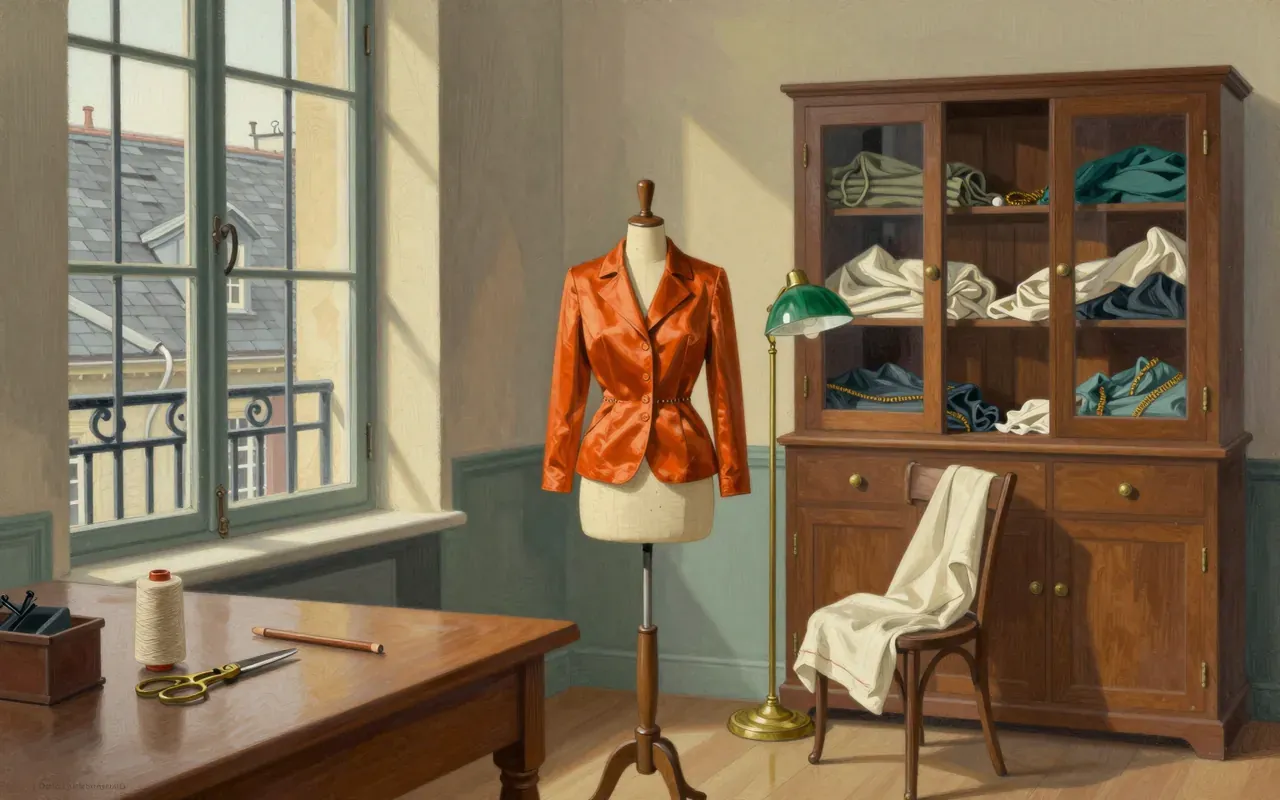
Balmain garments were built for visibility in post-war society — structured shoulders, nipped waists, full skirts. They held shape without constant adjustment. They required no explanation to read as luxurious.

What it gets right

It gets proportion right: waist definition balanced against volume. It gets construction right: seams placed to sculpt, not just join. It gets occasion right: it belongs where attention is expected.

What it does not

It does not offer ease, informality, or anonymity. It does not flatter every body type equally. It does not prioritise movement over silhouette.

What it changed

Balmain helped redefine post-war femininity as controlled, polished, and internationally legible — not just French, but royal, cinematic, diplomatic.

Who it is for, and who it is not

It is for women who wear authority as attire — royalty, diplomats, film stars. It is not for those seeking concealment, comfort-first dressing, or anti-establishment gesture.

Is it worth your time

Yes — if you need clothing that asserts presence without apology, and you value a lineage rooted in Parisian couture discipline rather than trend responsiveness.

Same rail · Houses & movements4 of 76
10:13
Casablanca2018Casablanca Paris is a French designer label founded in 2018 by the Paris-born designer Charaf Tajer, whose Moroccan heritage runs through the brand. It began as a menswear label on a budget of $3,000, showed its first collection in Paris in January 2019 and added womenswear in 2021. It was a finalist for the LVMH Prize in 2020 and now sells through more than 300 luxury retailers.
10:26
GivenchyHubert de Givenchy · 1952Givenchy’s 1952 launch was a system—not a style. It used raw cotton to make separates scalable, named garments after real women, and built ready-to-wear infrastructure before the term existed. Its later fame with Hepburn is real, but retrospective. The founding act was quieter: pragmatic, precise, and materially inventive.
8:40
Giambattista ValliGiambattista Valli is an Italian designer operating his eponymous brand in Paris since 2004. His collections, both ready to wear and Haute couture, are presented semi-annually during Paris Fashion Week. Valli launched his eponymous brand in 2004, heralding his first ready-to-wear show in Paris in 2005 where he had moved from Italy. Valli is one of the few non-French designers granted membership into the historic Chambre Syndicale de la Haute Couture. He showed his first couture collection in July 2011. Ungaro credited Valli with revitalizing the house, and named him as his successor when he retired in 2004. With the expiration of a contract with Italian fur-maker Ciwifurs for the brand’s own fur coats and jackets, Valli brought all production and distribution in-house in 2017. Groupe Artémis took a minority shareholding in the Giambattista Valli brand in 2017, later assuming majority control in 2021.
9:56
AmiriAmiri is a Los Angeles–based luxury fashion house founded in 2014 by Iranian-American designer Mike Amiri. It entered the global luxury market via Paris Fashion Week in 2018, secured investment from OTB Group in 2019, opened its first flagship on Rodeo Drive in 2020, staged a collaborative runway show in LA in 2022, and appointed Adrian Ward-Rees as CEO in 2023.
Up next in Fashion

I-beam

· 14:14

An I-beam is not fashion—it is physics made visible, and wearing one would be structural suicide.

14:14