fashionbriefs
10:26in productionCh. 1 · Raw Cotton, Not Silk/ 10:26 · ceiling 15 min
Houses & movements

Givenchy

Givenchy didn’t invent glamour—he invented the infrastructure that let it scale.

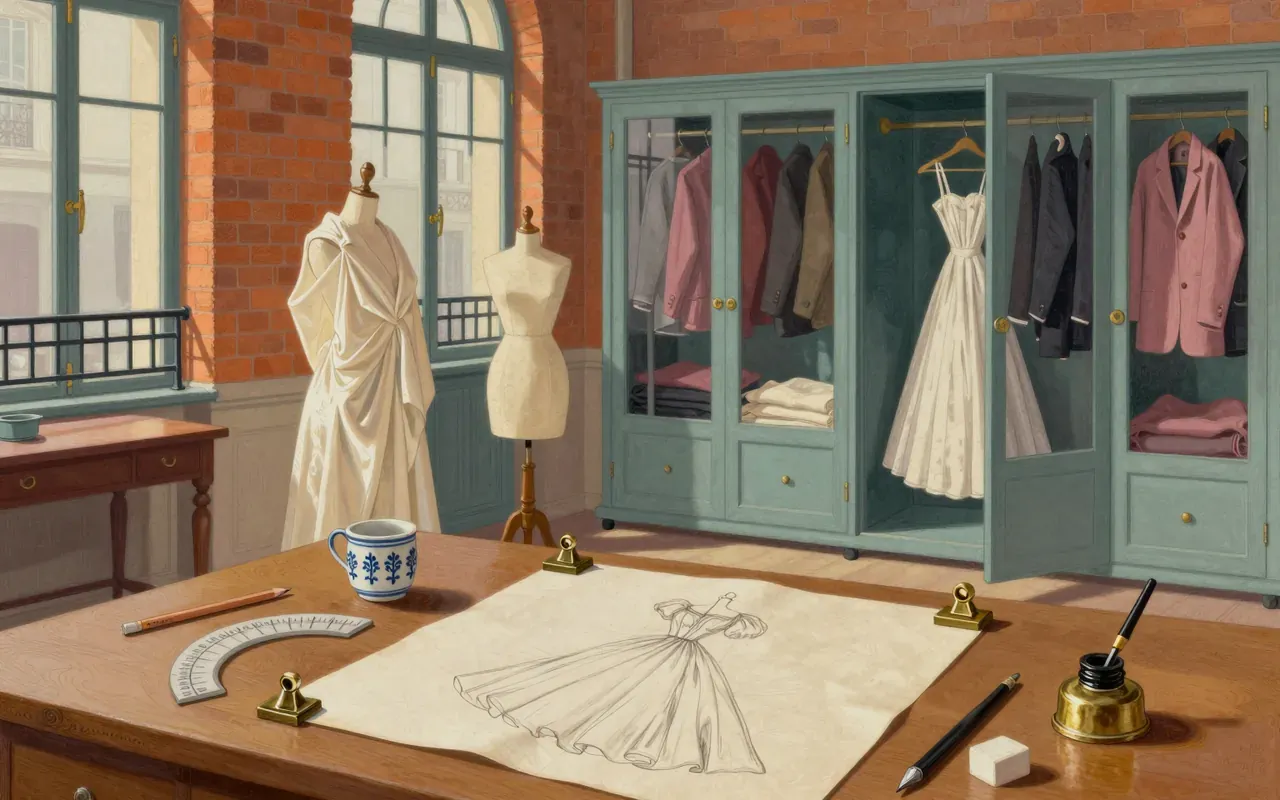
Givenchy’s 1952 launch was a system—not a style. It used raw cotton to make separates scalable, named garments after real women, and built ready-to-wear infrastructure before the term existed. Its later fame with Hepburn is real, but retrospective. The founding act was quieter: pragmatic, precise, and materially inventive.

Chapters & takeaways6
  1. 1:11
    Raw Cotton, Not Silk

    Givenchy launched in 1952 with cheap fabric, expensive ideas: separates cut from raw cotton, not silk.

  2. 2:21
    Instant Acclaim

    Vogue called it 'wonderful'. The New York Times declared him 'a star born' overnight.

  3. 3:28
    Models as Co-Authors

    He named a blouse after Bettina Graziani. Suzy Parker and Dorian Leigh weren’t hired models—they were muses woven into the house’s identity.

  4. 4:40
    The First RTW Infrastructure

    He made the first shirt dress (1954), the first luxury ready-to-wear line (Givenchy Université), and used US-imported machinery to produce it—all in Paris.

  5. 5:54
    Not the Beginning, But the Bridge

    Audrey Hepburn’s Breakfast at Tiffany’s dress and L'Interdit campaign came later—not in 1952—and belong to a second phase.

  6. 7:07
    Geometry After the Foundation

    The balloon coat and baby doll dress (1958) show his shift toward experimental construction—but they postdate the founding premise.

Worth your time?

Yes. Wear the whole thing.

4.5/ 5
What works
  • as a blueprint for luxury production
  • as evidence of post-war material ingenuity
  • as a case study in separating brand from persona
What does not
  • celebrity
  • film
  • fragrance
Wear it if
  • designers
  • material historians
  • production strategists
Skip it if
  • Hepburn fans seeking origin stories
  • retail trend analysts
The written brief1 min read

What the thing is

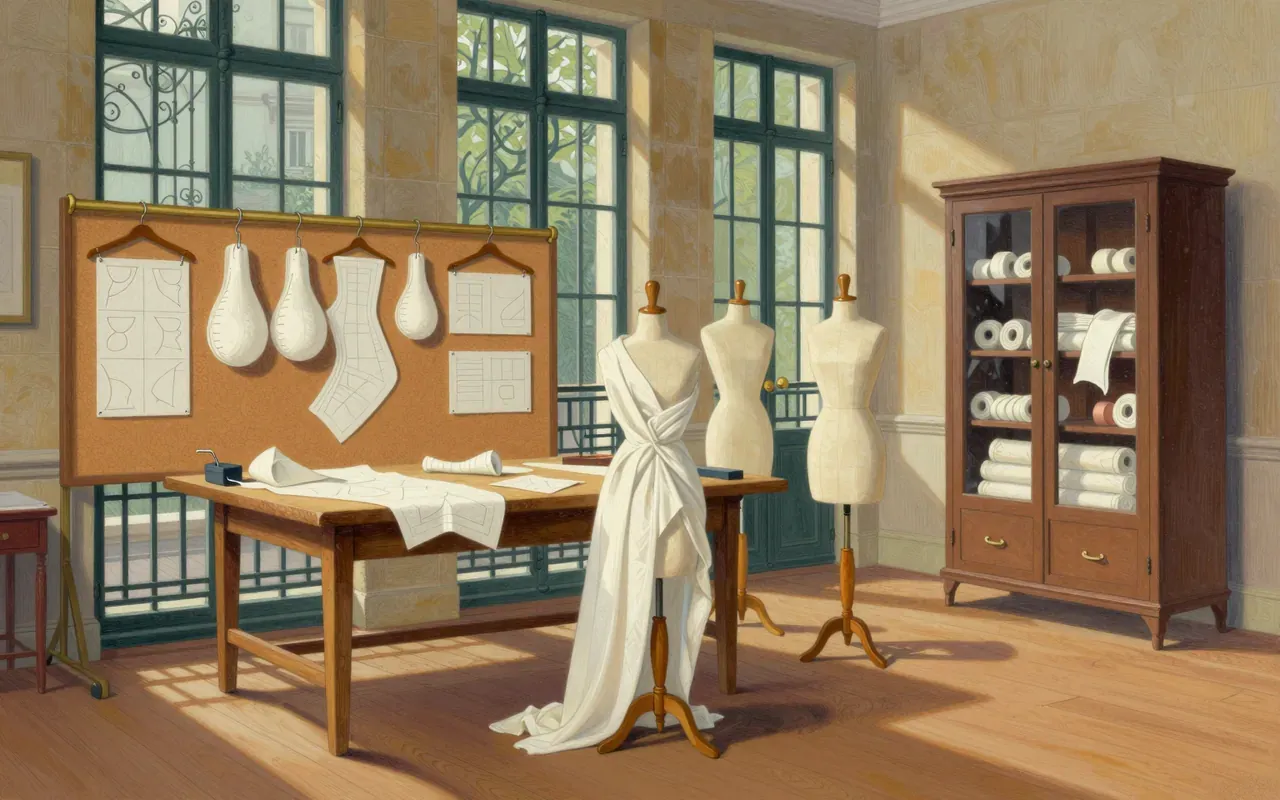
Givenchy is a Parisian fashion house founded in 1952, launching with ‘Les Séparables’: a collection of floaty skirts, puffy blouses, and deep-sleeved white shirts cut from raw cotton.

Where it came from

It came from Hubert de Givenchy’s design house at Plaine Monceau in Paris, launched at age 25 with no backing, using inexpensive shirting cotton to build chic, reproducible separates.

What it gets right

Givenchy redefined luxury by using raw cotton (‘shirting’) for separates, making elegance casual and reproducible. He named garments after models—Bettina Graziani got a blouse—embedding real women into the design logic. His 1952 debut was financially pragmatic (cheap fabrics) but conceptually sharp: versatile, modular, and press-ready.

What it gets wrong

It conflates later cultural weight with 1952 reality. The Audrey Hepburn collaborations—the black dress, L’Interdit, the fragrance campaign—came years later. They are not part of Givenchy’s founding act. Presenting them as foundational distorts the timeline and overstates early intent.

Why it matters now

It matters because Givenchy’s 1952 model—luxury ready-to-wear made in Paris with US machinery, rooted in garment typology not just silhouette—prefigures today’s hybrid production systems. His separation of couture craft from exclusivity remains structurally relevant.

Is it worth your time

Yes—if you care about how fashion’s structural innovations were built by material choices, not just celebrity associations.
Same rail · Houses & movements4 of 61
8:35
10 Corso Como10 Corso Como is a Milan-based cultural retail institution founded in 1990 by Carla Sozzani, evolving from an art gallery and bookshop into a multidisciplinary complex integrating art, fashion, design, cuisine, and hospitality; it expanded internationally starting in 2002 with locations in Tokyo, Seoul, and Shanghai, all bearing design input from Kris Ruhs, and underwent ownership transitions in 2017 and 2020 while retaining Sozzani’s artistic direction.
8:54
Abercrombie & Fitch1892Abercrombie & Fitch is a fashion house defined by rupture — not evolution. Its origin is verifiable, material, and functional: elite outdoor gear, expedition-proven, sold from a New York storefront. Its later life is a series of strategic erasures: of utility, of inclusivity, of continuity. It trades on nostalgia without replicating its source. Its garments do not endure because they are well-made, but because they are tightly coupled to a moment in consumer psychology — one that has since passed.
10:13
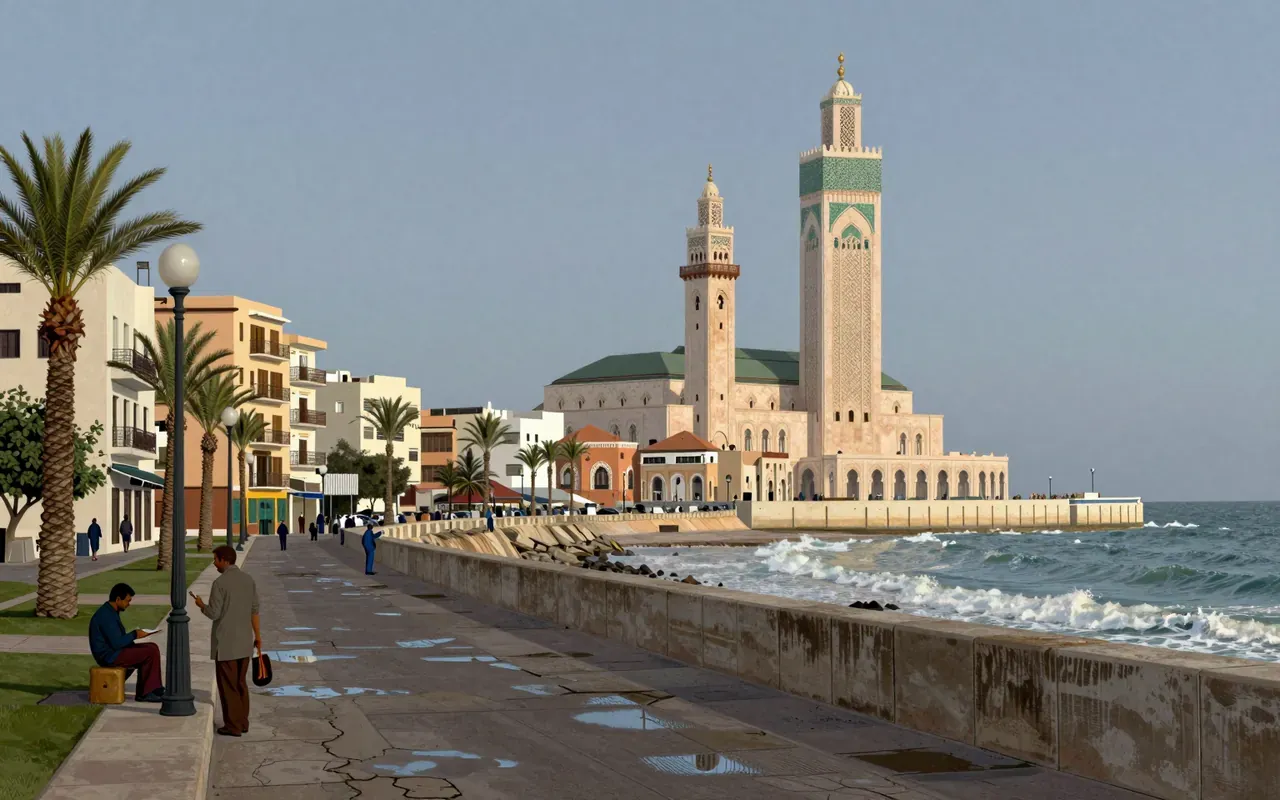
CasablancaCasablanca is a city. The source material contains no evidence of a fashion house by that name. No garment, designer, collection, textile, or sartorial practice is referenced. All claims pertain to geography, finance, industry, and infrastructure.
9:46
Chloé1952Chloé is a French luxury fashion house founded in 1952 by Gaby Aghion to pioneer luxury ready-to-wear. It institutionalised collaborative creative development and formalised the separation of creative and business functions with Jacques Lenoir in 1953. Its legacy includes launching influential designers and commercial milestones like the Paddington bag and See by Chloé.
Up next in Fashion

Gucci

Guccio Gucci · 1921 · 9:07

Gucci began as a sanctioned-era salvage operation—not a luxury brand.

9:07