fashionbriefs
9:28in productionCh. 1 · Corolla: 90 garments, one idea/ 9:28 · ceiling 15 min
Houses & movements

Christian Dior

Dior didn’t liberate women — he re-enchanted the corset and renamed it spring.

Christian Dior’s work from 1947–1957 redefined fashion as seasonal, named, and nationally symbolic — not personal style, but statecraft in cloth.

Chapters & takeaways4
  1. 1:17
    Corolla: 90 garments, one idea

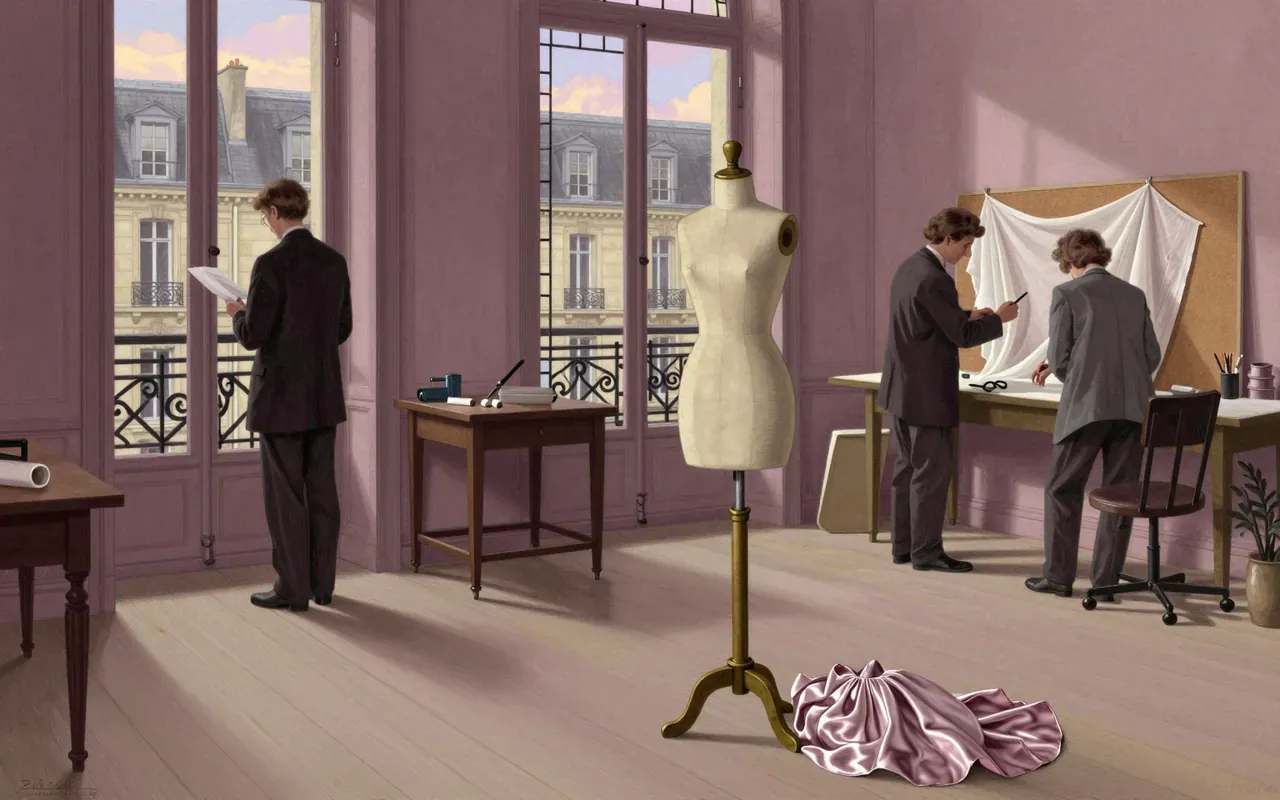
    The Corolla collection was not a single garment but 90 ensembles built around a floral, anti-austerity silhouette.

  2. 2:26
    Not new. Named.

    ‘The New Look’ was a label applied by Carmel Snow — and it stuck for five years, even though Dior refined existing trends, not invented them.

  3. 3:44
    The machinery beneath the flower

    Achieving the look required so many undergarments it warranted a Pathé News short film.

  4. 4:58
    Seasonal syntax

    From 1948 to 1957, Dior launched a new named line each season — A-Line, H-Line, Y-Line — turning silhouette into a calendar.

Worth your time?

Yes. Wear the whole thing.

4.5/ 5
What works
  • culture/fashion
  • culture/society
  • culture/ideas
What does not
  • culture/arts
  • culture/literature
  • culture/photography
Wear it if
  • designers
  • historians
  • retail-strategists
Skip it if
  • casual-viewers
  • teenagers
  • activists
The written brief1 min read

What the thing is

Christian Dior is a fashion house founded in 1946, defined by the 1947 Corolla collection and its sequenced seasonal silhouette lines through 1957.

Where it came from

It came from Granville, Normandy. It emerged in post-war Paris as a deliberate counter to austerity, drawing on Edwardian references and refining trends that had gathered since the 1930s.

What it gets right

Dior restored Paris as fashion’s capital by treating clothing as French heritage, not commerce. He replaced wartime uniformity with deliberate, floral femininity rooted in Edwardian structure. His seasonal lines codified silhouette as language.

What it gets wrong

He displaced practicality with artifice. The New Look demanded complex undergarments — a visible, film-worthy constraint — and offered no accommodation for women’s changing roles beyond the domestic ideal.

Why it matters now

It matters now because it established fashion as a time-bound, serial discipline — not just dress, but named, scheduled, repeatable form — a template still used in global luxury retail.

Is it worth your time

Yes — if you want to understand how fashion reasserted cultural authority after war, not as self-expression but as disciplined, seasonal architecture of the body.
Same rail · Houses & movements4 of 69
Up next in Fashion

Comme des Garçons

Rei Kawakubo · 1969 · 10:56

Comme des Garçons didn’t expand fashion—it declared war on its assumptions.

10:56