fashionbriefs
9:02in productionCh. 1 · The injury/ 9:02 · ceiling 15 min
Footwear

Dr. Martens

Dr. Martens was invented for sore ankles — not punk, not protest, not fashion.

Dr. Martens is a functional footwear innovation repurposed as cultural symbol — its origins in rehabilitation and post-war scarcity are routinely overwritten by its later adoption elsewhere.

Chapters & takeaways4
  1. 1:02
    The injury

    A German Army doctor designed the boot to relieve his own ski injury — not to start a movement.

  2. 2:33
    The materials

    He built the first pair from scavenged leather; the business launched with discarded rubber in Seeshaupt.

  3. 3:52
    The first customers

    Eighty percent of early sales went to women over 40 — not teenagers, not workers, not rebels.

  4. 5:16
    The 1460

    The UK 1460 boot launched on 1 April 1960 — and has never stopped being made.

Worth your time?

Yes. Wear the whole thing.

4.5/ 5
What works
  • comfort
  • waste-material use
  • scalable manufacturing
What does not
  • punk
  • youth
  • rebellion
  • subculture
Wear it if
  • women over 40
  • people with foot pain
  • post-war German consumers
Skip it if
  • teenagers
  • musicians
  • activists
The written brief1 min read

What the thing is

A boot with an air-cushioned sole, patented in Germany in 1947, trademarked in the UK in 1960 as style 1460.

Where it came from

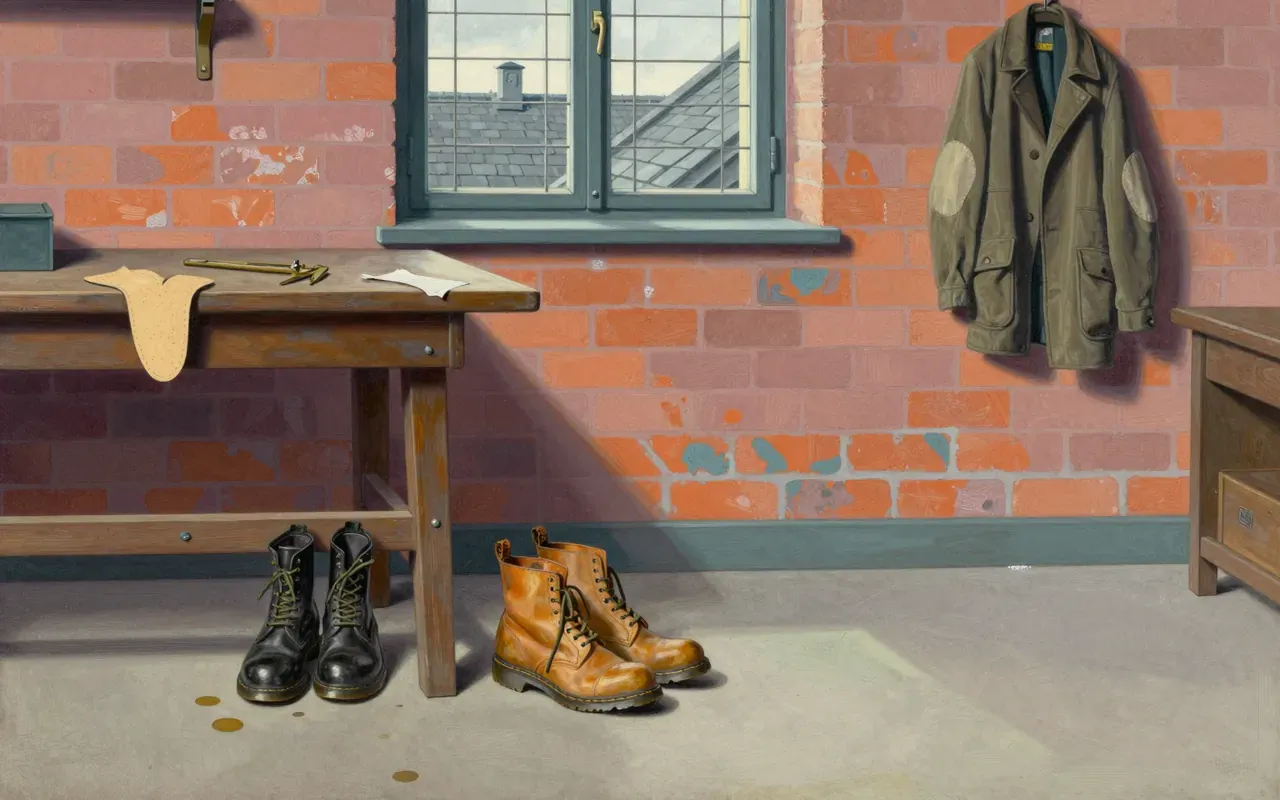
Klaus Märtens, a German Army doctor, designed it after injuring his ankle skiing in 1945. He built the first pair himself in post-war Germany using leather bought from a shoemaker’s shop.

What it gets right

It solved a real physical problem: post-war foot pain. Air-cushioned soles delivered measurable comfort. It used waste materials — scavenged leather, discarded rubber — as a matter of necessity, not ideology.

What it gets wrong

It was never made for youth, rebellion or subculture. Its early identity was orthopaedic, domestic and middle-aged. Its later associations displace its actual origin and first users.

Why it matters now

It shows how a utilitarian object can be severed from its makers, users and context — then reascribed with meaning by others who had no hand in its creation.

Is it worth your time

Yes — if you care about how functional design migrates into cultural shorthand without intending to.
Same rail · Footwear4 of 23
9:37
Tod's1920Tod's is a footwear-first Italian house whose foundational garment — the 1979 Gommino loafer — is a documented reinterpretation of The Original Car Shoe. Its identity was built on industrialisation, American branding, and expansion through sister labels. Its reputation rests uneasily between craft lineage and contested claims of origin and production.
8:50
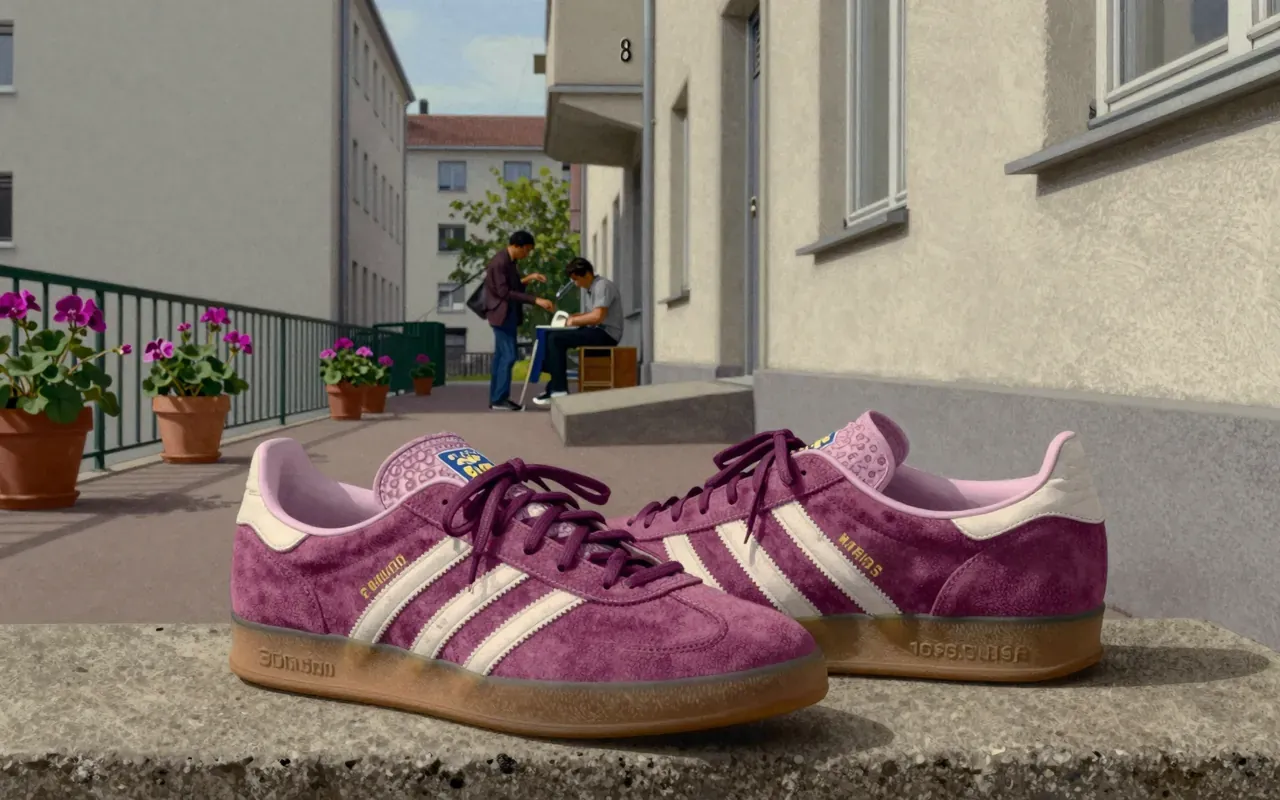
Adidas GazelleThe Gazelle is a functional pivot point: Adidas’s first suede shoe, built for training, split by environment, then repurposed for handball. Its strength is specificity—not versatility, not legacy.
8:15
Adidas SambaThe Adidas Samba is a functional football trainer repurposed. Its strength lies in restraint: minimal construction, targeted grip, unembellished materials. Its limits are physical and categorical—it does not adapt beyond its original brief. It belongs in wardrobes that prize intention over novelty.
9:29
Adidas Stan SmithThe Adidas Stan Smith is a tennis shoe launched in 1965. It evolved from Adidas’s first leather tennis shoe, released in 1963. Originally named Adidas Robert Haillet, it was renamed in 1978 after American tennis player Stan Smith. It features a white leather upper, no external three stripes, three rows of perforations on each side, minimal Adidas branding, and sometimes a sketched portrait of Stan Smith on the tongue. Its design has remained largely unchanged since introduction, though many versions and colorways exist. Materials are white leather, rubber (pimpled outer sole), and synthetic (inner sole). It was originally manufactured in Landersheim, France. Stan Smith was active from the late 1960s to early 1980s.
Up next in Fashion

Fast fashion

· 8:38

Fast fashion isn’t cheap. It’s offloaded.

8:38