8:38in productionCh. 1 · What it is/ 8:38 · ceiling 15 min
Workwear
Fast fashion
Fast fashion isn’t cheap. It’s offloaded.
Fast fashion is a business model—not a trend, not a phase. It replicates, accelerates, and offloads. Its scale is factual: 36% of global clothing purchases, $178 billion annually. Its methods are documented: quick response manufacturing, small-batch production, influencer-driven social media campaigns. Its harms are legal and material: labour exploitation, greenwashing, dangerous goods, IP violations. It displaced slower, more accountable models—not by being better, but by being faster to market and slower to answer for consequences.
It is not a style—it is a production logic that treats trends as data points to be copied, not ideas to be interpreted.
1:46
How it works
Small batches, surplus capacity, and real-time sales adjustments let fast fashion retailers pivot faster than traditional apparel.
2:47
How it sells
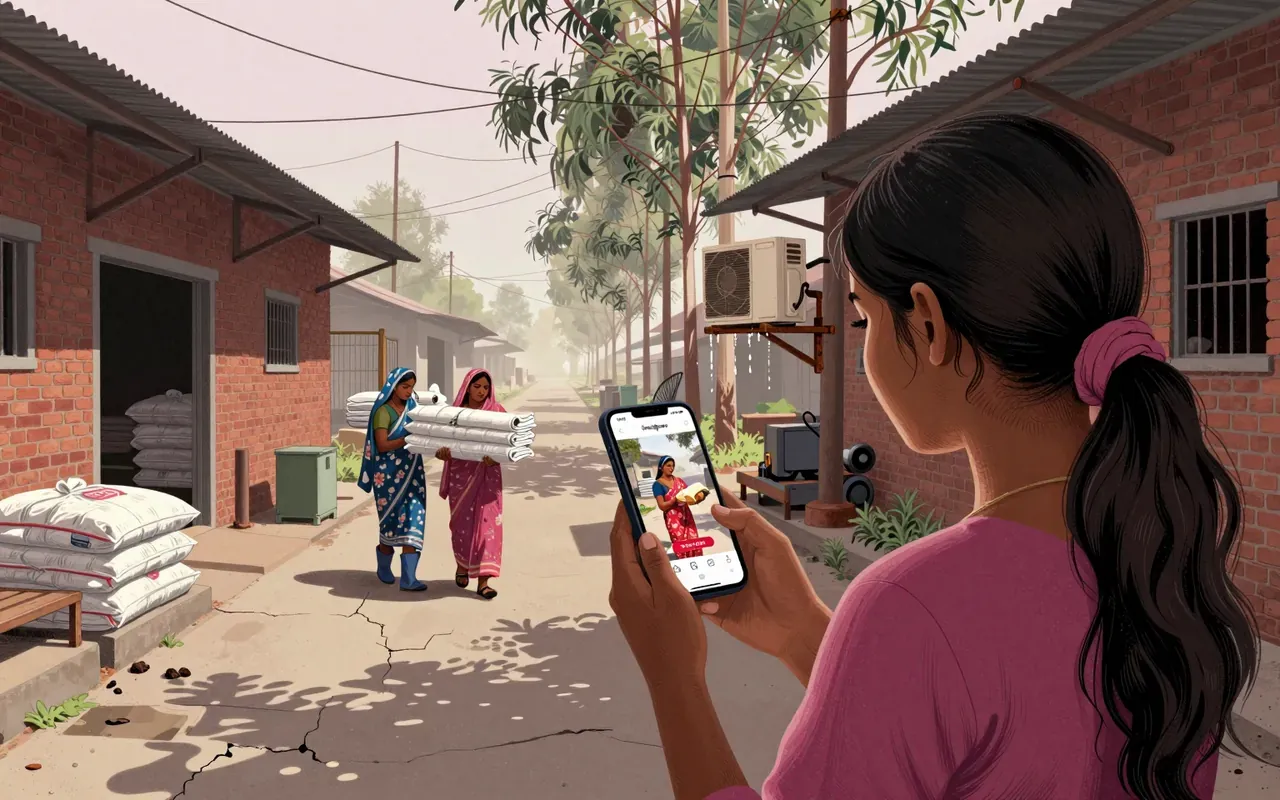
Social media influencers drive demand for styles that vanish from shelves—and consciousness—within weeks.
4:03
How big it is
At $178 billion and 36% of global clothing purchases, fast fashion is no niche—it is the dominant commercial reality.
4:58
Where it breaks
Its legal challenges—over labour, greenwashing, dangerous goods, and IP—are not outliers. They are features.
Worth your time?
Yes. Wear the whole thing.
3.5/ 5
What works
consumer-rights-advocates
environmental-regulators
labour-organisers
What does not
culture/art
culture/literature
culture/photography
culture/movements-and-scenes
Wear it if
consumers
policymakers
retail workers
Skip it if
historians of haute couture
vintage collectors
The written brief1 min read
What the thing is
Fast fashion is a business model built on rapid, low-cost replication of trends using quick response manufacturing and optimised supply chains.
Where it came from
It evolved from utility clothing and tailoring, scaling in the late 20th century.
What it gets right
It delivers trend-aligned clothing to mass consumers faster and cheaper than any prior model.
What it gets wrong
It externalises labour exploitation, environmental damage, and intellectual theft while marketing itself as democratic and progressive.
Why it matters now
It accounts for 36% of global clothing purchases and $178 billion in annual sales—making its legal, environmental, and ethical failures systemic, not marginal.
Is it worth your time
Yes—if you care how clothing reaches you, who pays the real cost, and what ‘affordable’ hides.