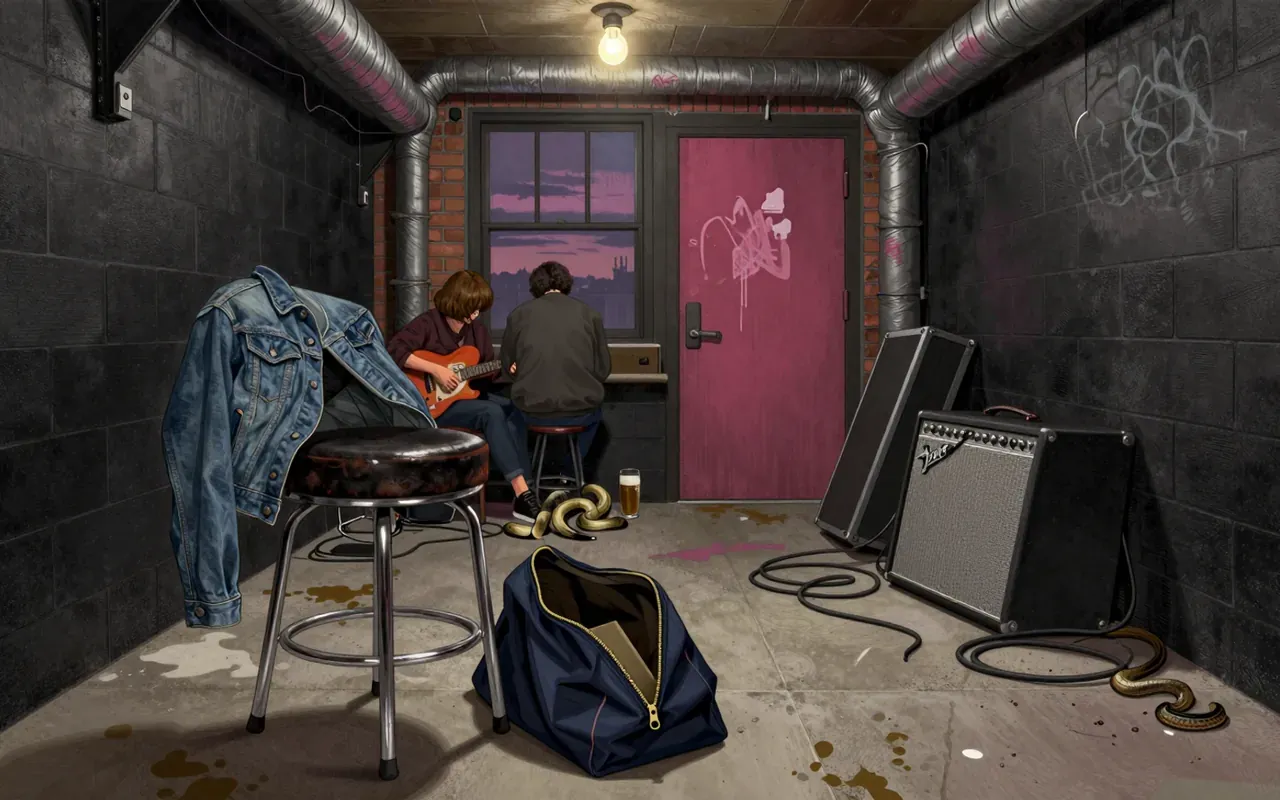
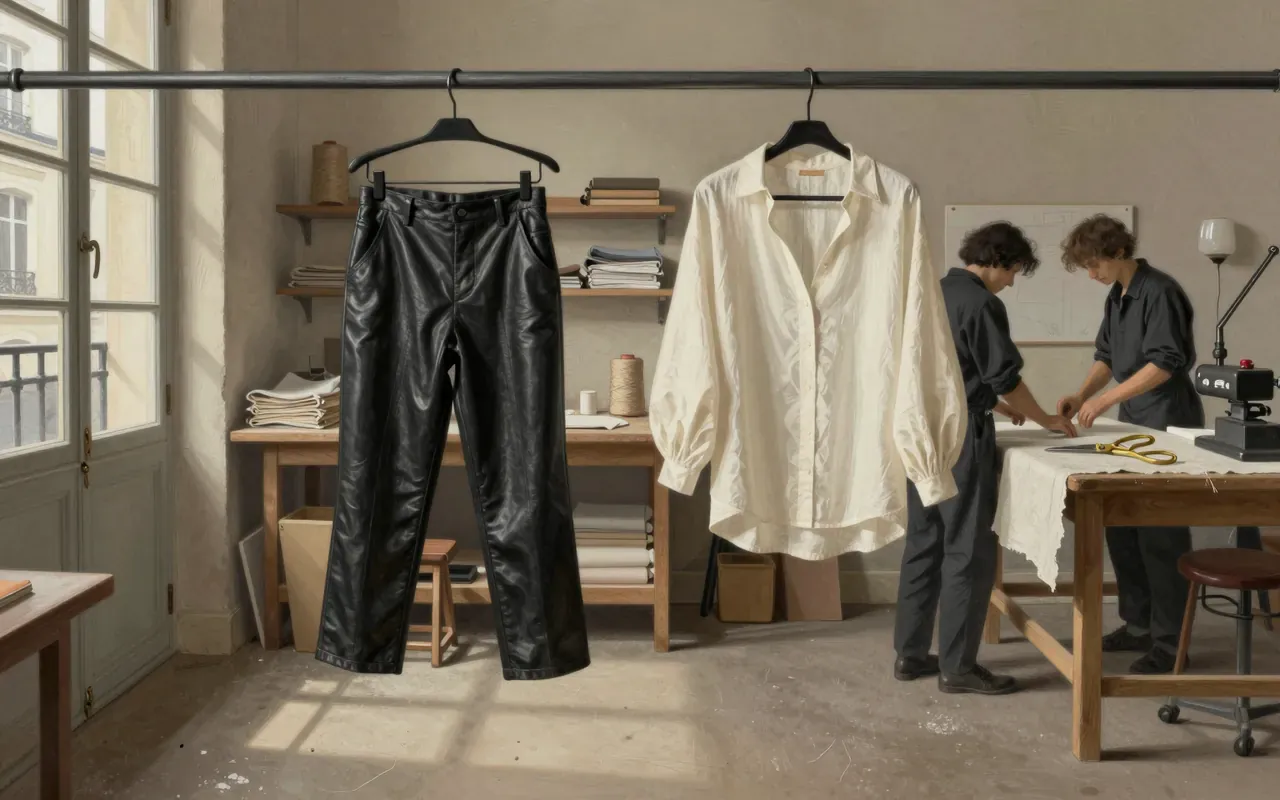
A fashion style with no name in its prime got one online — and turned its own obscurity into its main feature.
Indie sleaze is a fashion style that was popular in the United States and United Kingdom from approximately 2006 to 2012. It originated in the late 1990s and early 2000s amongst New York City's post-punk revival scene. During the 2000s, the style was largely referred to as simply indie style or hipster style. The term 'indie über-sleaze' was coined in 2016. The term was shortened to simply 'indie sleaze' in 2021 by the Instagram account @indiesleaze. Indie sleaze experienced cultural resurgence in the early 2020s as an Internet aesthetic. Indie sleaze was characterised by an affordable, messy and lethargic take on vintage fashion styles, especially the 1970s.
It began in New York’s post-punk revival scene — not as a fashion movement, but as a visual echo of musical influences.
2:45
No name at the time
During its peak, nobody called it 'indie sleaze' — they called it 'indie style' or 'hipster style'.
4:05
A name born online
The term was invented in 2016, then shortened in 2021 — long after the style faded.
5:18
Resurgence as archive
Its 2020s resurgence relied on Instagram and TikTok — not lived experience, but curated images of messy, affordable 1970s vintage dressing.
Worth your time?
Yes. Wear the whole thing.
3.5/ 5
What works
as a case study in archival repackaging
as evidence of how naming creates legibility
What does not
define a decade
influence a named artist
start a movement
displace another style
Wear it if
people tracking how aesthetics are named online
those studying the gap between lived style and retrospective branding
Skip it if
anyone seeking historical influence
those looking for stylistic innovation
The written brief1 min read
What the thing is
Indie sleaze is a retroactively named Internet aesthetic built around photos of early-2000s indie rock fans and bands wearing dishevelled 1970s-inspired clothes.
Where it came from
It originated in the late 1990s and early 2000s among New York City’s post-punk revival scene — bands like the Strokes, Yeah Yeah Yeahs and Interpol — before spreading across the US and UK as ‘indie style’ or ‘hipster style’.
What it gets right
It correctly identifies a real visual pattern: affordable, lethargic 1970s vintage dressing among US and UK indie rock scenes from 2006–2012.
What it gets wrong
It misattributes coherence and intention to a style that had no shared name during its peak — ‘indie sleaze’ did not exist as a label until 2016, then only as ‘indie über-sleaze’, then only as a social media handle in 2021.
Why it matters now
It matters now because it shows how digital archives repackage unlabelled cultural moments into searchable, shareable aesthetics — flattening context, erasing ambiguity, and turning anonymity into nostalgia.
Is it worth your time
It is worth your time if you want to understand how a nameless, messy fashion style became a branded Internet aesthetic through retroactive naming — not because it was influential, but because it was retrievable.