fashionbriefs
8:11in productionCh. 1 · A calendar, not a carnival/ 8:11 · ceiling 15 min
Houses & movements

Milan Fashion Week

1958

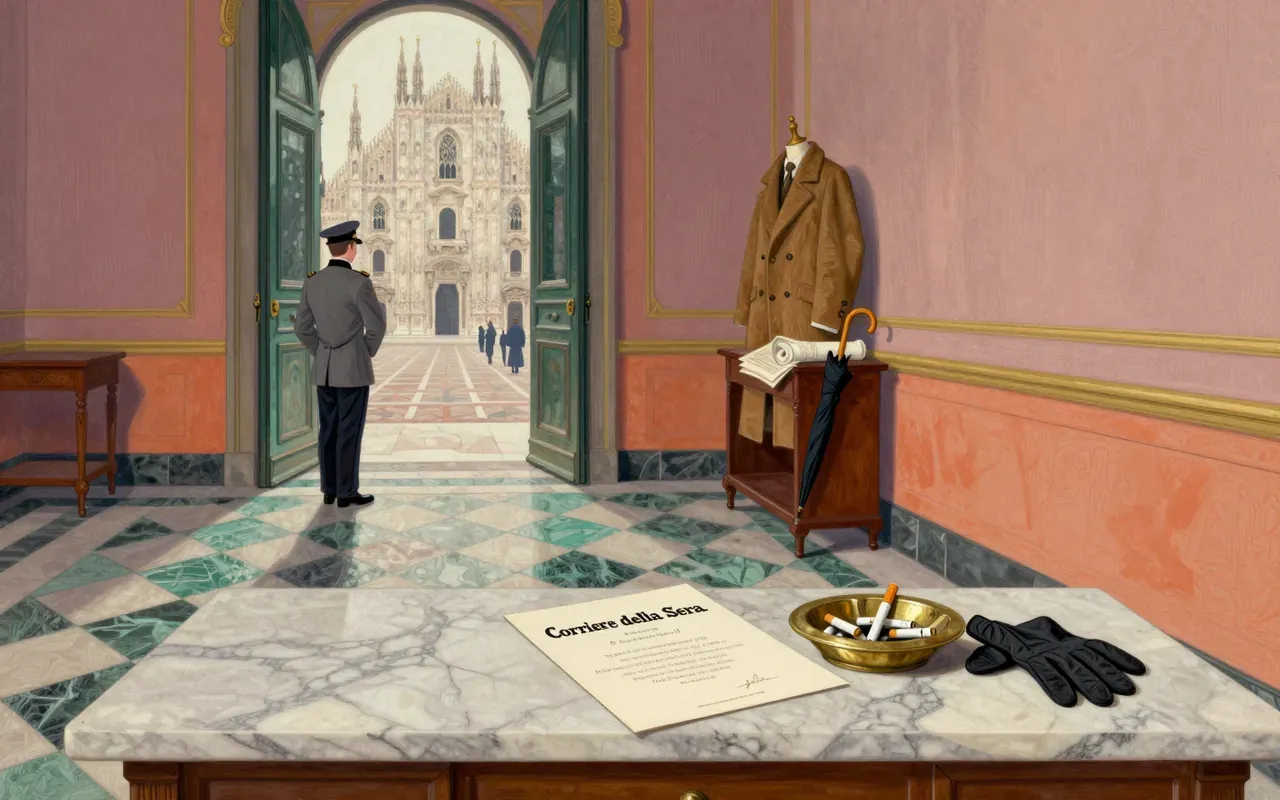
Milan Fashion Week didn’t launch Italian style—it launched Italian industry.

Milan Fashion Week is not about glamour. It is about timing, trade, and institutional discipline. It was built to sell clothes—not ideas.

Chapters & takeaways4
  1. 1:00
    A calendar, not a carnival

    It is a trade show—not a festival or runway spectacle—with fixed seasonal timing.

  2. 2:06
    Third in line, not first in mind

    It occupies the third slot in the Big Four, after New York and London, before Paris.

  3. 3:30
    Born from a syndicate

    It began in 1958 with a trade union for fashion—designed to coordinate, not celebrate.

  4. 4:55
    Shared control, not central command

    The National Chamber of Italian Fashion runs it—but only partially.

Worth your time?

Yes. Wear the whole thing.

4/ 5
What works
  • coordinating-industry
  • setting-global-calendar
  • standardising-seasonality
  • promoting-national-brand
What does not
  • art-deco
  • haute-couture
  • avant-garde
  • subcultures
Wear it if
  • designers
  • buyers
  • textile-manufacturers
Skip it if
  • general-public
  • critics
  • collectors
The written brief1 min read

What the thing is

Milan Fashion Week is a semi-annual clothing trade show. It showcases autumn/winter fashions in February/March and spring/summer fashions in September/October.

Where it came from

It began in 1958 with the founding of the Camera Sindacale della Moda Italiana on 11 June. That body became the National Chamber of Italian Fashion, which partially organises the event.

What it gets right

It established Italy as a coordinated fashion economy. It gave designers a fixed calendar, shared infrastructure, and collective representation.

What it gets wrong

It sidelined regional craft traditions in favour of industrial scalability. It prioritised commercial readiness over experimentation.

Why it matters now

It codified the global fashion calendar still used today. Its sequence—New York, London, Milan, Paris—remains unchallenged.

Is it worth your time

Yes—if you need to understand how fashion became a structured, national export industry rather than a collection of ateliers.
Same rail · Houses & movements4 of 69
Up next in Fashion

Naomi Campbell

· 10:20

Campbell didn’t break barriers—she exposed them, one Vogue cover at a time.

10:20