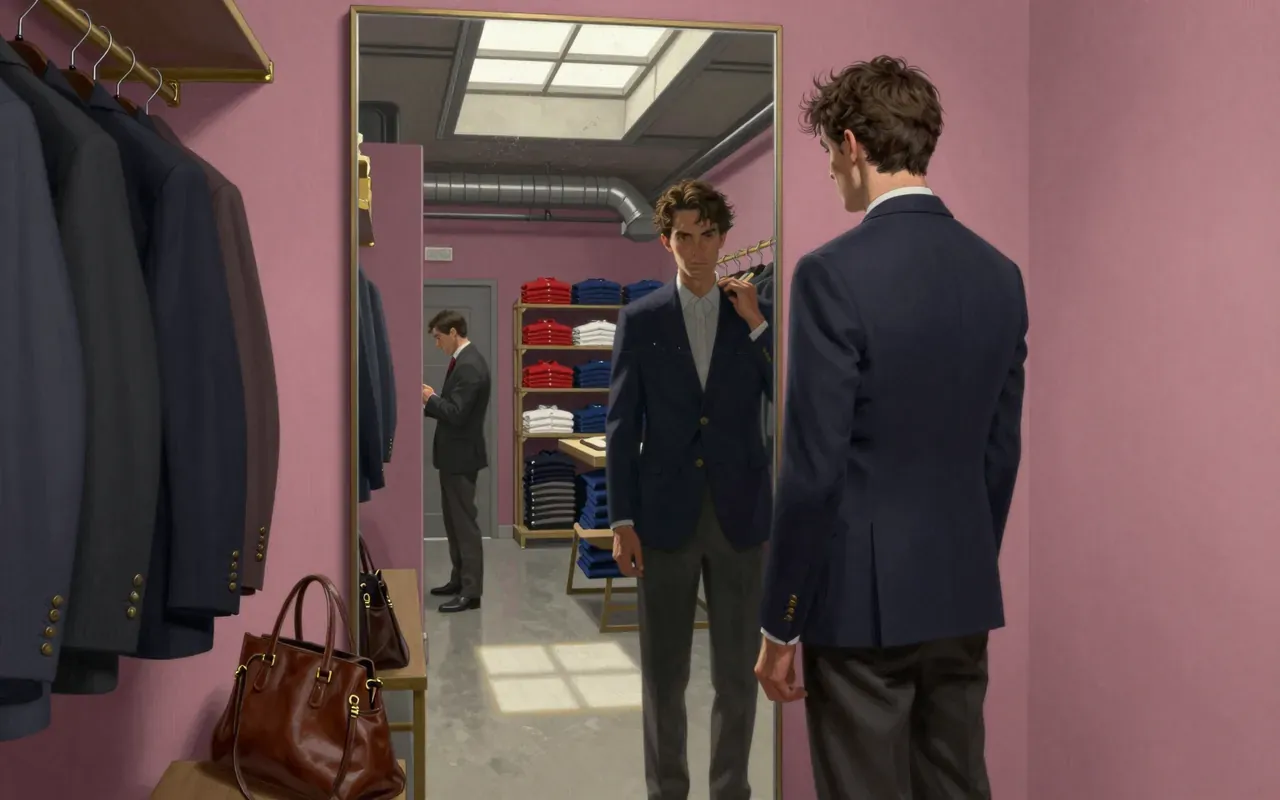
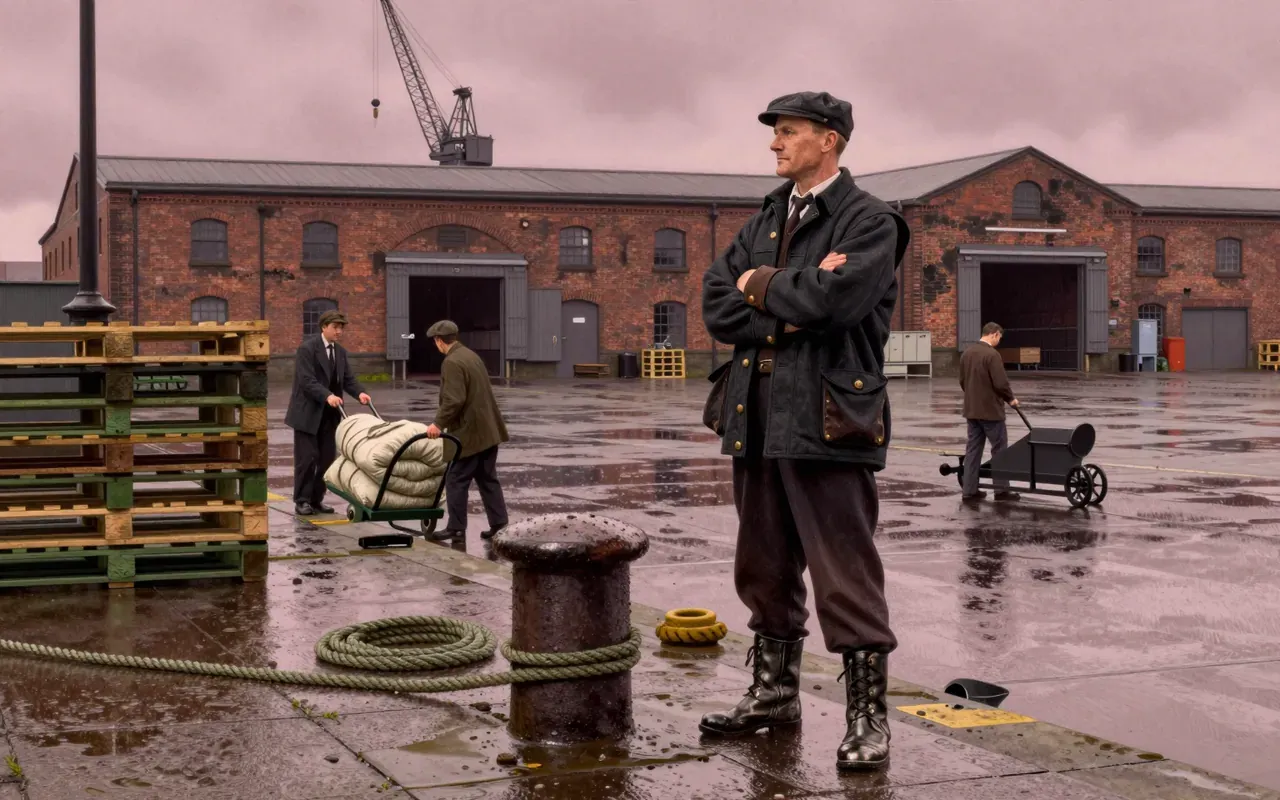
Preppy wasn’t born on Ivy League quads—it was rebuilt in Times Square after a bankruptcy.
Tommy Hilfiger is not a story of creative rupture. It is a case study in post-failure repositioning: a bankrupt retailer turned branded sportswear system, funded by Murjani, then Chou, staffed by Ralph Lauren veterans, and sold via spectacle before substance.
He started with $150. He ended up bankrupt in six years.
2:13
The 1984 deal
Murjani didn’t back a designer—he backed a men’s sportswear line.
3:28
Billboard before boutique
The first campaign wasn’t in magazines—it was a George Lois billboard in Times Square.
4:42
Ex-Ralph Lauren, Inc.
In 1989, Ralph Lauren’s executives joined—not to innovate, but to scale.
Worth your time?
Yes. Wear the whole thing.
3.5/ 5
What works
as a model of commercial resilience
as a lens on 1980s brand-as-lifestyle logic
What does not
influence hip-hop culture
define 1990s streetwear
launch with women's line
originate in New York City
Wear it if
young American men seeking accessible status symbols
retail investors betting on lifestyle branding
Skip it if
subcultural designers
anti-corporate fashion practitioners
The written brief1 min read
What the thing is
Tommy Hilfiger is a menswear brand launched in 1985, built on preppy motifs, high-visibility marketing, and executive talent poached from Ralph Lauren.
Where it came from
It emerged from the ashes of People’s Place—a $150-upstart store Hilfiger co-founded in upstate New York in 1971, which bankrupted in 1977.
What it gets right
It codified preppy as mass-market sportswear. It treated clothing as lifestyle advertising before the term existed.
What it gets wrong
It displaced regional youth style with a homogenised, corporate version of ‘American’. It offered no structural critique—only aesthetic repackaging.
Why it matters now
It shows how post-bankruptcy reinvention became a template: not through subversion, but through rebranding existing hierarchies as aspirational.
Is it worth your time
Yes—if you want to understand how preppy American branding was built by bankruptcy, billboard, and ex-Ralph Lauren executives.