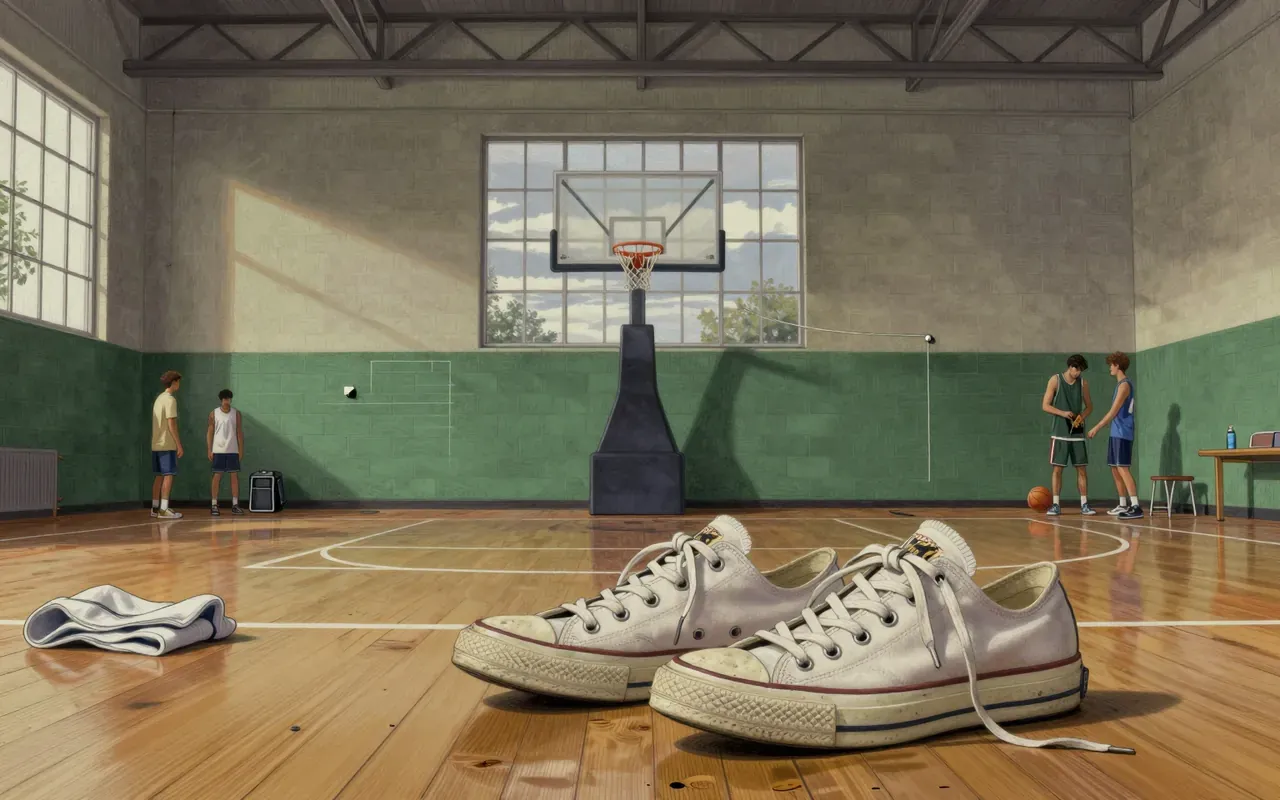
What the garment is and where it came from
A basketball shoe launched in 1917 as ‘Non-Skids’, redesigned in 1922 with Chuck Taylor’s input for flexibility and ankle support, and standardised by the 1950s.
How it works, in terms someone would actually use
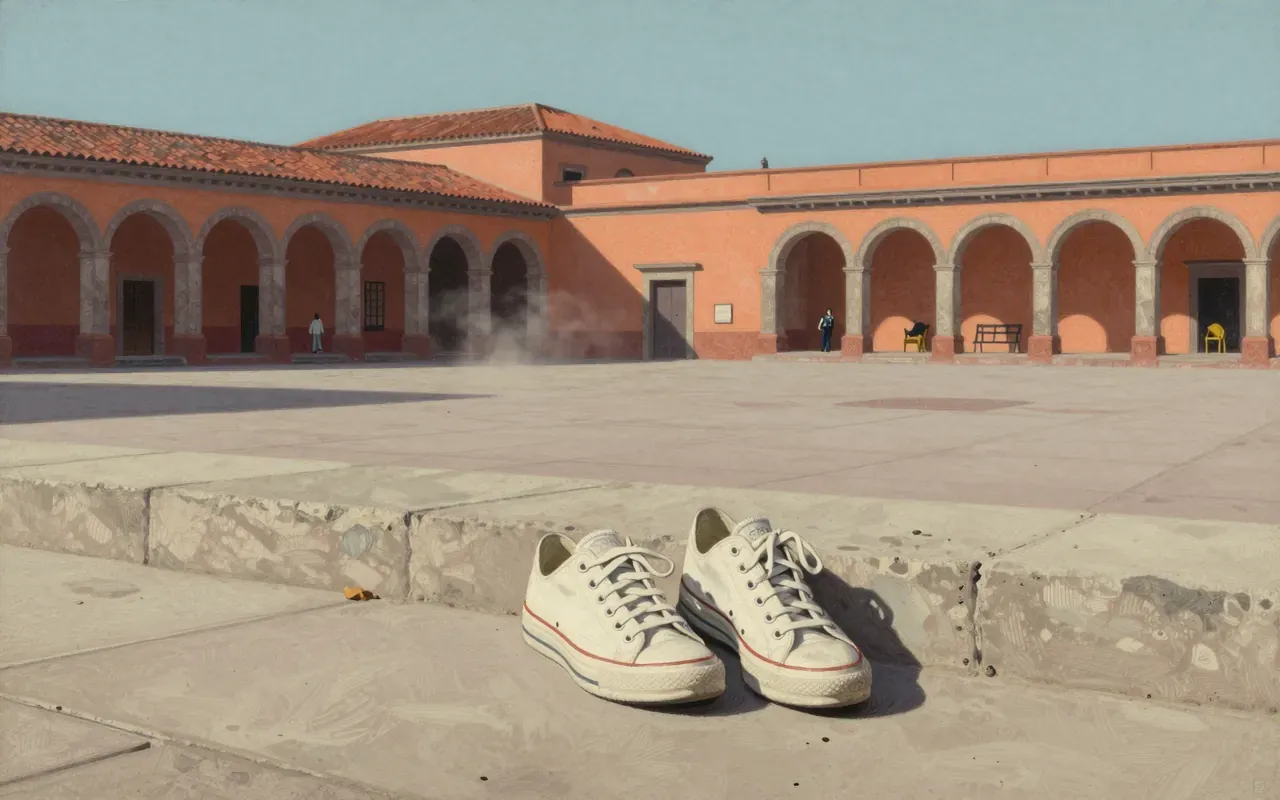
It grips the foot with a stitched cotton canvas upper. The rubber toe cap and outsole resist abrasion on hardwood and pavement. The loose canvas lining moves with the foot to reduce blistering.
What it gets right
It anchors the foot without constriction. It uses minimal materials—cotton canvas, rubber—to deliver durability, breathability and repairability. Its flat sole and low stack height keep the wearer grounded.
What it does not
It does not support modern basketball demands. It does not prioritise cushioning, lateral stability or energy return. It does not adapt its foundational shape for biomechanical precision.
What it changed
It made basketball footwear standard across high school, collegiate, and professional levels by the 1950s. It shifted from sport-specific tool to cultural signifier after 1979.
Who it is for, and who it is not
It is for people who value consistency over iteration. It is not for athletes requiring injury prevention or propulsion. It is not for those who need arch support, motion control or thermal regulation.
Is it worth your time
Yes—if you want footwear that signals continuity, not innovation; utility, not performance; and subcultural shorthand, not athletic credibility.