What the thing is
Ellesse is an Italian sport apparel company.
Where it came from
It began in 1959 in Perugia, Umbria, founded by Leonardo ‘Mantis’ Servadio.
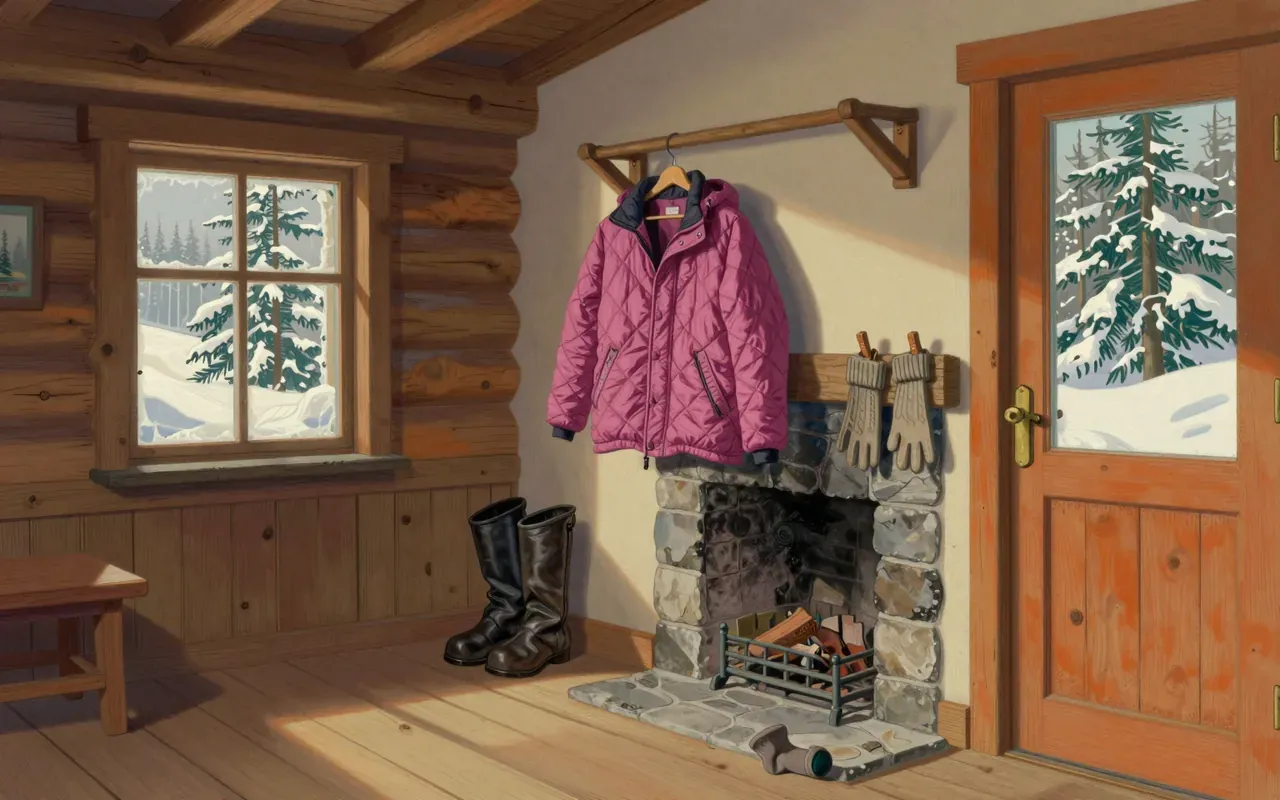
He founded it on 19 June 1959. The name comes from his initials, “L.S.”, which are spoken “elle” and “esse” in Italian. Ellesse grew in popularity during the 1970s as a producer of skiwear such as quilted jackets and ski pants.
What it gets right
It placed the logo on the outside before it was standard. It made skiwear legible as fashion in a museum.
The Jet Pant was a ski pant with padded knees and a wide lower leg cut to fit around a ski boot. The company’s logo references the form of a tennis ball with the shape of the tips of a pair of skis, and tennis is the other sport Ellesse has been closely associated with since its early years. Through the 1970s and 1980s it gained a reputation for combining sportswear functionality with street-level fashion styling. In the mid-1980s the French designer Jean-Charles de Castelbajac worked with the company, an early collaboration between a sportswear company and a fashion designer. The UK casuals adopted the brand in the 1980s, as premium sportswear took off across British lad culture.
What it gets wrong
It did not pioneer sportswear-fashion collaboration in absolute terms—only early external logo placement and early collaborations are verified.
Why it matters now
Its Jet Pant appeared in a 1979 Pompidou Centre exhibition—proof that sportswear entered high design discourse before streetwear branding became dominant.
The brand has been tied to athletes across sports. Tennis players Chris Evert, Boris Becker and Mats Wilander, the skier Marc Girardelli and the Formula 1 driver Alain Prost are among those who endorsed it, and it manufactured the kits for the New York Cosmos in the 1980s. Pentland Group, a British brand management company, had been its UK distributor since 1981 and in 1994 bought 90% of the shares for £20 million, with Servadio keeping 10%. Pentland, which also owns Berghaus and Speedo, now licenses the Ellesse name to partners in countries around the world, who make and distribute the products in their territory.
Is it worth your time
Yes—if you care about how sportswear became a language of status, not just function.