fashionbriefs
9:21in productionCh. 1 · Where it stands/ 9:21 · ceiling 15 min
Tailoring

H. Huntsman & Sons

1849

Bespoke is not customisation — it is the refusal to let a garment settle.

Huntsman is a high-end fashion house and bespoke tailor located at No. 11 Savile Row, London.

Chapters & takeaways4
  1. 0:58
    Where it stands

    Huntsman is a high-end fashion house and bespoke tailor located at No. 11 Savile Row, London.

  2. 2:58
    How it starts

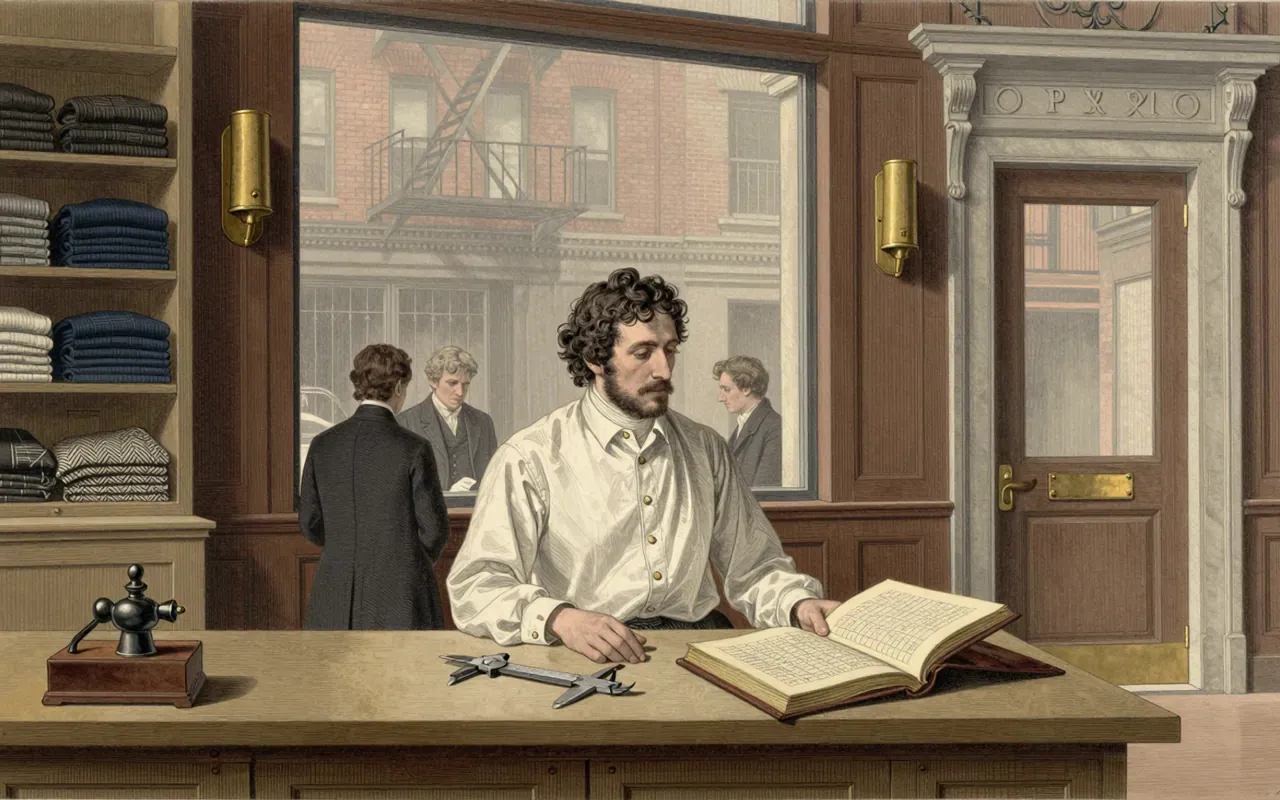
    The process begins with a consultation led by the Bespoke Clients Manager, not with fabric swatches or online forms.

  3. 4:26
    How it builds

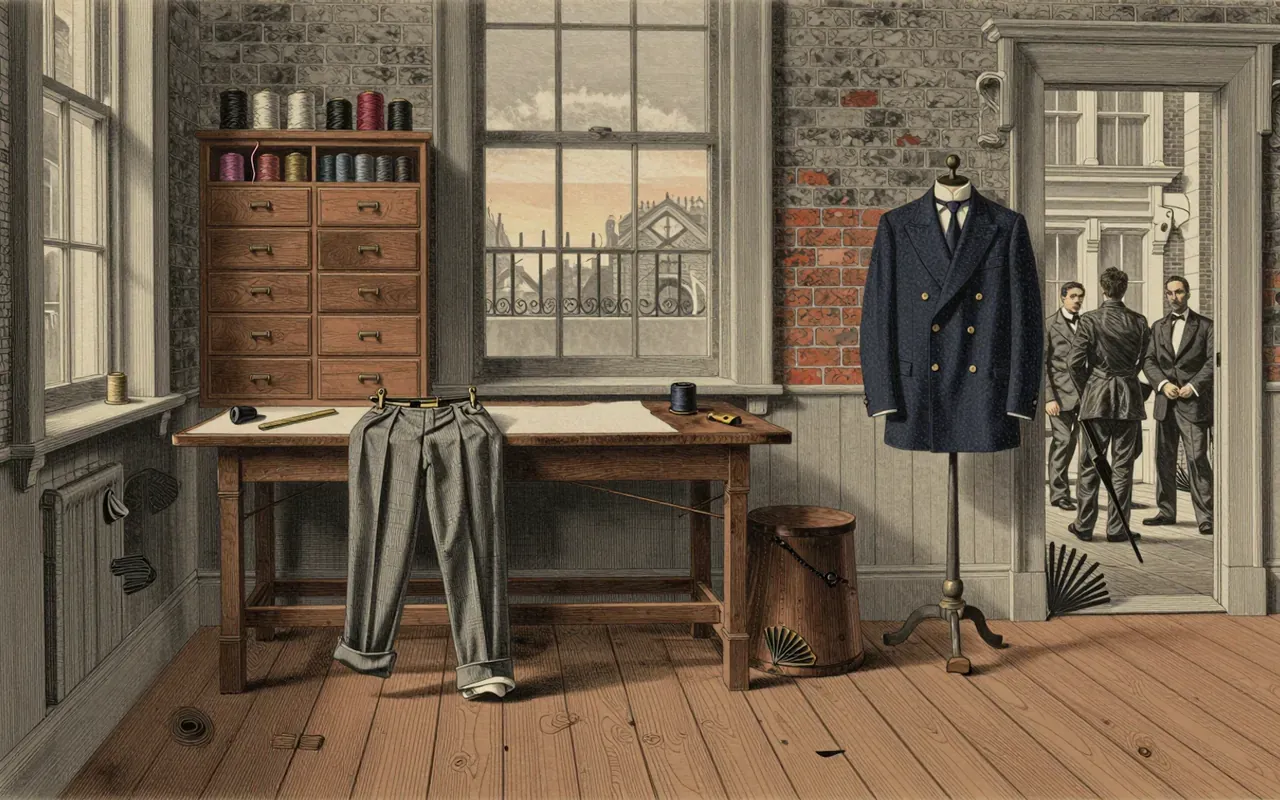
    Thirty measurements become a brown paper pattern, chalked onto cloth, cut, and sewn into a raw three-dimensional form — before any fitting.

  4. 5:26
    How it resolves

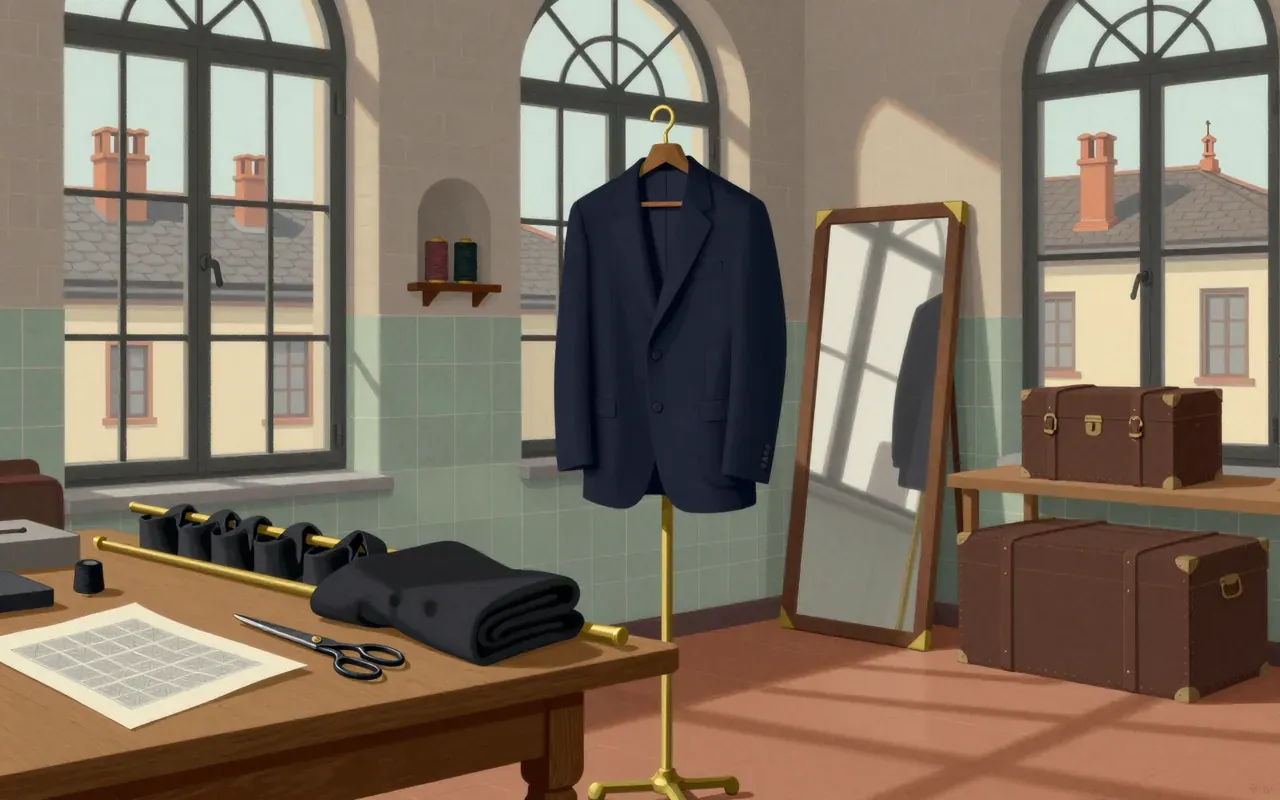
    After the first fitting, the basted garment is flattened, re-cut, refitted, then given structure, hand-set sleeves and felled lining.

Worth your time?

Yes. Wear the whole thing.

4.5/ 5
What works
  • the relationship between measurement precision and structural integrity
  • codifying the multi-stage, iterative fitting process as standard for English bespoke tailoring
What does not
  • offer speed, anonymity or scale
  • simplify the process for digital commerce or mass production
  • reduce the number of fittings, measurements or hand operations
Wear it if
  • people who treat a suit as a long-term physical record of their body’s changes
  • those who accept that fit is not fixed but negotiated across multiple fittings
Skip it if
  • those who prioritise immediacy, uniformity or self-service
The written brief1 min read

What the garment is and where it came from

A bespoke suit made at No. 11 Savile Row, London, since 1849, for gentlemen and ladies, using traditional brown paper patterns, hand-set sleeves, and felled linings.

How it works, in terms someone would actually use

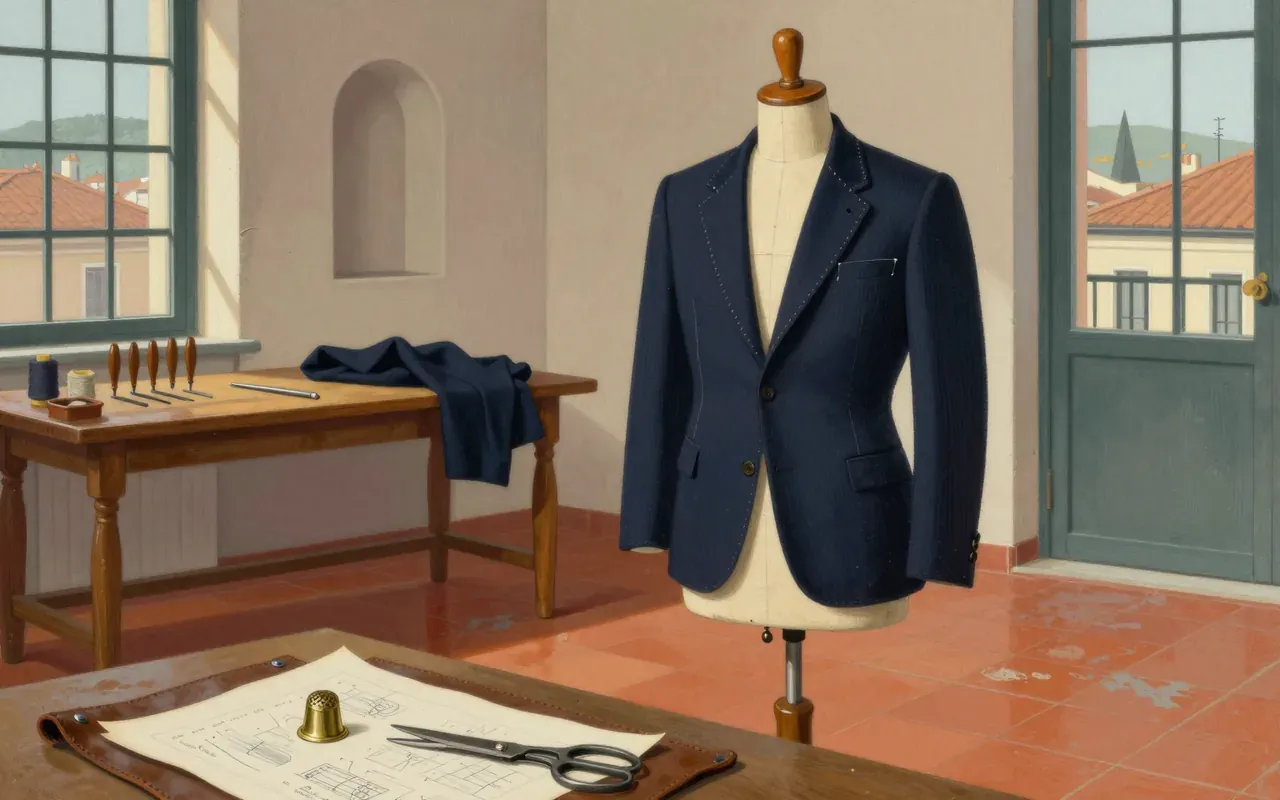
A client meets the Bespoke Clients Manager for consultation, then undergoes a 30-measurement process. A brown paper pattern is drafted, chalked onto chosen cloth, and cut. The suit is sewn into its raw three-dimensional form for the first fitting. After that, it is re-cut in two dimensions and refitted. Structure is added, sleeves set by hand, lining felled in.

What it gets right

It gets right the relationship between measurement precision and structural integrity: 30 measurements anchor a pattern that can be re-cut, re-fitted and re-structured without losing its architectural logic.

What it does not

It does not offer speed, anonymity or scale. It does not simplify the process for digital commerce or mass production. It does not reduce the number of fittings, measurements or hand operations.

What it changed

It codified the multi-stage, iterative fitting process as standard for English bespoke tailoring — re-cutting after first fitting, re-fitting before final assembly, and hand-setting sleeves as non-negotiable steps.

Who it is for, and who it is not

It is for people who treat a suit as a long-term physical record of their body’s changes, and who accept that fit is not fixed but negotiated across multiple fittings. It is not for those who prioritise immediacy, uniformity or self-service.

Is it worth your time

It is worth your time only if you require a garment built to withstand decades of wear, altered repeatedly over time, and anchored in a fixed relationship between cutter, client and cloth.

Same rail · Tailoring4 of 35
9:36
Boglioli1974Boglioli redefined Italian tailoring by removing its bones — not as rebellion, but as recalibration. Its garment-dyed cashmere jacket is a functional object first: soft, adaptable, quietly resistant to formality. It expanded internationally because it offered something rare — luxury without hierarchy, structure without stiffness. The 2010s shift to global branding diluted its regional specificity but widened its utility. Womenswear in 2022 confirmed its logic was transferable, not gendered. It remains tailoring — just unmoored from expectation.
9:50
Brioni (brand)1945Brioni is a Roman tailoring house founded in 1945. It pioneered the modern menswear runway (1952), invented the trunk show and Prêt Couture, and uses 12,000-stitch construction with extensive pressing. It specialises in sartorial ready-to-wear and made-to-measure. Acquired by Kering in 2011. Operates the Scuola di Alta Sartoria in Penne since 1985.
8:45
Brooks Brothers1818Brooks Brothers is fashion’s first logistics operation. It did not craft silhouettes for beauty or rebellion. It built garments for repetition, durability, and cross-context legibility—starting in 1818, scaling in 1849, and refining through cloth, collar, and cut until 1910. Its legacy is not in how clothes look, but in how they arrive: standardised, sourced, and ready.
10:39
Canali1934Canali is an Italian luxury menswear brand founded in 1934 by brothers Giovanni and Giacomo Canali. It pioneered mechanised cutting in the 1970s, shifted from family management in 2007, adopted athlete-led advertising in 2010, reoriented design toward casual 'homey' wear during the pandemic, and closed its Carate Brianza factory in 2017.
Up next in Fashion

Isaia

1920 · 9:42

Isaia tailoring doesn’t hide from the sun—it fights back with colour and coral.

9:42