What the garment is and where it came from
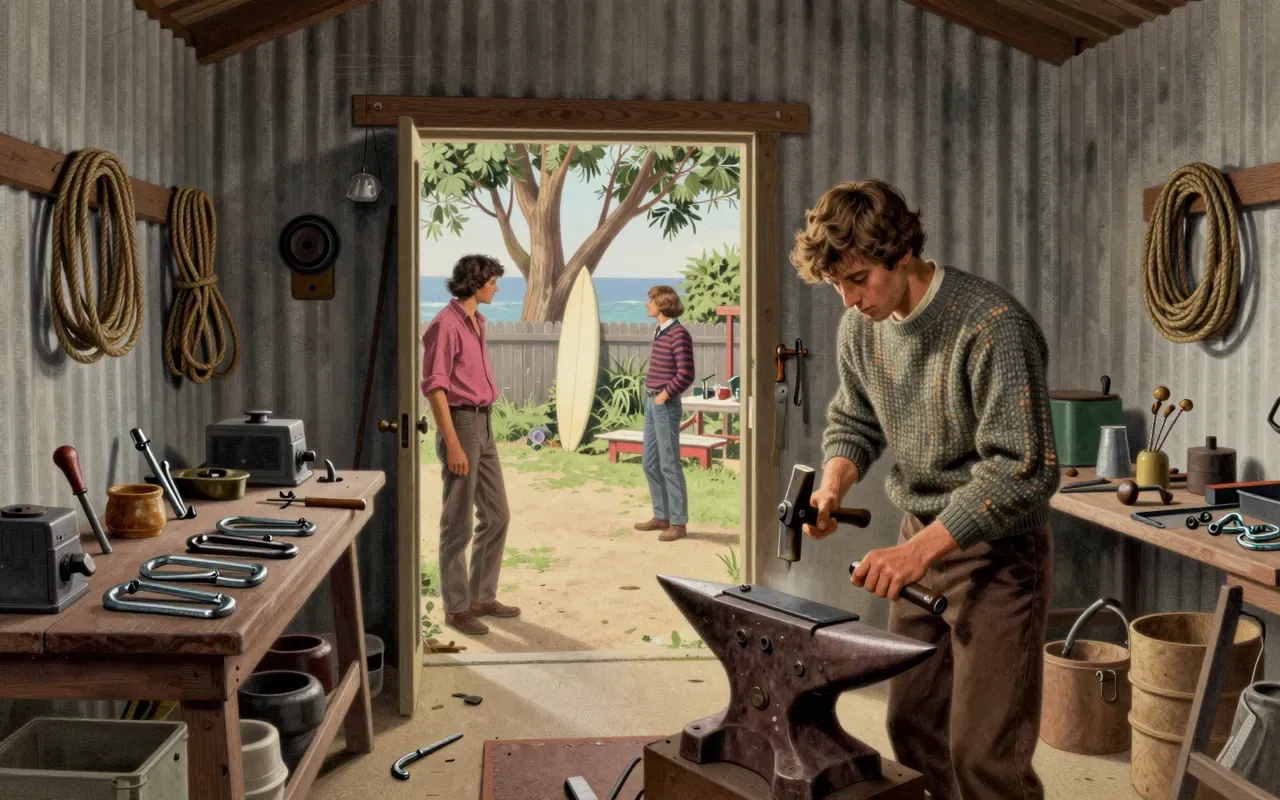
Patagonia, Inc. is an American retailer of outdoor recreation clothing, equipment and food, founded by Yvon Chouinard in 1973 and based in Ventura, California. Chouinard, a rock climber, began selling hand-forged climbing equipment in 1957 through Chouinard Equipment and partnered with Tom Frost in 1965. In 1970 he obtained rugby shirts from Scotland that he wore while climbing, because the collar kept the climbing sling from hurting his neck. Great Pacific Iron Works, the first store, opened in 1973 in a former meat-packing plant in Ventura, near his blacksmith shop. It was renamed Lost Arrow Corporation in 1984. Patagonia operates stores in over ten countries and factories in sixteen.
How it works, in terms someone would actually use
The company sells clothing, equipment and, since 2012 through Patagonia Provisions, food. In 1993 it became the first company to manufacture clothing using polyester sourced from recycled bottles. Two programmes aim to keep garments in use: Worn Wear, a trade-in and exchange programme started in 2017, and ReCrafted, launched in 2019, which sells clothing made from scraps of fabric from used Patagonia gear.
What it gets right
Since 1985 Patagonia has committed 1 percent of total sales to environmental groups through One Percent for the Planet, which Chouinard helped found. In 2016 it pledged 100 percent of its Black Friday sales, totalling $10 million, to environmental organisations. It led a boycott of the Outdoor Retailer trade show in 2017 over Utah’s public-lands legislation, and sued the United States government that year over the reduction of Bears Ears National Monument.
What it does not
Internal audits in 2007 and 2011 found that factories in its second-tier supply chain in Taiwan were involved in human trafficking. In December 2021 the European Center for Constitutional and Human Rights filed a criminal complaint in a Dutch court against Patagonia and other brands, alleging that they benefited from forced Uyghur labour in Xinjiang. Patagonia ended its relationship with cotton suppliers in China in July 2020 and switched to Peruvian sources. In June 2023 Follow the Money reported that Patagonia used some of the same factories as Decathlon and Primark, with workers in far worse conditions than the standard Patagonia publicly set. Patagonia says it works with suppliers to raise wages and meet standards.
What it changed
By the late 2010s, branded Patagonia fleece vests had become known for their use by financial executives. In 2019 the company announced that it would focus its distribution of branded products on firms committed to environmental, social and corporate governance initiatives. In September 2020 it announced that Ryan Gellert would succeed Rose Marcario as chief executive. In September 2022 Chouinard transferred all voting stock, about 2 percent of total stock, to the Patagonia Purpose Trust, and all nonvoting stock to Holdfast Collective. His stated goal was for profits to address climate change and protect land.
Who it is for, and who it is not
It is for wearers of outdoor clothing, and for those who want to trade in used gear through Worn Wear or buy clothing reworked from scraps through ReCrafted. It is not for a reader who wants a company with a clean supply-chain record. The audits found trafficking at second-tier suppliers, the Dutch complaint alleges that Patagonia and other brands benefited from forced Uyghur labour, and the 2023 report describes factory conditions far worse than the standard the company publicly set.
Is it worth your time
Yes, if you want to see how a climber’s equipment business became a clothing company with an unusual ownership structure, and how its environmental commitments sit beside its supply-chain record.