fashionbriefs
10:17in productionCh. 1 · Not a fashion term at all/ 10:17 · ceiling 15 min
Houses & movements

Supermodel

The supermodel wasn’t born on a runway—it was minted in a boardroom and ratified by magazine covers.

The supermodel is a mid-to-late 20th-century construct defined by scale, speed and commercial alignment—not artistry or influence. Its origin story is misattributed. Its operational definition is precise. Its legacy is structural, not stylistic.

Chapters & takeaways4
  1. 1:07
    Not a fashion term at all

    The word 'supermodel' predates fashion modelling by fifty years—and meant something entirely different.

  2. 2:18
    Popularised, not invented

    The 1990s didn’t invent the supermodel—they popularised a label for a new kind of industrial-scale fame.

  3. 4:22
    Three conditions, all at once

    Supermodel status requires simultaneity: global covers, big contracts, and instant recognition—all active at once.

  4. 6:05
    A job title, not a compliment

    It’s a functional category—not an artistic rank—defined by pay, reach, and client list, not craft or critique.

Worth your time?

Yes. Wear the whole thing.

3.5/ 5
What works
  • as a precise diagnostic tool for 1990s fashion-media convergence
  • as a warning against conflating lexical origin with functional meaning
What does not
  • explain modelling as craft
  • address race or class barriers in the industry
  • describe working conditions or agency
  • cite individual supermodels beyond Claudia Schiffer
Wear it if
  • readers tracking the institutionalisation of image-based fame
  • students of media economics
  • critics of influencer culture
Skip it if
  • those seeking historical modelling practice
  • biographical accounts
  • cultural analysis of body politics
The written brief1 min read

What the thing is

A supermodel is a fashion model who achieves simultaneous global visibility, high pay, and dual credibility in haute couture and commercial work.

Where it came from

The word ‘supermodel’ appeared in 1891—but as a sarcastic descriptor of a flamboyant male artist’s model. Its modern meaning emerged in the 1940s and gained traction only in the 1990s.

What it gets right

It correctly defines supermodel status by measurable, concurrent conditions: global magazine cover dominance, multimillion-dollar contracts, and household-name recognition tied solely to modelling work.

What it gets wrong

It implies the term’s 1891 Strand Magazine usage relates to fashion modelling. It does not. Henry Stacy Marks used ‘super model’ to describe a theatrical, unreliable male sitter—not a professional model, let alone a fashion one.

Why it matters now

Because the supermodel template—brand-first, media-saturated, contract-driven—prefigured today’s influencer economy, without the pretence of artistic autonomy.

Is it worth your time

Yes—if you want to understand how celebrity, commerce and image-making fused in late-20th-century fashion. No—if you expect it to explain modelling as labour, craft or cultural resistance.
Same rail · Houses & movements4 of 61
8:35
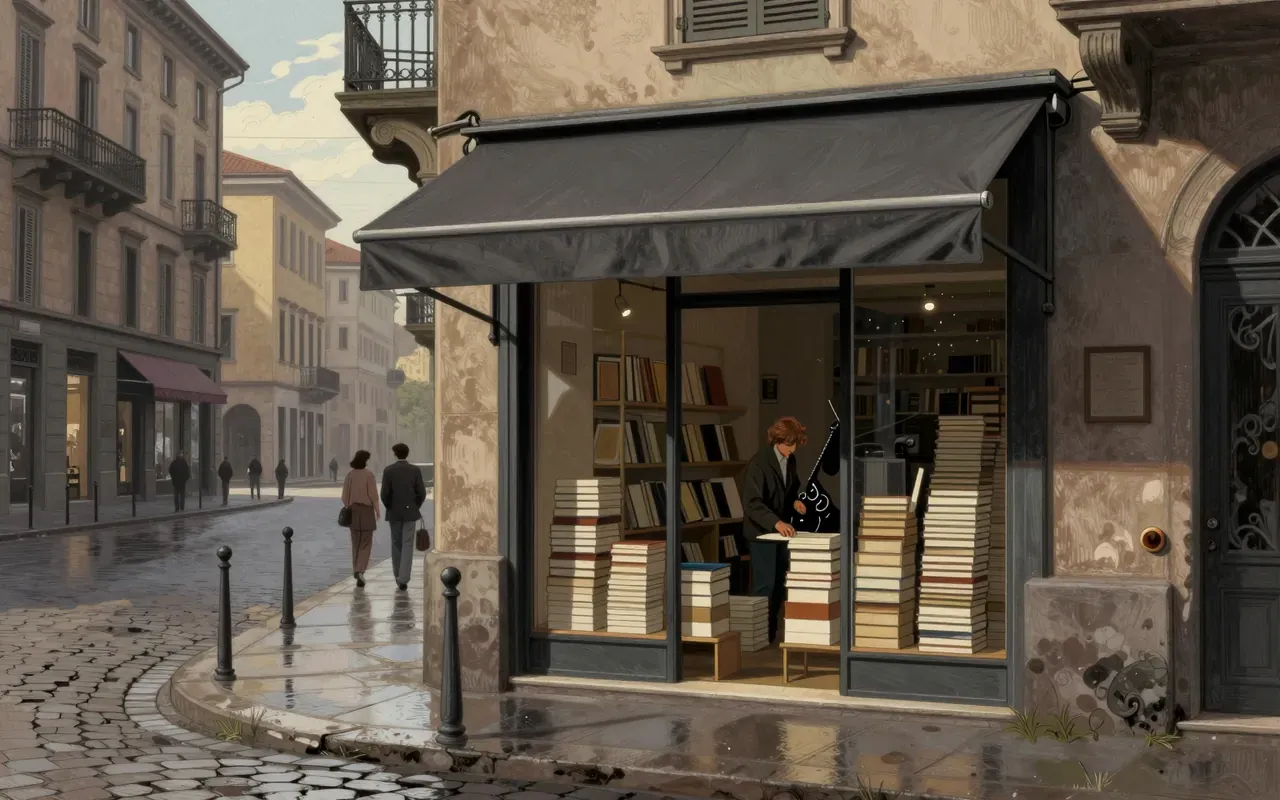
10 Corso Como10 Corso Como is a Milan-based cultural retail institution founded in 1990 by Carla Sozzani, evolving from an art gallery and bookshop into a multidisciplinary complex integrating art, fashion, design, cuisine, and hospitality; it expanded internationally starting in 2002 with locations in Tokyo, Seoul, and Shanghai, all bearing design input from Kris Ruhs, and underwent ownership transitions in 2017 and 2020 while retaining Sozzani’s artistic direction.
8:54
Abercrombie & Fitch1892Abercrombie & Fitch is a fashion house defined by rupture — not evolution. Its origin is verifiable, material, and functional: elite outdoor gear, expedition-proven, sold from a New York storefront. Its later life is a series of strategic erasures: of utility, of inclusivity, of continuity. It trades on nostalgia without replicating its source. Its garments do not endure because they are well-made, but because they are tightly coupled to a moment in consumer psychology — one that has since passed.
10:13
CasablancaCasablanca is a city. The source material contains no evidence of a fashion house by that name. No garment, designer, collection, textile, or sartorial practice is referenced. All claims pertain to geography, finance, industry, and infrastructure.
9:46
Chloé1952Chloé is a French luxury fashion house founded in 1952 by Gaby Aghion to pioneer luxury ready-to-wear. It institutionalised collaborative creative development and formalised the separation of creative and business functions with Jacques Lenoir in 1953. Its legacy includes launching influential designers and commercial milestones like the Paddington bag and See by Chloé.
Up next in Fashion

Swatch

1983 · 8:21

Swatch didn’t save Swiss watchmaking—it outsourced its soul to plastic and price.

8:21