Paul Smith’s garments are classic tailoring executed with precision and disrupted with signature colour—multicoloured stripes and pinstripes applied deliberately, not decoratively. They emerged from a twelve-foot-square Nottingham shop in 1970, scaled internationally through a 1976 Paris menswear debut merging casual and semi-formal wear, expanded into womenswear in 1993 after female customers adopted small menswear sizes, and absorbed R. Newbold’s 1885 workwear heritage by acquisition—not homage. The Mini Strip project confirms this logic extends beyond cloth: sustainable design is expressed through material honesty and visual consistency, not rhetoric. This is tailoring that holds shape, signals wit, and refuses to choose between utility and delight.
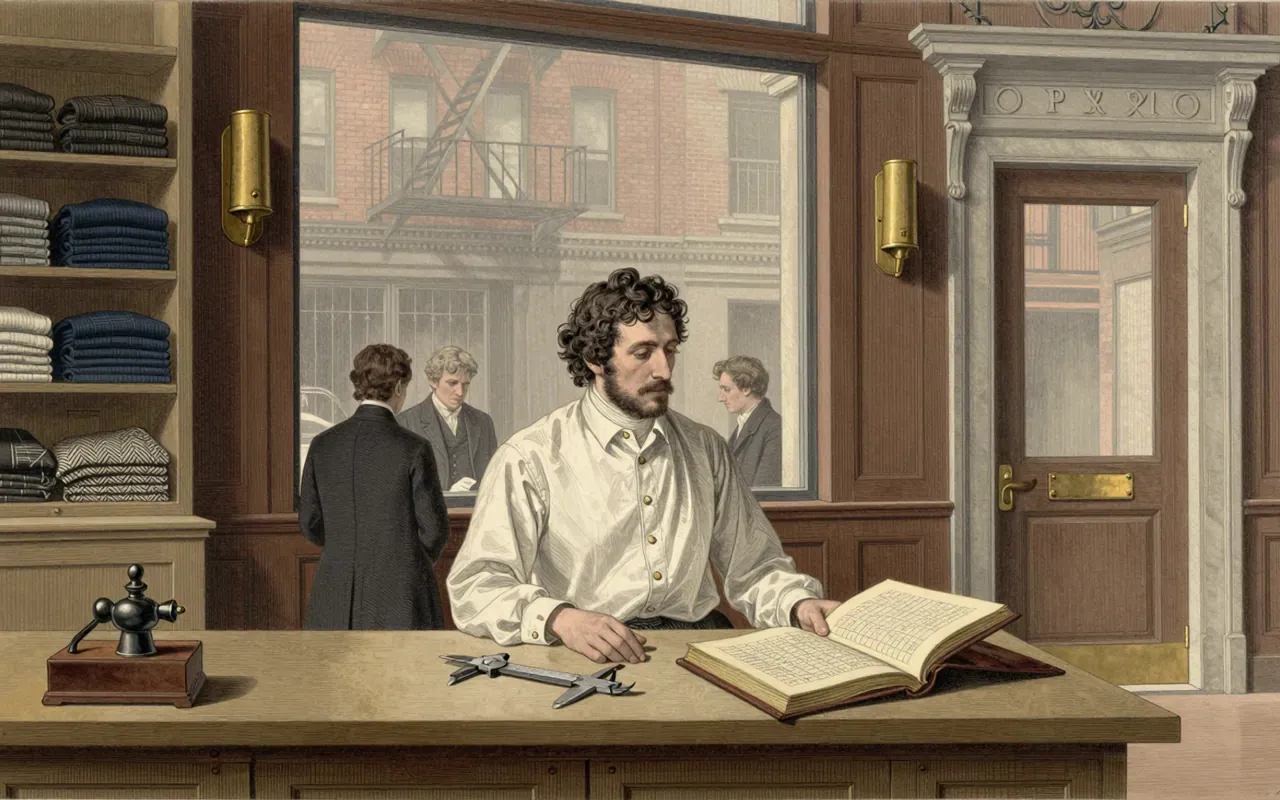
It began in a twelve-foot-square shop in Nottingham—not a studio, not a runway, but a retail threshold where customers shaped the collection.
2:09
Classic With A Twist
Classic tailoring is the grammar; multicoloured stripes and pinstripes are the punctuation—deliberate, repeatable, never incidental.
3:47
Paris, 1976
Its first Paris show in 1976 fused casual and semi-formal—not as contrast, but as contiguous categories under one logic of wear.
4:59
R. Newbold, 1885
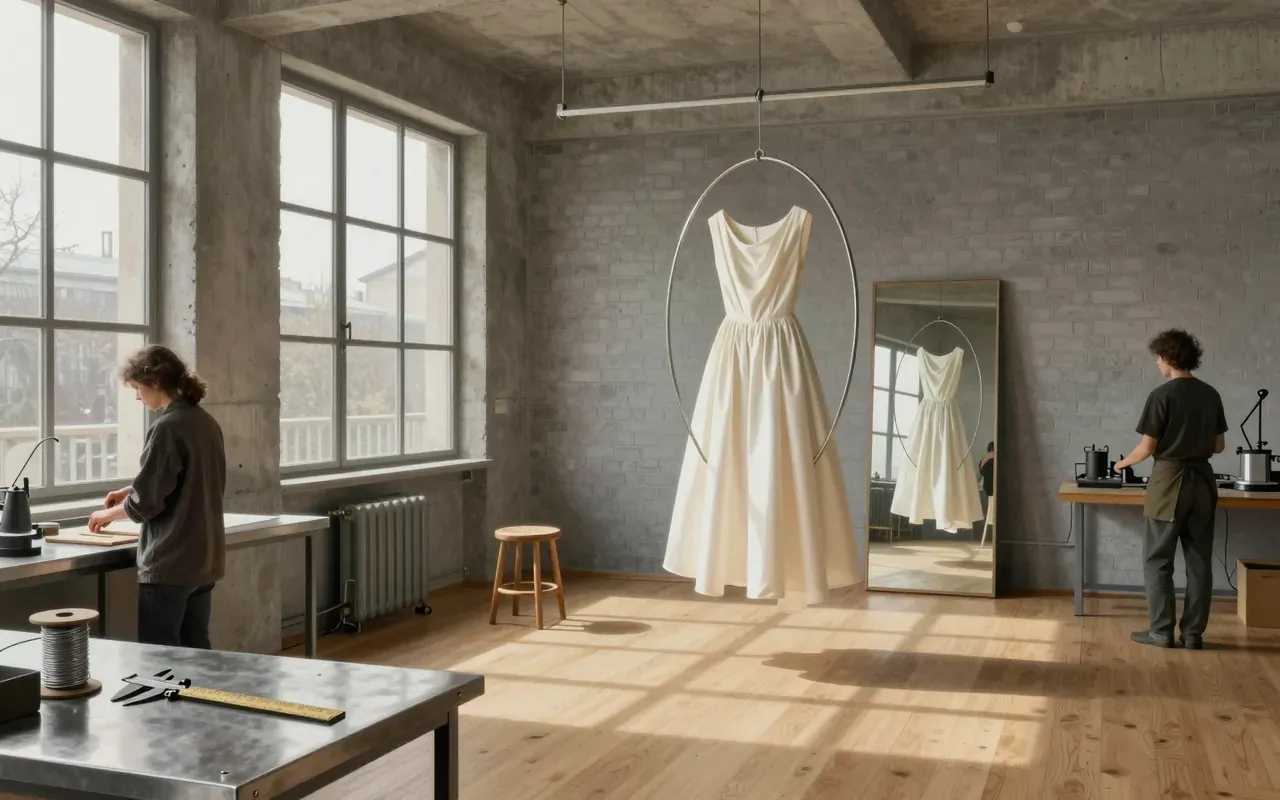
R. Newbold’s 1885 workwear wasn’t referenced—it was acquired, then absorbed, proving heritage is a material, not a mood.
6:22
Women Bought First
Womenswear arrived in 1993 because women bought small menswear sizes—not because a trend forecast demanded it.
7:33
Mini Strip
The Mini Strip proves its visual language scales beyond cloth: recycled materials, natural finishes, no camouflage—just clarity of intent.
Worth your time?
Yes. Wear the whole thing.
4.5/ 5
What works
it works because colour is structural—not decorative
it works because it assumes the wearer knows their own context
it works because it treats tailoring as a living language, not a museum piece
What does not
it does not disguise poor construction with pattern
it does not rely on scarcity or exclusivity to justify price
it does not treat the wearer as passive recipient of trend
Wear it if
people who wear suits but dislike stiffness
those who value repetition as refinement, not redundancy
readers who trust a garment more when it names its method
Skip it if
those who require garments to declare ideology before silhouette
shoppers who equate minimalism with seriousness
anyone expecting fashion to apologise for being well-made
The written brief1 min read
What the garment is and where it came from
A tailored garment rooted in Nottingham’s 1970 shop—a twelve-foot-square space selling third-party labels alongside Smith’s first designs—built from classic tailoring methods and defined by deliberate colour interventions.
How it works, in terms someone would actually use
It works by fitting like classic tailoring but disrupting expectation with colour—multicoloured stripes, pinstripes—applied to jackets, shirts and trousers. It bridges office and street without costume or compromise.
What it gets right
It gets right the tension between discipline and delight: precise shoulders, clean lapels, balanced drape—and then a sleeve lined in electric green or a pocket flap stitched in three alternating stripe widths.
What it does not
It does not reject formality. It does not obscure the body with volume or deconstruction. It does not rely on irony as a substitute for cut.
What it changed
It changed how British menswear could occupy the space between Savile Row and high street: not by rejecting tradition, but by re-dyeing it.
Who it is for, and who it is not
It is for people who wear suits but dislike stiffness. It is not for those who equate minimalism with seriousness or who require garments to declare ideology before silhouette.
Is it worth your time
Yes—if you want clothes that hold structure while refusing solemnity. No—if you need garments to disappear into uniformity or signal subcultural allegiance.