fashionbriefs
8:38in productionCh. 1 · Not rebellion. A spec sheet./ 8:38 · ceiling 15 min
Accessories

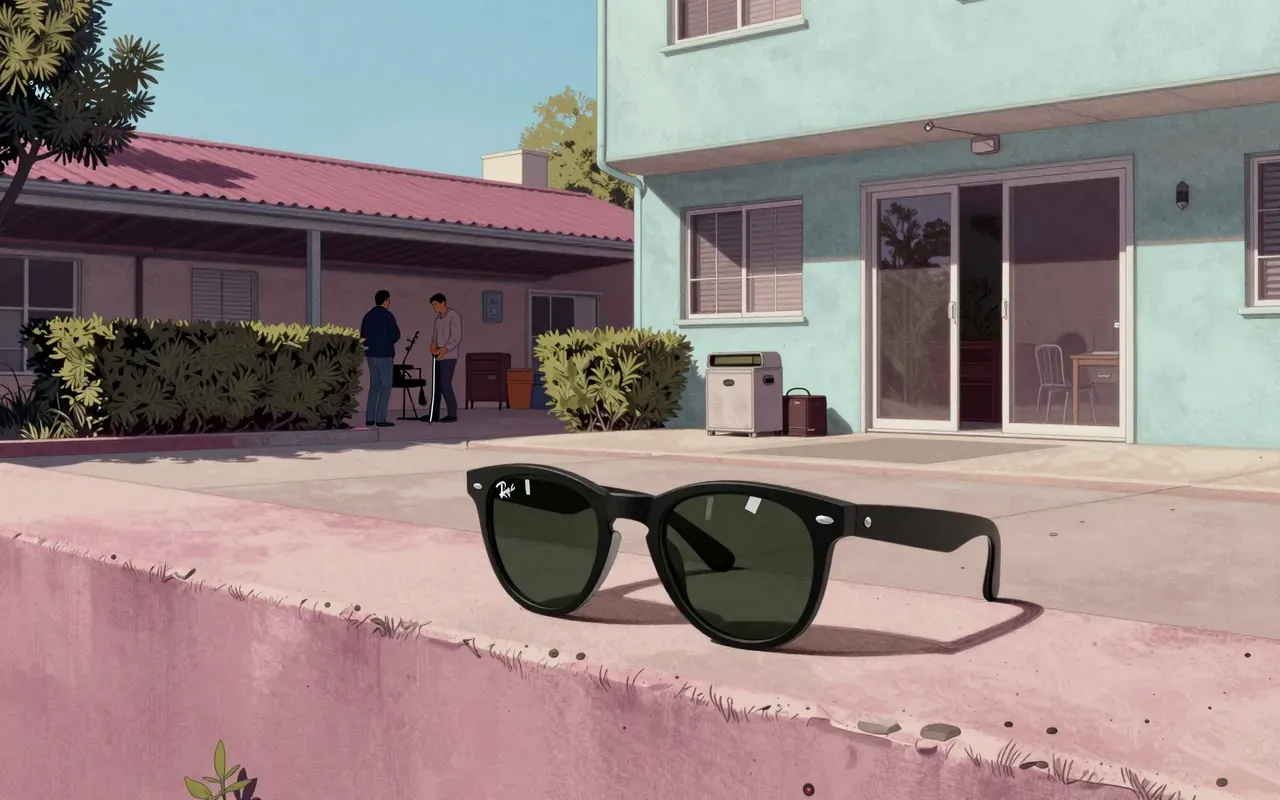
Ray-Ban Wayfarer

The Wayfarer didn’t define cool — it was reverse-engineered to look like it did.

The Ray-Ban Wayfarer is a fashion object whose cultural weight derives entirely from its post-1982 revival — not its 1952 origin, nor any intrinsic design authority. It succeeded because it was placed, not because it resonated.

Chapters & takeaways4
  1. 0:58
    Not rebellion. A spec sheet.

    It was born in 1952 as a commercial design, not a countercultural statement.

  2. 2:47
    On life support

    By 1981, it was nearly dead — 18,000 pairs sold, not thousands of fans.

  3. 3:44
    Placed, not earned

    Its comeback was bought: $50,000 a year for placements, then 360,000 pairs sold in 1983.

  4. 5:05
    Scaled by system

    Sales hit 1.5 million annually after Miami Vice and The Breakfast Club — then Luxottica bought Ray-Ban for $640 million.

Worth your time?

Yes. Wear the whole thing.

3.5/ 5
What works
  • as-a-case-study-in-brand-resurrection
  • as-evidence-of-film-placement-leverage
What does not
  • art
  • subculture
  • design-innovation
  • counterculture
Wear it if
  • marketers
  • design-historians
  • film-studies-researchers
Skip it if
  • vintage-collectors
  • sunglasses-enthusiasts
  • pop-culture-romantics
The written brief1 min read

What the thing is

A model of sunglasses with a trapezoidal frame, thick acetate temples, and flat front lenses.

Where it came from

Designed in 1952 by Raymond Stegeman at Bausch & Lomb, Ray-Ban’s parent company.

What it gets right

It established sunglasses as a deliberate style accessory, not just optical gear. Its trapezoidal frame and thick acetate defined a visual grammar for cool that outlasted its initial run.

What it gets wrong

It assumed mass visibility equals cultural legitimacy. Its revival relied on placement deals, not design innovation or subcultural adoption.

Why it matters now

It is the prototype for modern brand resurrection: a case study in how corporate licensing, film placement, and timing can override organic decline.

Is it worth your time

Yes — if you want to understand how a near-dead product was revived by calculated, repeatable marketing, not cultural accident.
Same rail · Accessories4 of 20
Up next in Fashion

Ready-to-wear

· 9:06

Ready-to-wear didn’t liberate dress—it standardised bodies.

9:06