Saved
Garments

Accessories

28
briefs
9:26
average
264 min
in total
3
designers
All briefs28
9:56

Louis Vuitton

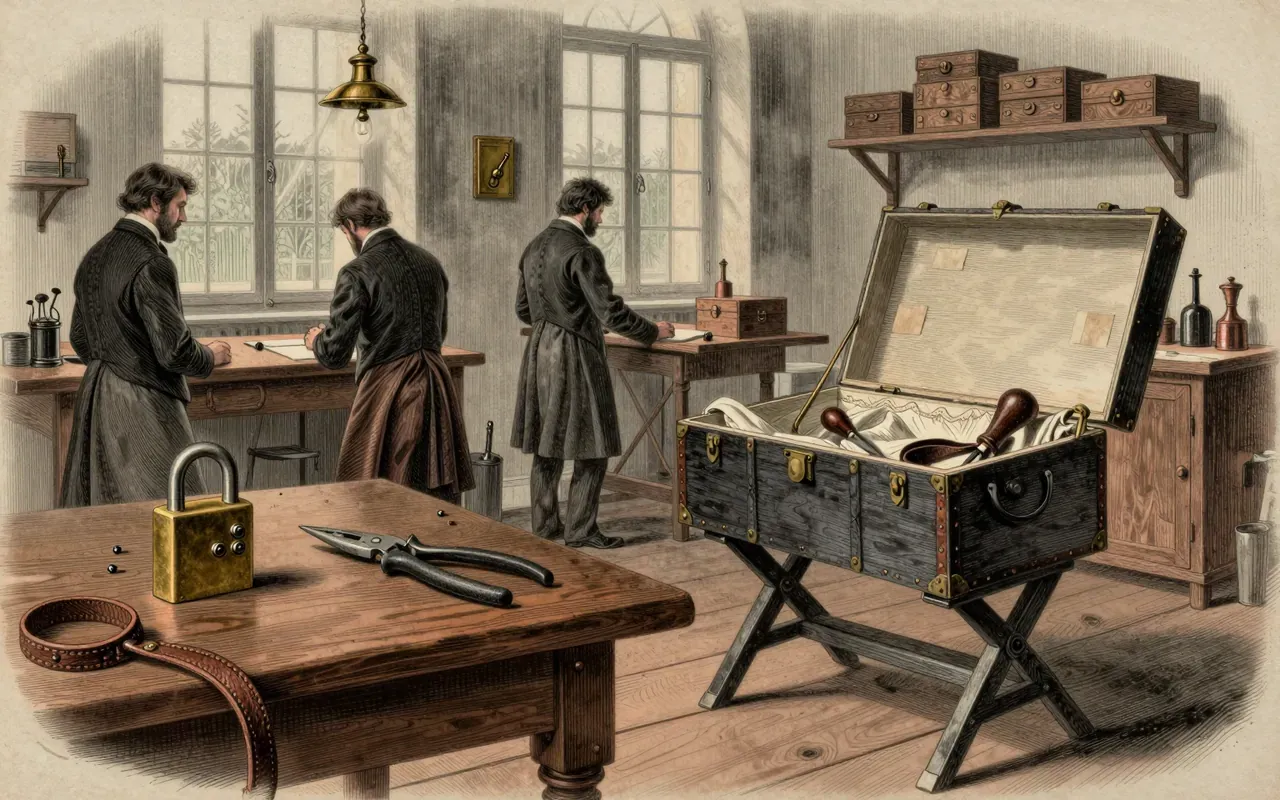
Louis Vuitton didn’t invent luggage—it killed the rounded top and made stacking non-negotiable.
8:00

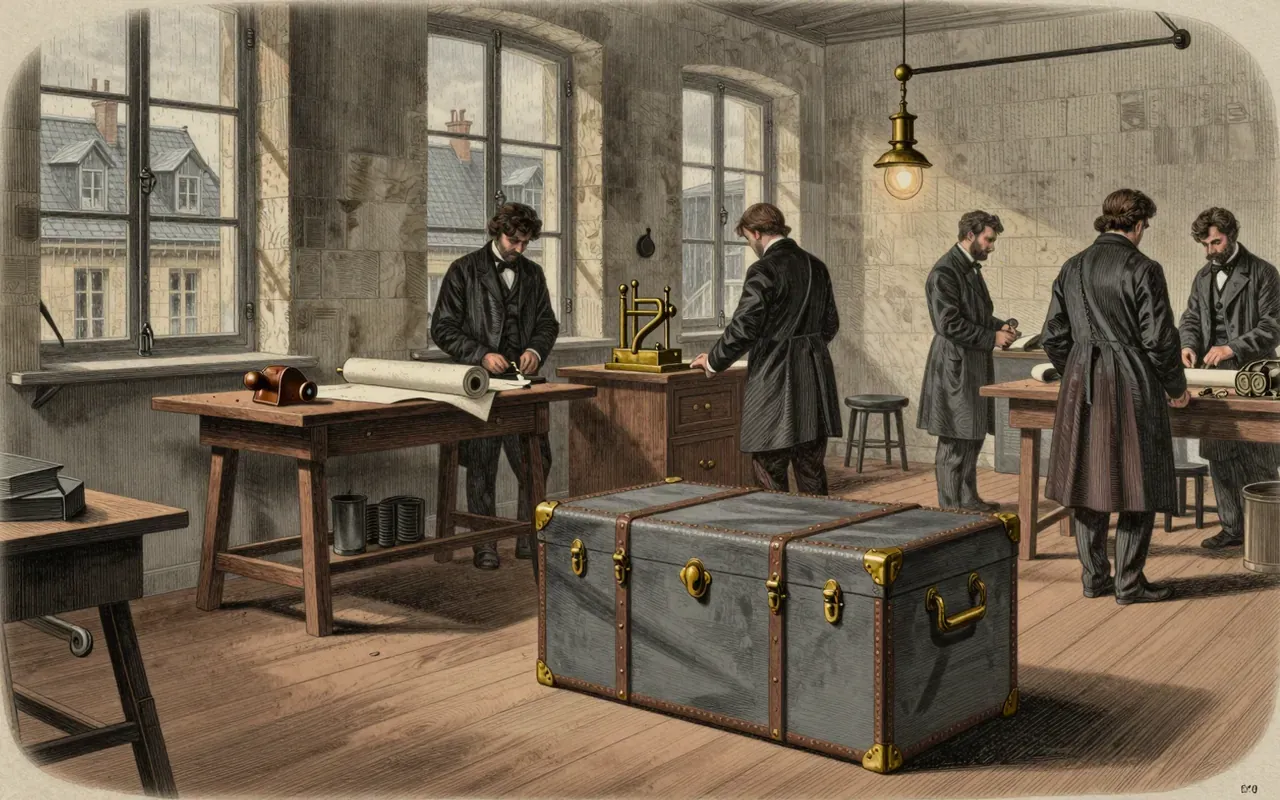
Louis Vuitton

A trunk is not a bag—it’s a sovereign unit of travel, and Louis Vuitton built the first one that refused to break.
11:29

Colette (boutique)

The Paris concept store that sold fashion, books and a hundred bottled waters for twenty years, and gave Raf Simons and Sacai early racks.
9:16

Fashion blog

Fashion blogs didn’t just report on trends—they rewired who gets to set them.
9:32

Birkin bag

A bag designed for diapers became a lockbox for status — its function buried under its own exclusivity.
8:58

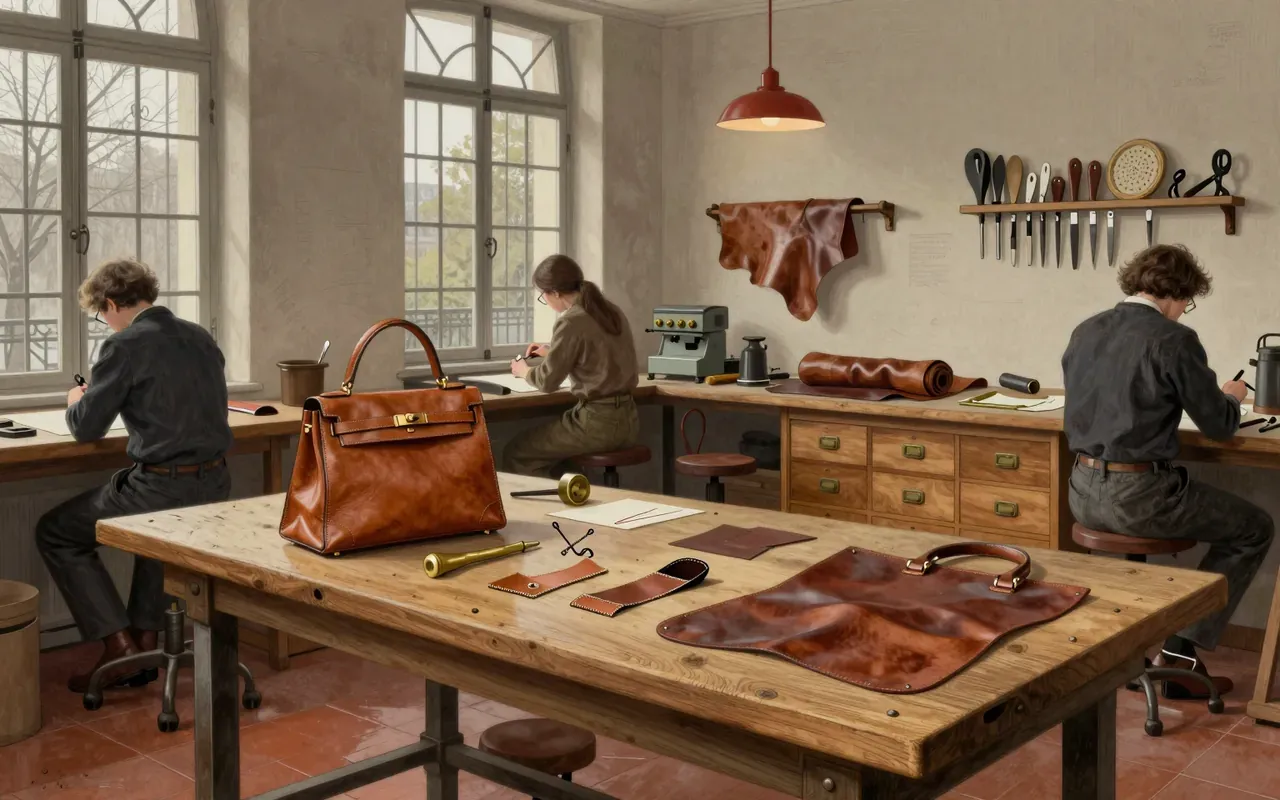
Kelly bag

A bag that trades utility for authority—and makes you wait for both.
9:12

Mulberry Group

Roger Saul · 1971

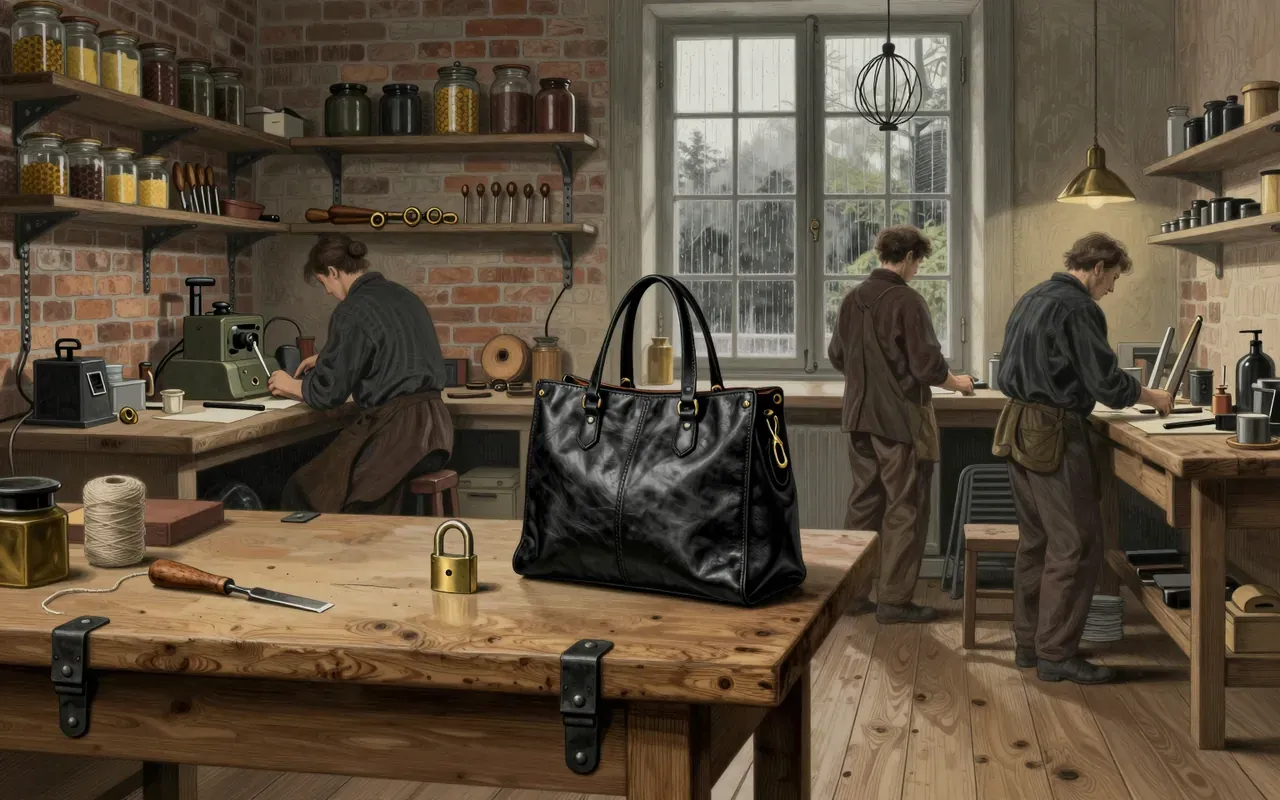
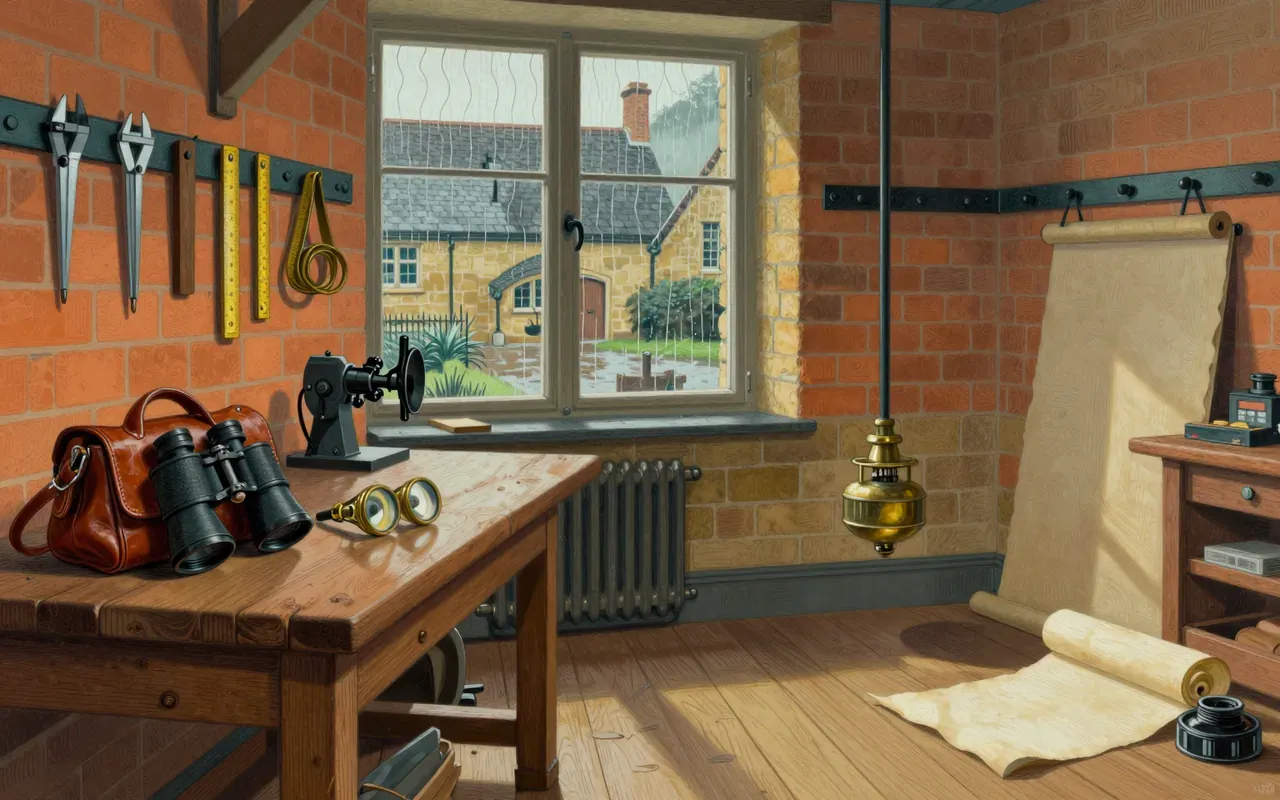
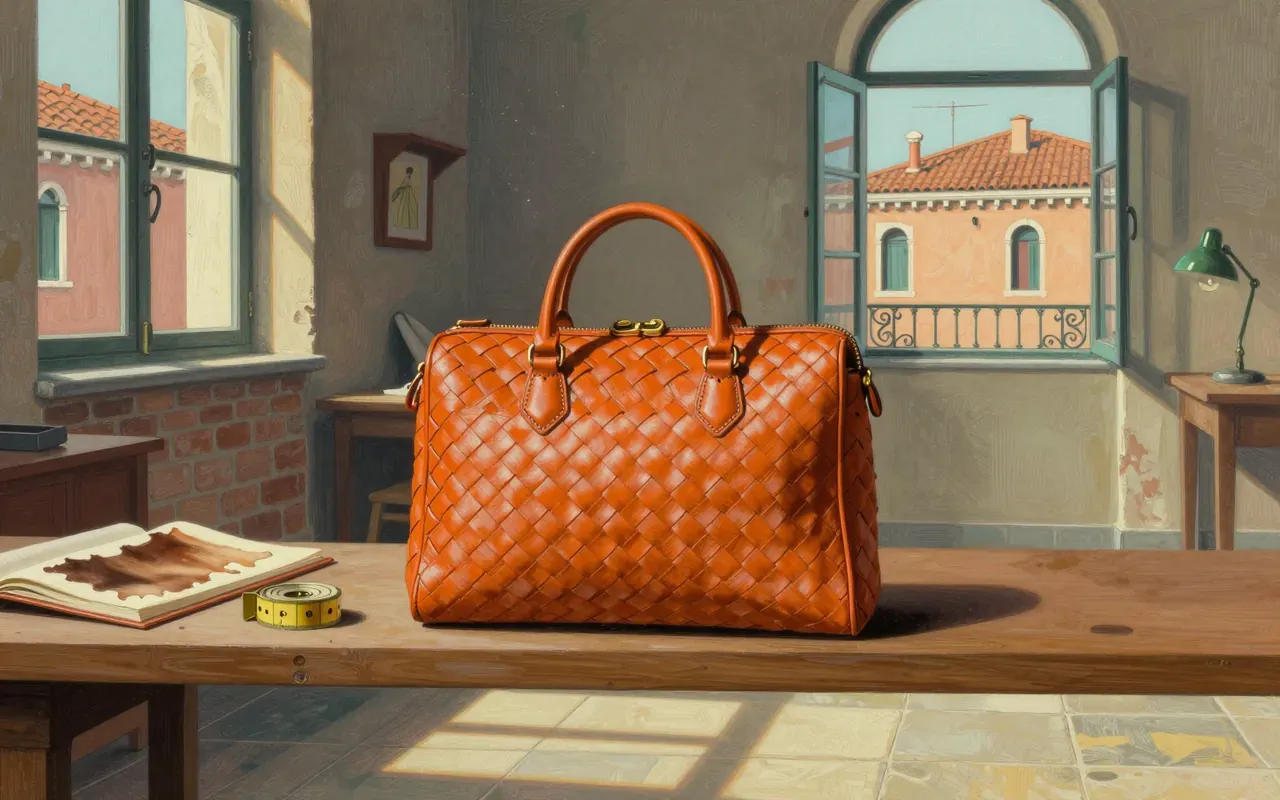
Mulberry Group was founded in 1971 by Roger Saul and his mother Joan as a British leather goods company. It built its reputation on functional poacher bags—the binocular and dispatch bags—rooted in rural utility rather than urban display. Production began in Somerset in 1973 and remains anchored there for core designer leather goods, while men’s bags and small leather goods are made in Turkey and China respectively. An apprenticeship programme launched in 2006 trains local youths for Somerset factory roles, with job offers extended to graduates. Mulberry’s strength lies in its material honesty and regional continuity; its compromise is the fragmentation of its making across geographies and standards.
11:16

Lady Dior

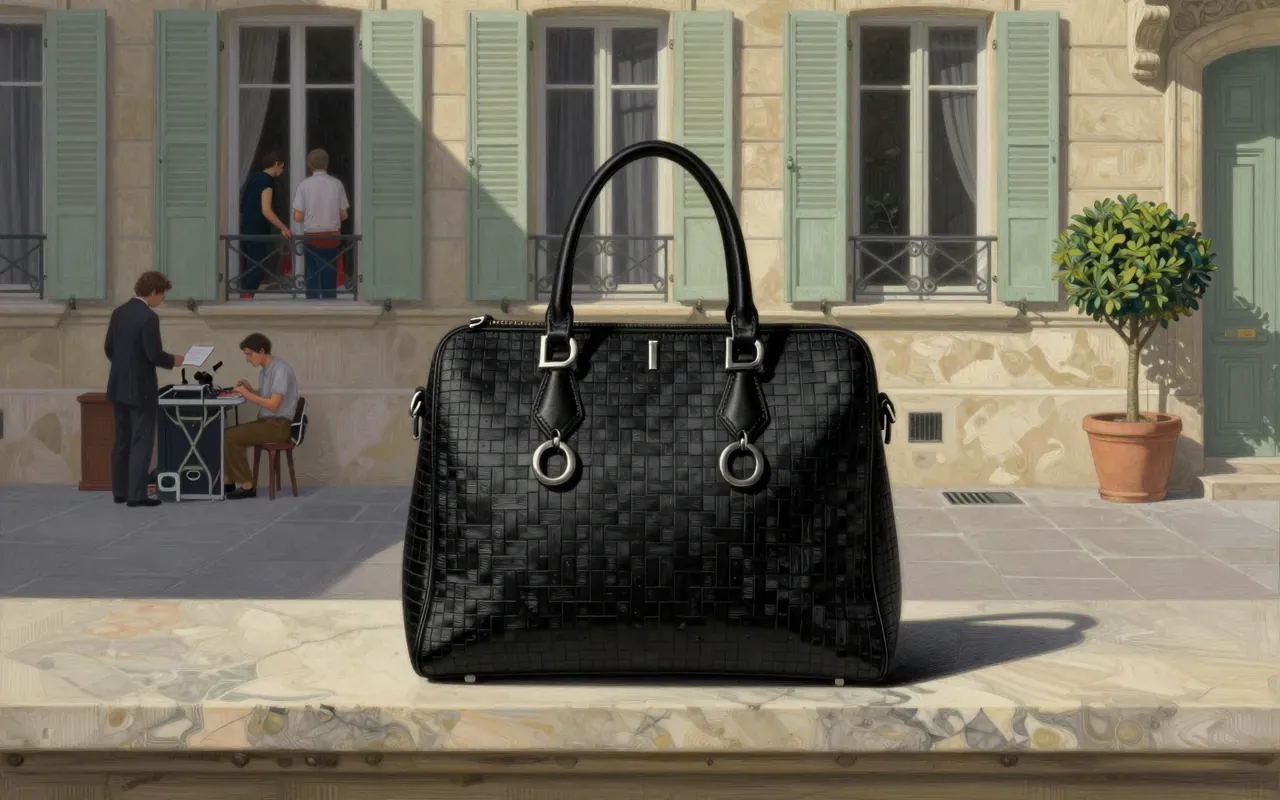
A rigid black box that turned furniture caning into a global status signal—and made Dior a leather goods house overnight.
8:55

Omega Speedmaster

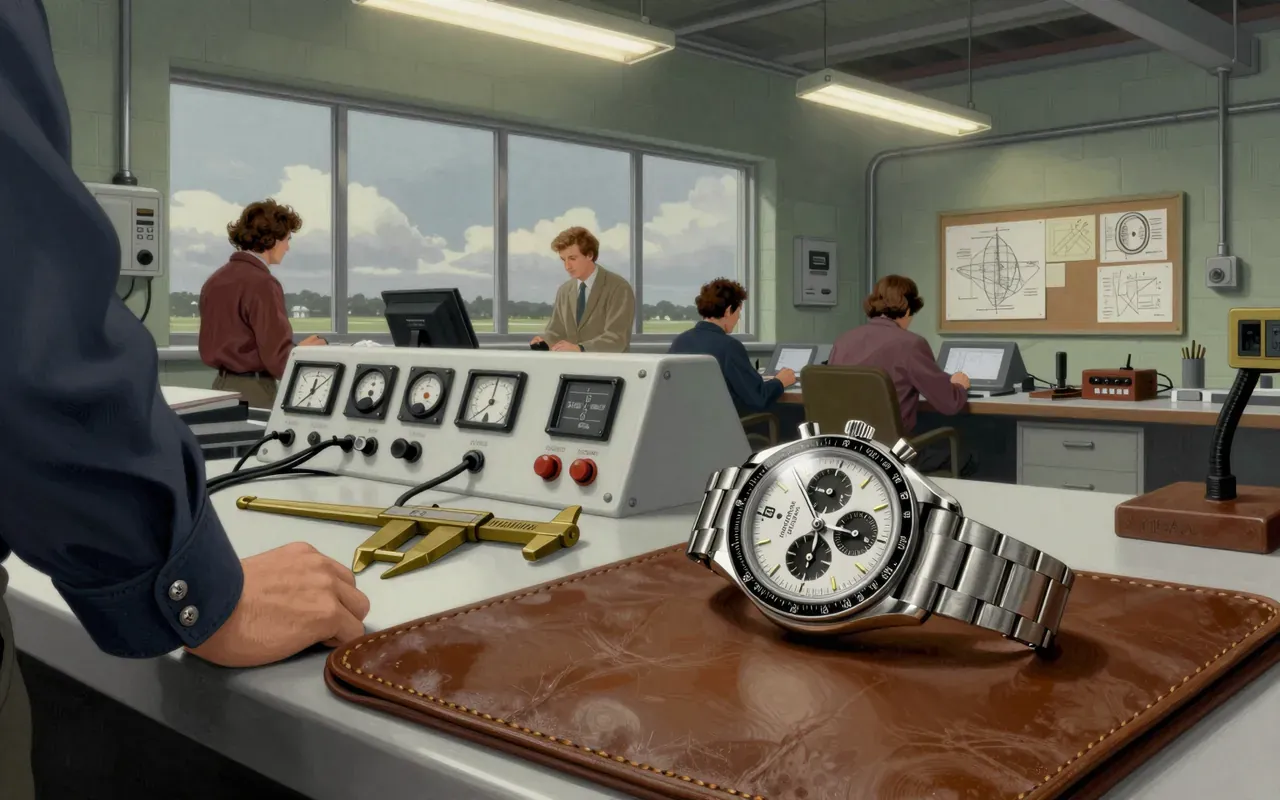
A racing chronograph that accidentally became the only watch ever certified for spacewalks—and never changed its mind about what it was built for.
8:57

Beret

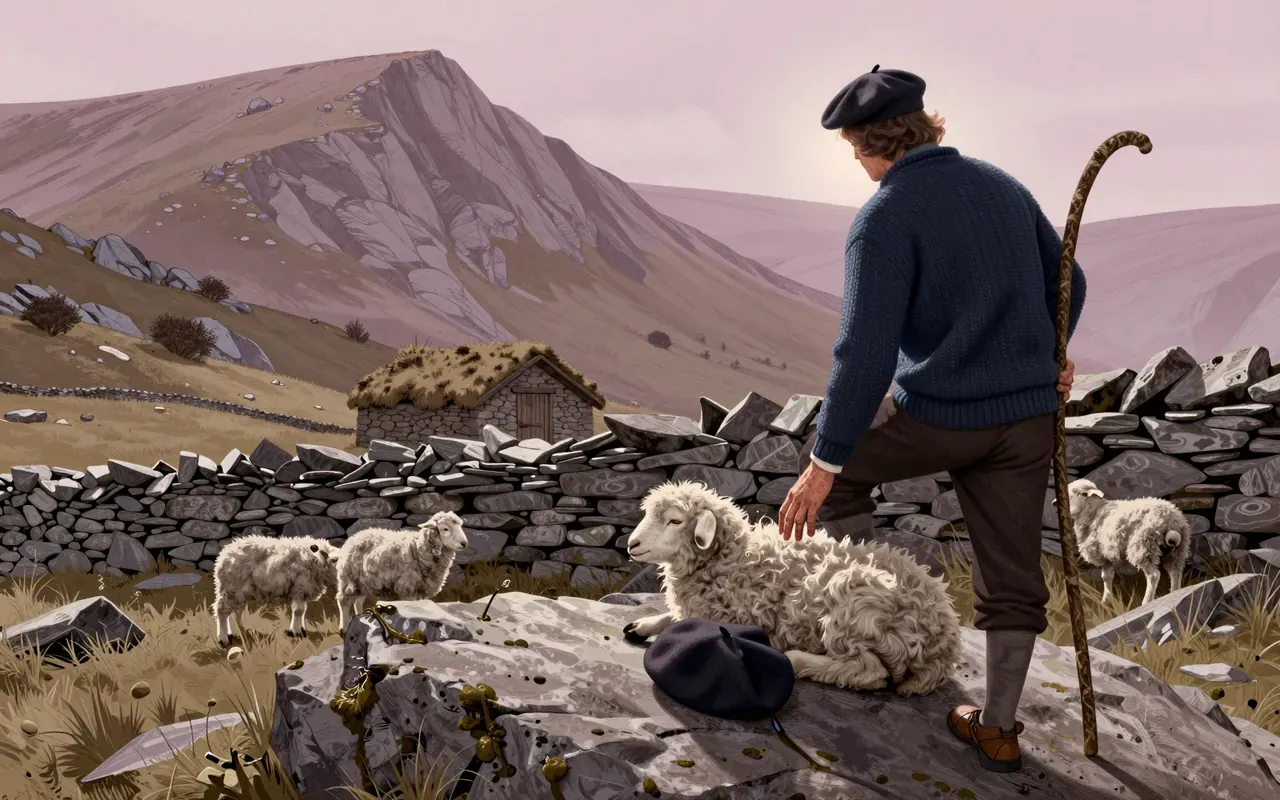
The beret is not a symbol that got weaponised. It is a tool that got uniformed—and then mythologised.
8:49

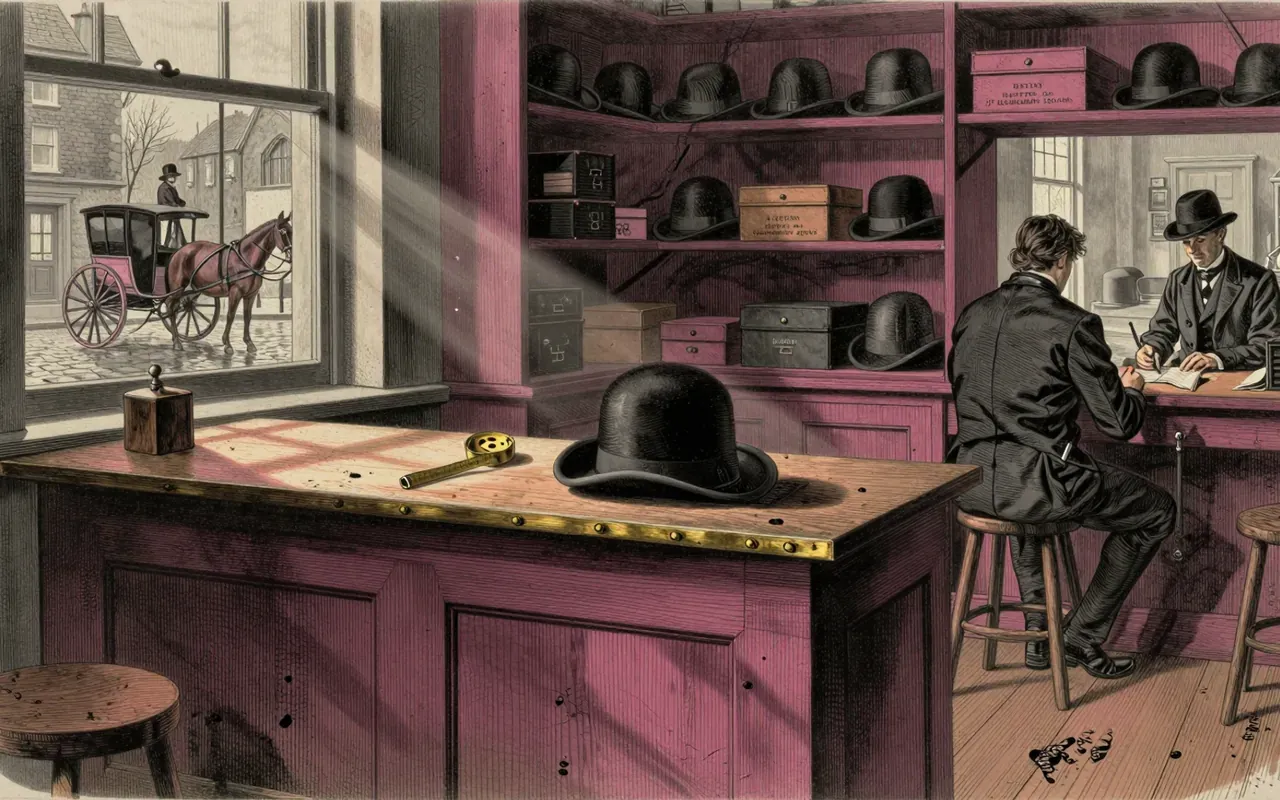
Bowler hat

A hat built to survive branches became a symbol of class—then a tool of colonial displacement.
9:10

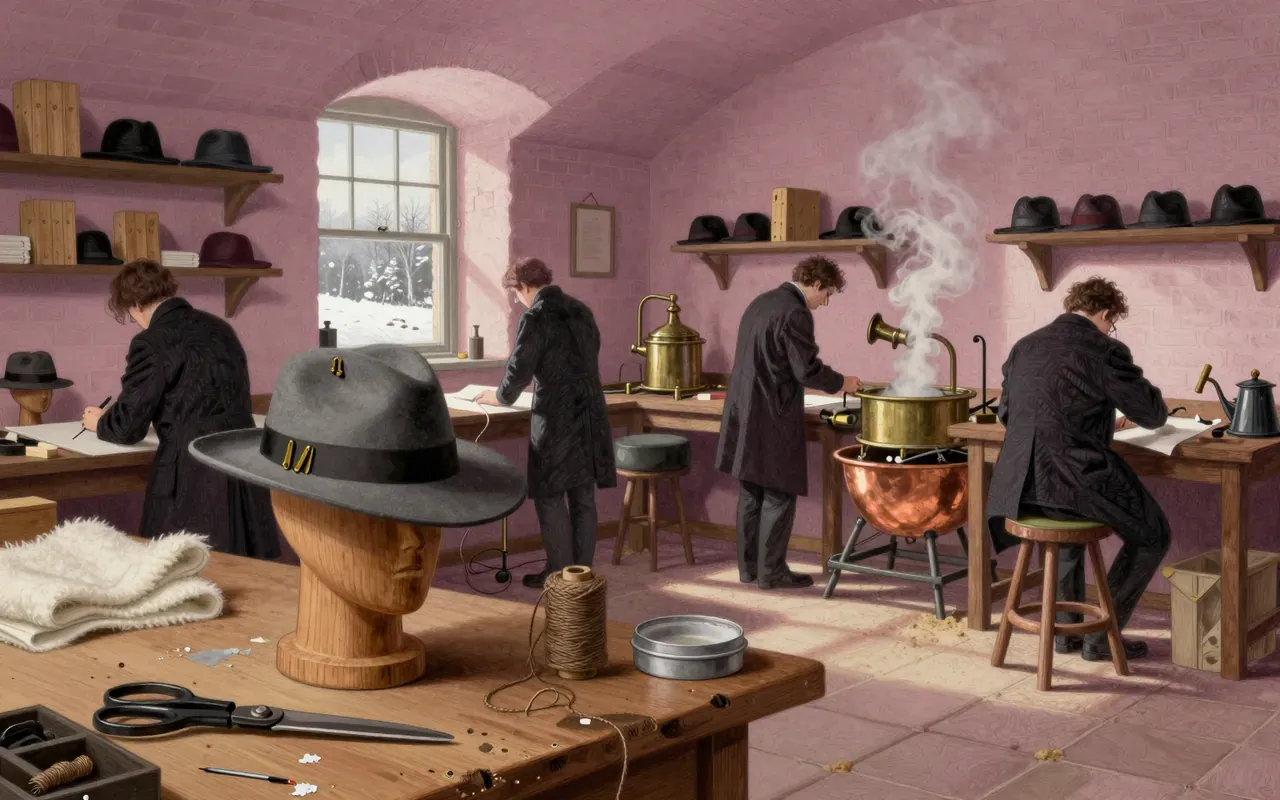
Fedora

A hat named after a woman’s role in a French play—and then made to forget her.
9:04

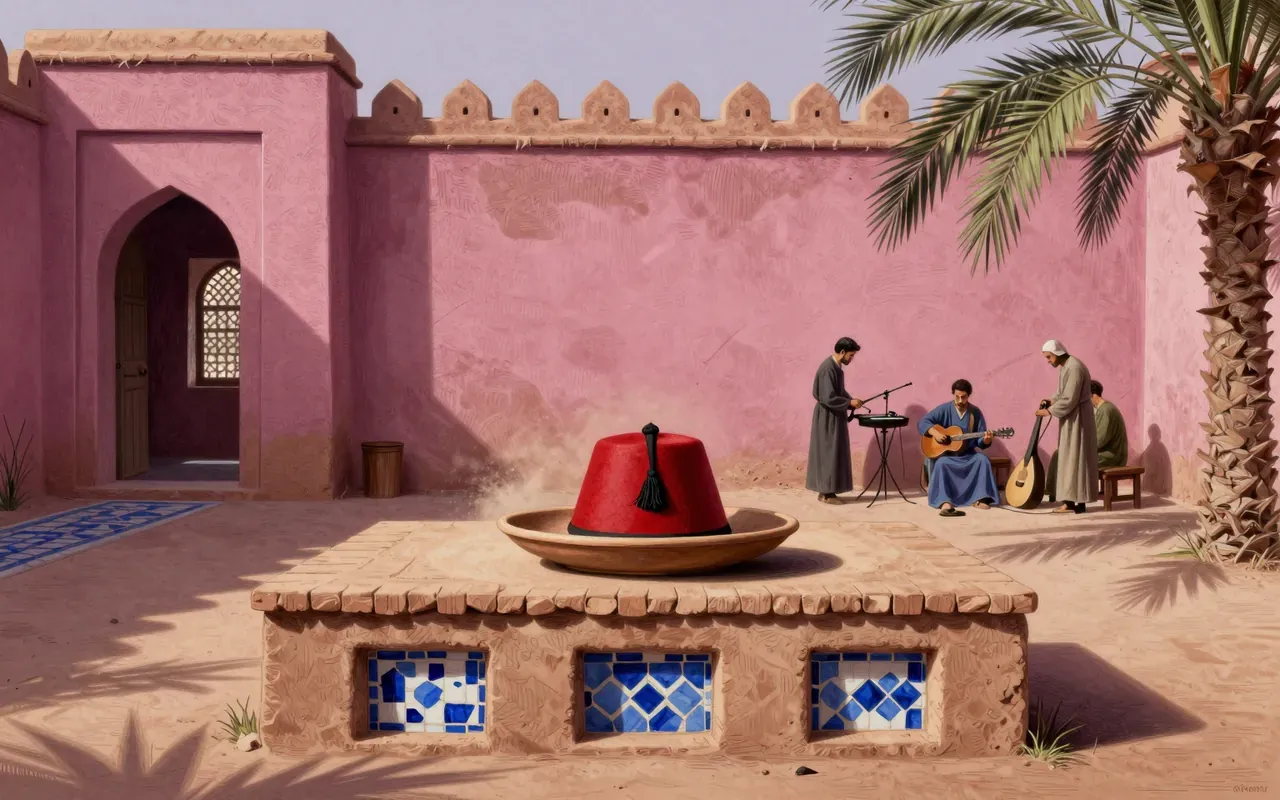
Fez (hat)

A red hat designed to erase identity became the ultimate symbol of what the state wanted to erase.
9:11

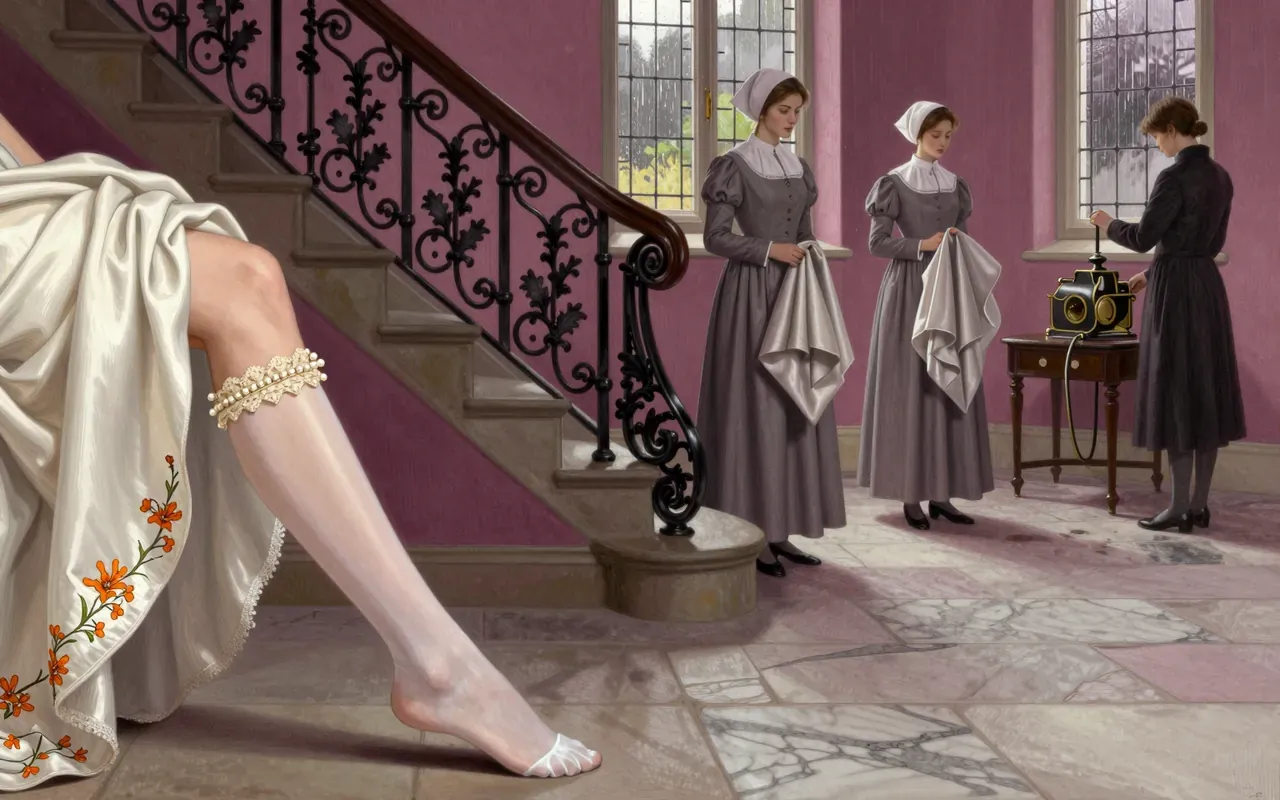
Garter

A functional strap became a wedding prop, a male fashion staple, and a Shakespearean punchline—without ever changing shape.
8:46

Keffiyeh

A sun shield turned political weapon by decree—not culture.
9:22

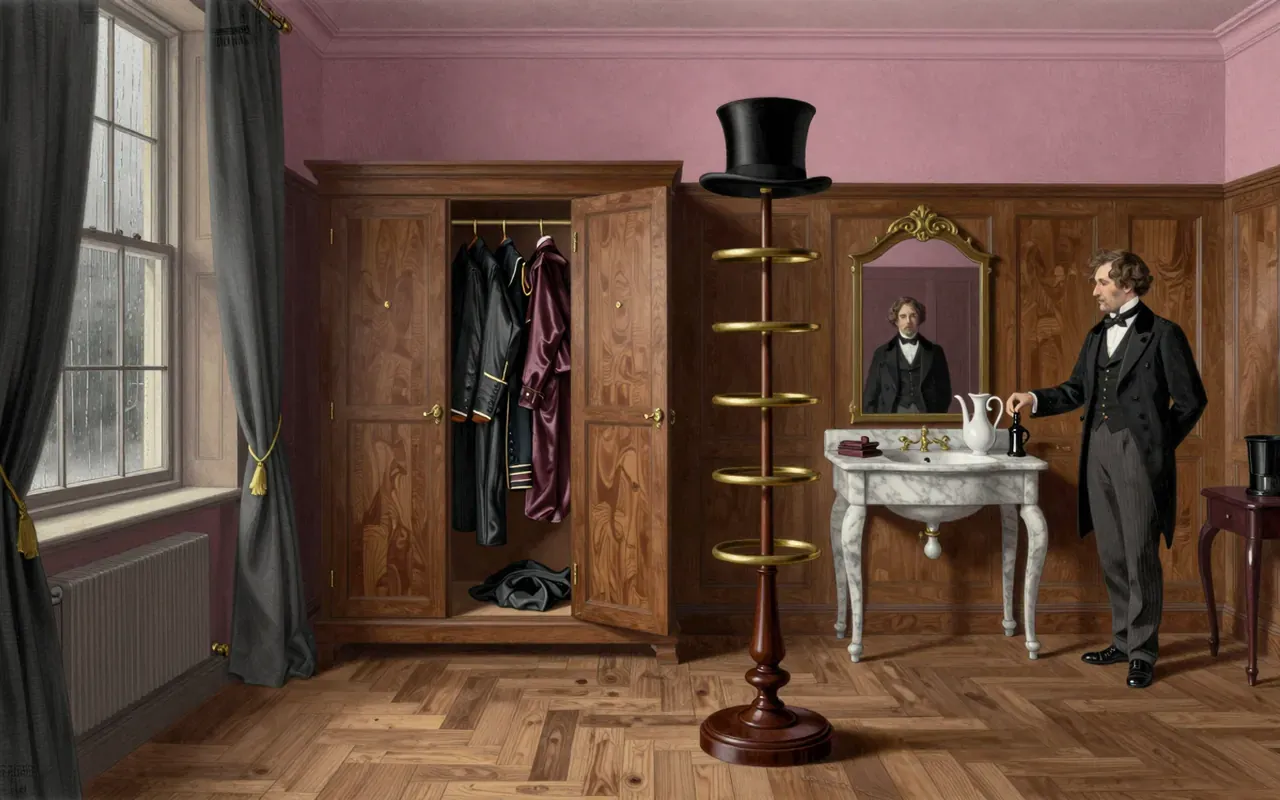
Top hat

The top hat didn’t crown elegance—it enforced hierarchy with millimetres of silk.
9:56

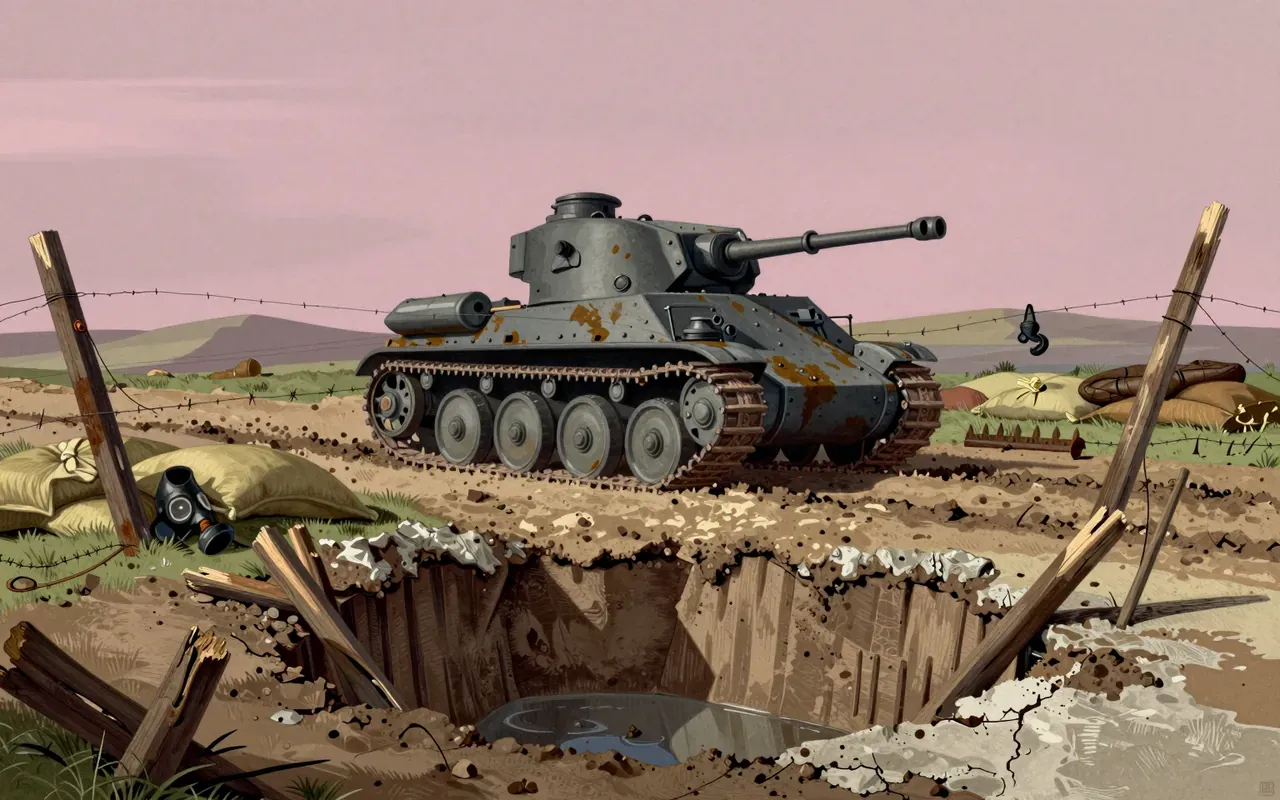
Cartier Tank

Louis Cartier · 1917

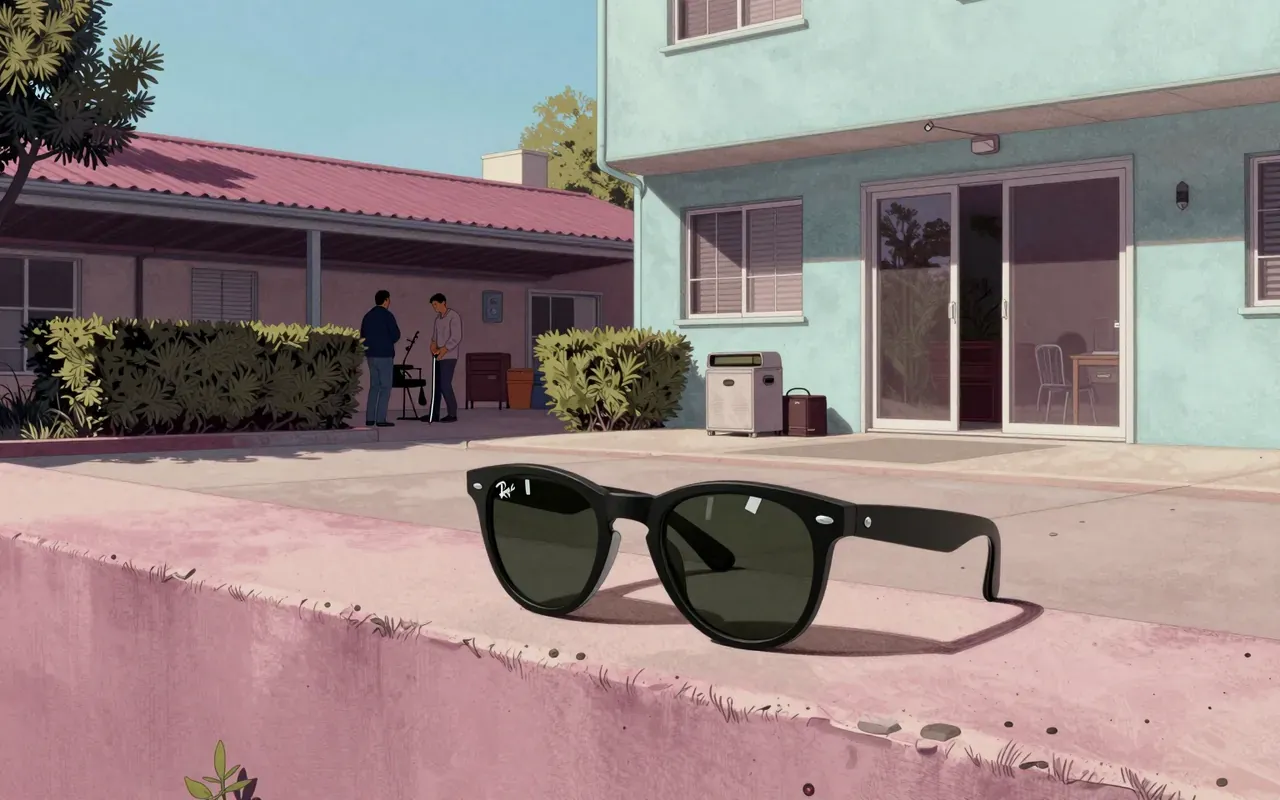
The Cartier Tank is a line of watches made by Cartier. It was created by Louis Cartier in 1917, and inspired by the new Renault tanks which Cartier saw in use on the Western Front. The prototype watch was presented by Cartier to General John J. Pershing of the American Expeditionary Force. The Tank was introduced in 1918, and entered full production in 1919, when six pieces were built. Its lines and proportions are similar to those of tanks used on First World War battlefields. Its strap is integrated into vertical sidebars called brancards. The defining features of a Tank watch include its bold Roman numeral dial with a chemin de fer chapter ring, sword-shaped blued steel hands, and a sapphire cabochon-surmounted crown.
8:24

Rolex Submariner

The Submariner stopped being a diver’s tool in the 1960s—and became the world’s most successful status symbol disguised as one.
8:21

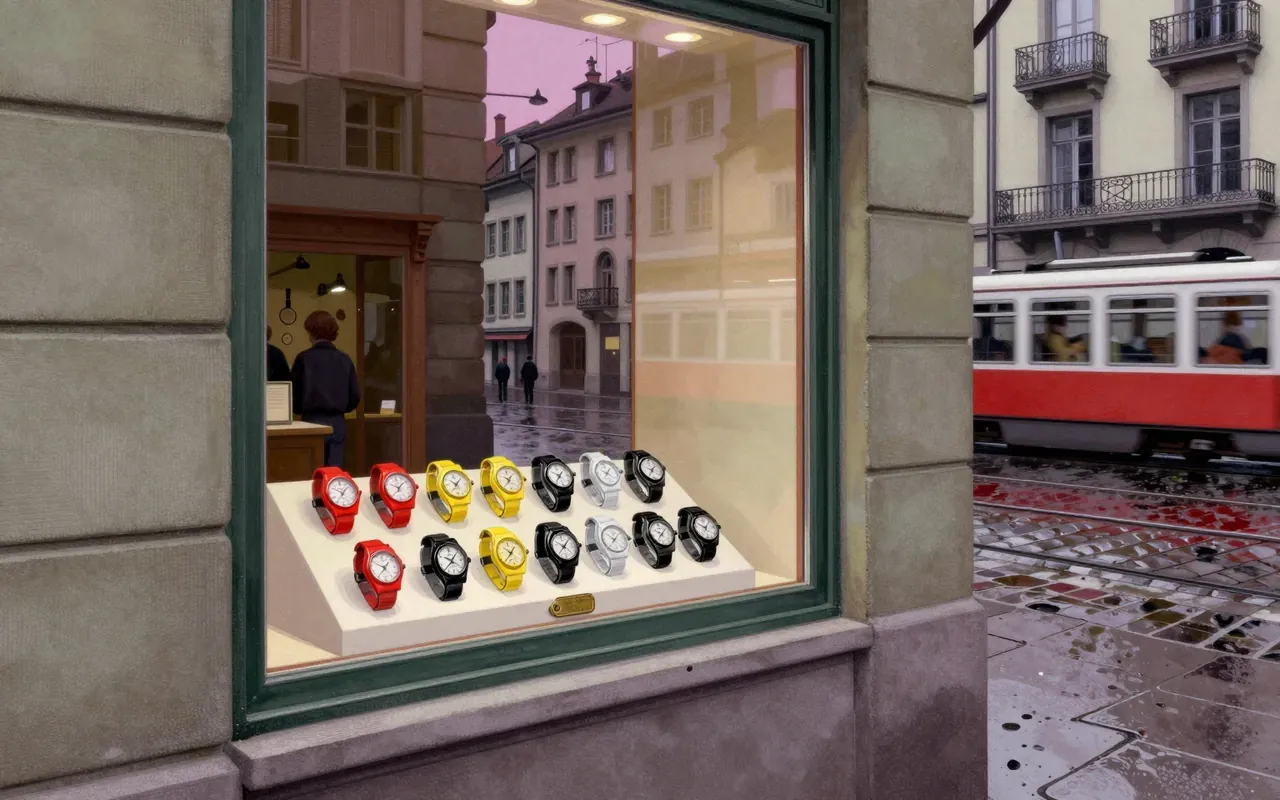
Swatch

Swatch didn’t save Swiss watchmaking—it outsourced its soul to plastic and price.
10:00

Chanel 2.55

Coco Chanel

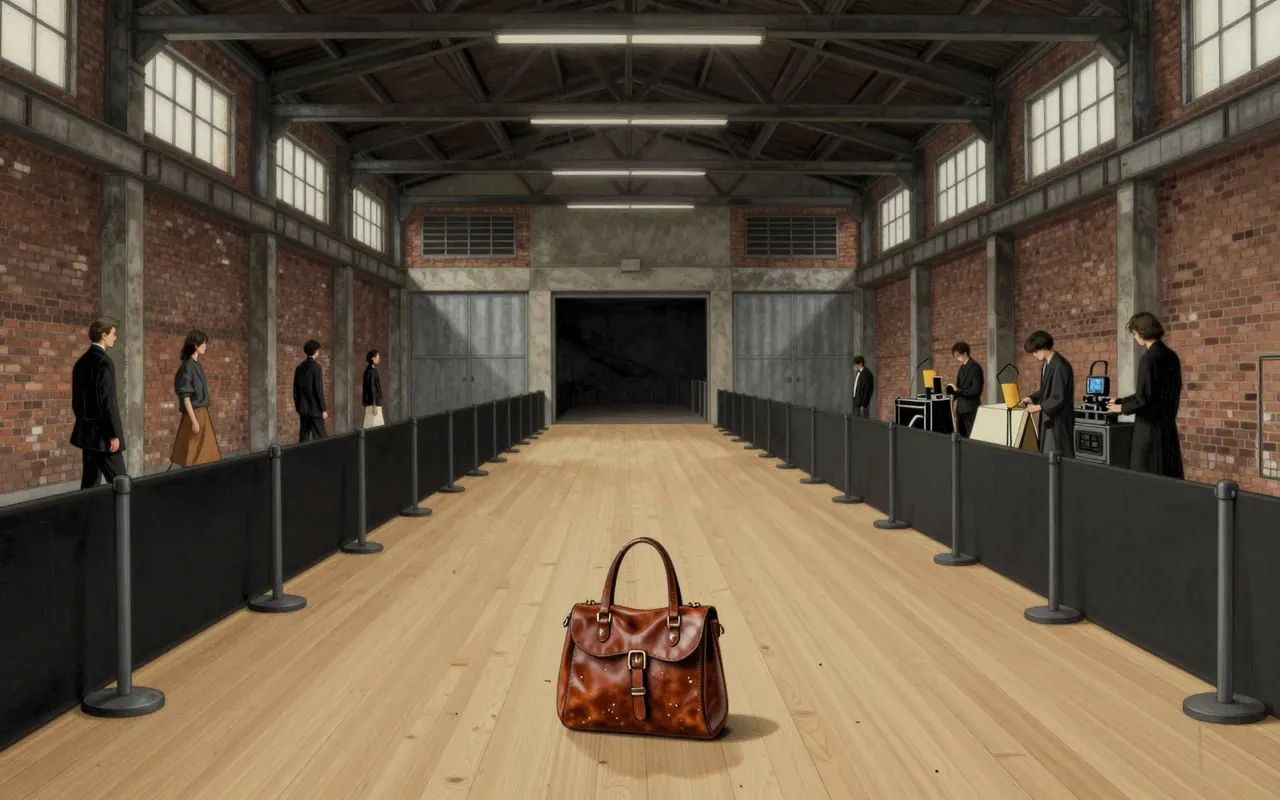
The Chanel 2.55 is a functional object turned cultural cipher — its innovations real, its symbolism rooted, its legacy inflated.