What the garment is and where it came from
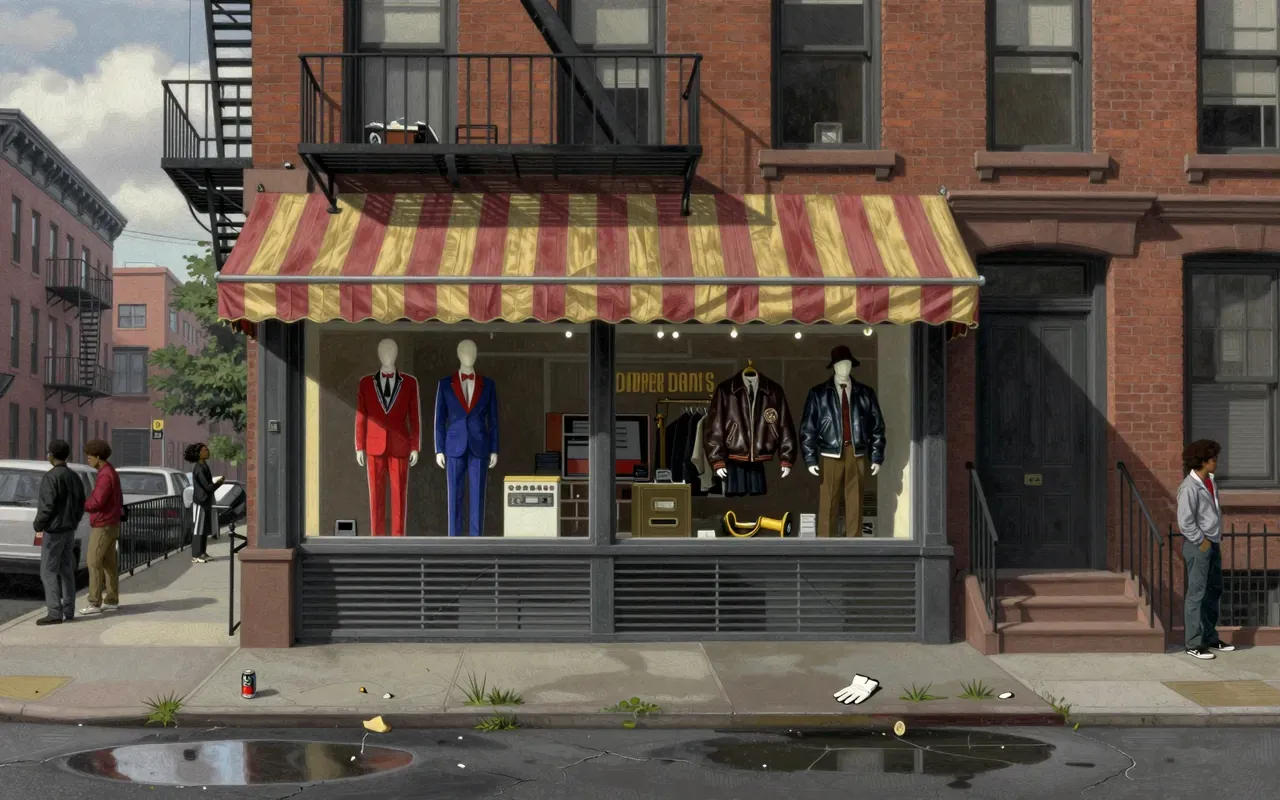
Street style is not a garment. It is a method of dressing rooted in urban youth culture. It emerges from the population at large, not design studios. It has no prototype, no launch date, no pattern.
How it works, in terms someone would actually use
Street style works by assembling garments, accessories and gestures into personal syntax. It uses subcultural codes, hybrid combinations and everyday items to signal identity in real time. It is worn, not styled for camera. It operates in sidewalks, stations, parks—places where people move without direction.
What it gets right
It names the body as a site of negotiation—not self-expression alone, but layered, intersecting, sometimes contradictory identity work. It treats dress as evidence, not decoration.
What it does not
It does not originate in studios. It does not require professional training. It does not depend on commercial release calendars. It does not speak with one voice or follow one geography.
What it changed
It changed who gets to define fashion. It shifted authority from designers and editors to pedestrians. It turned the street into a site of production, not just consumption.
Who it is for, and who it is not
It is for people who wear clothes to stake claims, test boundaries and hold space in cities. It is not for those who require institutional validation before dressing, or who mistake documentation for authorship.
Is it worth your time
Yes—if you care how identity is built, contested and circulated outside studios and showrooms. No—if you only trust fashion that arrives pre-approved, branded or seasonal.