Saved
Houses & movements

Streetwear

23
briefs
9:45
average
224 min
in total
1
designers
All briefs23
10:13

Casablanca

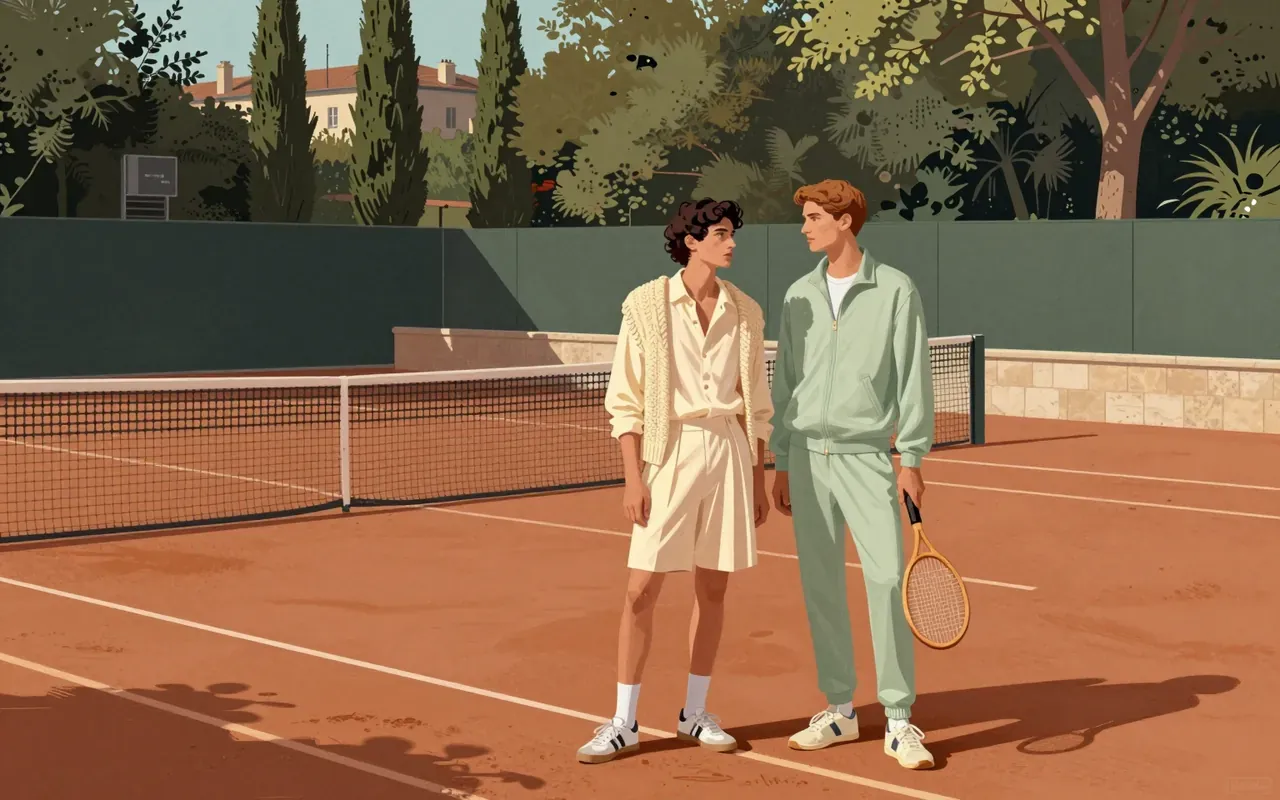
Casablanca is a Paris fashion label, founded in 2018 by Charaf Tajer, known for après-sport clothing and hand-painted prints.
9:27

Undercover

Undercover is a Japanese fashion label founded in 1993 by Jun Takahashi as a high-end streetwear label for men, women and children.
9:36

Street style

Street style is not fashion’s raw material—it is fashion’s first draft, written by the people it claims to serve.
9:05

Fiorucci

Fiorucci didn’t sell clothes—it sold permission to import culture.
9:25

Kith (brand)

Kith isn’t a clothing brand—it’s a retail operating system disguised as streetwear.
9:12

Noah (brand)

Noah stitches Long Island breezes, New Wave static, and Thursday-morning discipline into menswear — no nostalgia, no excuses.
8:51

Supreme (brand)

James Jebbia · 1994

Supreme is a retail system disguised as a clothing brand. Its power lies in timing, placement, and repetition—not fabric innovation or silhouette evolution. It answers to skate culture’s immediacy, not fashion’s longevity. It belongs in wardrobes that speak in slogans, not stories.
8:06

A Bathing Ape

A brand named after lazy opulence that built scarcity into its DNA — and made it profitable.
10:05

Hysteric Glamour

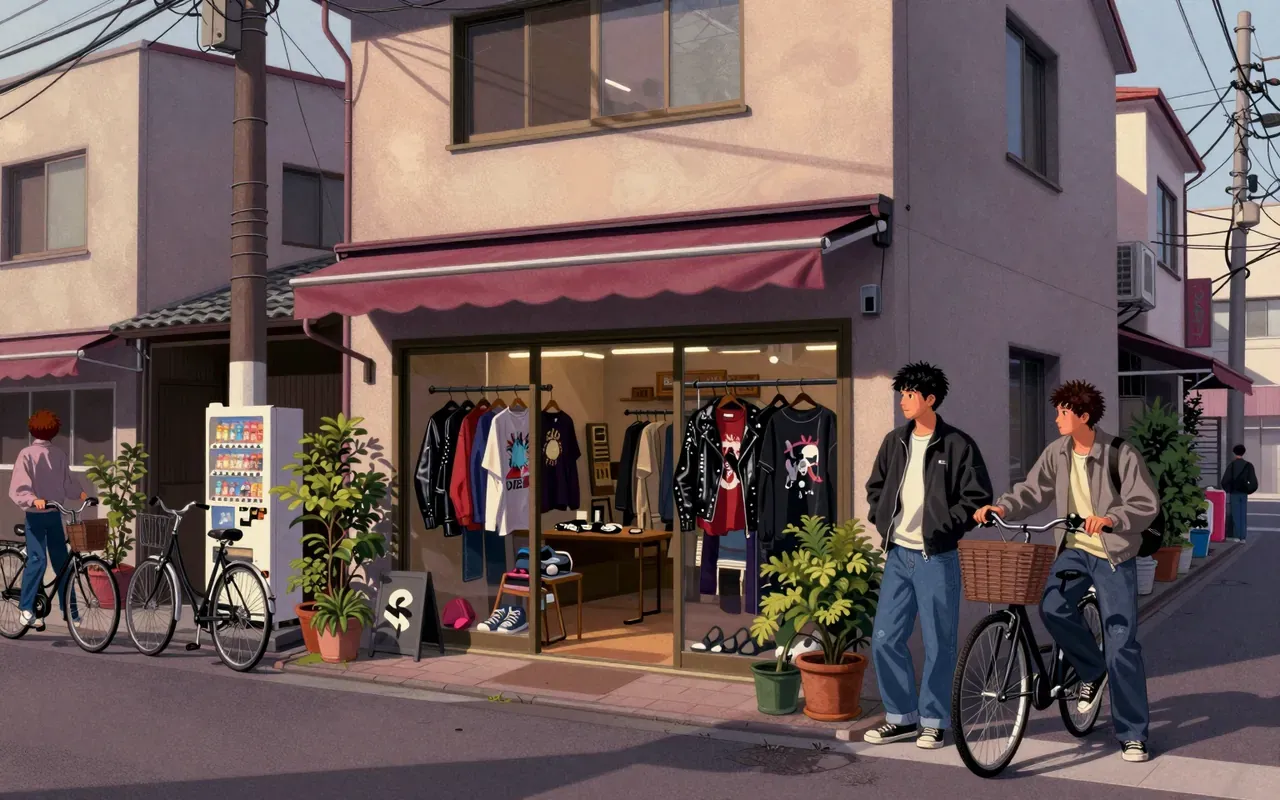
A Tokyo label that weaponised Western counterculture—and never let the clothes catch up to the graphics.
9:35

I-D

A wink is not charm—it’s a contract. i-D made it the only rule that never changed.
11:25

Jerry Lorenzo

Fear of God is not streetwear dressed up — it is belief, baseball, and grunge made wearable as quiet doctrine.
10:24

Stüssy

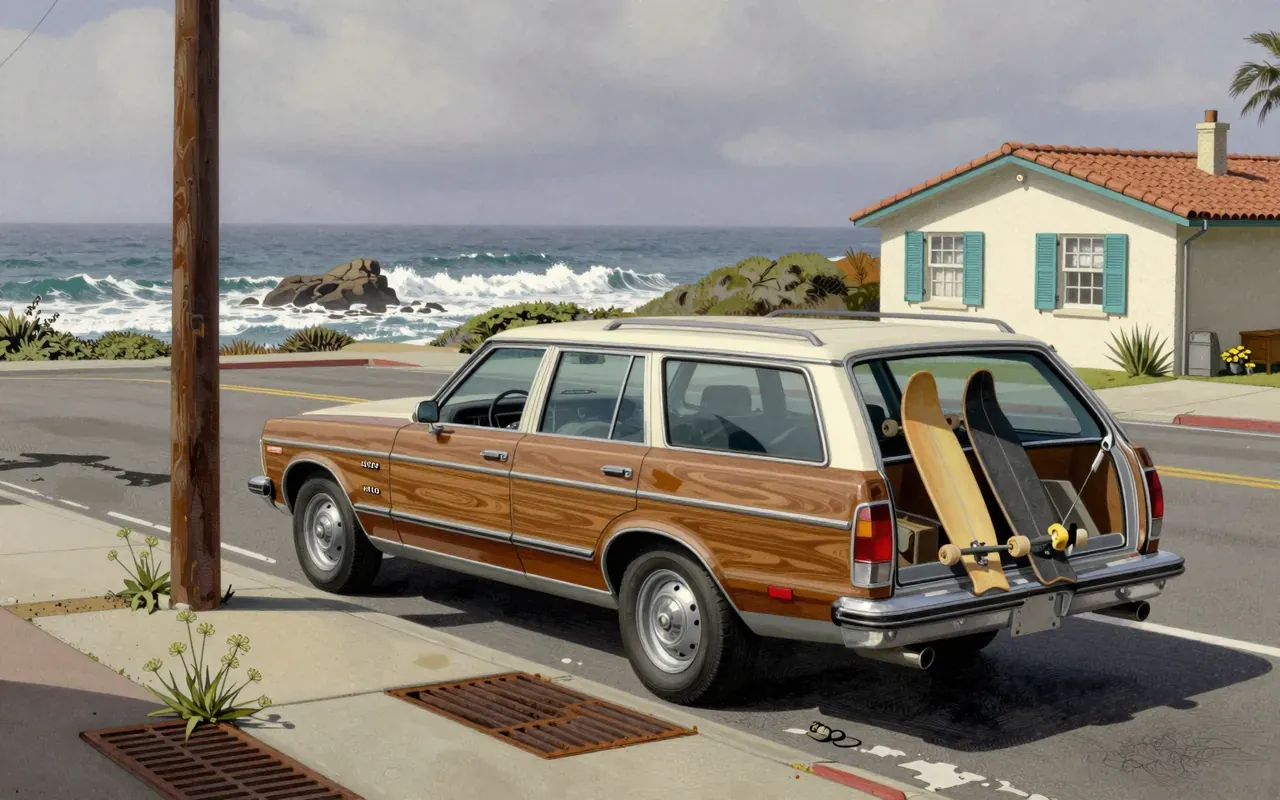
A surfboard signature, copied from an uncle’s hand, became a fashion house — not by design, but by distribution from a car.
9:58

Athleisure

Athleisure is not relaxation—it’s rearmament for daily life in technical fabric.
8:05

Tracksuit

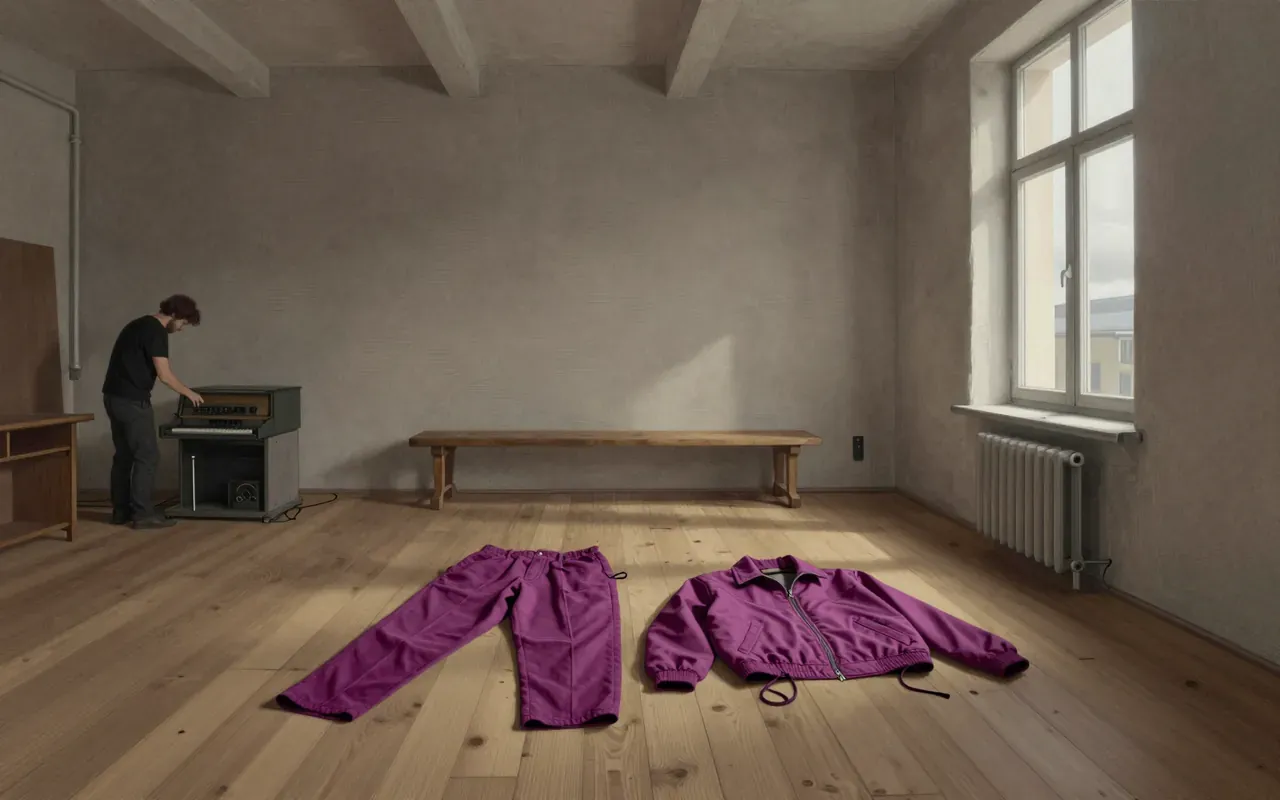
A warm-up garment that never warmed up to being taken seriously — until it didn’t need to.
13:47

Hoodie

A garment built for warmth became a screen for society’s anxieties about who belongs — and who must be watched.