fashionbriefs
9:25in productionCh. 1 · It is a place, not a product/ 9:25 · ceiling 15 min
Subculture style · Streetwear

Ura-Harajuku

Ura-Harajuku is a street map, not a style guide.

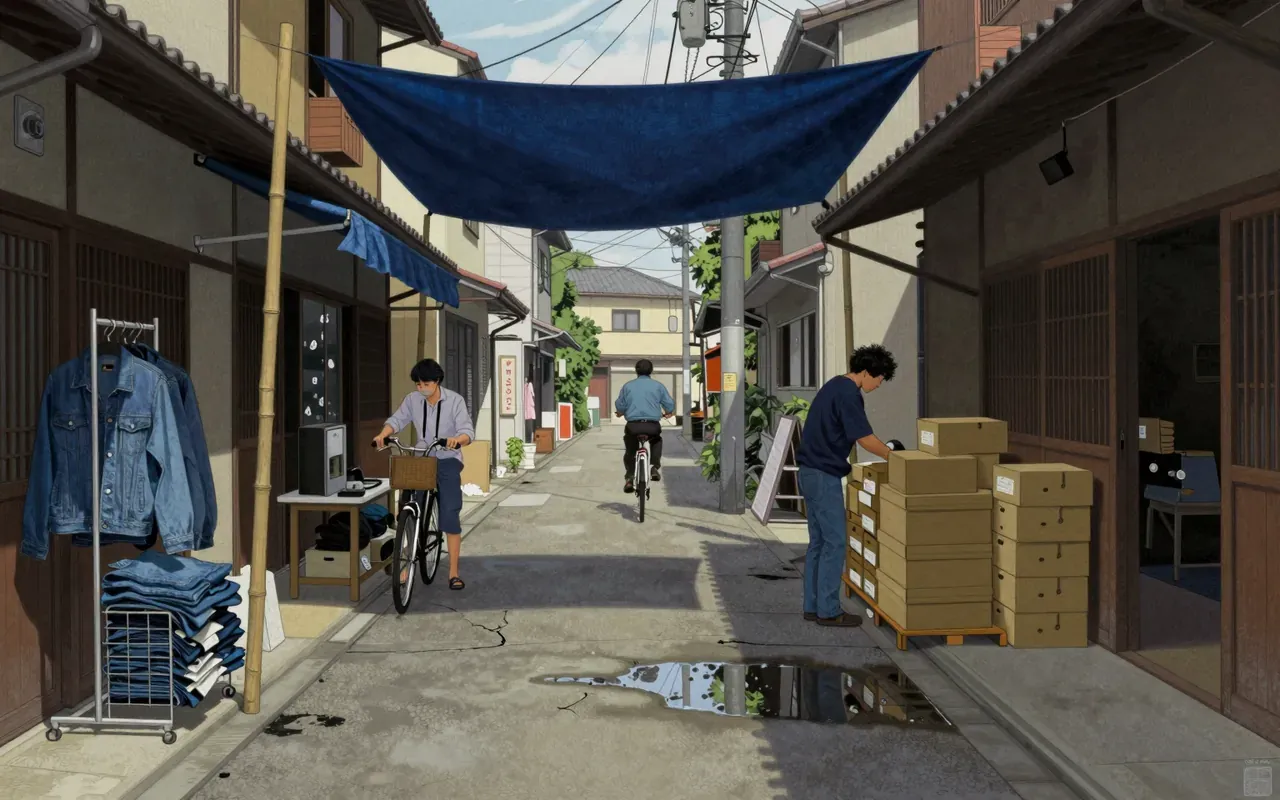
Ura-Harajuku is a geographic designation — not a fashion movement, not a garment, not a stylistic doctrine. It names a pedestrianized zone of independent commerce in Shibuya, Tokyo. Its relevance to fashion is infrastructural, not sartorial.

Chapters & takeaways4
  1. 1:00
    It is a place, not a product

    Ura-Harajuku is a nickname for an area — not a brand, not a look, not a collection.

  2. 2:46
    Perpendicular, not parallel

    Its layout is defined by orientation: backstreets running perpendicular to Omotesandō.

  3. 4:32
    Feet first, not storefronts

    Pedestrianization and independence distinguish it from Harajuku’s vehicle corridors.

  4. 6:17
    Cat Street is the spine

    Cat Street anchors the district as its principal north–south artery.

Worth your time?

No. The brief is enough.

2.5/ 5
What works
  • spatial resistance
  • pedestrian priority
  • independent retail clustering
What does not
  • fashion/garments
  • fashion/ready-to-wear
  • fashion/houses
Wear it if
  • urban geographers
  • retail historians
  • Tokyo walkers
Skip it if
  • wardrobe builders
  • style codifiers
  • garment collectors
The written brief1 min read

What the garment is and where it came from

There is no garment. Ura-Harajuku is not a garment, nor a fashion movement. It is a district.

How it works, in terms someone would actually use

Ura-Harajuku is not a garment. It is a pedestrianized network of backstreets in Shibuya, Tokyo — Jingūmae 3 chōme and 4 chōme — laid out perpendicular to Omotesandō.

What it gets right

It gets right the spatial logic of resistance: small scale, pedestrian priority, independence from corporate thoroughfares.

What it does not

It does not name a clothing style, movement, label, or garment. It names a place. It makes no claims on fabric, cut, silhouette, or wearability.

What it changed

It changed how Tokyo’s retail geography was navigated — shifting attention from Omotesandō’s boulevard retail to narrow, foot-only lanes where independent shops clustered.

Who it is for, and who it is not

It is for people walking, not dressing. It is for shopkeepers, not designers. It is not for anyone seeking a sartorial code.

Is it worth your time

It is worth your time only if you are mapping urban subcultural infrastructure, not fashion production.

Same rail · Subculture style4 of 23
8:52
Indie sleazeIndie sleaze is a fashion style that was popular in the United States and United Kingdom from approximately 2006 to 2012. It originated in the late 1990s and early 2000s amongst New York City's post-punk revival scene. During the 2000s, the style was largely referred to as simply indie style or hipster style. The term 'indie über-sleaze' was coined in 2016. The term was shortened to simply 'indie sleaze' in 2021 by the Instagram account @indiesleaze. Indie sleaze experienced cultural resurgence in the early 2020s as an Internet aesthetic. Indie sleaze was characterised by an affordable, messy and lethargic take on vintage fashion styles, especially the 1970s.
7:49
PaninaroPaninaro was a 1980s Milan-based youth subculture centred on branded, luxury-priced reinterpretations of American working-class garments — notably Timberland boots, Levi's jeans, checkered shirts, and woodcutter-style belts — codified at Milan's Al panino bar and disseminated via media, television, and music. It emerged as a post-political, hedonistic consumerist response in early-1980s northern Italy.
9:08
Antwerp SixThe Antwerp Six were not a style, school or manifesto. They were six designers who trained together at Antwerp’s Royal Academy of Fine Arts in 1980–1981. In 1986, they rented a truck, drove to London Fashion Week, and presented collectively. Reporters—unable to pronounce their Flemish names—dubbed them the 'Antwerp Six'. Their unified presence established Antwerp as a notable fashion city and secured an early sale to Barneys New York. Nothing in the record describes their garments’ construction, drape or cloth. The movement is logistical, linguistic and locational—not sartorial.
8:09
Martine RoseMartine Rose is a menswear practice defined by subcultural reference and method-driven disruption—not a single garment, but a system of choices: oversized cuts, non-seasonal releases, hybrid fabrics, and presentations in street markets and cul-de-sacs in Camden, London.
Up next in Fashion

Air Jordan

1984 · 10:06

A shoe that broke league rules to become a retail weapon—and collapsed under its own chemistry.

10:06