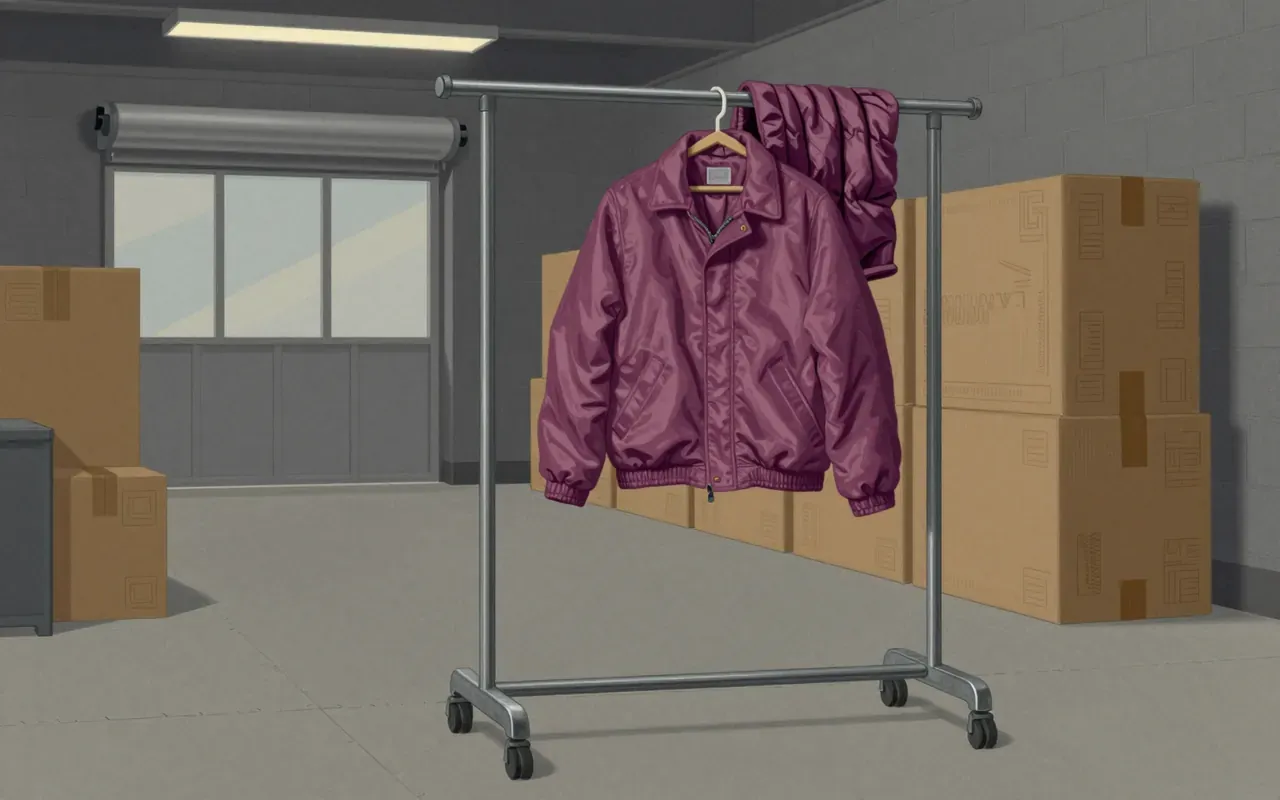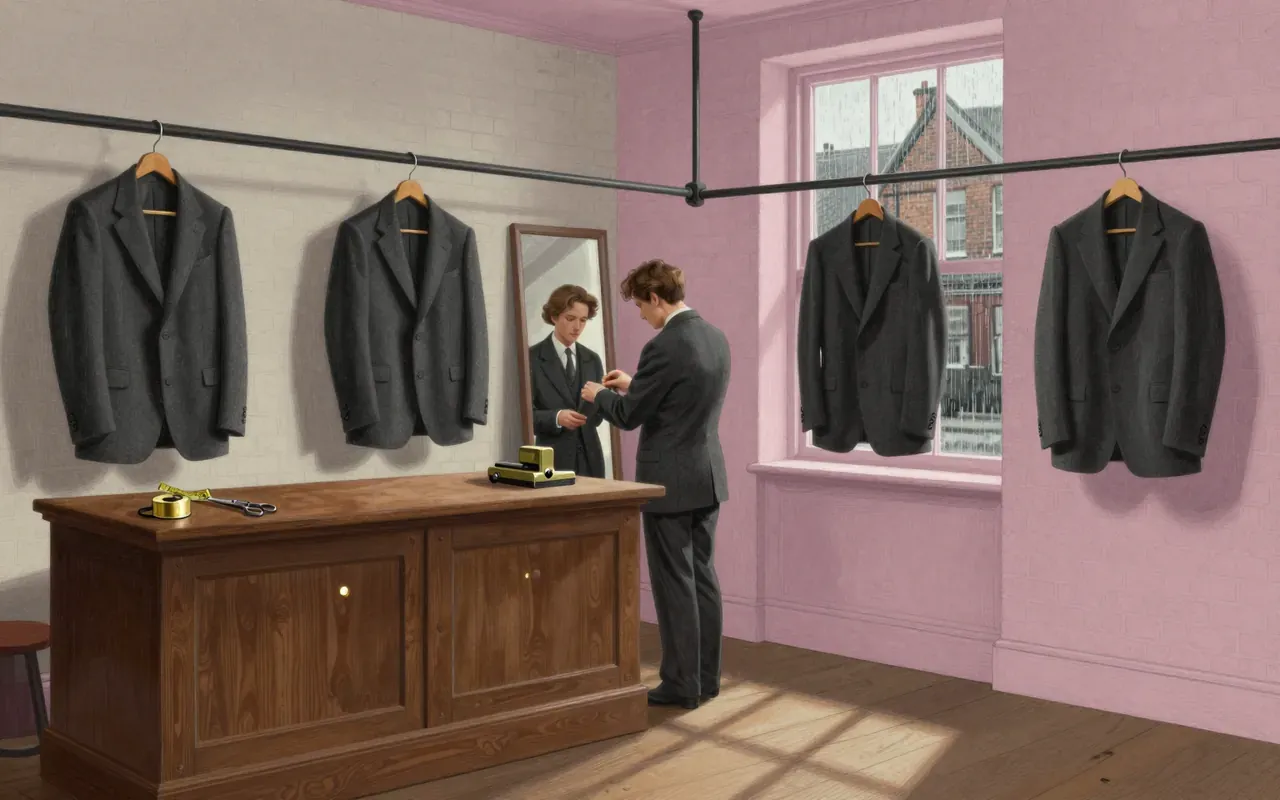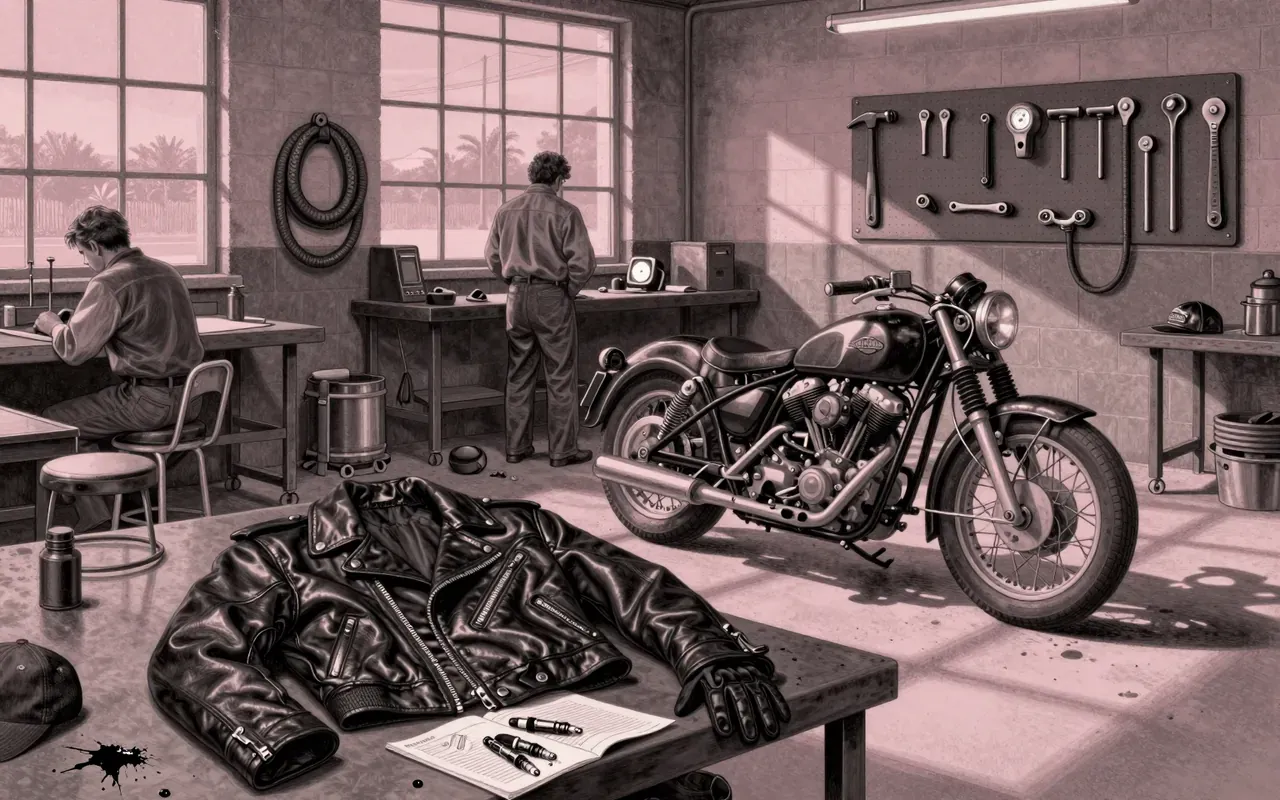
fashionbriefs
8:42in productionCh. 1 · Not born in rebellion/ 8:42 · ceiling 15 min
Outerwear · Garments

Leather jacket

A leather jacket protects the body—but never the ideology worn beneath it.

The leather jacket is a functional object that accrued meaning without consent. It started as buckskin trade wear. It became military issue. It was adopted by disparate groups who shared only the need for torso protection—not politics, aesthetics or allegiance. Its durability enabled its dispersal. Its silence enabled its misreading.

Chapters & takeaways4
  1. 0:59
    Not born in rebellion

    It began as buckskin trade wear—not rebellion, not uniform, but practical adaptation by Native Americans in the eighteenth century.

  2. 2:03
    Built for altitude

    The A1 (1925) and its WWII updates—zippers, sheepskin—made it functional military kit, not fashion.

  3. 3:26
    Worn by duty, not design

    Motorcycle police, German officers and aviators all used it for protection—not symbolism.

  4. 5:02
    Adopted, not assigned

    Greasers, punks, goths and metalheads repurposed it—but never agreed on what it meant.

Worth your time?

Yes. Wear the whole thing.

4/ 5
What works
  • as evidence of functional continuity across centuries
  • as a test of how quickly utility becomes legible as identity
  • as a reminder that garments don’t choose their wearers
What does not
  • iconic
  • groundbreaking
  • timeless
  • seminal
Wear it if
  • people studying material culture
  • those tracking how objects move between state and street
  • anyone suspicious of symbolic consensus
Skip it if
  • those seeking origin myths
  • readers wanting definitive cultural taxonomy
  • anyone who conflates visibility with coherence
The written brief1 min read

What the thing is

A jacket or coat made from tanned animal skin. Typically dyed black or brown. Designed for aesthetic and protective functions.

Where it came from

Native Americans crafted buckskin jackets in colonial military styles in the eighteenth century. The first modern version—the A1 flight jacket—was created by Chapal in 1925 and adopted by the US military in 1927.

What it gets right

It delivers durable, weather-resistant protection for high-risk movement: flight, motorcycling, policing. Its cut, weight and closure system evolved precisely to shield the torso and arms from wind, cold and abrasion.

What it gets wrong

It implies unity across groups that had no shared intent: German officers, Bolshevik commissars and Black Panthers wore it for different reasons, under different hierarchies, with incompatible politics.

Why it matters now

It reveals how a single garment can absorb contradictory meanings: authority and rebellion, discipline and chaos, state power and street resistance—all while remaining materially unchanged.

Is it worth your time

Yes—if you care how functional gear becomes ideological shorthand without changing shape.
Same rail · Outerwear4 of 23
10:05
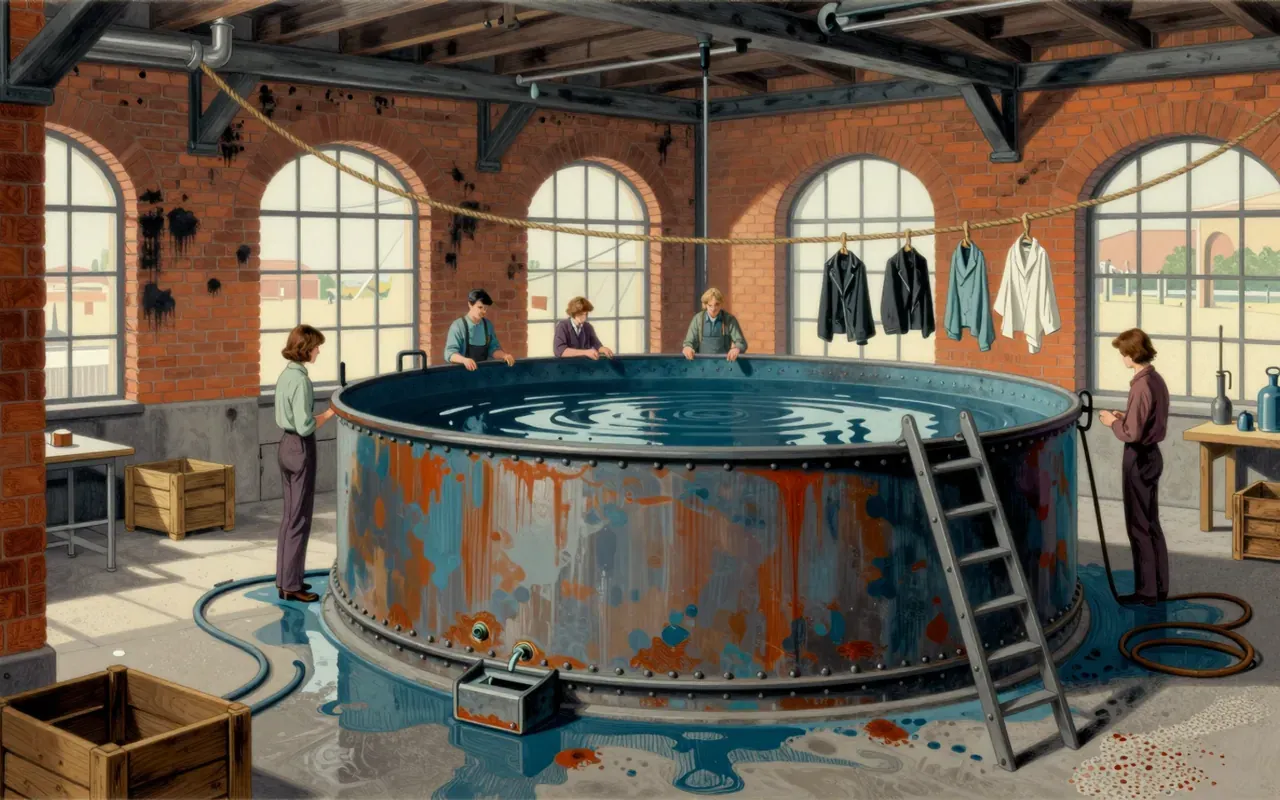
C.P. Company1974C.P. Company is fashion’s first industrial archive—a house built on dye vats, not catwalks.
8:34
Columbia Sportswear1938Columbia Sportswear is a vertically integrated outdoor apparel manufacturer founded in 1938 as a Portland hat distributor. Its core innovation is modular outerwear—interchangeable shells and liners using breathable waterproof fabric. It prioritises function, scalability, and supply chain control over aesthetic refinement or garment-level craft. It serves active users in changeable weather—not collectors, connoisseurs, or style-driven buyers.
8:46
Kevlar1965Kevlar is a para-aramid synthetic fibre developed by Stephanie Kwolek at DuPont in 1965. It was first commercialised in the early 1970s as a lightweight, high-strength replacement for steel in racing tyres. By 1971, modern Kevlar was introduced and adopted for ballistic use after folded-sheet bullet tests and goat trials demonstrated non-lethal wound outcomes. Its tensile strength (~3,000 MPa) and density (1.44) stem from inter-chain hydrogen bonds and aromatic stacking. It is synthesised via condensation of 1,4-phenylene-diamine and terephthaloyl chloride, with liquid-crystalline behaviour and chain orientation achieved through mechanical drawing.
8:09
Agnès b.The Agnès b. snap cardigan is a 1979 modification of a crewneck sweater: cut open and fitted with snap buttons. It is simple, accessible, and unstructured. It became a worldwide wardrobe staple — ageless and timeless — from New York to Tokyo to Paris.
Up next in Fashion

Suit

· 8:34

The suit isn’t formal wear—it’s the uniform of unspoken control.

8:34