Saved
Rail

Garments

220
briefs
9:25
average
2070 min
in total
10
designers
Rails under Garments6
All briefs220
8:00

Nylon

Wallace Carothers · 1935

Nylon is a family of synthetic thermoplastics characterised by amide linkages, melt-processed into fibres, films and moulded shapes. Wallace Carothers made the first one at DuPont in 1935, and women's stockings made it famous. Pure nylon's weaknesses in clothing led to blends with cotton, polyester and spandex, and pure nylon is now rarely used.
9:22

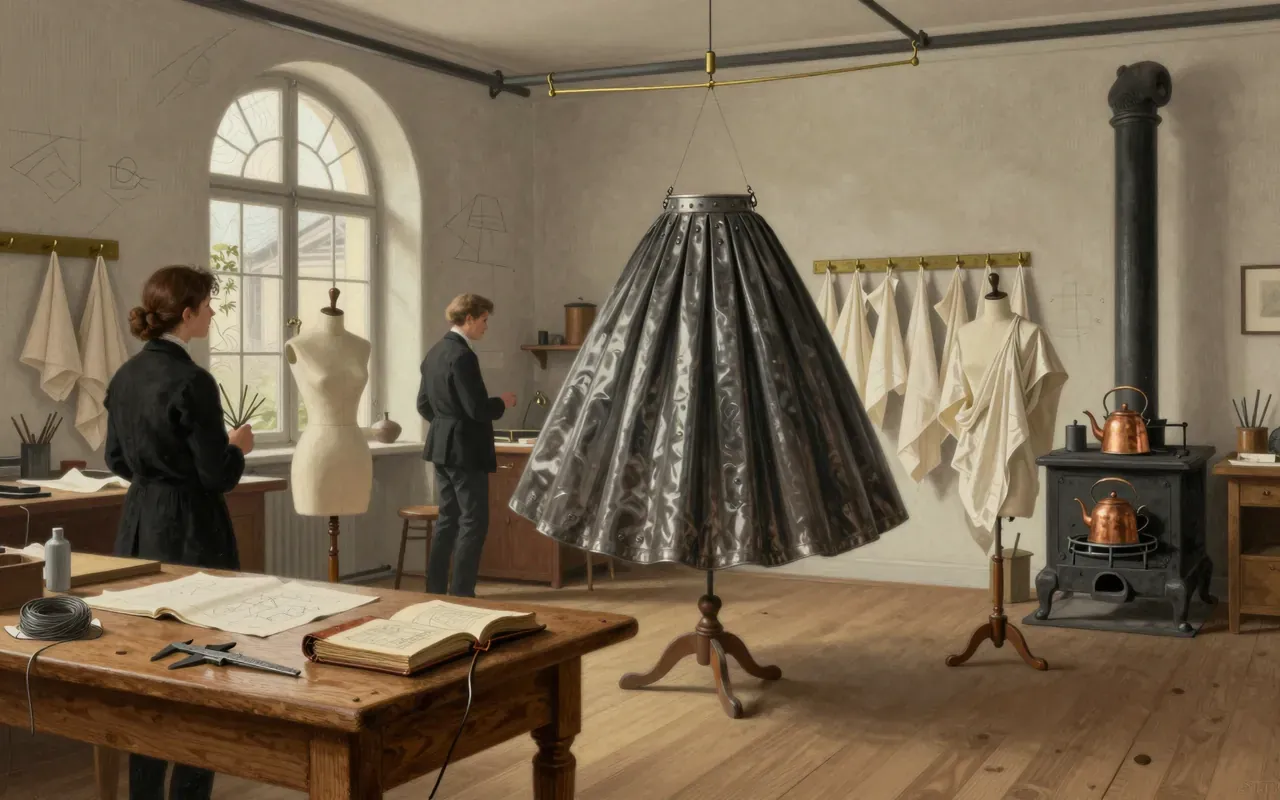
The bustle

The bustle is a padded undergarment or wire frame worn under the skirt at the back of a woman's dress in the mid-to-late 19th century.
9:53

Jersey

Jersey is a knit fabric, first made of wool and now also of cotton and synthetic fibres, used for T-shirts, underwear, dresses and sportswear.
10:06

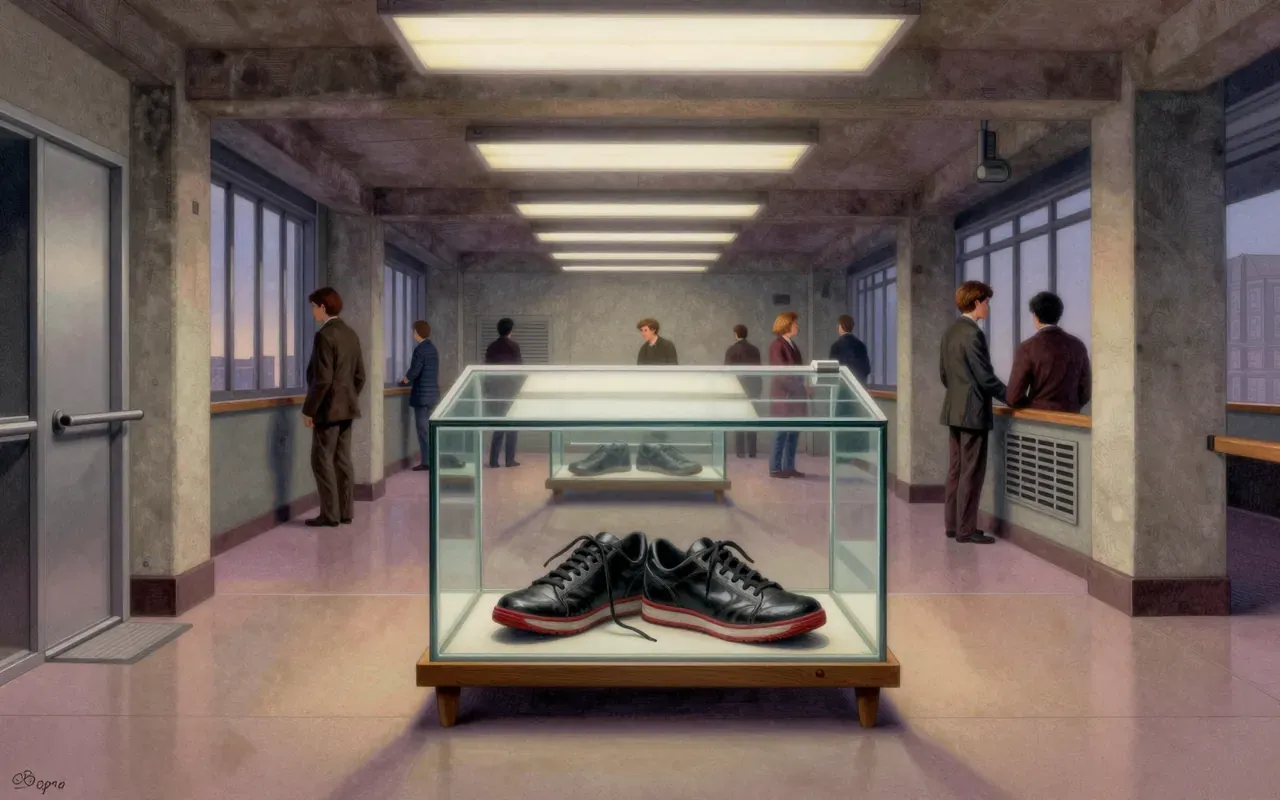
Air Jordan

A shoe that broke league rules to become a retail weapon—and collapsed under its own chemistry.
9:56

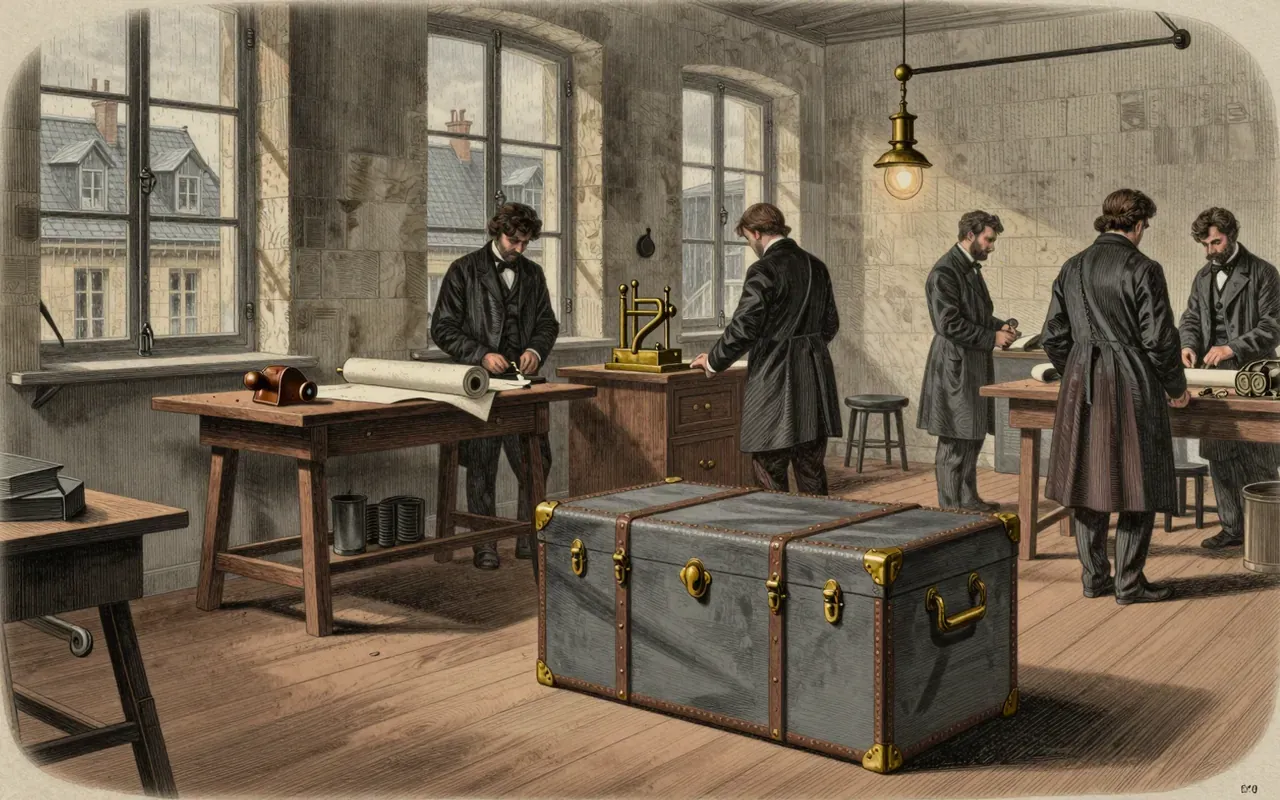
Louis Vuitton

Louis Vuitton didn’t invent luggage—it killed the rounded top and made stacking non-negotiable.
8:00

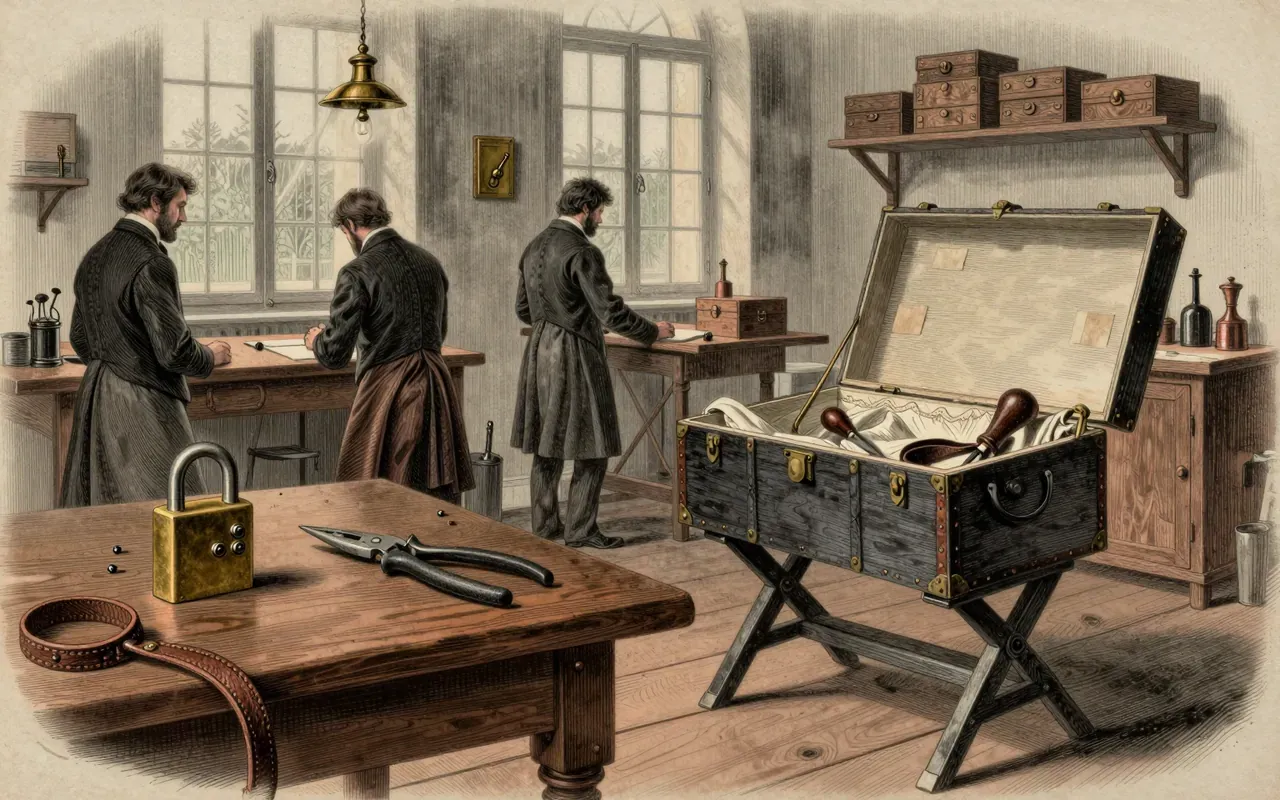
Louis Vuitton

A trunk is not a bag—it’s a sovereign unit of travel, and Louis Vuitton built the first one that refused to break.
8:18

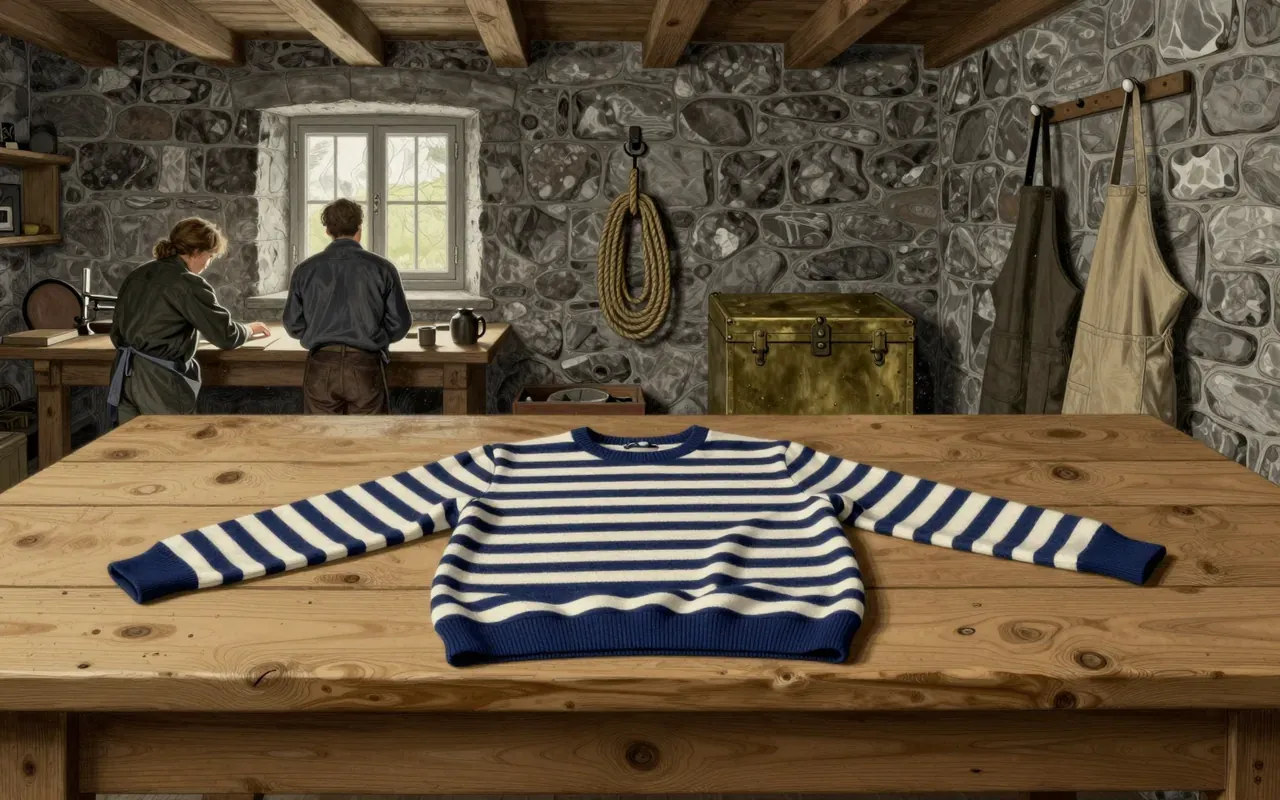
Marinière

A naval visibility tool that became fashion’s most obedient rebel.
9:26

Descente

Descente doesn’t make clothes — it builds wearable physics labs for bodies moving at speed in extreme cold.
7:48

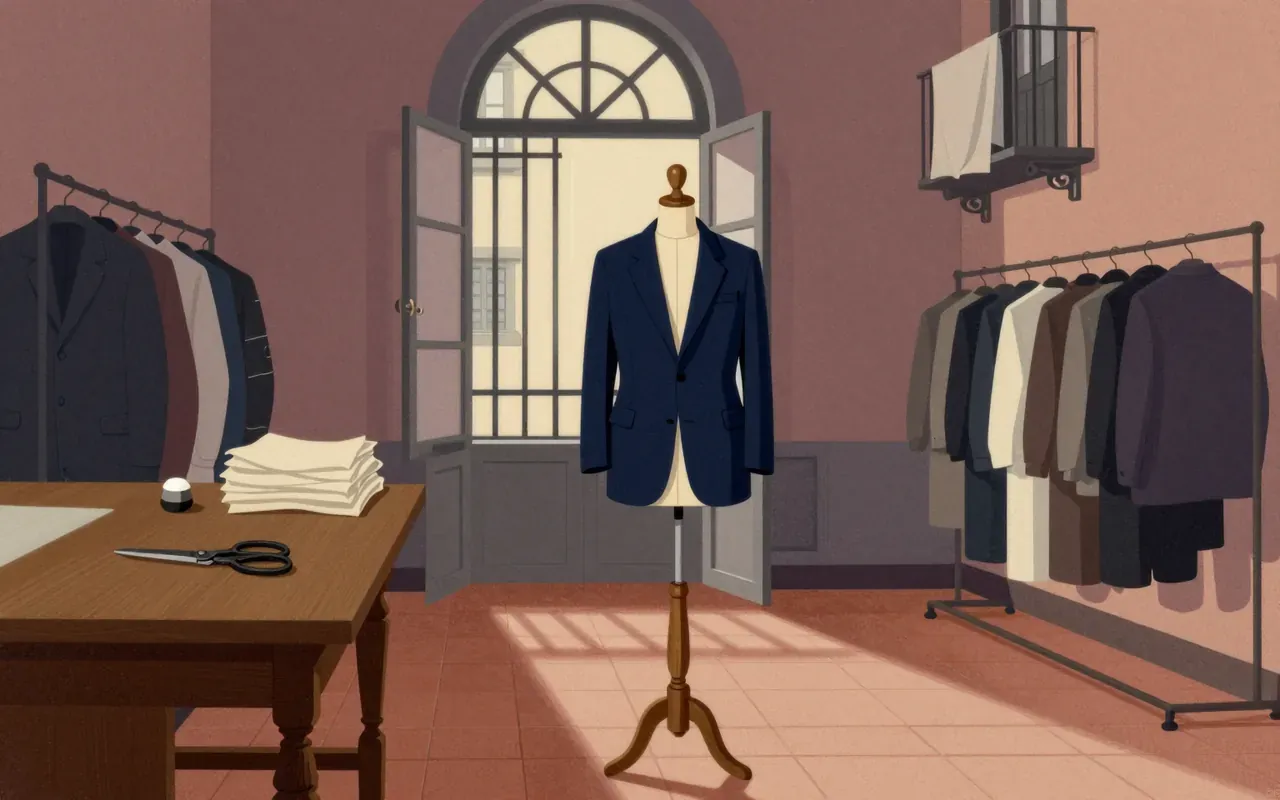
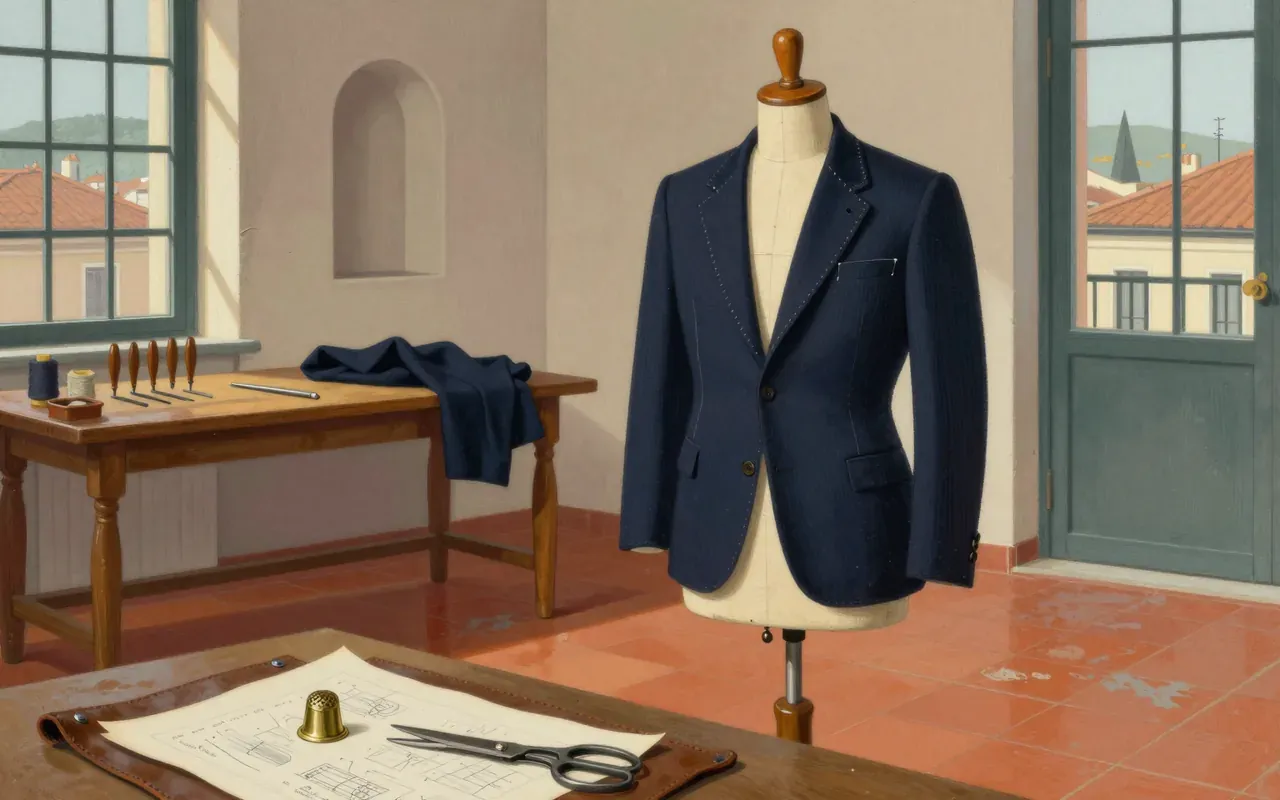
Rubinacci

Rubinacci invented the unstructured jacket not as rebellion—but as precision for real life.
9:37

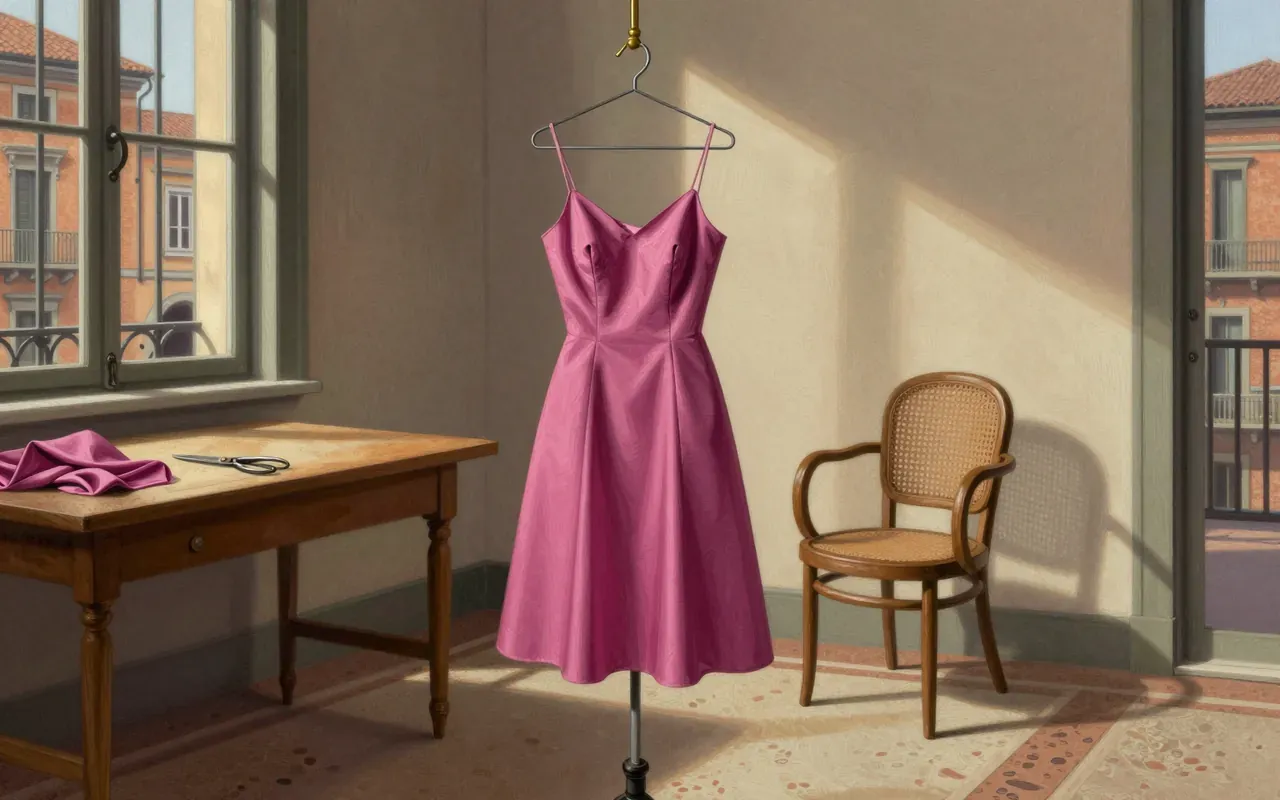
Slip dress

It is not lingerie pretending to be clothing—it is clothing that rewrites lingerie’s grammar.
9:32

The Attico

A dressing gown label that learned how to walk before it learned how to run — and still hasn’t learned how to stand still.
10:05

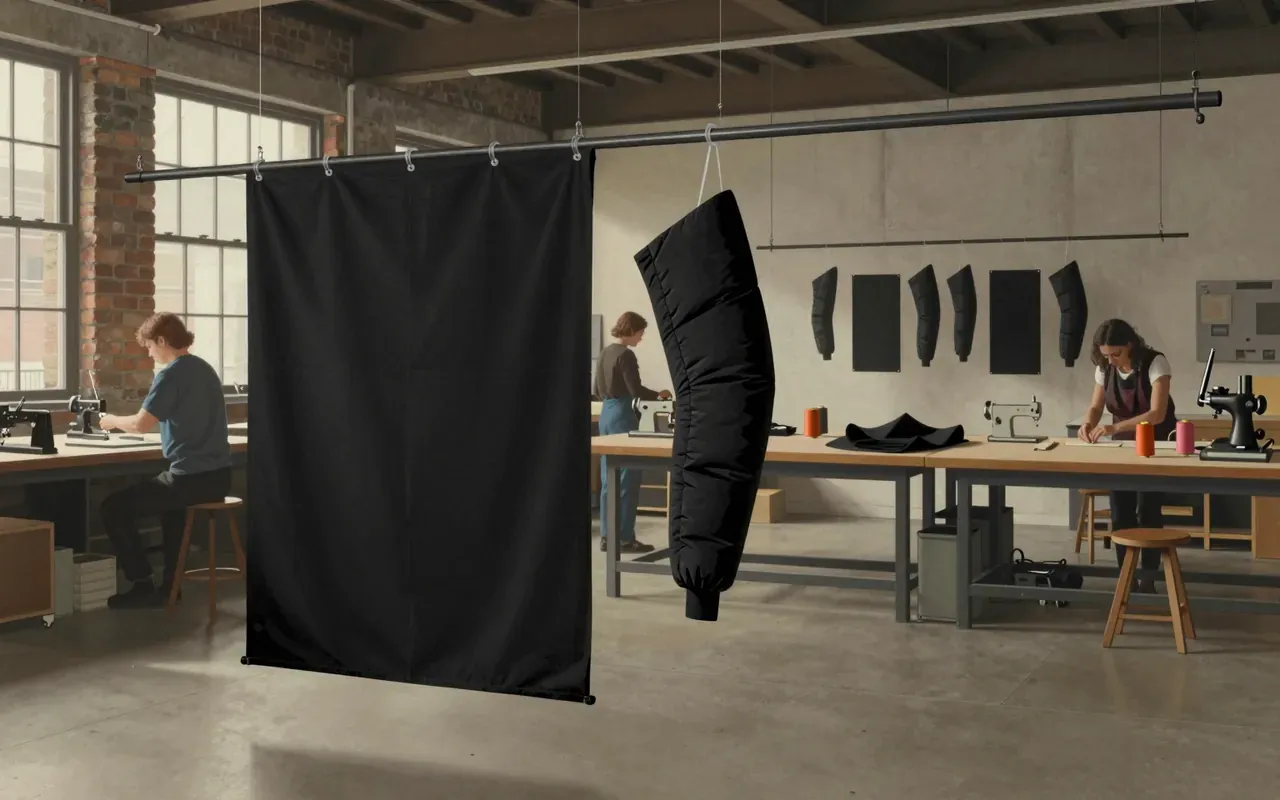
Hoop skirt

The first mass-class undergarment that traded comfort for silhouette — and won.
10:00

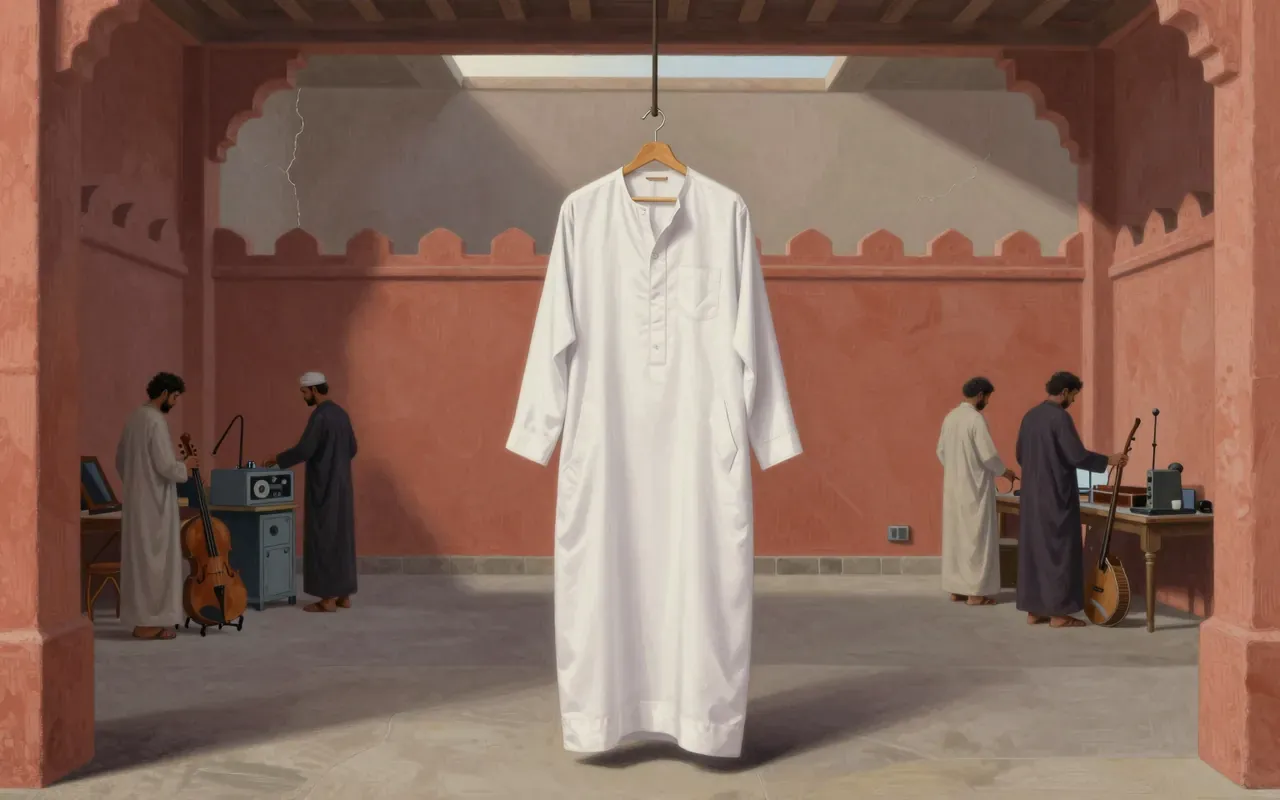
Thawb

A formal robe built for heat, hierarchy and holiness—not comfort, change or universality.
9:20

Tsumori Chisato

Tsumori Chisato

Tsumori Chisato is a ready-to-wear fashion house defined by hand-painted print as primary structure, launched in 1990 after formative work in Issey Miyake’s sports line, relocated to Paris in 2003 with menswear introduced concurrently, and sustained by a transnational dialogue between Tokyo-rooted references and Paris presentation.

9:36

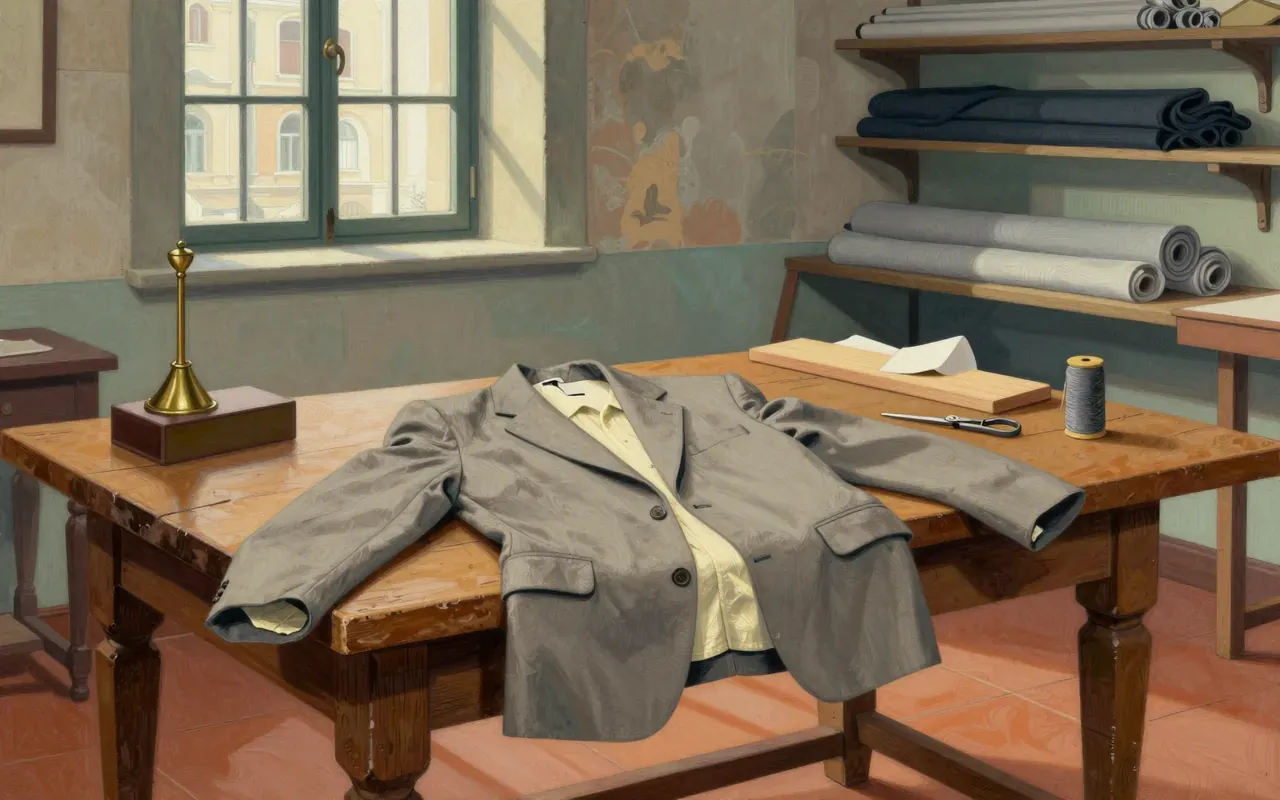
Boglioli

Tailoring without scaffolding: Boglioli’s jacket dyes its way out of tradition.
8:45

Brooks Brothers

Brooks Brothers didn’t invent American style—it built its wardrobe like a factory: precise, repeatable, and indifferent to the body.
10:39

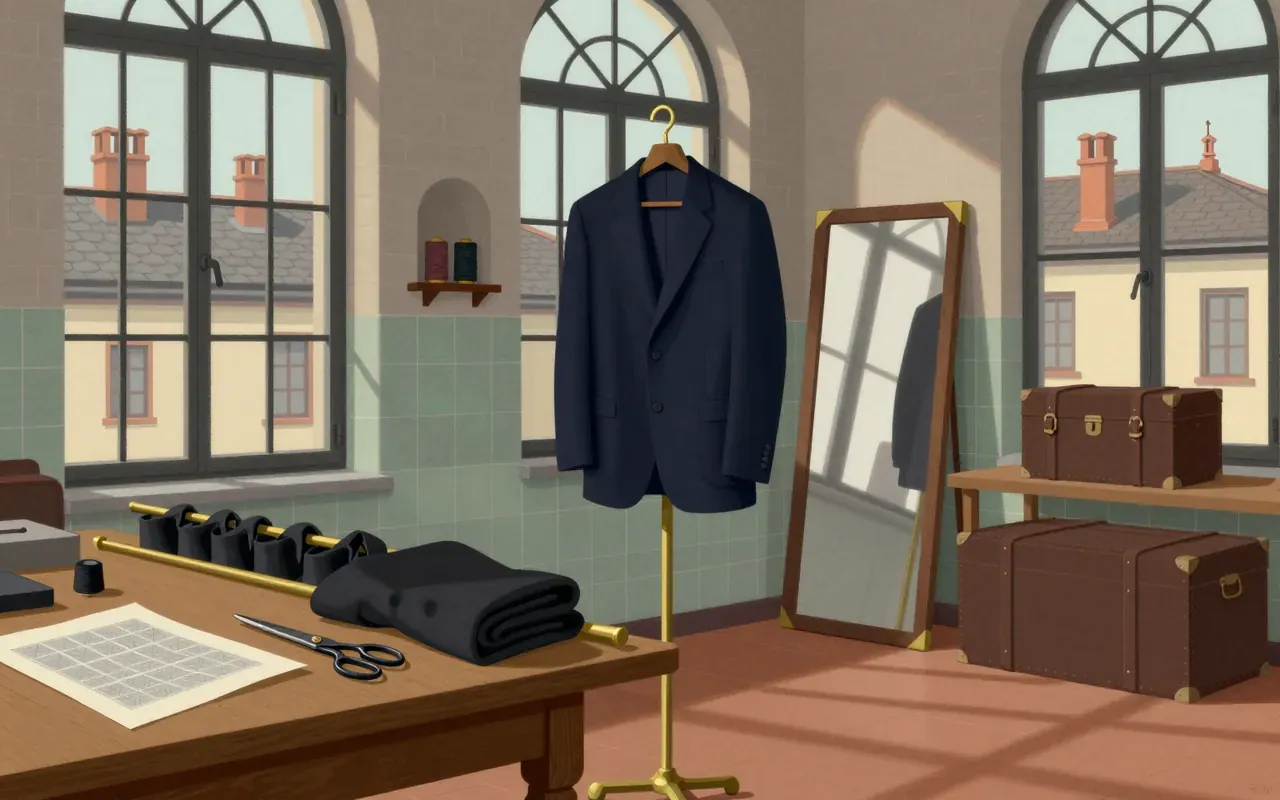
Canali

Canali didn’t invent Italian tailoring — it industrialised its authority.
9:48

Corneliani

Corneliani is not Italian elegance—it is Italian engineering applied to the suit.
9:10

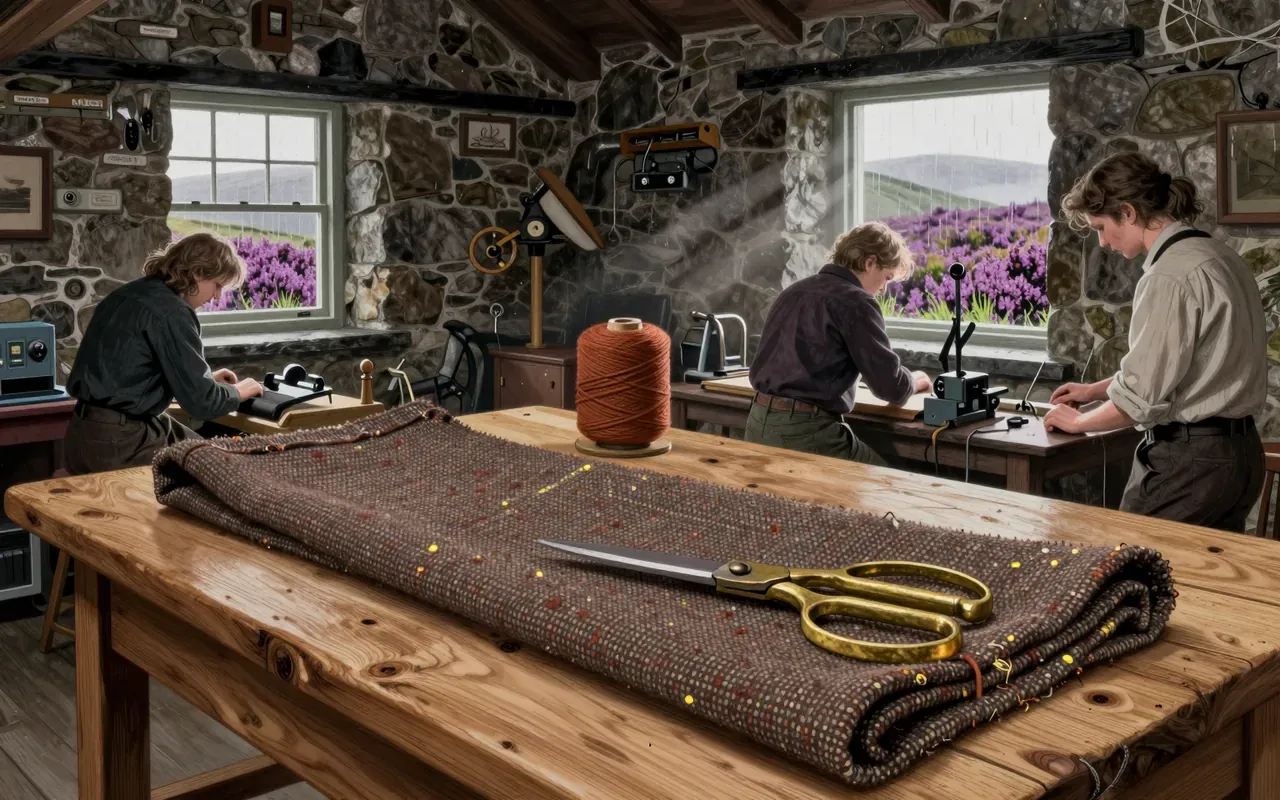
Donegal tweed

Donegal tweed is not Irish wool — it’s a label borrowed from a place, then detached from it.
9:42

Isaia

Isaia tailoring doesn’t hide from the sun—it fights back with colour and coral.
9:18

Ivy League (clothes)

Ivy League clothing was not rebellion—it was recalibration: sportswear stripped of sport, tailoring stripped of tension, class stripped of ceremony.
10:05

Pierre Cardin

Cardin didn’t dress bodies—he dressed ideas, and they still don’t fit comfortably.
9:51

Preppy

Preppy isn’t style — it’s a class passport stamped at boarding school.
9:06

Evisu

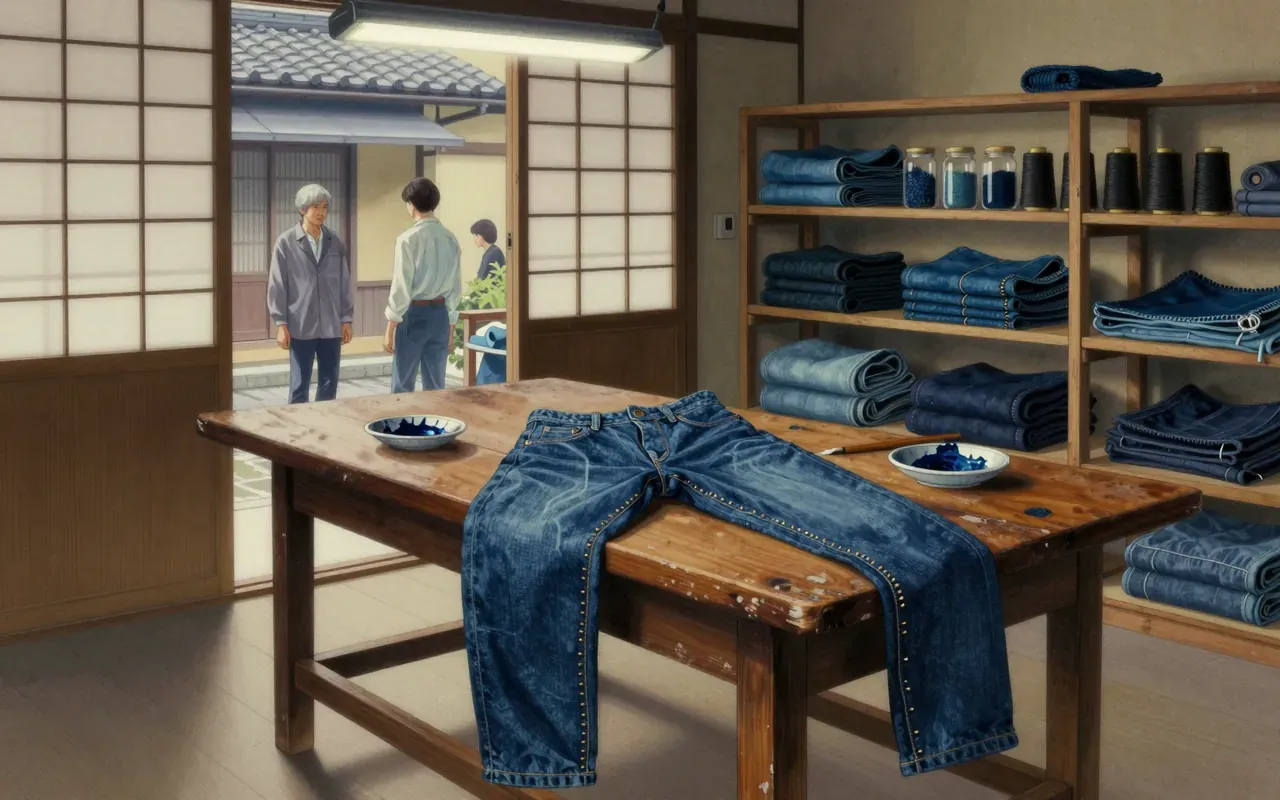
A denim label whose hand-painted seagull became a legal liability before it became a logo.
10:40

Kate Moss

Kate Moss didn’t design clothes—she licensed a silhouette, a stitch, and a letter.
8:57

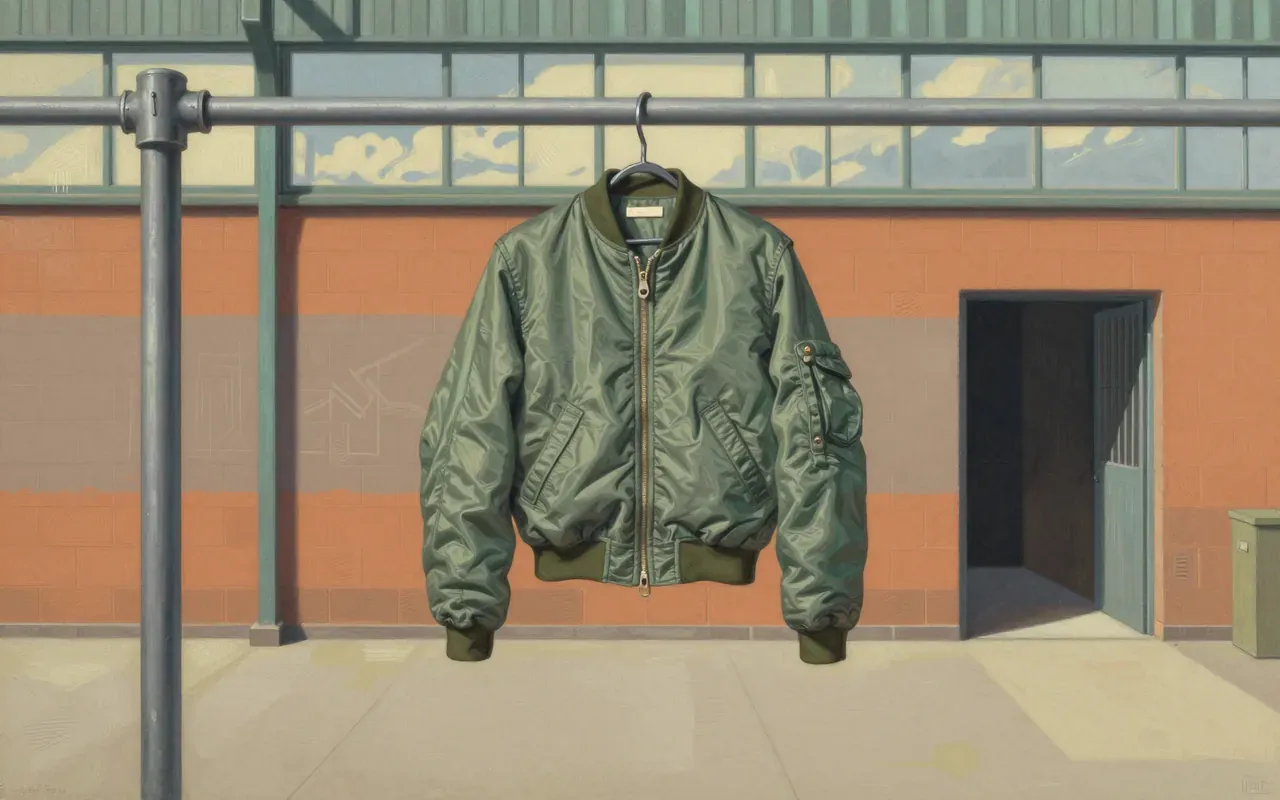
A-2 jacket

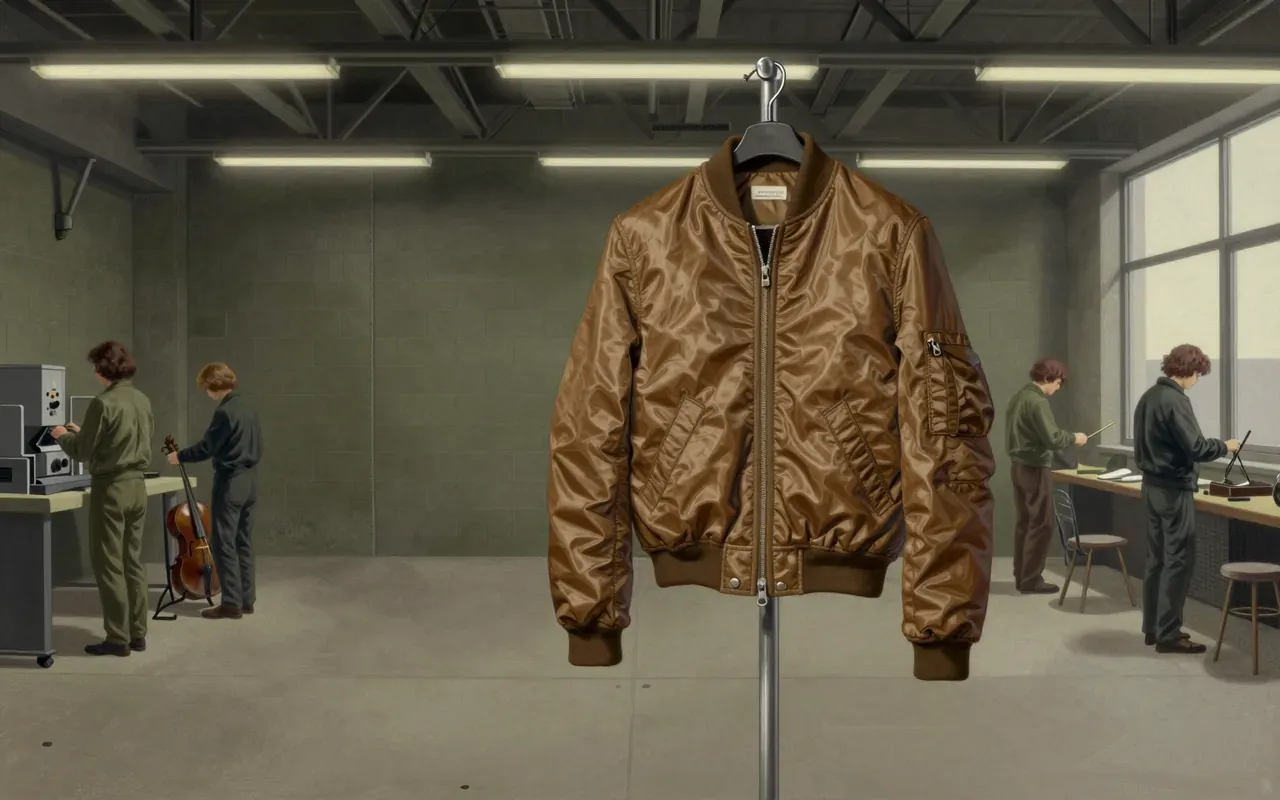
It didn’t replace the A-1—it outlived bureaucracy, supply chains, and its own cancellation.
9:24

Polar fleece

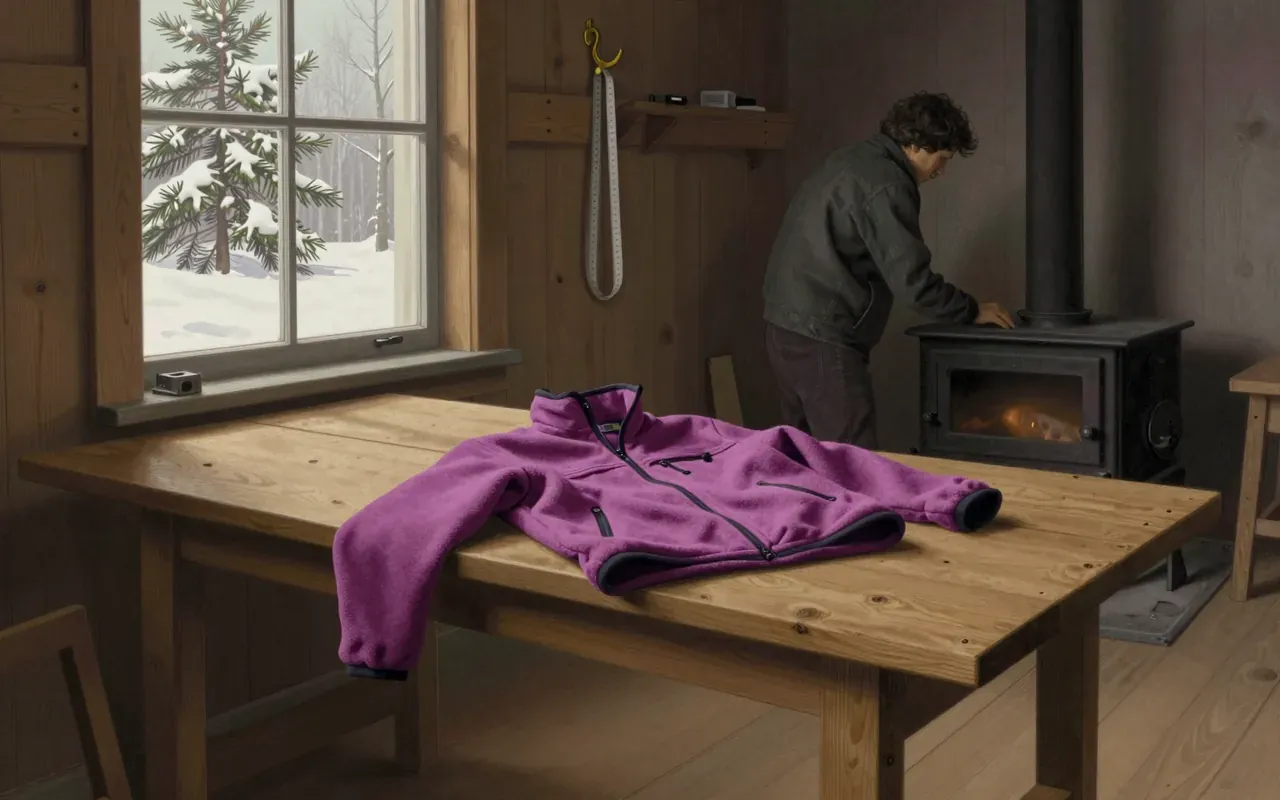
Fleece liberated warmth from wool—and trapped us in static, shedding, and wet-weather failure.
9:27

Pea coat

A pea coat isn’t versatile—it’s a 300-year-old solution to one problem: staying upright on a pitching deck in gale-force wind.
8:50

Alpaca

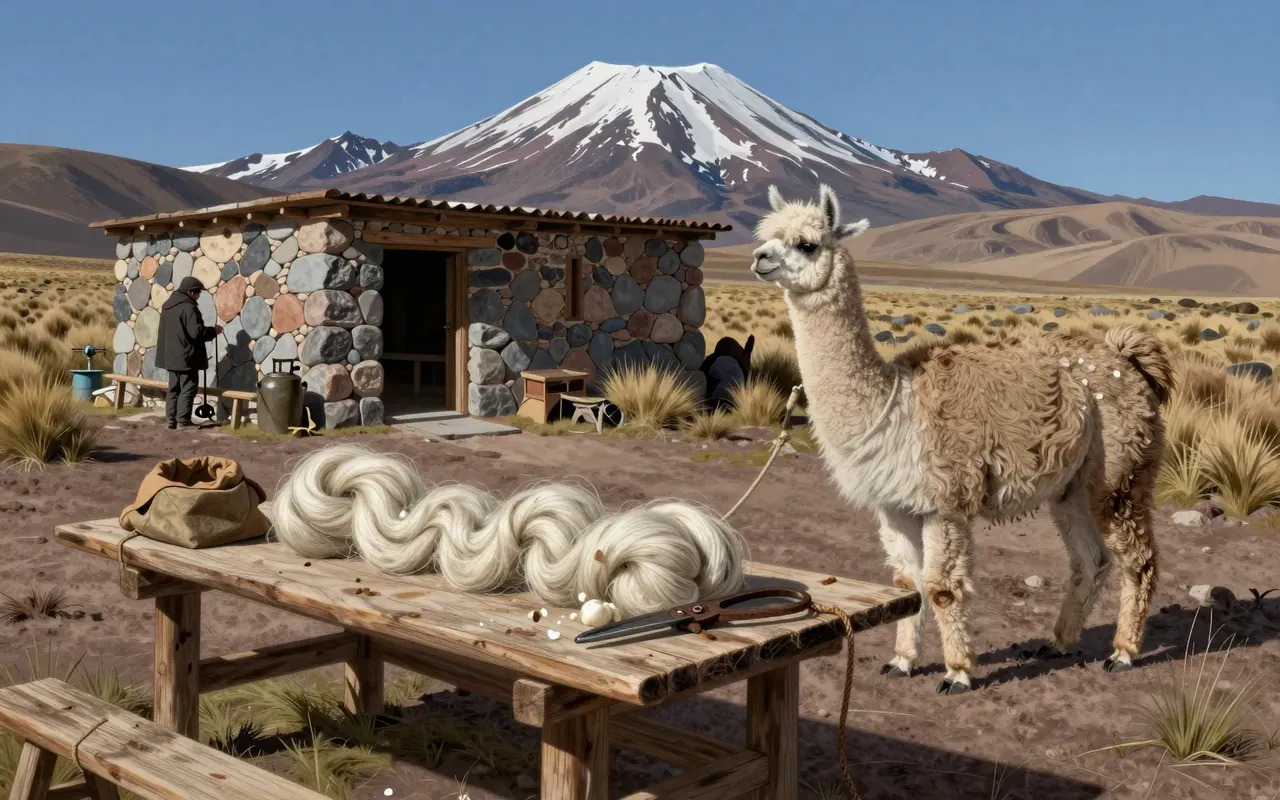
Alpaca isn’t a fabric — it’s a geography, a species, and two fibre types that refuse to behave like wool.
10:44

Cashmere wool

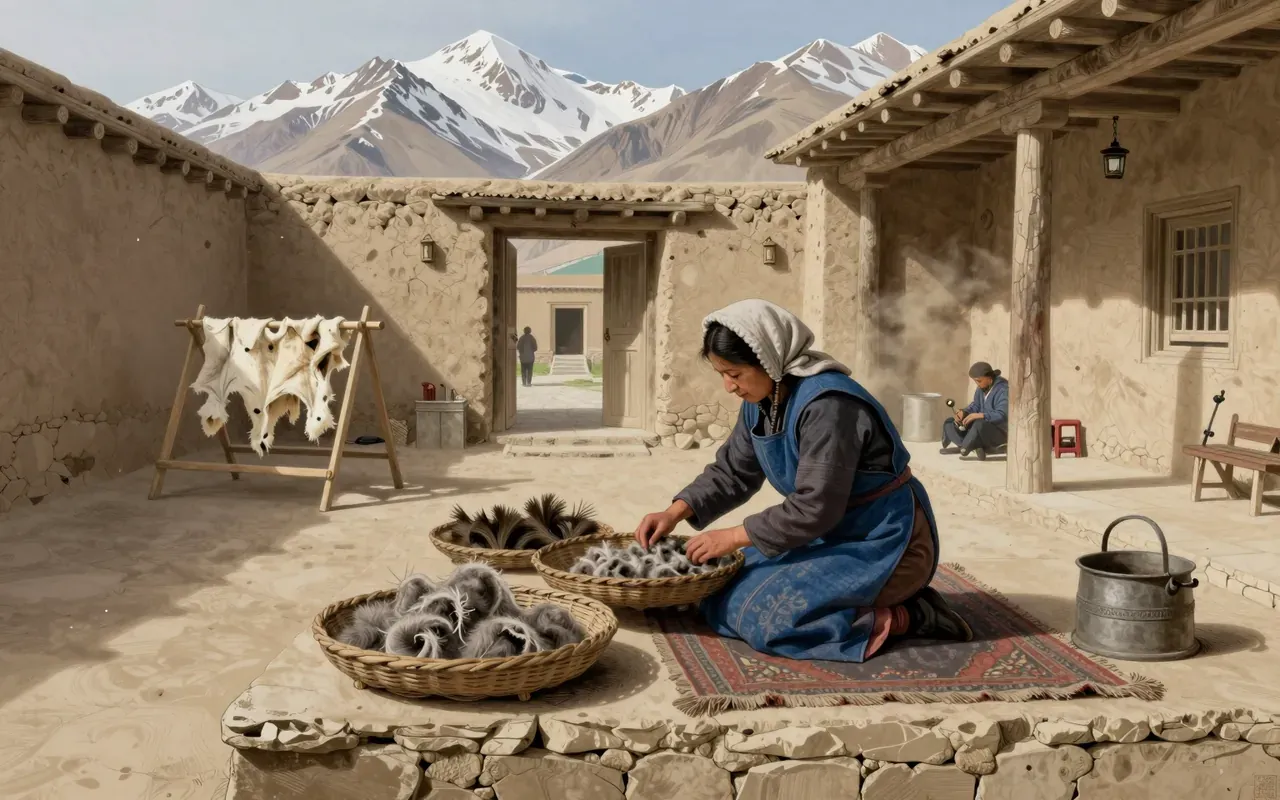
Cashmere regulates temperature and absorbs moisture — but it cannot regulate its own supply chain.
9:37

Ganni

Ganni is not a bridge between fast fashion and couture—it’s the first brand to name that gap as its address.
9:16

Missoni

Missoni didn’t make sweaters—it weaponised knit structure.
8:02

Adidas Campus

A wider, quieter, plainer alternative to the Samba—designed for feet, not footnotes.
8:17

Adidas SL 72

A running shoe that traded structure for speed—and put the trefoil on feet for the first time.
9:24

Asics

A Latin motto made literal—not through slogans, but through gel, geometry, and Kobe-based biomechanics.
9:44

Celine (brand)

Celine began not with clothes, but with children’s shoes — and never stopped thinking like a bootmaker.
9:20

Nike Dunk

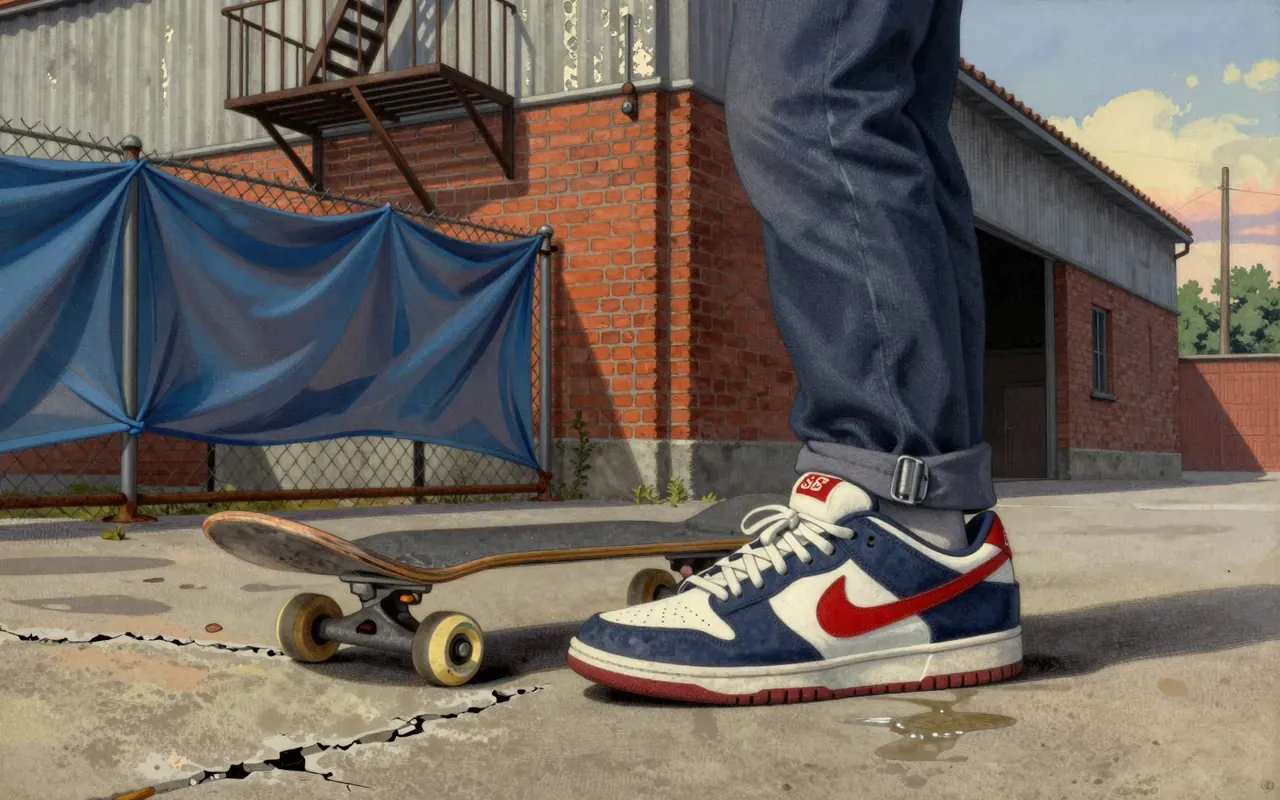
A basketball shoe that won a second life by wearing university colours like uniforms—and treating skaters like athletes.
9:17

Puma Suede

The first luxury-material sneaker wasn’t aspirational—it was tactical.
11:29

Colette (boutique)

The Paris concept store that sold fashion, books and a hundred bottled waters for twenty years, and gave Raf Simons and Sacai early racks.
9:16

Fashion blog

Fashion blogs didn’t just report on trends—they rewired who gets to set them.
9:32

Birkin bag

A bag designed for diapers became a lockbox for status — its function buried under its own exclusivity.
8:58

Kelly bag

A bag that trades utility for authority—and makes you wait for both.
9:12

Mulberry Group

Roger Saul · 1971

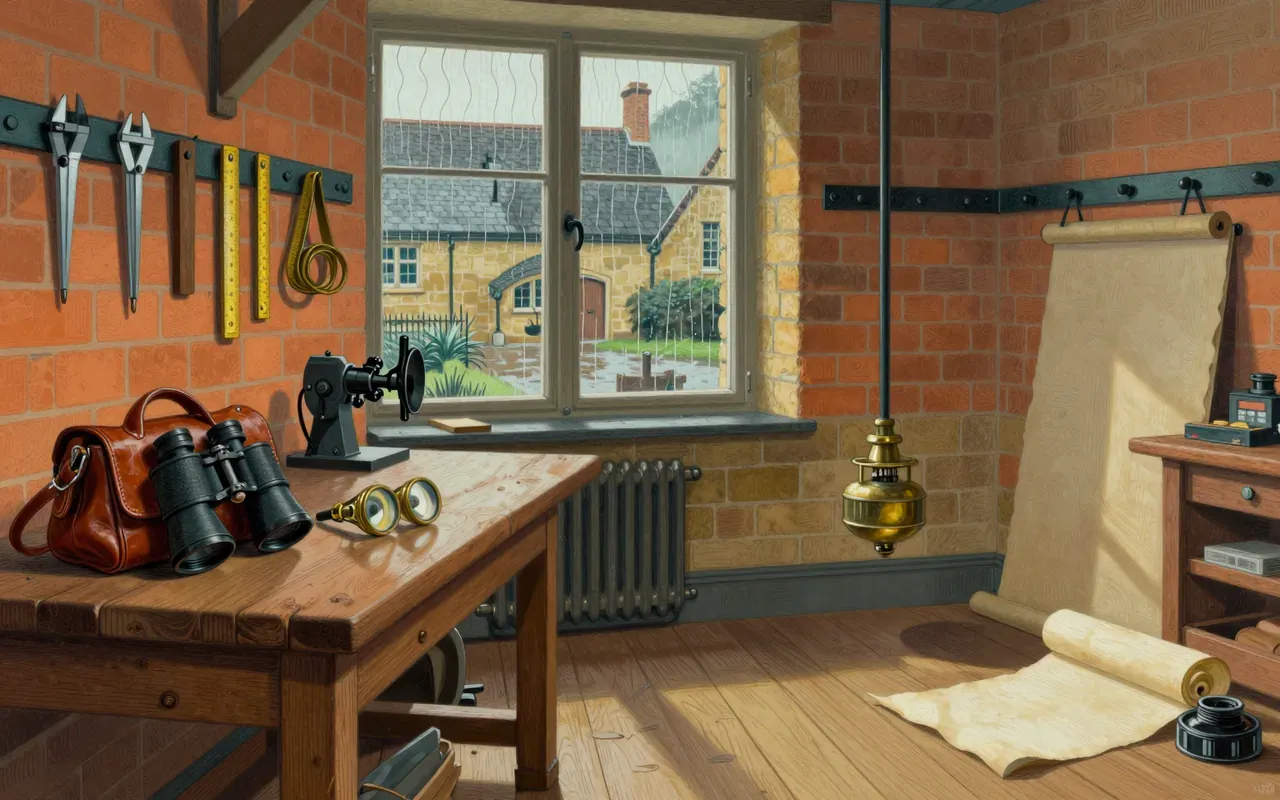
Mulberry Group was founded in 1971 by Roger Saul and his mother Joan as a British leather goods company. It built its reputation on functional poacher bags—the binocular and dispatch bags—rooted in rural utility rather than urban display. Production began in Somerset in 1973 and remains anchored there for core designer leather goods, while men’s bags and small leather goods are made in Turkey and China respectively. An apprenticeship programme launched in 2006 trains local youths for Somerset factory roles, with job offers extended to graduates. Mulberry’s strength lies in its material honesty and regional continuity; its compromise is the fragmentation of its making across geographies and standards.

9:05

Cotton

Cotton is not clothing—it’s the first textile that let humans wear climate, not armour.
9:42

Harper's Bazaar

The longest-running women’s fashion magazine isn’t a relic—it’s a live wire of editorial reinvention, wired straight from 1867.
8:48

Miniskirt

A garment that replaced suspenders with tights—and respectability with legroom.
9:54

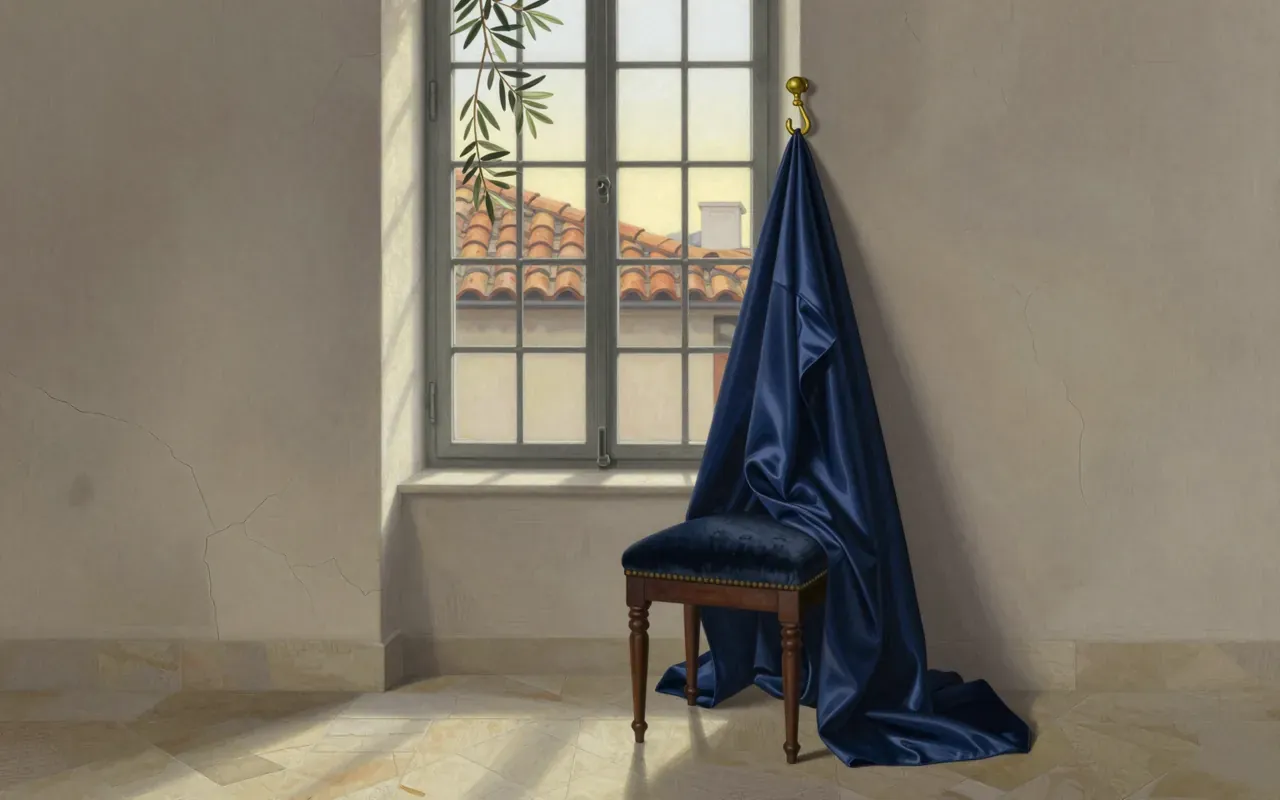
Satin

Satin trades durability for dazzle — and refuses to apologise.
8:07

Silk

Silk is not luxury—it’s a protein filament engineered by moths, refined by boiling, and weakened by sweat.
8:00

Wool

Wool doesn’t drape—it defends. And it does so with keratin, crimp, and a third-of-its-weight thirst for water.
9:16

Zegna

Zegna didn’t make suits — it built wool-based operating systems for the human frame.
9:11

Gieves & Hawkes

Savile Row’s oldest uniform-maker doesn’t sell style—it sells sanctioned authority.
9:41

Levi Strauss & Co.

Denim’s first functional patent wasn’t about style—it was about stopping seams from splitting on a gold miner’s thigh.
9:42

Gore-Tex

A 1969 accident with heated PTFE gave us waterproof breathability—and a lifetime of environmental debt.
8:46

Kevlar

Kevlar isn’t clothing — it’s calibrated refusal: a fibre that says no to bullets, no to steel, and no to comfort.
9:45

Ripstop

Ripstop doesn’t drape — it defends. And it does so with a grid you can feel but never ignore.
9:37

Tod's

Tod's didn’t invent the driving loafer — it repackaged a copy as heritage.
9:34

Coco Chanel

Chanel didn’t liberate women’s bodies—she outsourced their discipline to jersey.
9:58

Corduroy

Corduroy isn’t soft — it’s engineered resistance disguised as warmth.
8:26

Dolce & Gabbana

A slip built like a corset, shot like a neorealist film—this dress refuses to be background.
8:32

Donna Karan

Donna Karan didn’t design clothes — she designed a wearable operating system.
8:58

Flannel

Flannel is softness engineered—not into luxury, but into utility.
8:59

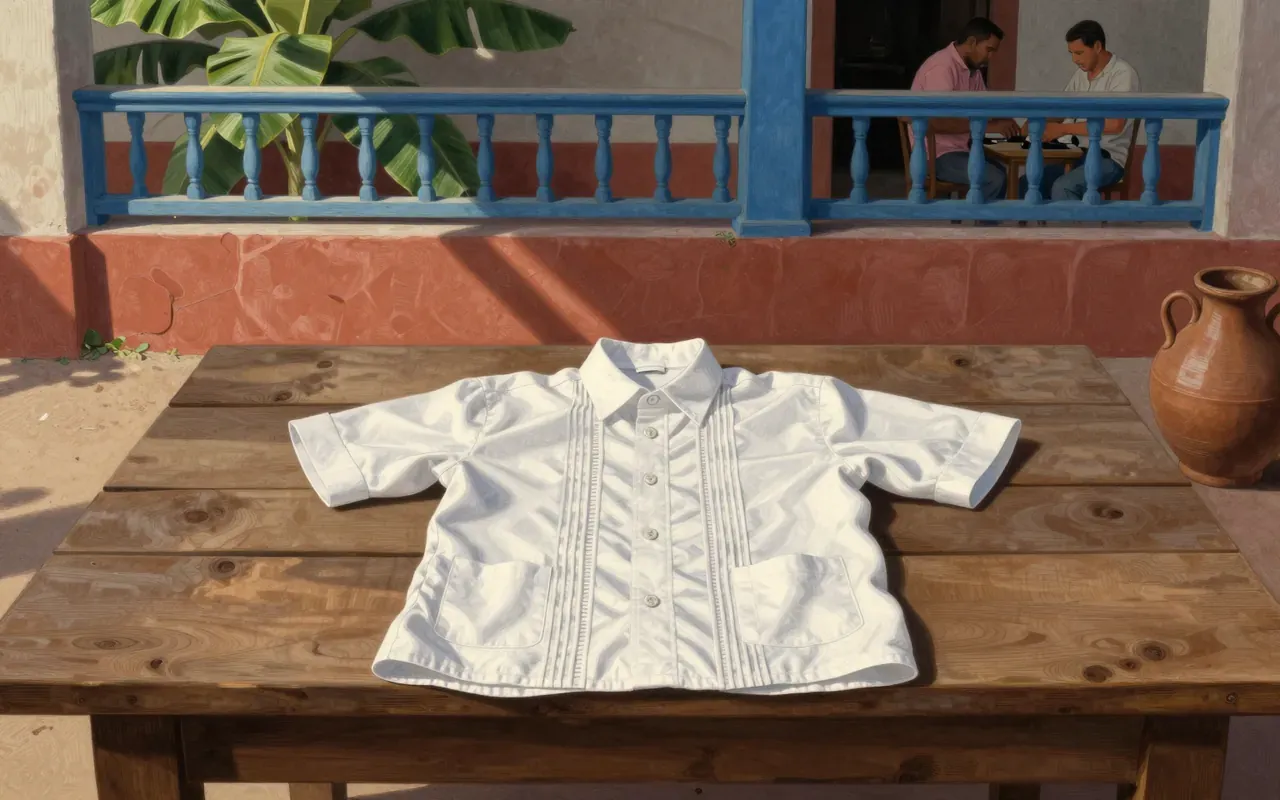
Guayabera

A shirt that refuses to be tucked is a political act disguised as a tailoring rule.
8:36

Aloha shirt

It is not tropical kitsch—it is the first American shirt designed to hang free and mean something while doing it.
8:28

Linen

Linen doesn’t flatter—it cools, it creases, and it refuses to pretend.
8:28

Madeleine Vionnet

Bias cutting isn’t a trick — it’s the first garment to treat the body as a sequence of curves, not a set of angles.
8:56

Paco Rabanne

Fashion stopped pretending to clothe the body — and started interrogating the idea of clothing itself.
8:01

Polyester

Polyester doesn’t drape—it defends. And it won’t decompose when you do.
10:46

Visvim

Visvim doesn’t make clothes — it makes slow, uneven, repairable arguments in cloth.
9:29

Church's

Church's shoes are heavy by design — and that weight is their only unbroken promise.
9:00

Kiton

Kiton isn’t about craft as theatre — it’s about craft as infrastructure.
7:10

Mohair

Mohair doesn’t drape—it declares. And it won’t apologise for its shine.
10:14

Nino Cerruti

Cerruti didn’t make suits for men. He made suits for men who had to hold a room—and a camera’s attention—without saying a word.
8:56

Power dressing

Power dressing wasn’t about looking powerful — it was about looking unassailable in a system that refused to see women as authoritative unless they dressed like men, then added pearls to prove they weren’t.
9:17

Turnbull & Asser

A collar and a cuff — not a brand, not a suit, but two fixed points of British menswear discipline.
9:36

Tweed

Tweed is not heritage—it is hydrophobic wool with geography baked into its yarn.
9:03

Belstaff

Wax cotton wasn’t invented for fashion—it was bolted onto jackets to keep riders dry while leaning into corners.
9:49

Burberry

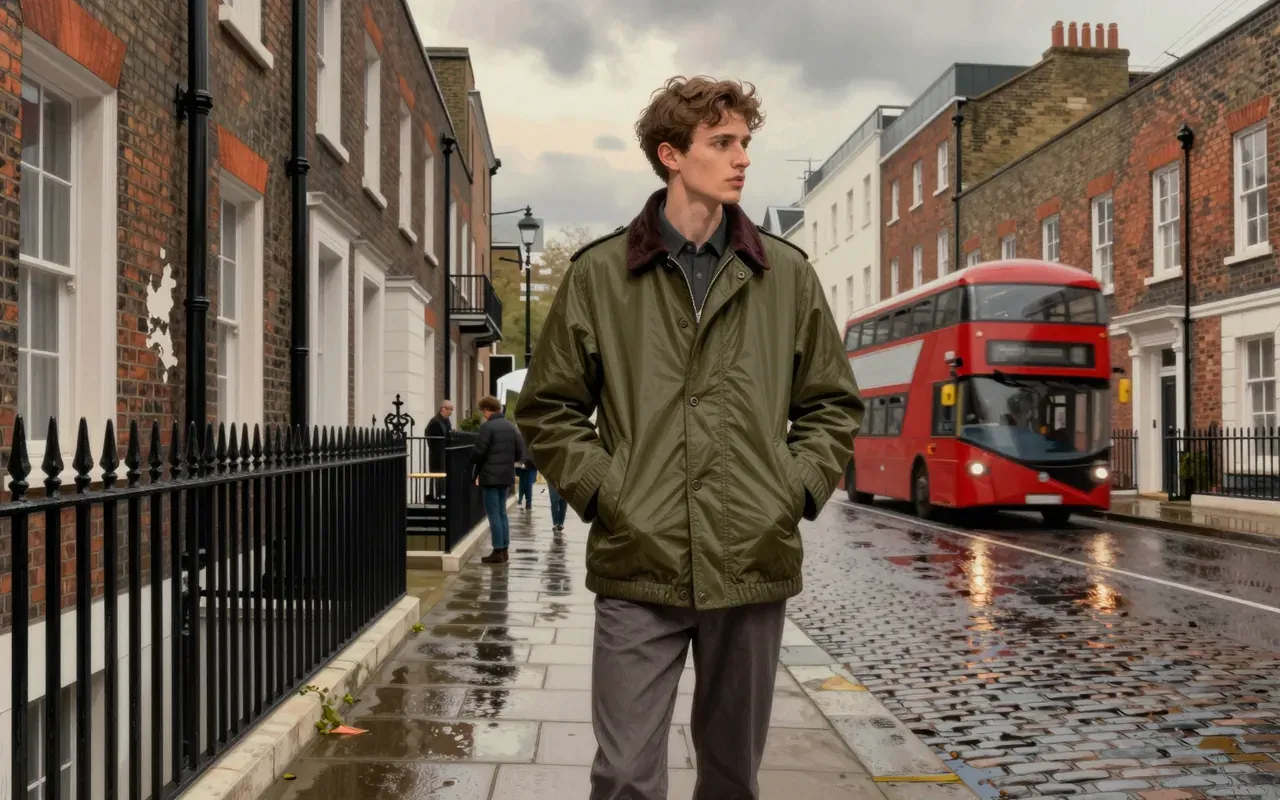
A war coat that refused demobilisation—and made utility legible as authority.
8:44

Chrome Hearts

A leather jacket built to declare, not disguise — Hollywood-made, silver-studded, and uncompromisingly loud.
9:54

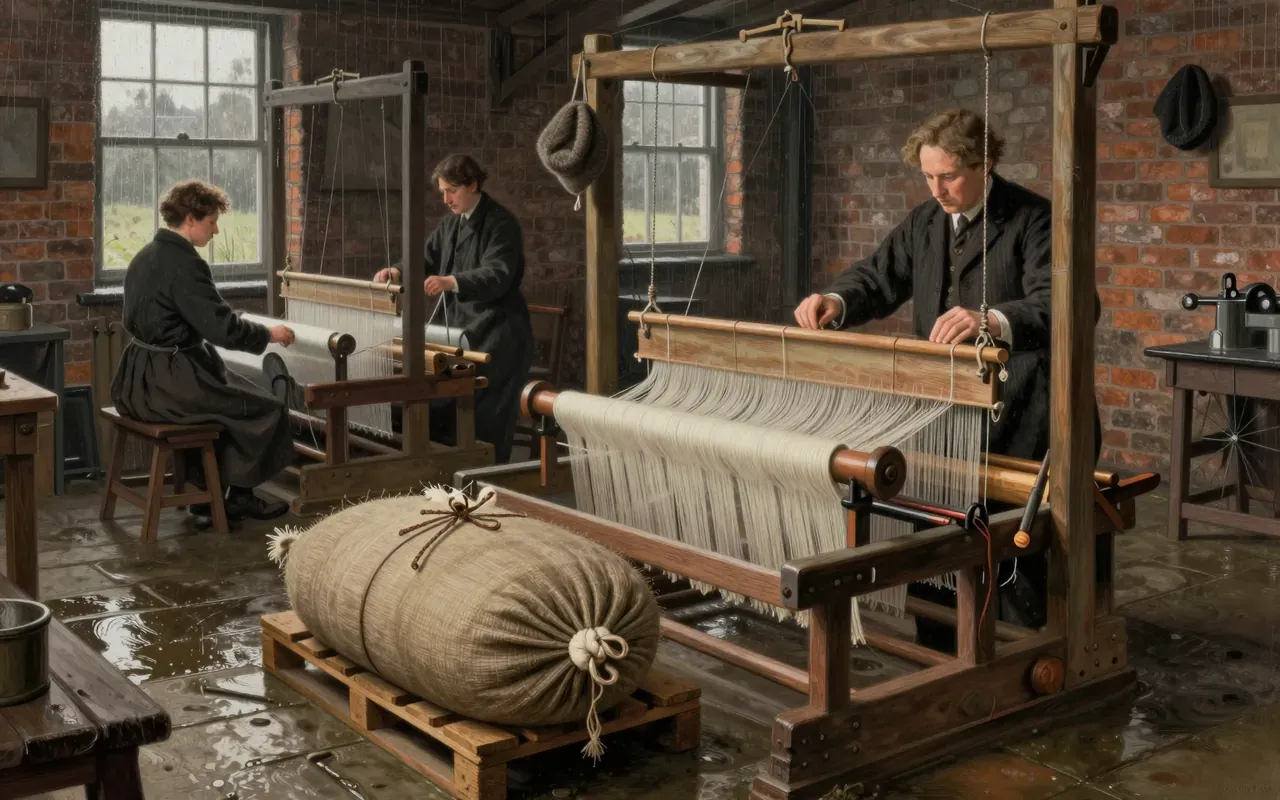
Harris tweed

Harris tweed is law written in wool—not heritage, not craft, but statute enforced by weekly mill inspections and iron-on Orb Marks.
9:05

M-1965 field jacket

Velcro on cuffs, Nyco sateen, monsoon-tested: this is workwear that earned its place—not by being cool, but by staying dry.
11:40

Max Mara

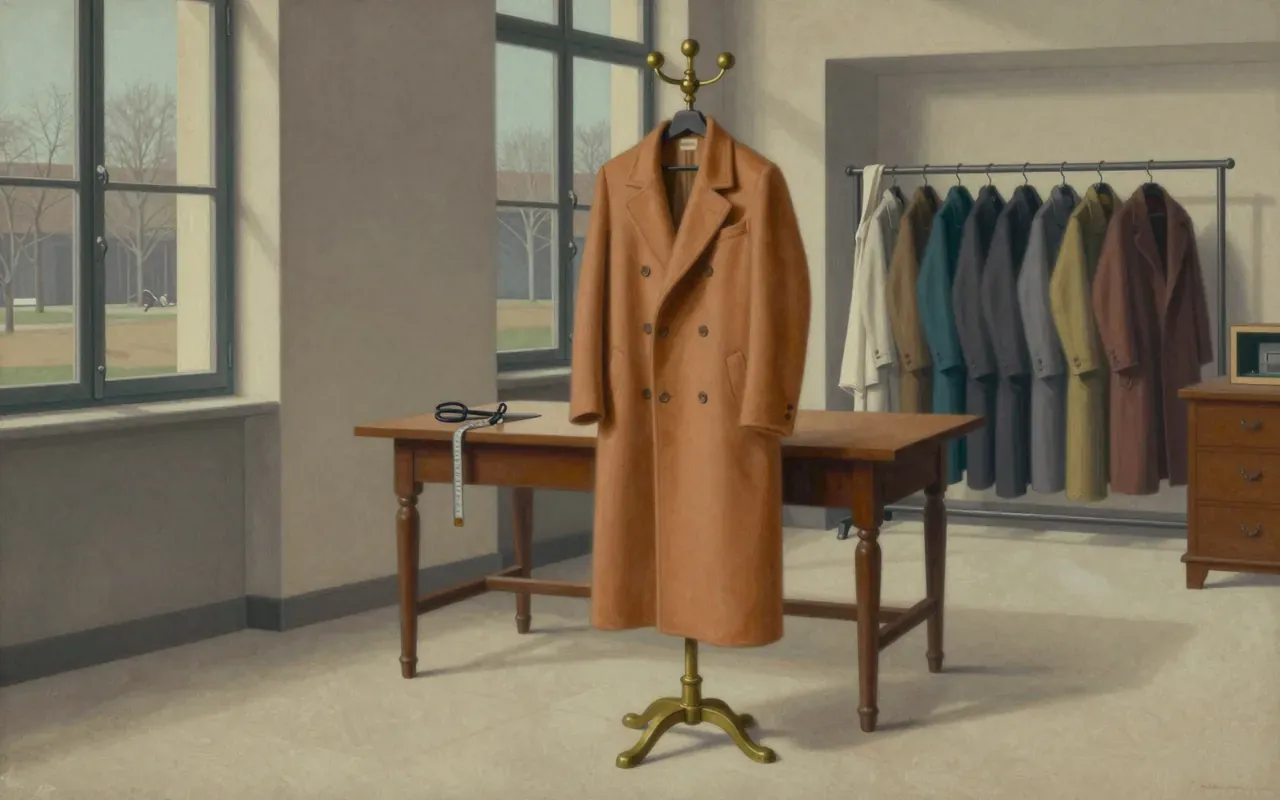
Max Mara didn’t make coats for weather—it made them for posture, presence, and permanence.
9:58

Moncler

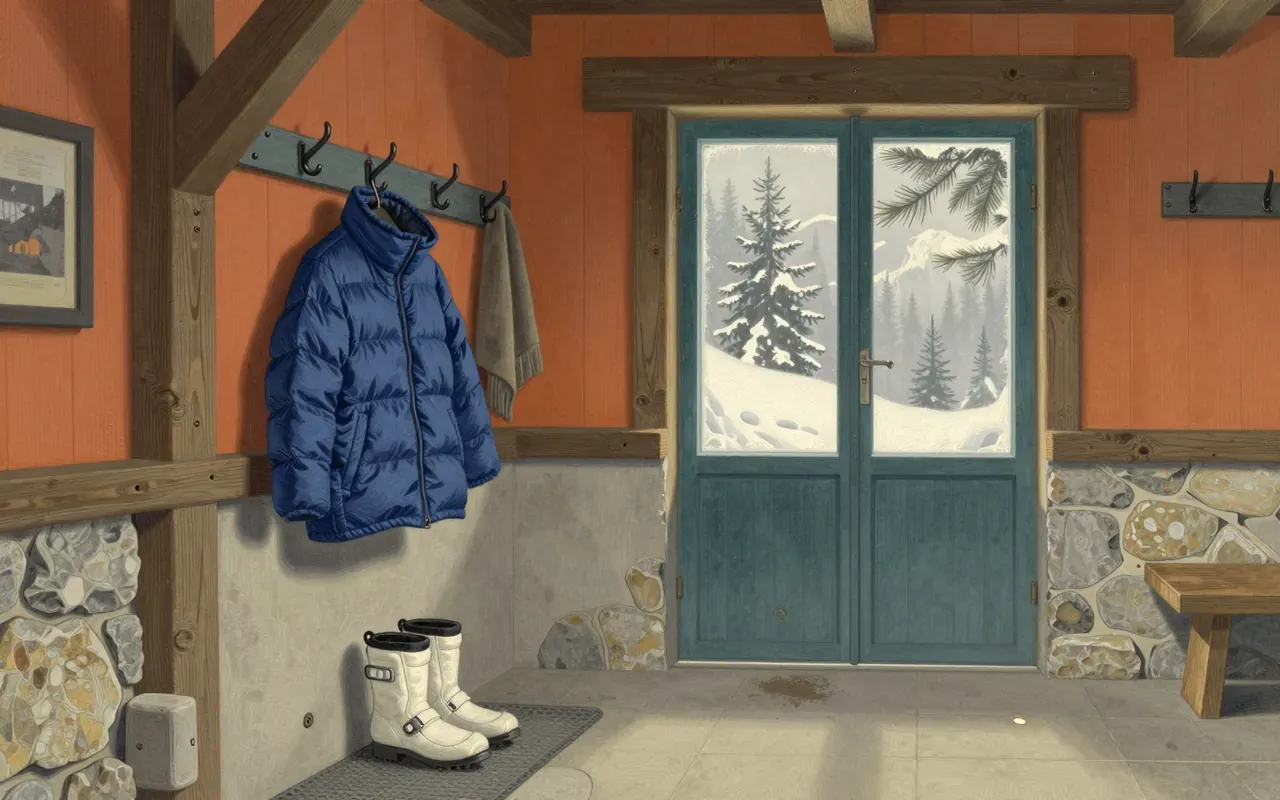
Moncler didn’t invent the down jacket—it weaponised it for altitude, then outsourced its meaning to Milanese teenagers.
10:27

Parka

The parka isn’t versatile—it’s a specialist: built for Arctic stillness, not city motion.
9:06

PrimaLoft

PrimaLoft isn’t clothing—it’s the first synthetic insulation that refuses to quit when soaked.
10:01

Safari jacket

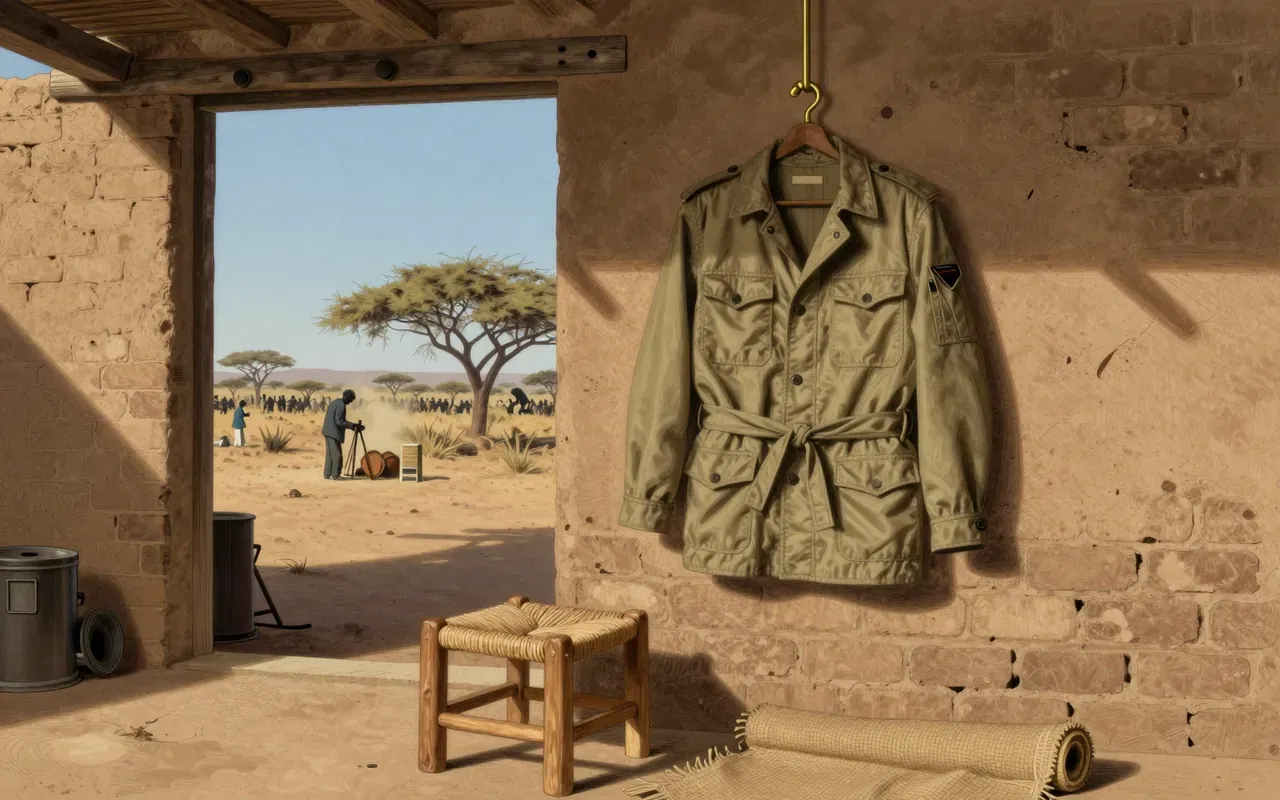
A colonial field garment repurposed as leisurewear — useful, loaded, and never neutral.
9:41

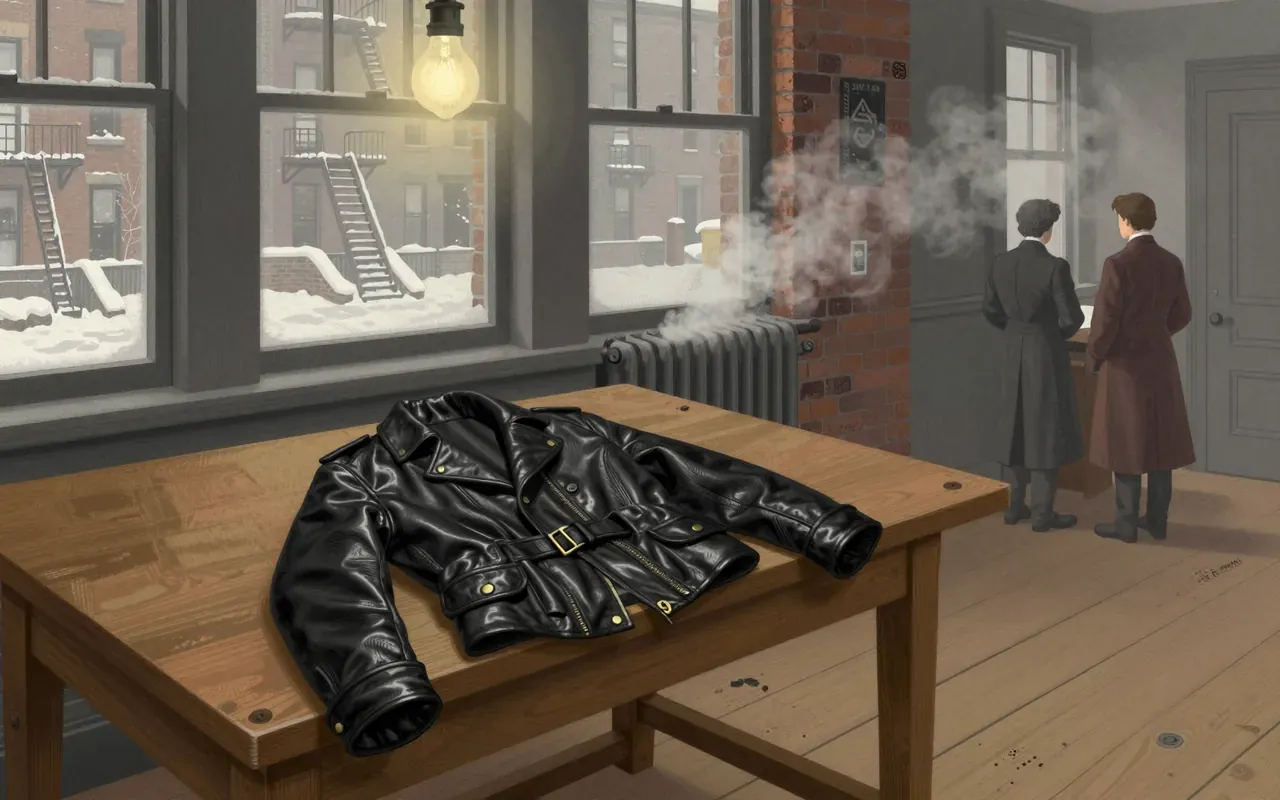
Schott NYC

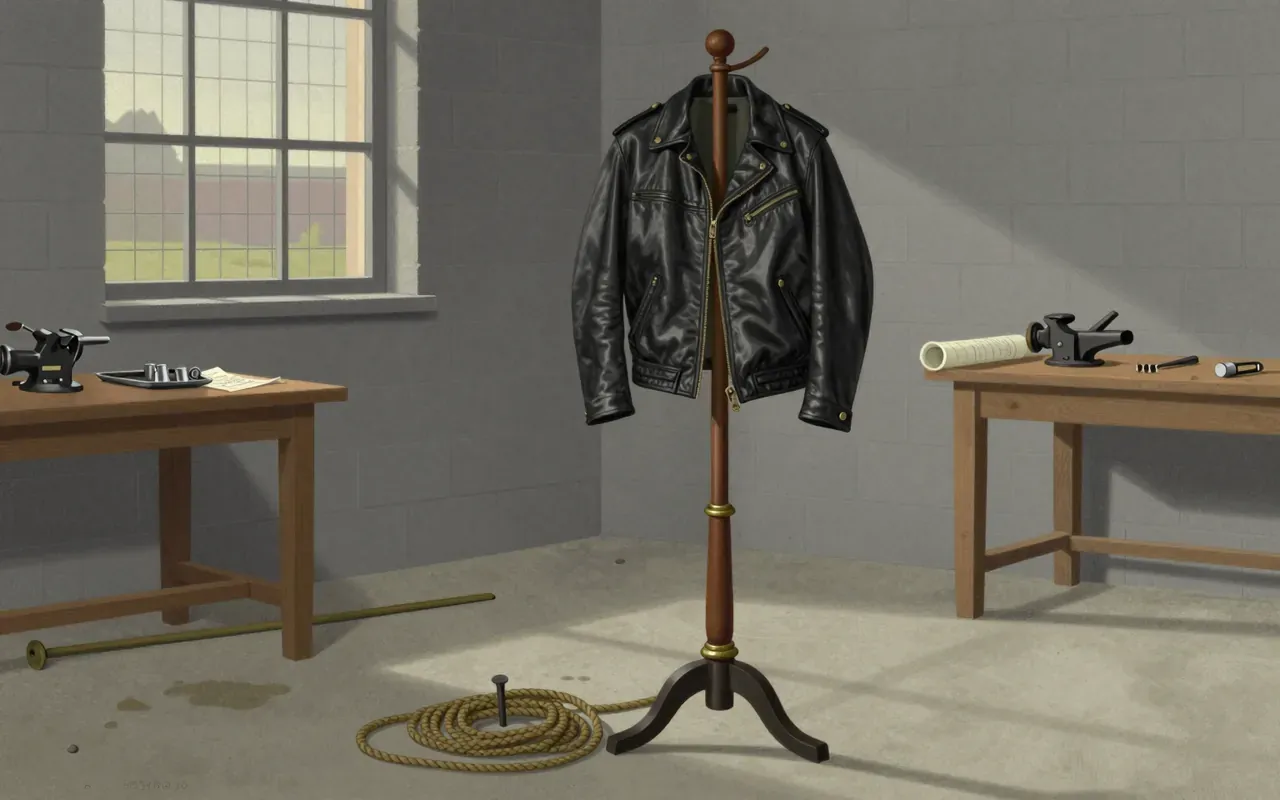
The first zippered jacket wasn’t fashion—it was friction, fitted, and forged on the Lower East Side.
8:30

Stone Island

Stone Island isn’t fashion — it’s textile engineering dressed as outerwear.
9:24

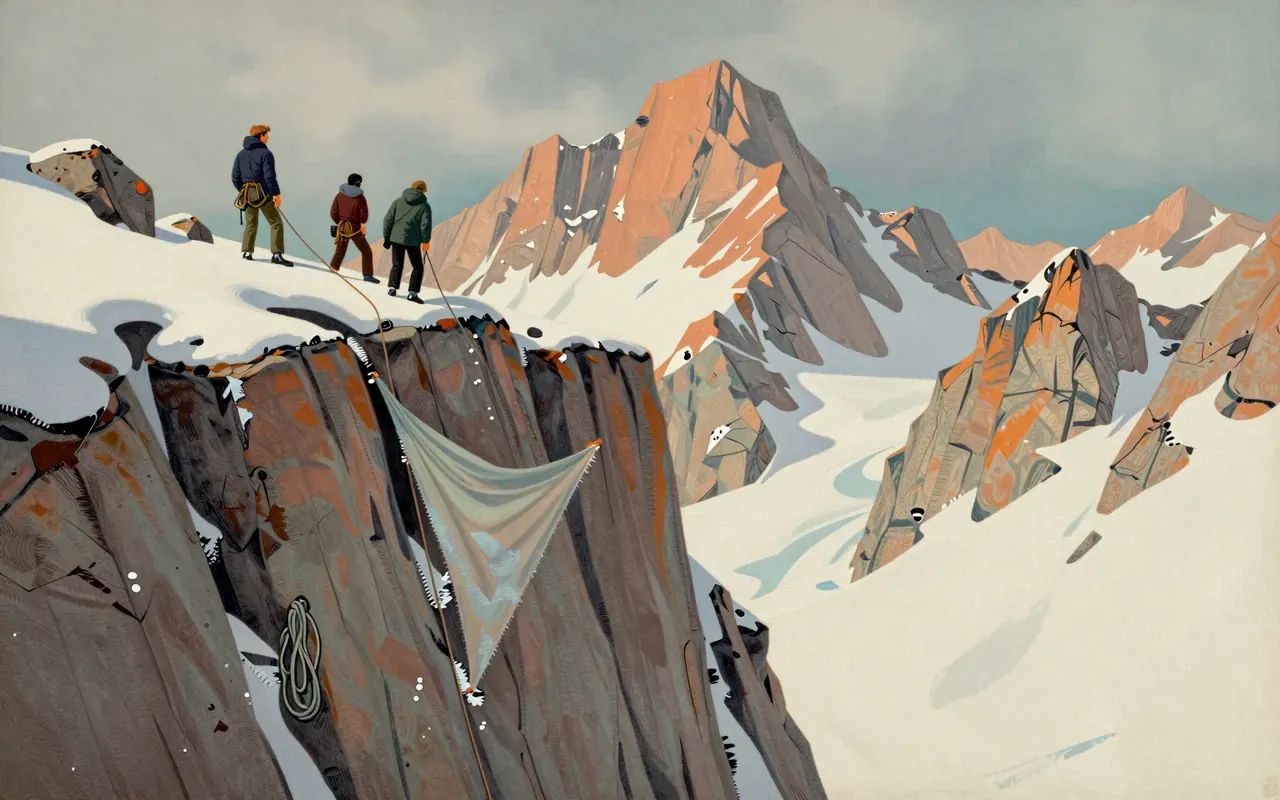
The North Face

A climbing jacket that became a target — first for altitude, then for robbery, then for bullying.
10:10

Ventile

Cotton that swells shut in rain—no coating, no compromise, no lightness when wet.
7:59

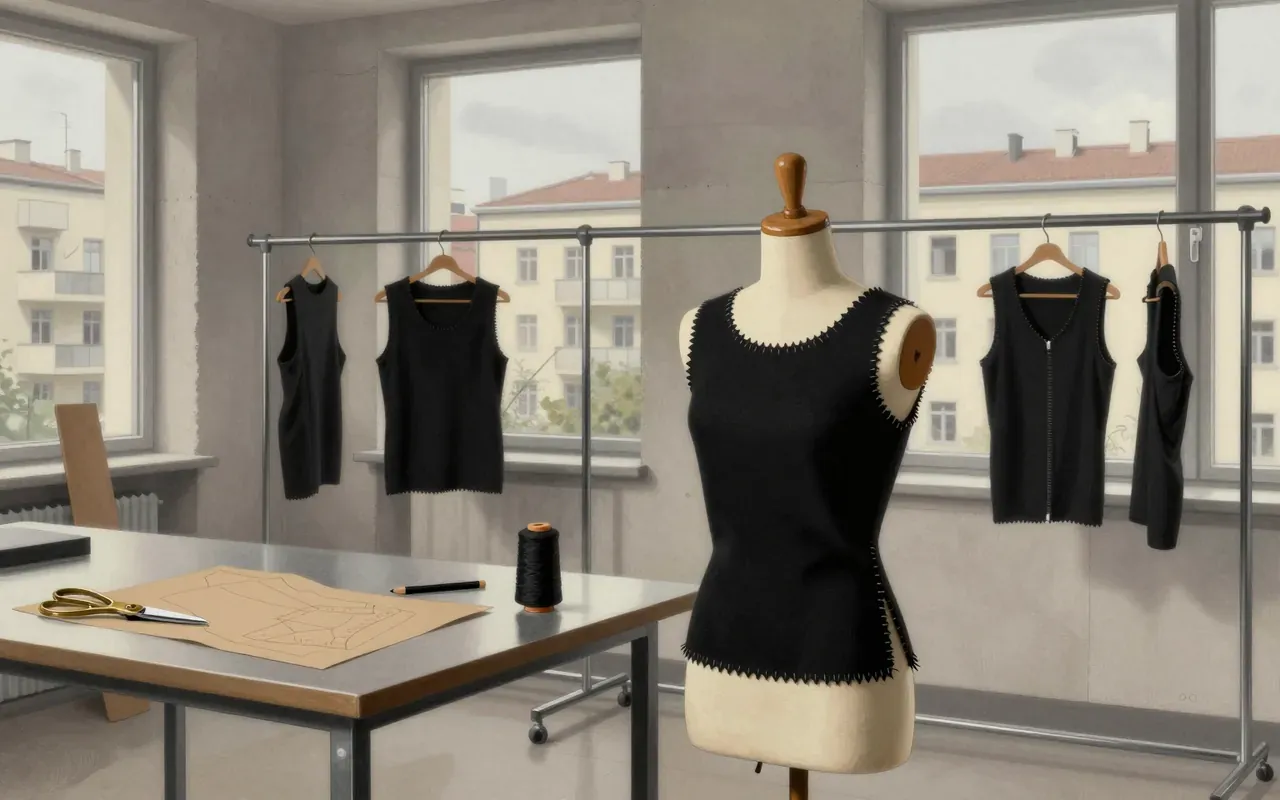
Sonia Rykiel

Black was not chosen for elegance—it was chosen for insistence, and this sweater made that clear.
9:30

Polo neck

A neck-covering weapon of quiet dissent—and practical durability—forged in chainmail and worn by sailors, Marxists, and everyone who refuses to knot a tie.
8:50

Adidas Gazelle

Suede was never meant to be pretty—it was meant to grip, bend, and breathe. The Gazelle proved it.
8:15

Adidas Samba

A winter trainer that never warmed up to comfort—and became sharper for it.
8:06

L.L.Bean

A boot built to fail—then fixed, guaranteed, and worn into legend.
10:07

Nike Blazer

A sneaker that named itself after a team—and never apologised for staying literal.
9:42

Nike Cortez

The Cortez didn’t invent running shoes—it weaponised comfort into a sales explosion.
9:18

Onitsuka Tiger

A 2002 reissue pretending to be a 1966 shoe—yet its real authority comes from what it leaves out.
7:12

Puma Speedcat

A racing shoe that abandoned fireproof lining for suede—and made thin soles fashionable.
11:16

Lady Dior

A rigid black box that turned furniture caning into a global status signal—and made Dior a leather goods house overnight.
8:55

Omega Speedmaster

A racing chronograph that accidentally became the only watch ever certified for spacewalks—and never changed its mind about what it was built for.
12:10

Dhoti

The dhoti isn’t draped—it’s looped. And that loop defines its purpose, its place, and why most people wearing 'dhotis' today aren’t wearing one at all.
9:29

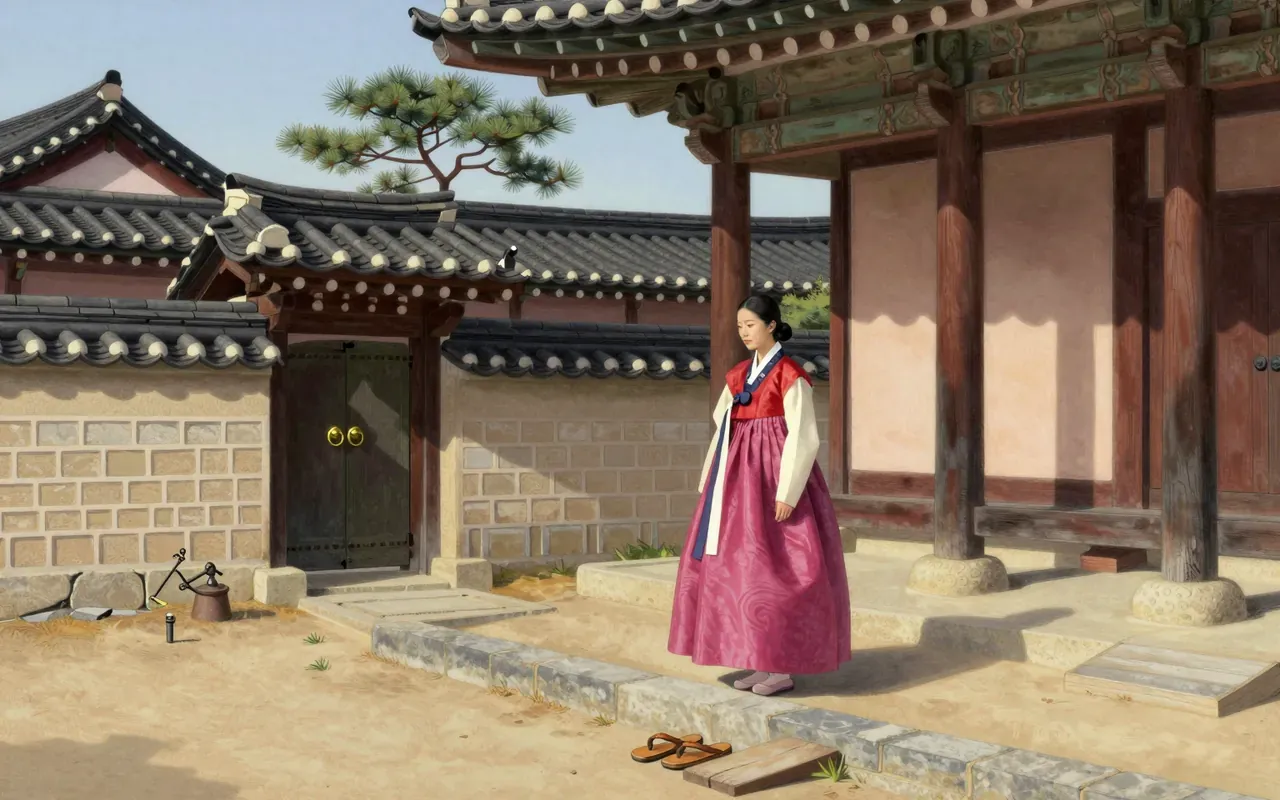
Hanbok

Hanbok is not ancient tradition—it’s a 19th-century label applied to a much older structure.
10:23

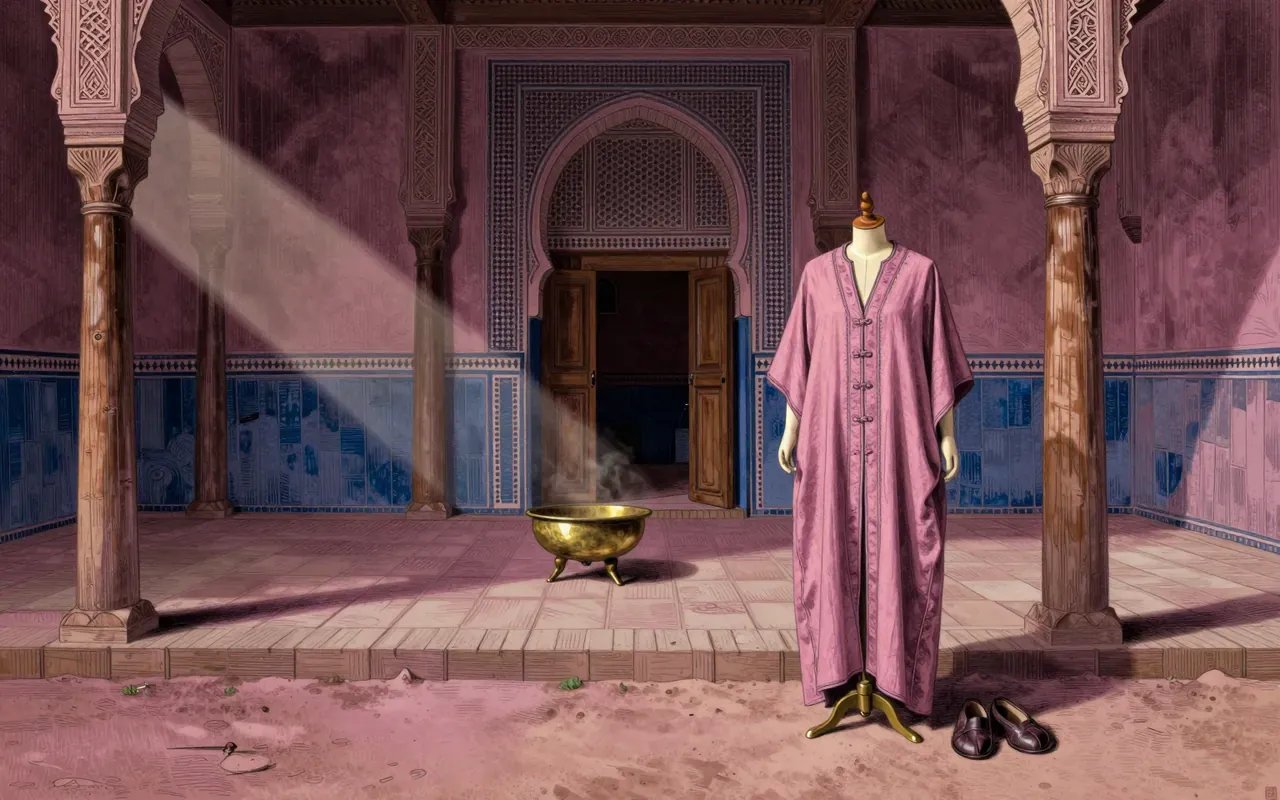
Kaftan

The kaftan isn’t one garment—it’s a linguistic smokescreen for dozens of distinct robes.
9:10

Kimono

The kimono isn’t timeless—it’s a bureaucratic consolidation of borrowed cloth.
9:16

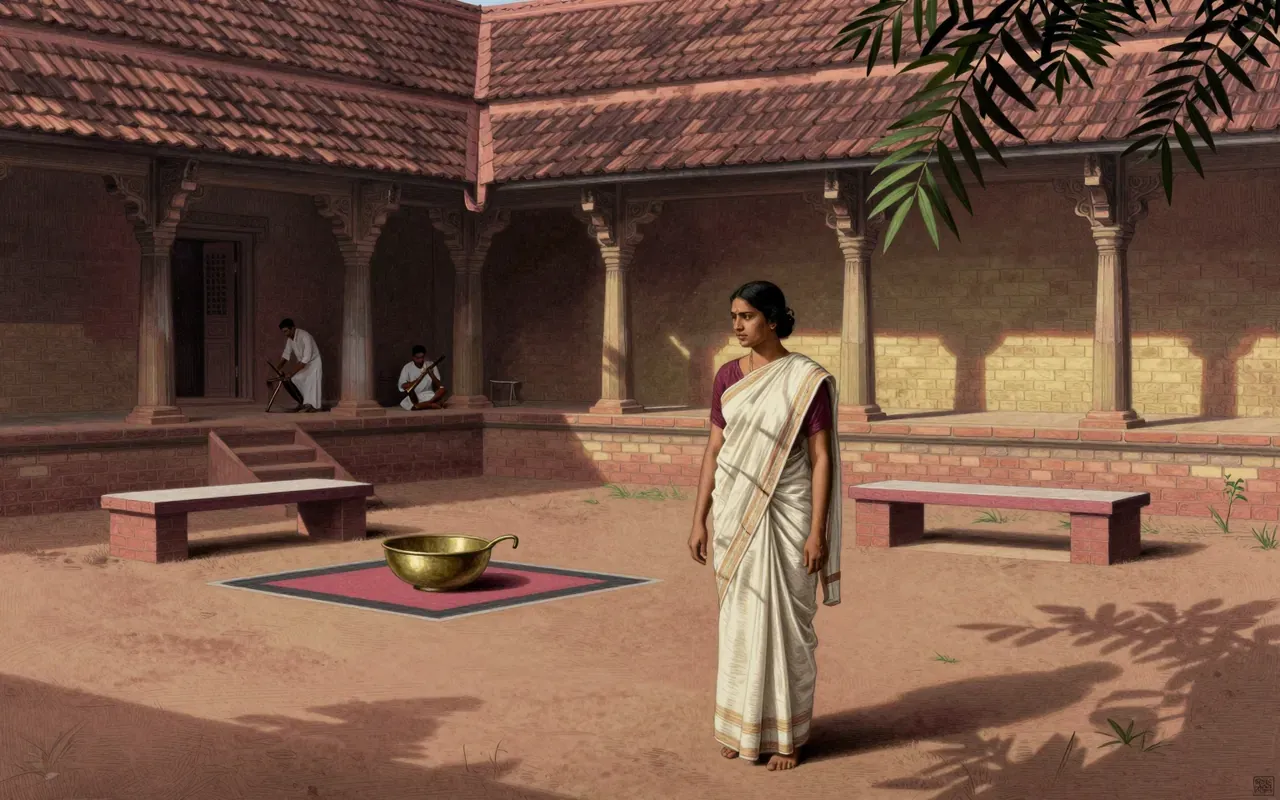
Sari

The sari isn’t tradition—it’s deep-time infrastructure for the body.
9:36

Bikini

A swimsuit named after a nuclear test—and worn without irony by the mid-1960s.
8:20

Blazer

A jacket named after a naval gig crew became the world’s most portable badge of belonging—and exclusion.
9:36

Boubou (clothing)

The boubou is not heritage—it’s a garment forged in desert trade, weaponised by empire, and repurposed by colonisers.
9:07

Bra

The bra didn’t liberate women—it outsourced control from whalebone to wire, and from corsetieres to corporations.
10:22

Burqa

A garment that proves modesty has never been exclusively Muslim—and never required the face to disappear.
13:03

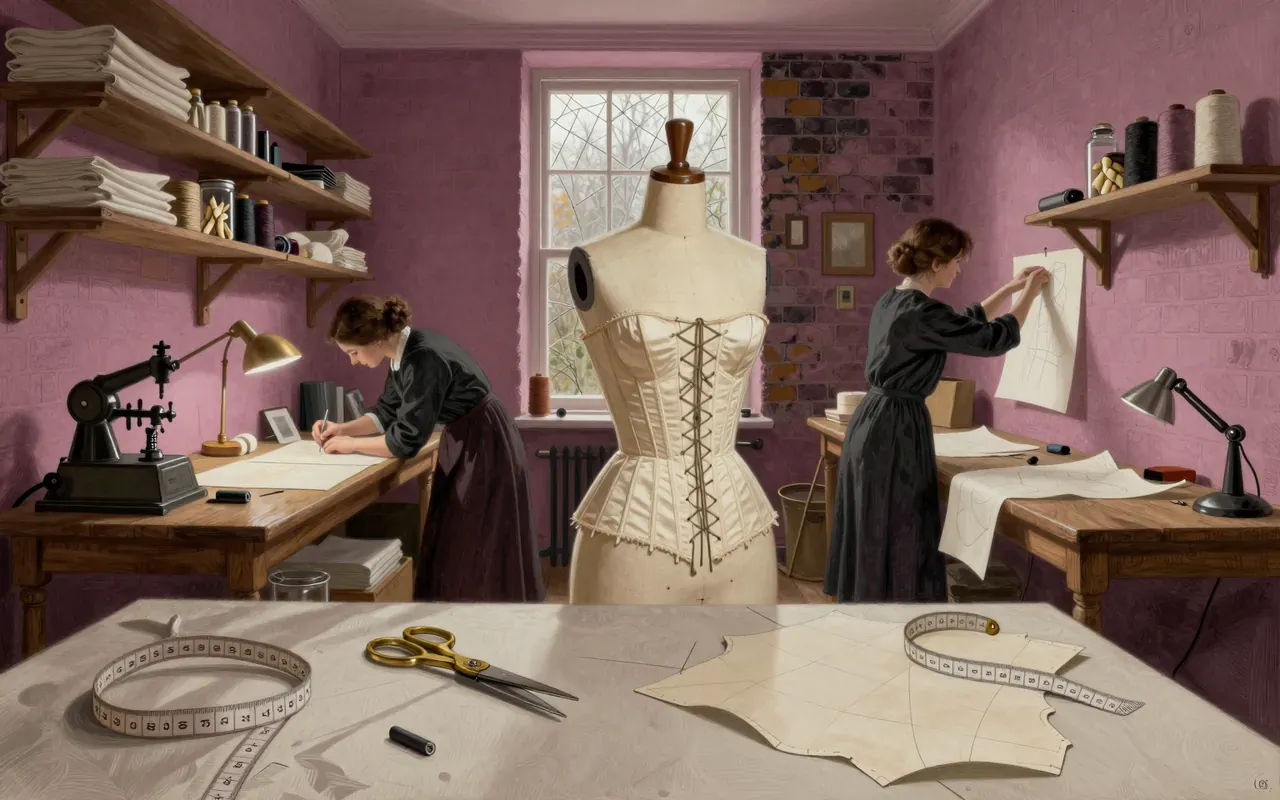
Corset

A garment that shaped bodies, then language, then medicine—and never stopped enforcing ideals under the guise of support.
13:02

Dashiki

The dashiki is not African-American heritage—it’s a Dutch-printed garment that became a symbol because it looked like one.
8:22

Evening gown

The evening gown was never about beauty. It was a uniform for proximity to power.
8:06

Hijab

Hijab isn’t in the Qur’an as clothing—it’s a curtain that got turned into a scarf.
13:47

Hoodie

A garment built for warmth became a screen for society’s anxieties about who belongs — and who must be watched.
10:36

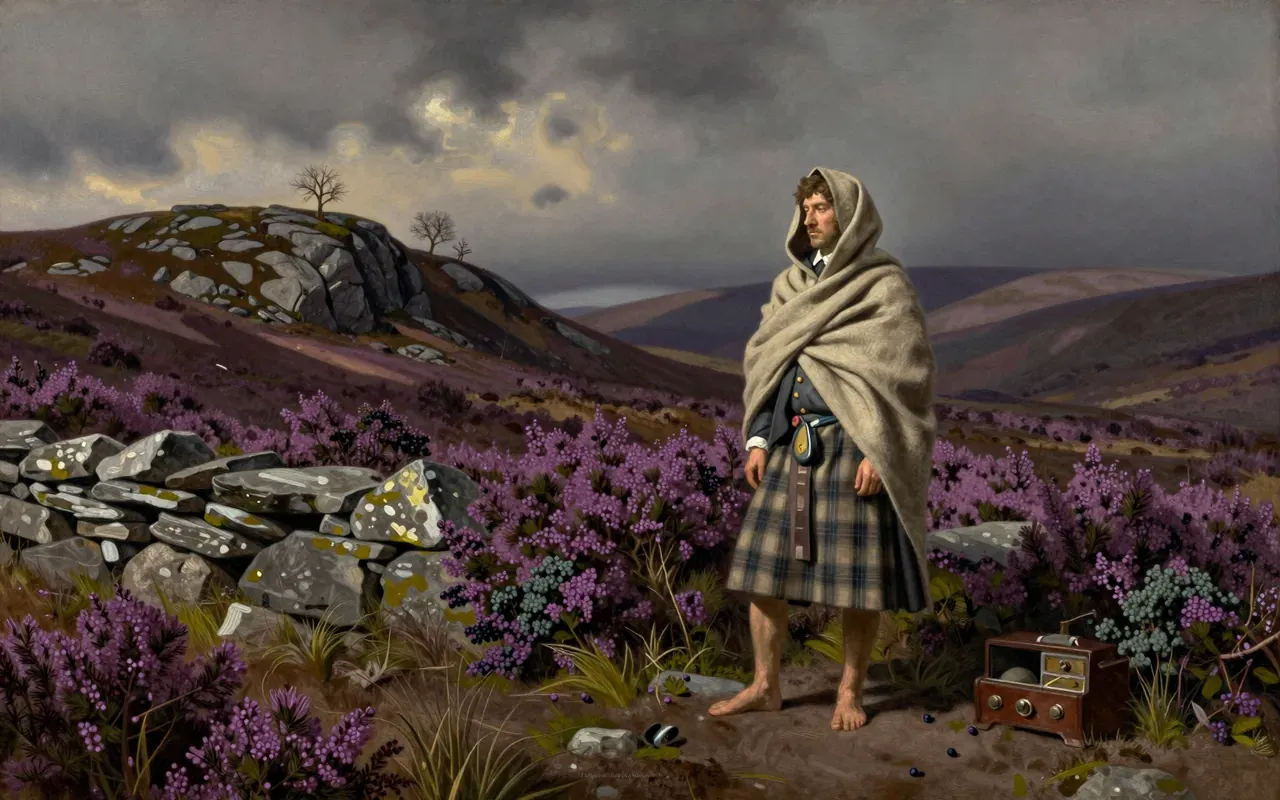
Kilt

The kilt wasn’t born in Gaelic tradition—it was invented by an English Quaker to speed up Highland timber workers.
9:24

Lederhosen

Lederhosen aren’t Bavarian tradition—they’re alpine workwear that got colonised by national myth.
9:21

Petticoat

The petticoat isn’t one thing—it’s a linguistic smokescreen for centuries of shifting gender, class and cloth.
10:40

Polo shirt

The 'polo shirt' is a tennis garment dressed as a polo one—and that lie built an empire.
8:31

Poncho

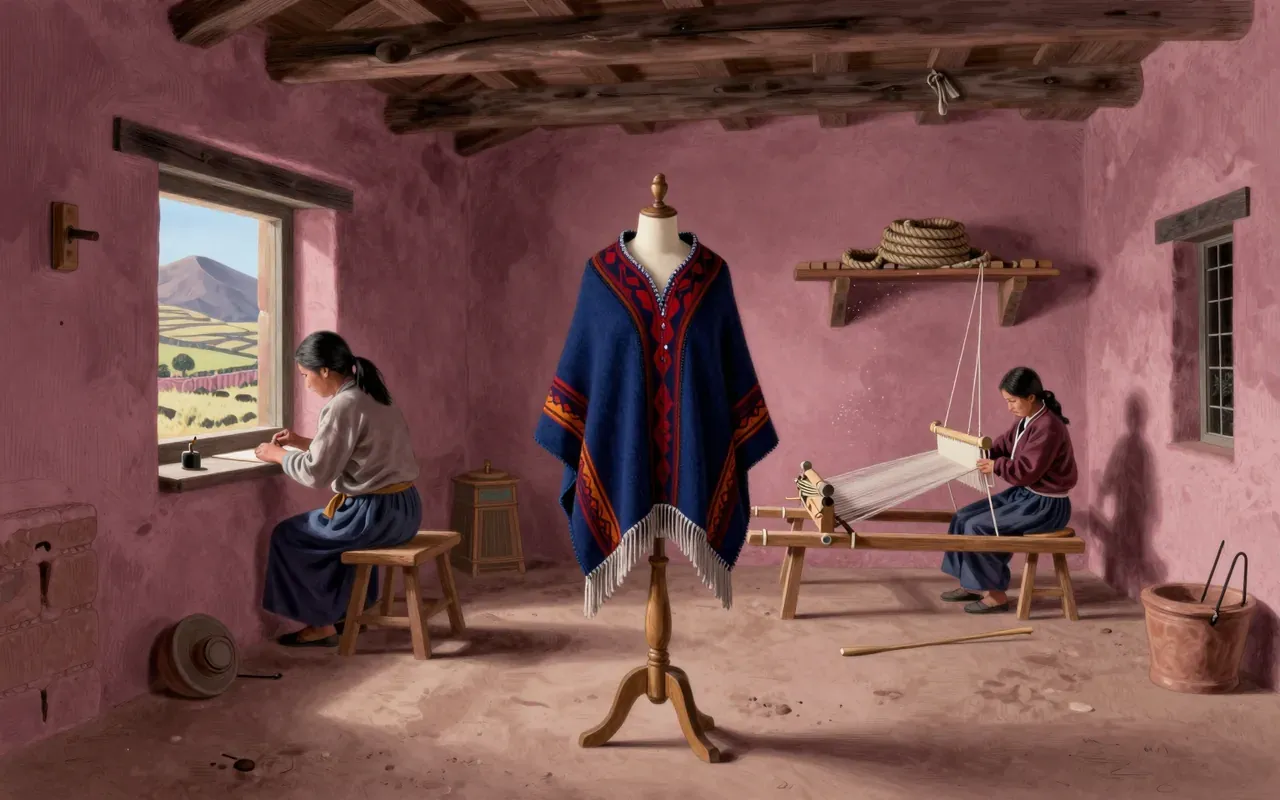
A garment built for survival became a costume for conquest—and still wears its Indigenous name like borrowed clothing.
9:56

Serape

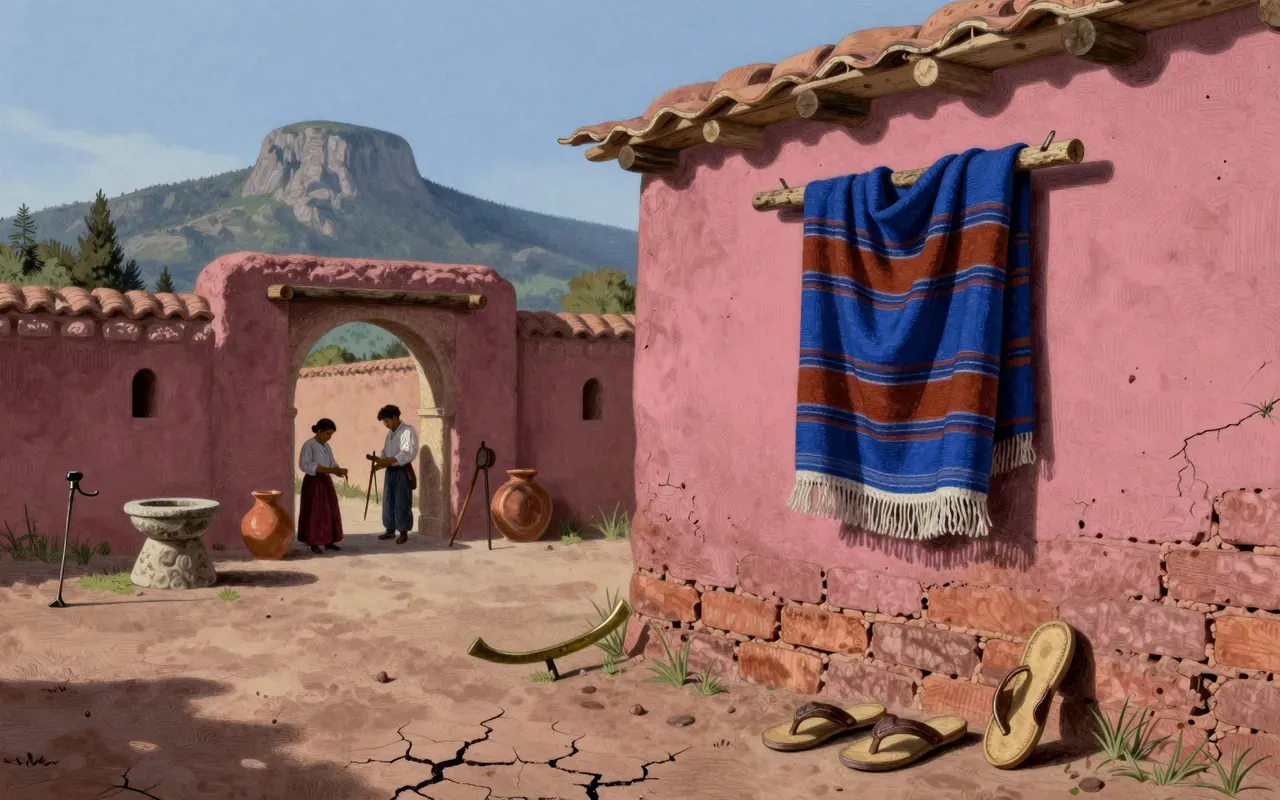
The serape is not folklore—it’s a contested textile archive written in wool, law, and colonial record.
7:54

T-shirt

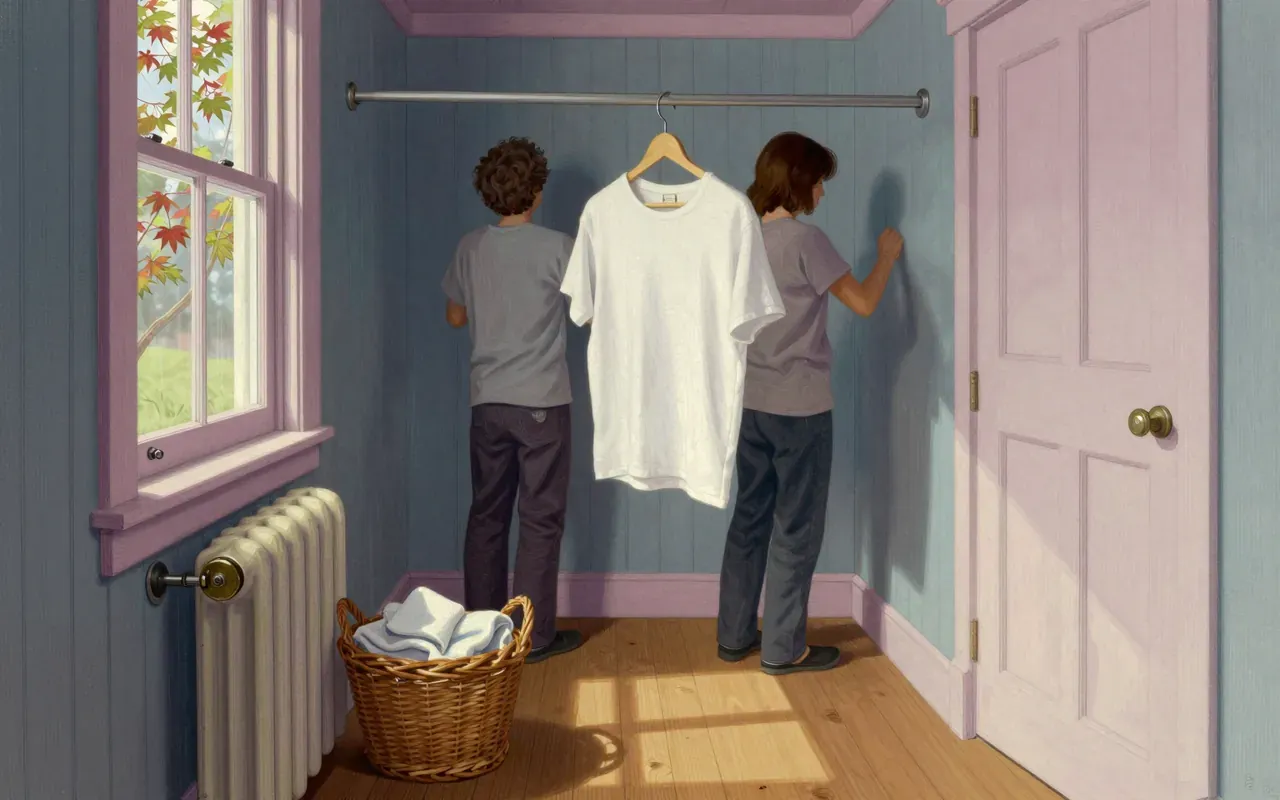
The T-shirt is not clothing—it’s infrastructure disguised as apparel.
8:10

The Waistcoat

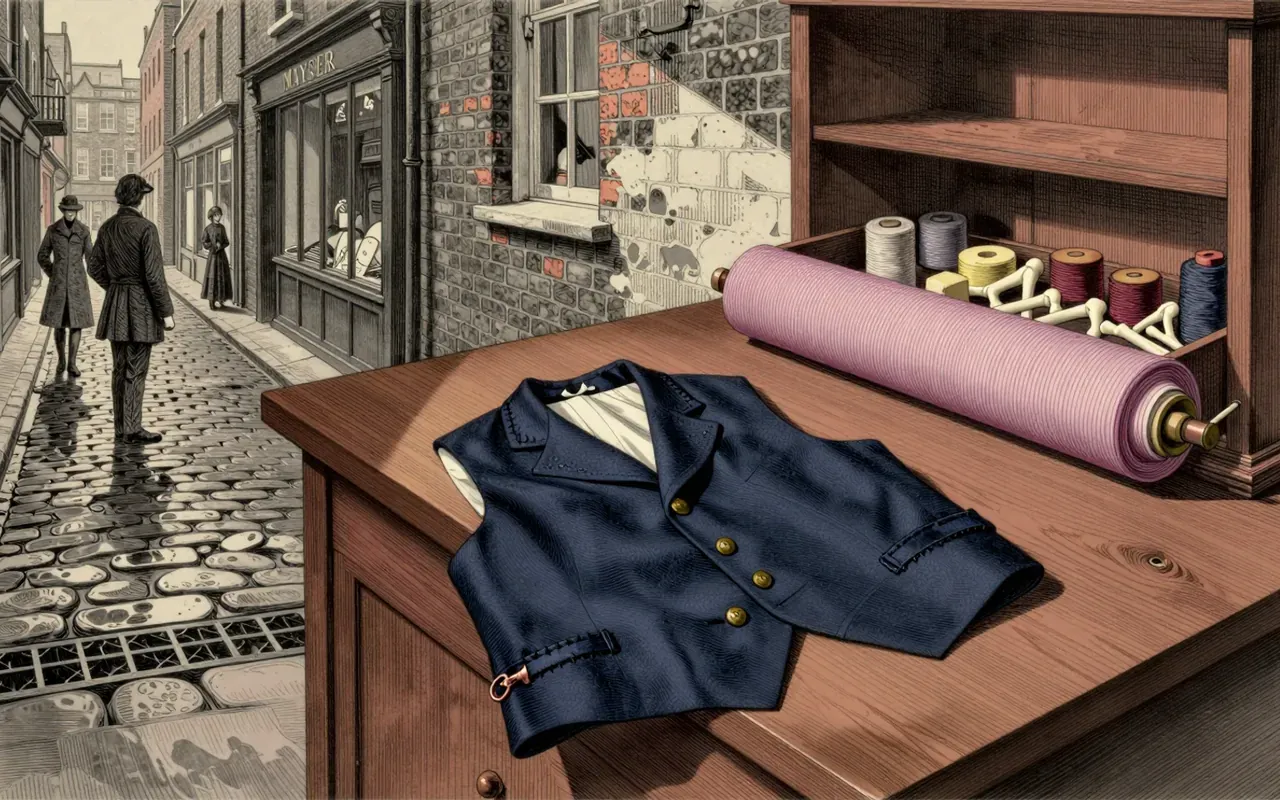
A waistcoat with two shortened bands proves love is often a lie told in stitches.
10:29

Cowboy boot

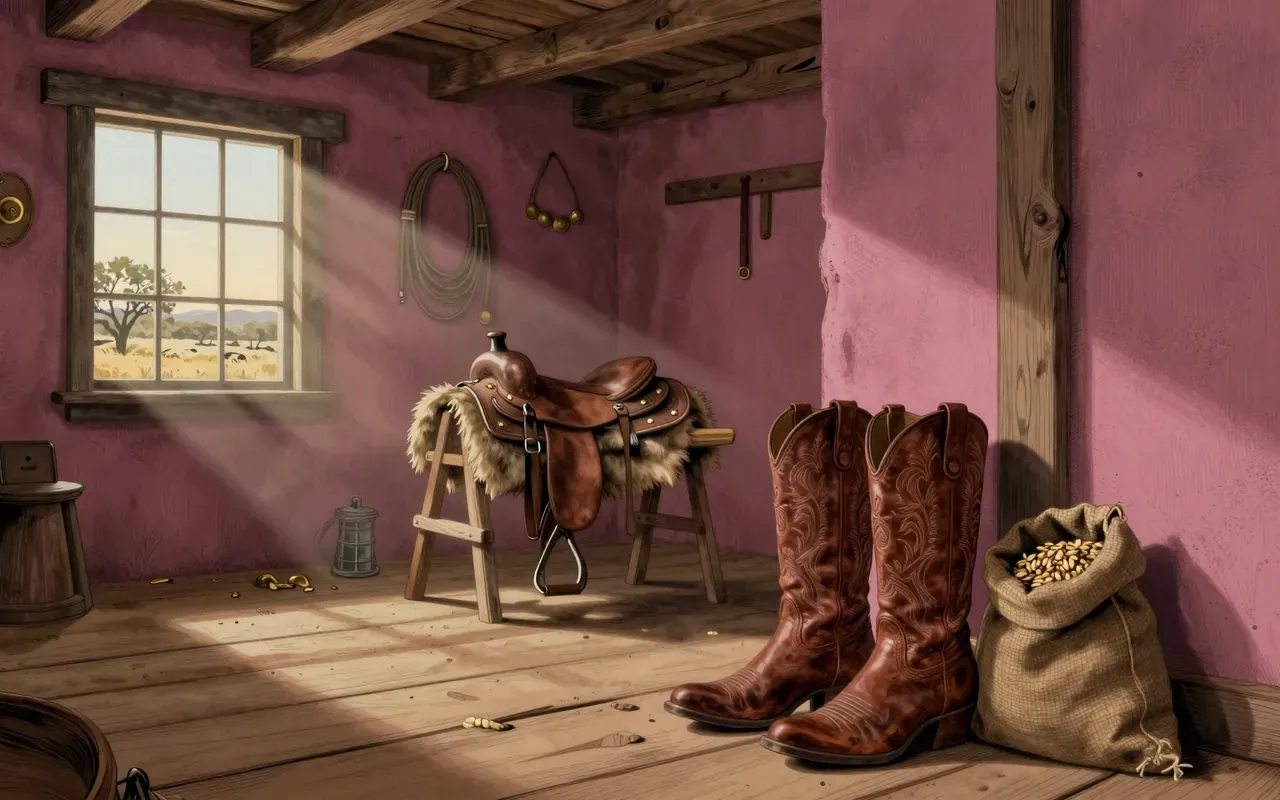
A boot built to stop cowboys from being dragged became a uniform for people who’ve never mounted a horse.
8:57

Beret

The beret is not a symbol that got weaponised. It is a tool that got uniformed—and then mythologised.
8:49

Bowler hat

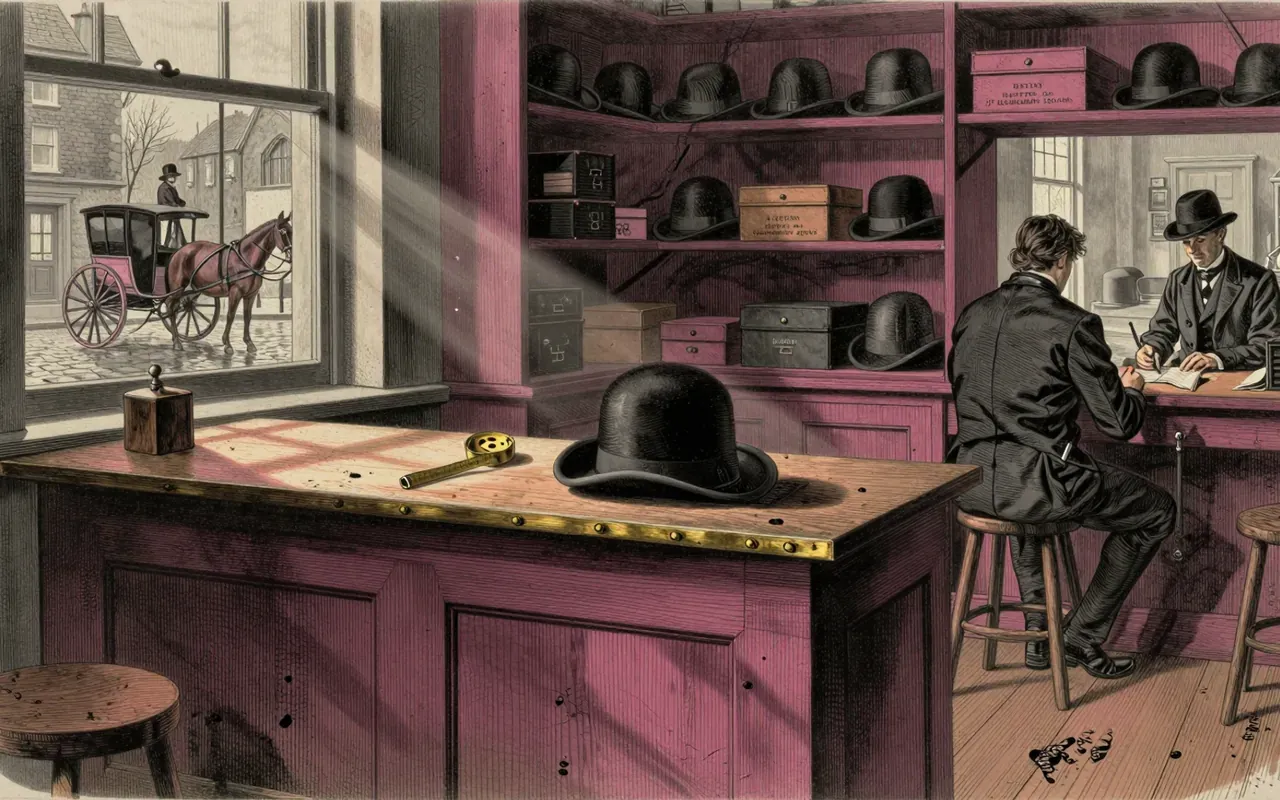
A hat built to survive branches became a symbol of class—then a tool of colonial displacement.
9:10

Fedora

A hat named after a woman’s role in a French play—and then made to forget her.
9:04

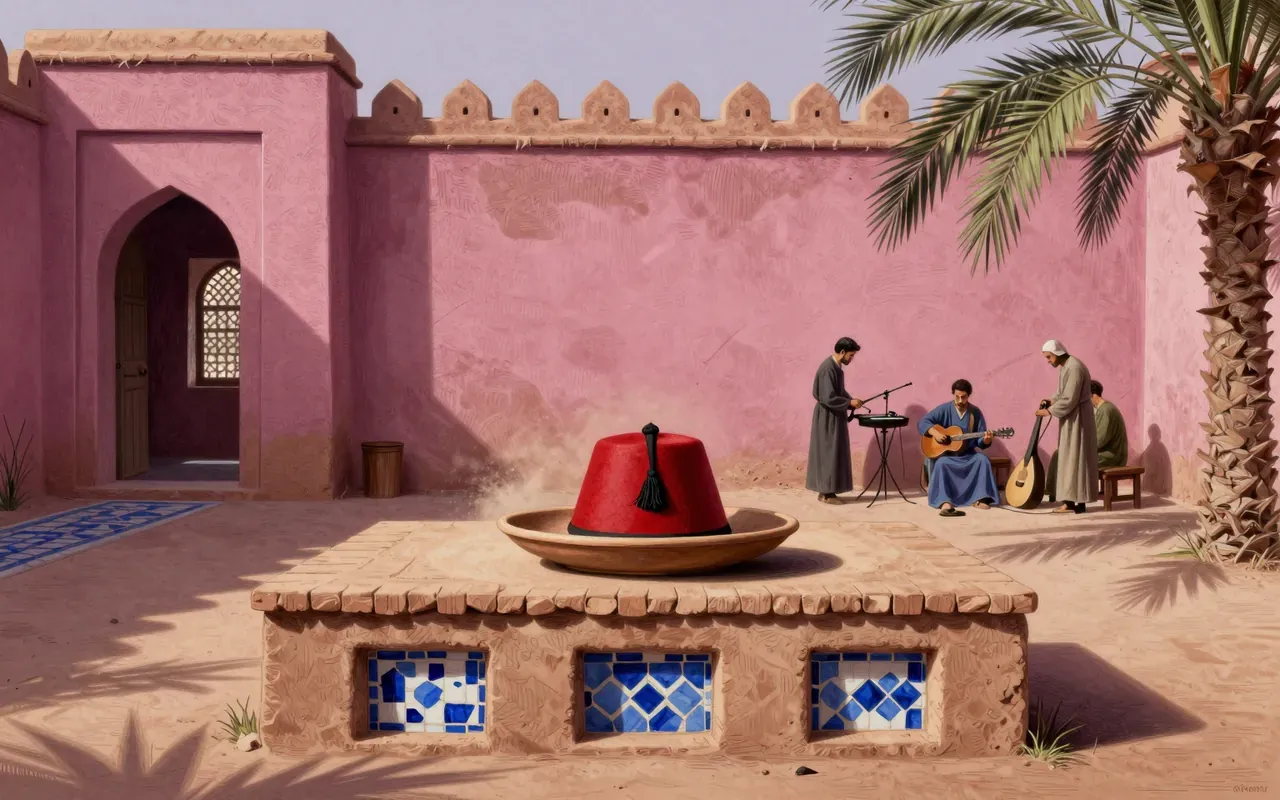
Fez (hat)

A red hat designed to erase identity became the ultimate symbol of what the state wanted to erase.
9:11

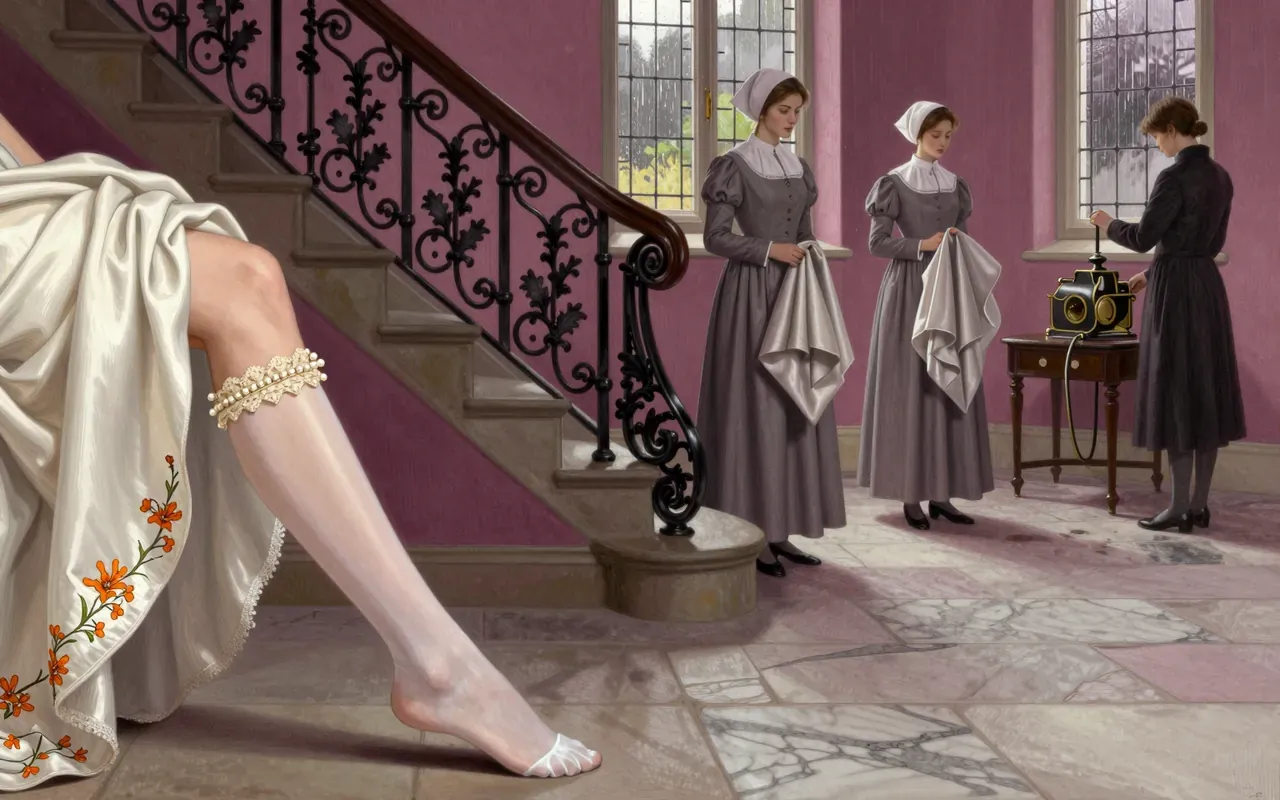
Garter

A functional strap became a wedding prop, a male fashion staple, and a Shakespearean punchline—without ever changing shape.
8:46

Keffiyeh

A sun shield turned political weapon by decree—not culture.
9:22

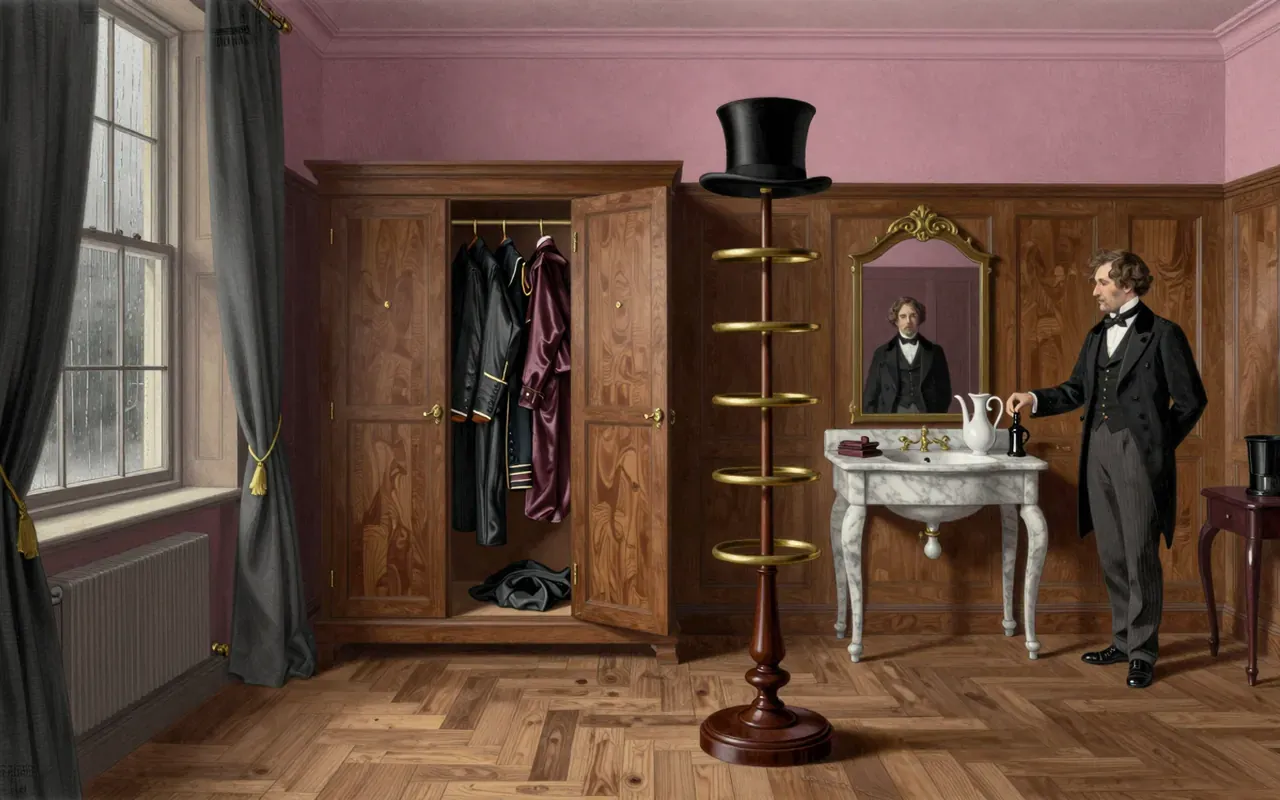
Top hat

The top hat didn’t crown elegance—it enforced hierarchy with millimetres of silk.
10:26

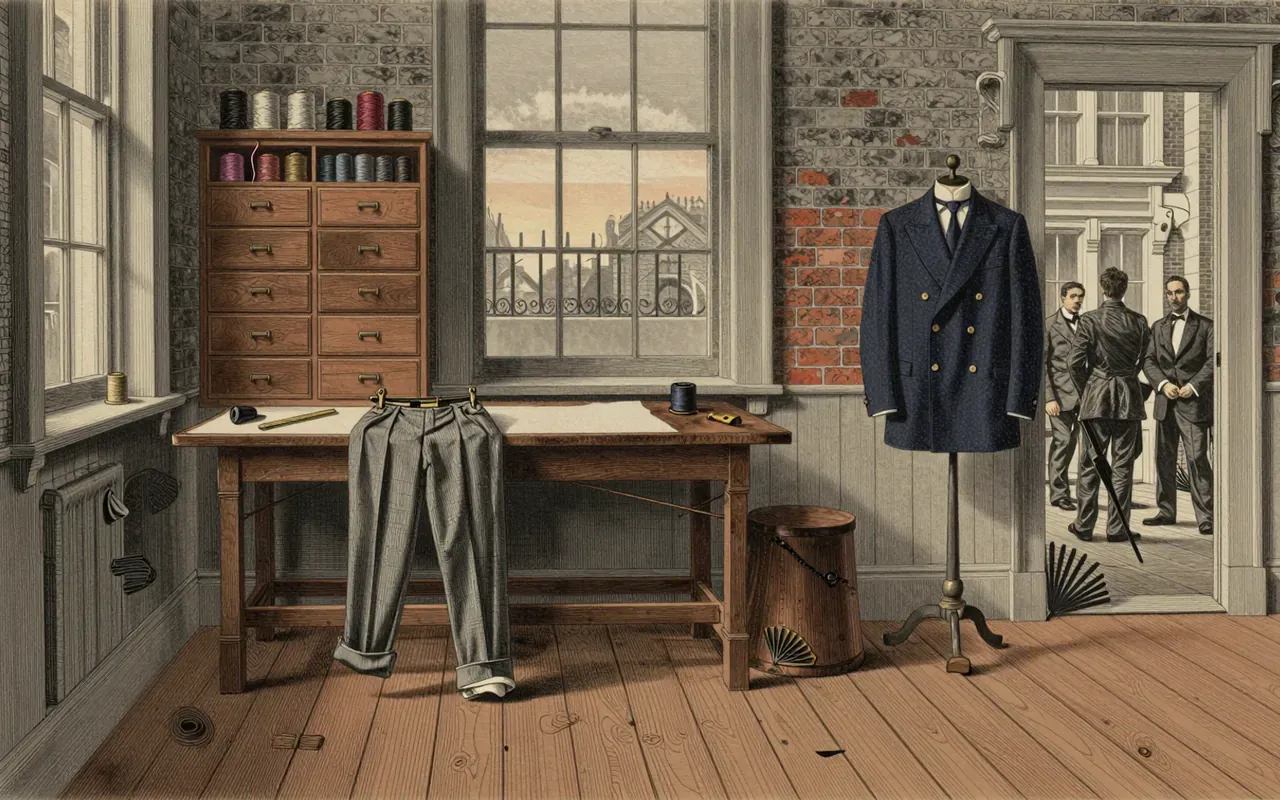
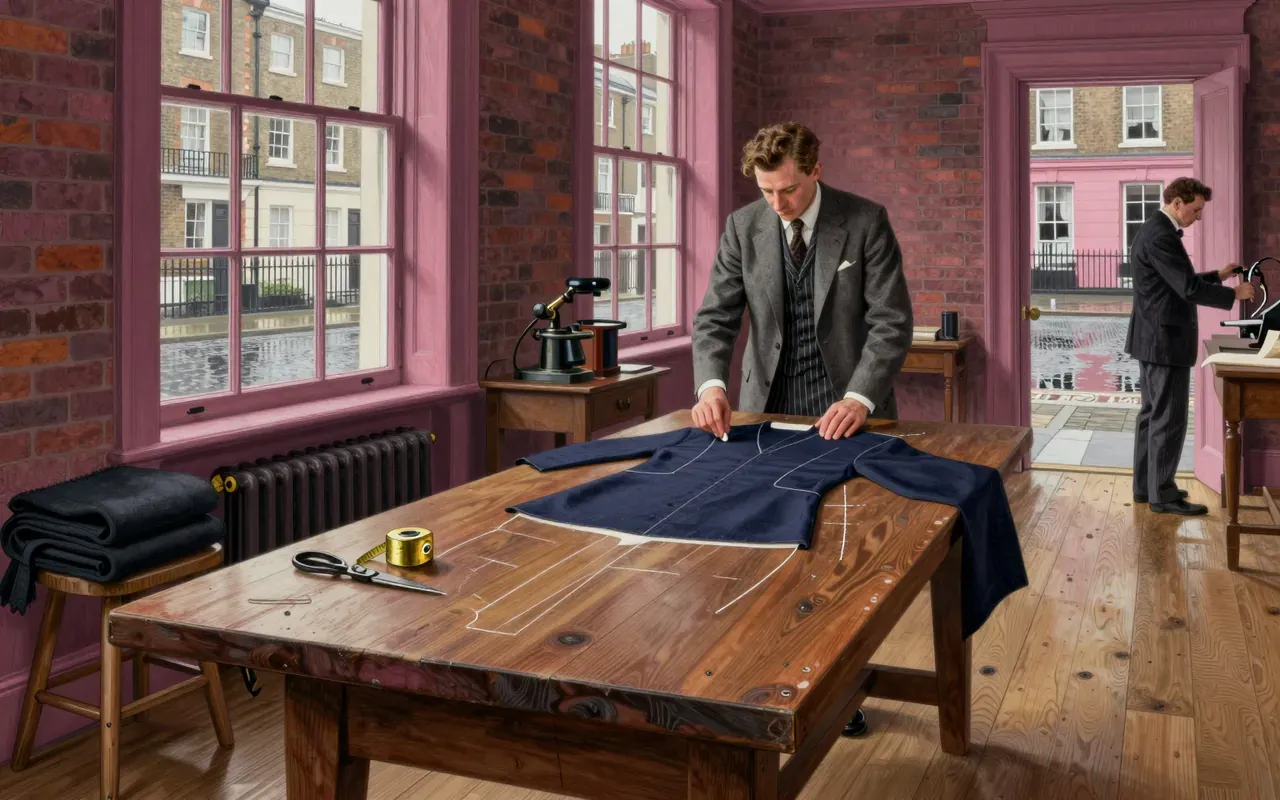
Savile Row

Savile Row didn’t invent bespoke—it weaponised it, then lost the war over its meaning.
8:34

Suit

The suit isn’t formal wear—it’s the uniform of unspoken control.
8:30

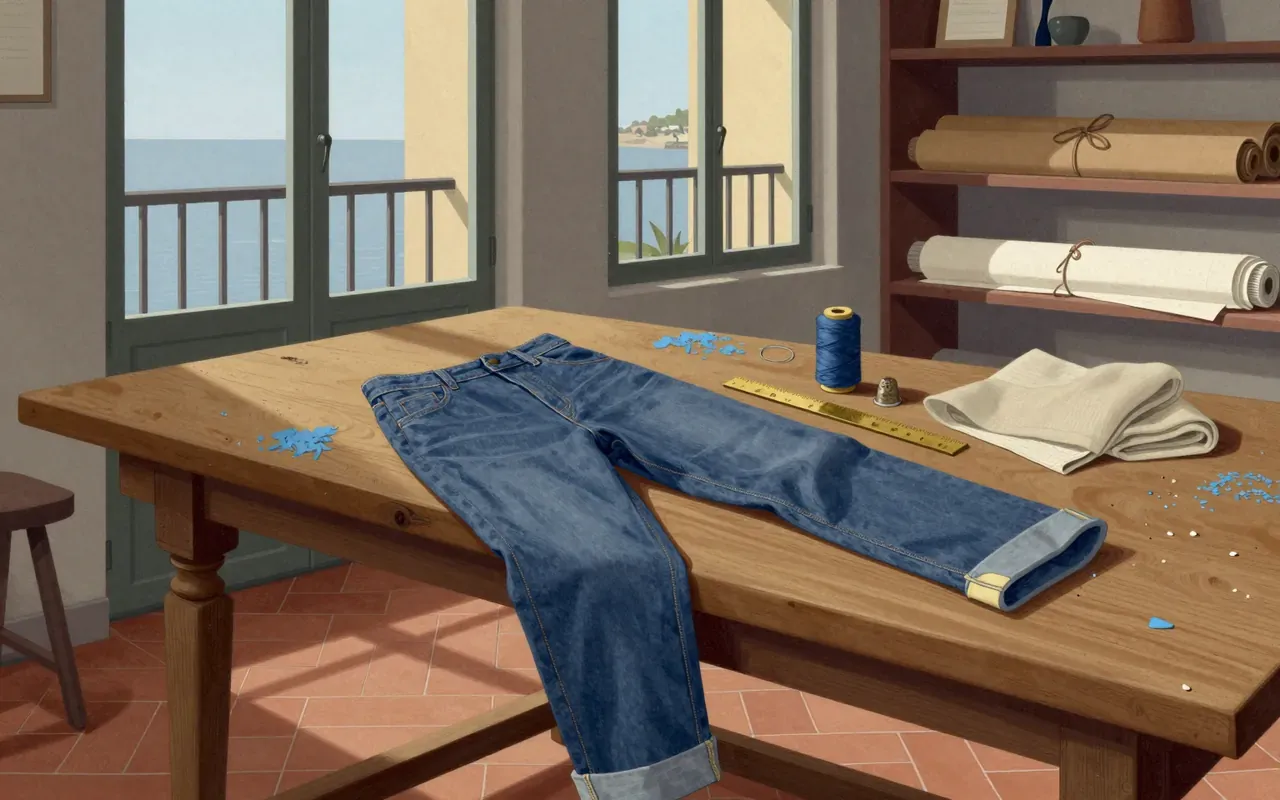
Denim

Denim isn’t rebellious—it’s bureaucratic. It was issued by railways and air forces long before it was adopted by teenagers.
10:28

Trench coat

Thomas Burberry

The trench coat is a functional garment that solved a narrow military problem. Its civilian life is a story of displacement—not evolution.

8:15

Adidas Superstar

A basketball shoe that won the NBA by 1973—and then vanished from the court, only to reappear on every street that mattered.
8:41

Converse (brand)

Marquis Mills Converse · 1910

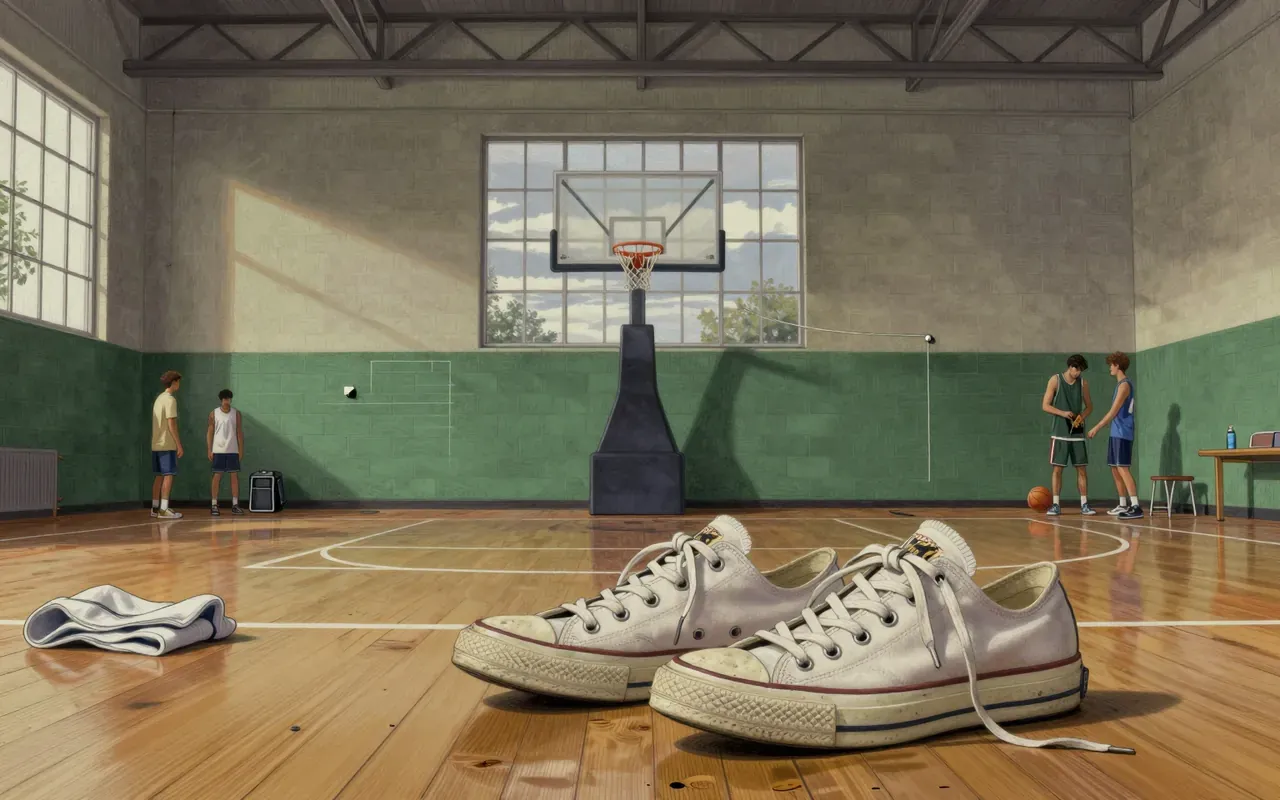
Converse is a manufacturing company that made functional footwear for specific markets—basketball players, the Rens, the US military. Its cultural weight came later, from reuse, not design intent.
9:02

Dr. Martens

Klaus Märtens · 1951

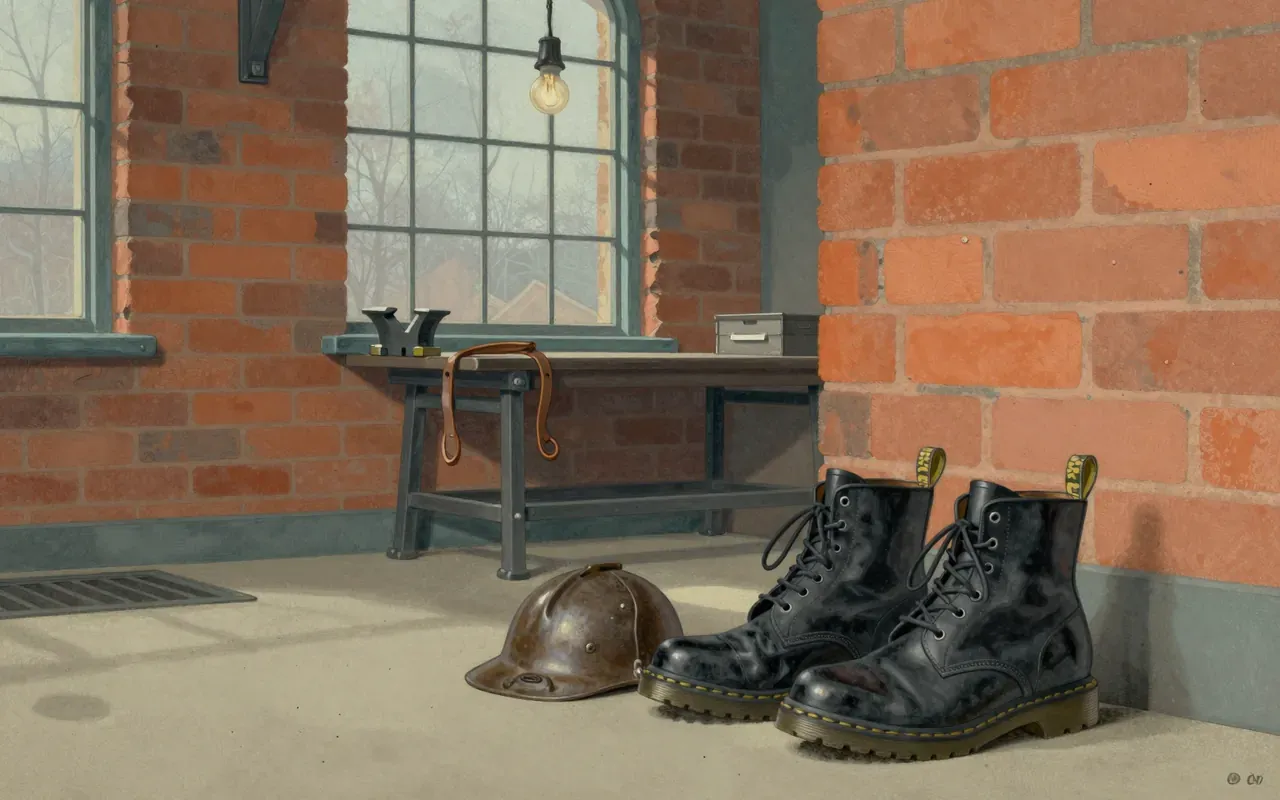
Dr. Martens is a functional footwear innovation repurposed as cultural symbol — its origins in rehabilitation and post-war scarcity are routinely overwritten by its later adoption elsewhere.

8:49

New Balance

William J. Riley · 1906

New Balance is a footwear company whose origin lies in biomechanical correction—not sport. Its founding premise was specific, functional, and local. Its later expansion into performance and lifestyle markets introduced contradictions it failed to reconcile—most visibly in its 2012 toning-shoe settlement. It matters now because it shows how medical authority gets repackaged as consumer identity—and how easily that packaging outlives its justification.

9:22

Sneakers

Sneakers were never about style—they were about silence, grip, and getting away with it.
9:56

Cartier Tank

Louis Cartier · 1917

The Cartier Tank is a line of watches made by Cartier. It was created by Louis Cartier in 1917, and inspired by the new Renault tanks which Cartier saw in use on the Western Front. The prototype watch was presented by Cartier to General John J. Pershing of the American Expeditionary Force. The Tank was introduced in 1918, and entered full production in 1919, when six pieces were built. Its lines and proportions are similar to those of tanks used on First World War battlefields. Its strap is integrated into vertical sidebars called brancards. The defining features of a Tank watch include its bold Roman numeral dial with a chemin de fer chapter ring, sword-shaped blued steel hands, and a sapphire cabochon-surmounted crown.

8:24

Rolex Submariner

The Submariner stopped being a diver’s tool in the 1960s—and became the world’s most successful status symbol disguised as one.
8:21

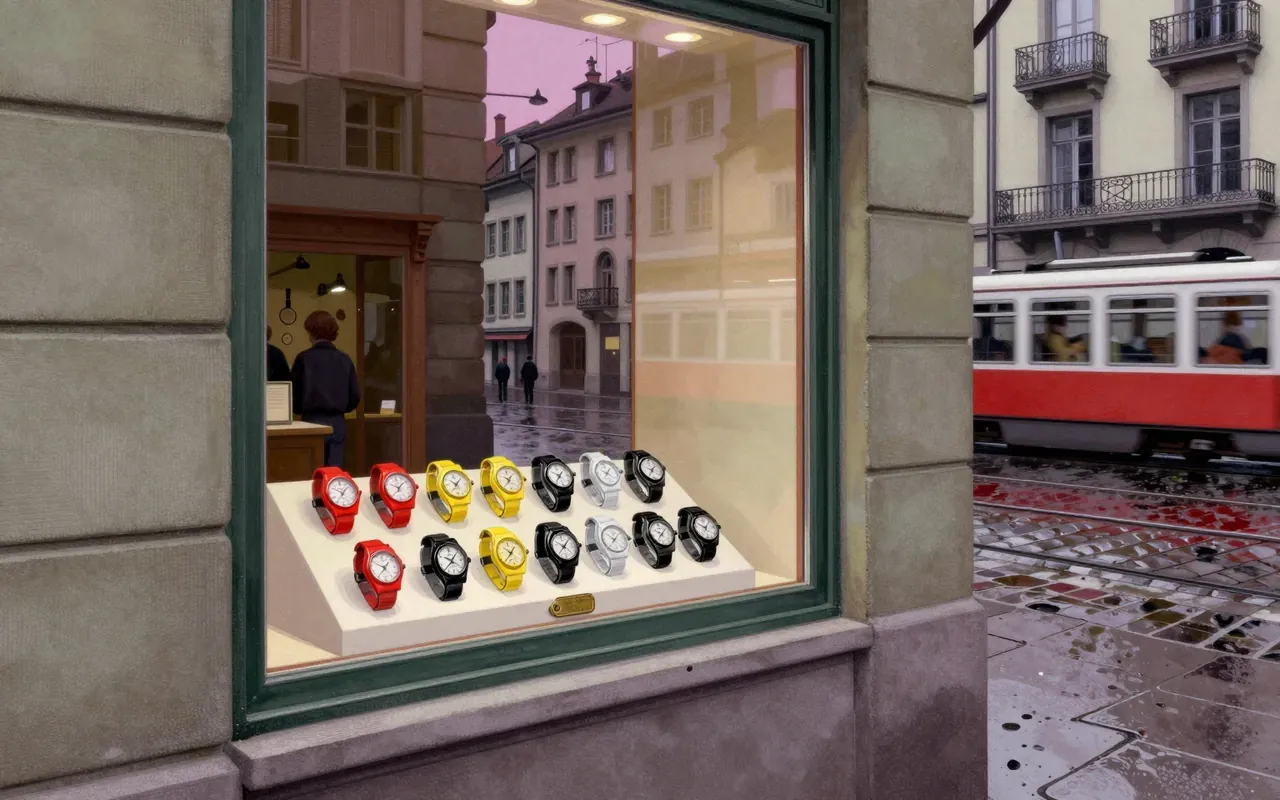
Swatch

Swatch didn’t save Swiss watchmaking—it outsourced its soul to plastic and price.
10:00

Chanel 2.55

Coco Chanel

The Chanel 2.55 is a functional object turned cultural cipher — its innovations real, its symbolism rooted, its legacy inflated.