What the garment is and where it came from
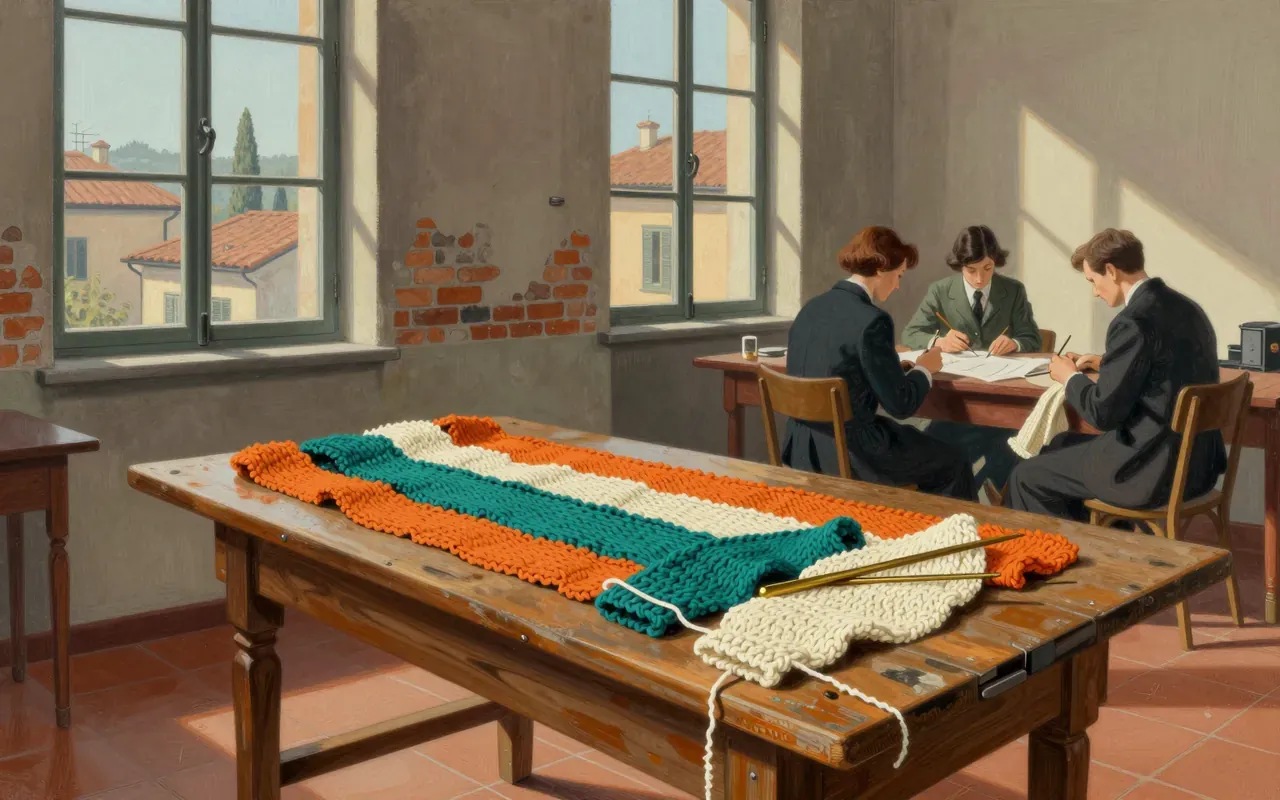
A snap-front cardigan. Made in 1979 by Agnès b. She cut a crewneck sweater and added snap buttons.
Agnès b., born Agnès Andrée Marguerite Troublé in 1941, is a French designer who grew up in Versailles. She began as a junior fashion editor at Elle, then moved into freelance fashion design, and opened her first boutique in Les Halles in 1976. She was influenced by clothes she found at the flea market, and her designs were simple and easy to wear. She kept the “B” of the label from the surname of her husband at the time, Christian Bourgois, who later became a book publisher.
How it works, in terms someone would actually use
It opens and closes with snap buttons. It hangs from the shoulders without structure. It layers over shirts, t-shirts, or thin knits without bulk.
To mark forty years of the design, she hosted an exhibition titled Photographers… Artists and the Snap Cardigan, for which more than 70 photographers, among them Juergen Teller and the filmmakers Jim Jarmusch and David Lynch, took pictures of the cardigan.
What it gets right
It prioritises ease of movement and speed of wear. It eliminates lapels, pockets, and lining. It uses the crewneck’s clean neckline as its foundation.
What it does not
It does not insulate against cold. It does not shape the torso. It does not fasten fully at the waist or hips.
What it changed
It replaced the formal cardigan with a casual, modular alternative. It proved that cutting and reassembling existing garments could yield global appeal.
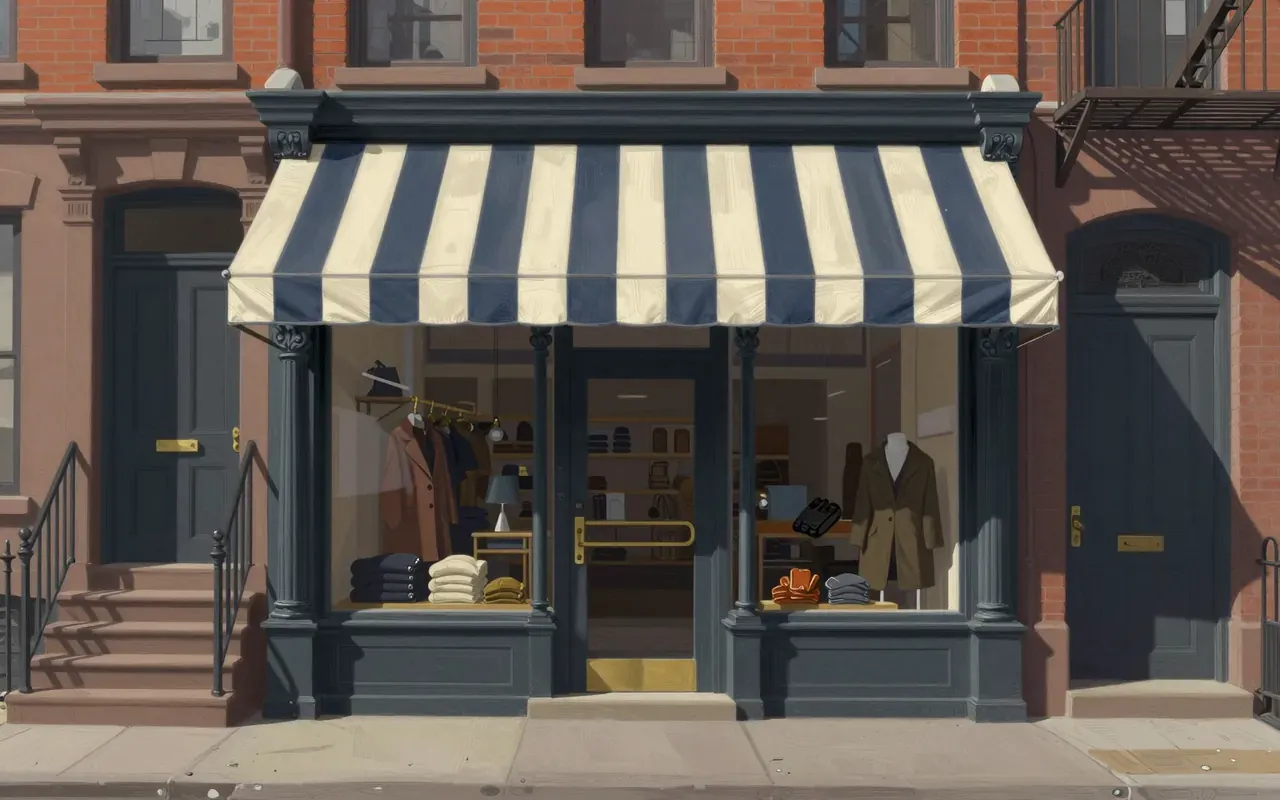
The label went on to menswear in 1981, after she saw men appropriating clothes designed for women, and opened its first international store on Prince Street in New York’s SoHo in 1983. The perfume Le b. followed in 1987, with a skincare and cosmetics line, and over time the range grew to maternity wear, shoes and bags. She uses the brand to finance art and cinema projects, and in 1984 opened the Galerie du Jour in Paris, which showed graffiti artists.
Who it is for, and who it is not
People who want to wear knitwear as armour against indecision, not weather. Not for those who need warmth, polish, or architectural silhouette.
Is it worth your time
Yes — if you need a lightweight, unstructured outer layer that moves with you and resists fashion cycles.