fashionbriefs
10:06in productionCh. 1 · Made for Jordan/ 10:06 · ceiling 15 min
Footwear · Sportswear

Air Jordan

1984

A shoe that broke league rules to become a retail weapon—and collapsed under its own chemistry.

The Air Jordan I is a basketball shoe made for Michael Jordan in 1984 and released publicly in 1985. Designed by Peter Moore, Tinker Hatfield, and Bruce Kilgore for Nike, it used only 23% white—violating the NBA’s 51% white uniform rule. It sold out its initial 50,000 pairs and generated over $150 million in sales, far exceeding Nike’s $3 million three-year target. Its polyurethane soles degrade over time, making vintage pairs unwearable.

Chapters & takeaways4
  1. 0:38
    Made for Jordan

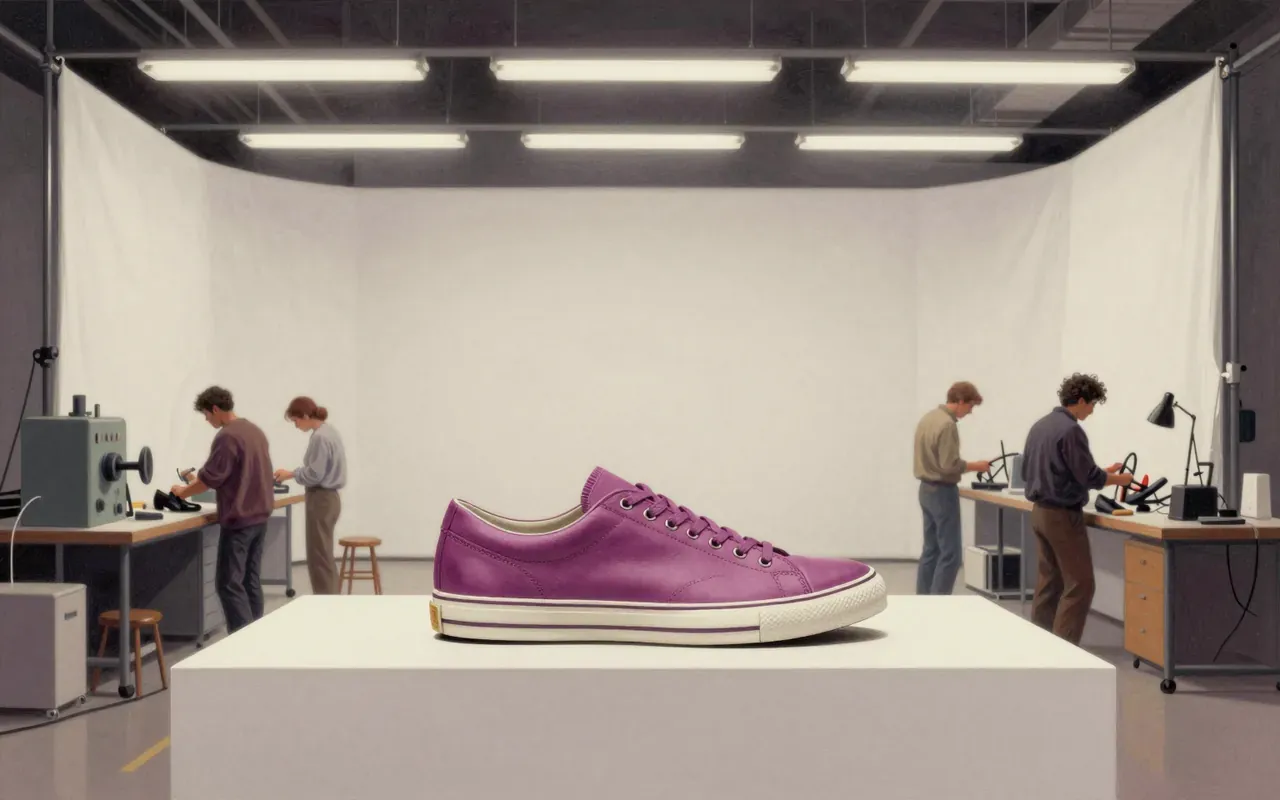
    It was made for one man, on one team, in one year—and launched as a public product before the season ended.

  2. 2:29
    Rule Breaker

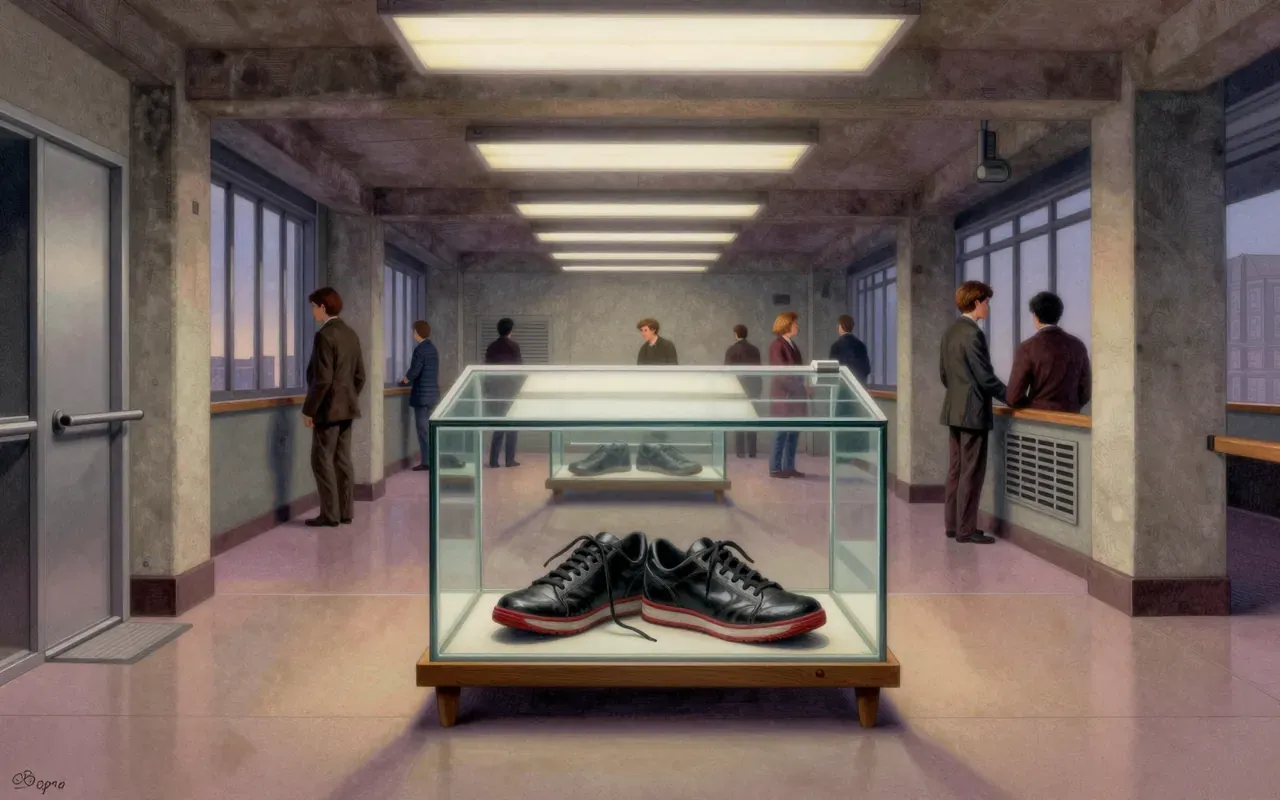
    Its red-and-black palette used only 23% white—deliberately flouting the NBA’s 51% rule.

  3. 4:23
    Sales Shock

    Nike expected $3 million in three years. It earned $126 million in one—and sold out 50,000 pairs instantly.

  4. 5:44
    Chemical Failure

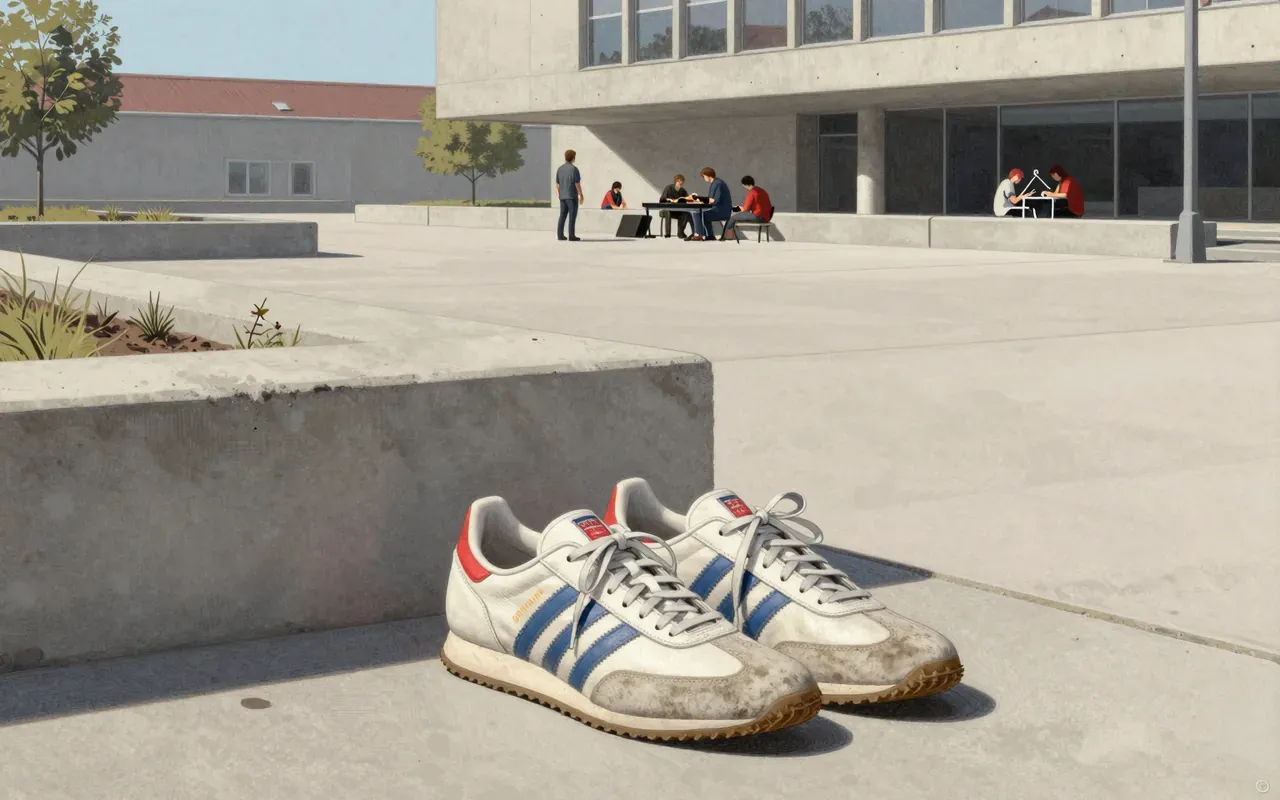
    Polyurethane soles degrade. Vintage pairs are often unwearable—not rare, just chemically spent.

Worth your time?

Yes. Wear the whole thing.

3.5/ 5
What works
  • alignment of colour, restriction, and rebellion
  • turning a fine into free advertising
What does not
  • hold up physically over decades
  • function as daily footwear for collectors today
Wear it if
  • people who want to own a pivot point in branding history
Skip it if
  • people who need durable, wearable shoes
The written brief1 min read

What the garment is and where it came from

The Air Jordan I is a high-top basketball shoe made by Nike in 1984 for Michael Jordan of the Chicago Bulls. Peter Moore, Tinker Hatfield, and Bruce Kilgore designed it.

How it works, in terms someone would actually use

It is a basketball shoe built for Michael Jordan in 1984, released publicly in 1985. It uses a polyurethane sole that stiffens and crumbles with age. It was worn on court despite violating the NBA’s 51% white uniform rule.

What it gets right

It gets right the alignment of colour, restriction, and rebellion: red and black against NBA white, turning a fine into free advertising.

What it does not

It does not hold up physically over decades. Its polyurethane soles degrade. It does not function as daily footwear for collectors today.

What it changed

It changed how sportswear brands treat athlete contracts: no longer just endorsements, but co-branded product lines with full creative and commercial control.

Who it is for, and who it is not

It is for people who want to own a pivot point in branding history. It is not for people who need durable, wearable shoes.

Is it worth your time

It is worth your time only if you understand it as a commercial detonation—not a design evolution, not a cultural inevitability, but a deliberate breach of league rules turned into a sales engine.
Same rail · Footwear4 of 35
Up next in Fashion

Louis Vuitton

1854 · 9:42

A trunk is not a bag—it is a portable vault built to survive empire-scale movement.

9:42