fashionbriefs
10:41in productionCh. 1 · Origin: From bedroom blogs to front row/ 10:41 · ceiling 15 min
Subculture style · Workwear

Fashion influencer

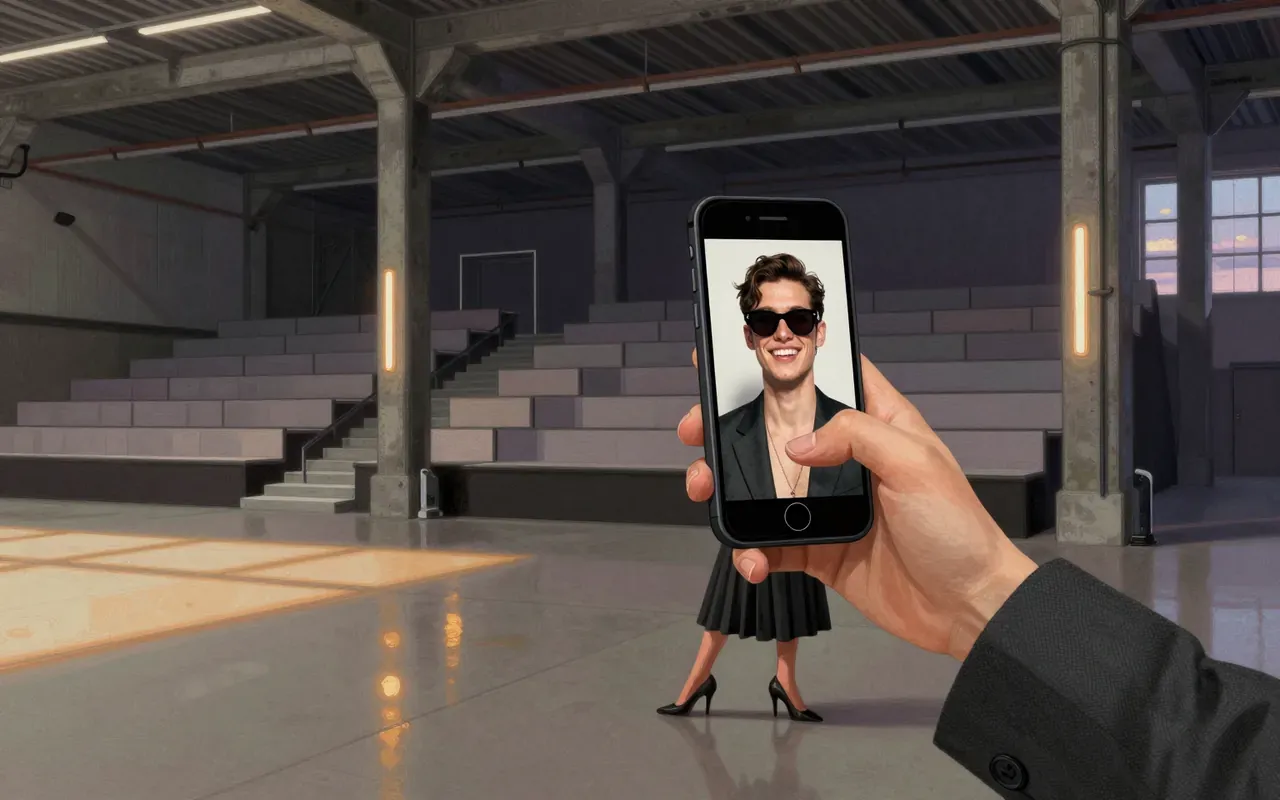
Fashion influencer is not a person—it’s the first garment fashion made without cloth.

Fashion influencer is an institution built on proximity, not production. It redistributes fashion authority—but offers no material counterweight to commercial logic.

Chapters & takeaways4
  1. 1:00
    Origin: From bedroom blogs to front row

    It began as amateur blogs around 2000—not as marketing tools, but as hobbyist spaces for sharing trends and seeking industry entry.

  2. 2:40
    Disruption: Critique that got a seat

    Blog amateurs became rivals to fashion journalism by spotting trends and earned institutional recognition—front-row seats alongside editors.

  3. 4:16
    Mechanism: Closeness as currency

    Influence works through repeated, multi-channel intimacy—not celebrity distance—making recommendations feel personal and actionable.

  4. 5:54
    Economy: Sponsored posts as infrastructure

    Its economy runs on brand co-operations, affiliate links, and follower counts—and its legitimacy depends on transparent labelling of paid content.

Worth your time?

Yes. Wear the whole thing.

3.5/ 5
What works
  • redistributes fashion authority
  • builds closeness through daily visual access
  • turns amateur critique into institutional recognition
What does not
  • produce garments
  • design for wear or movement
  • own manufacturing infrastructure
  • offer editorial independence
Wear it if
  • brands seeking platform-native promotion
  • audiences valuing immediacy over authority
Skip it if
  • readers seeking critique unmediated by commercial alignment
  • makers whose work resists flattening into feedable moments
The written brief1 min read

What the garment is and where it came from

Fashion influencer is not a garment. It is an institution: a social media–based economic and cultural apparatus that emerged from early-2000s amateur fashion blogs.

How it works, in terms someone would actually use

Fashion influencers operate through daily multi-channel interactions—photos, stories, live sessions—that build closeness and trust with followers.

What it gets right

It gets right the power of proximity: daily visual access to clothing in context makes recommendations feel tangible, not aspirational.

What it does not

It does not produce original garments, textiles, or construction techniques. It does not own supply chains, mills, or pattern archives. It does not design for wear, weather, or movement.

What it changed

It changed fashion’s gatekeeping: amateur blog critics gained front-row seats at fashion shows and displaced traditional fashion journalism as trend-spotters and arbiters.

Who it is for, and who it is not

It is for brands needing credible, platform-native promotion and for audiences who value immediacy over authority. It is not for readers seeking critique unmediated by commercial alignment or for makers whose work resists flattening into feedable moments.

Is it worth your time

It is worth your time if you are a brand seeking targeted reach or a consumer relying on peer-adjacent fashion guidance—but not if you expect editorial rigour or structural accountability.
Same rail · Subculture style4 of 20
10:10
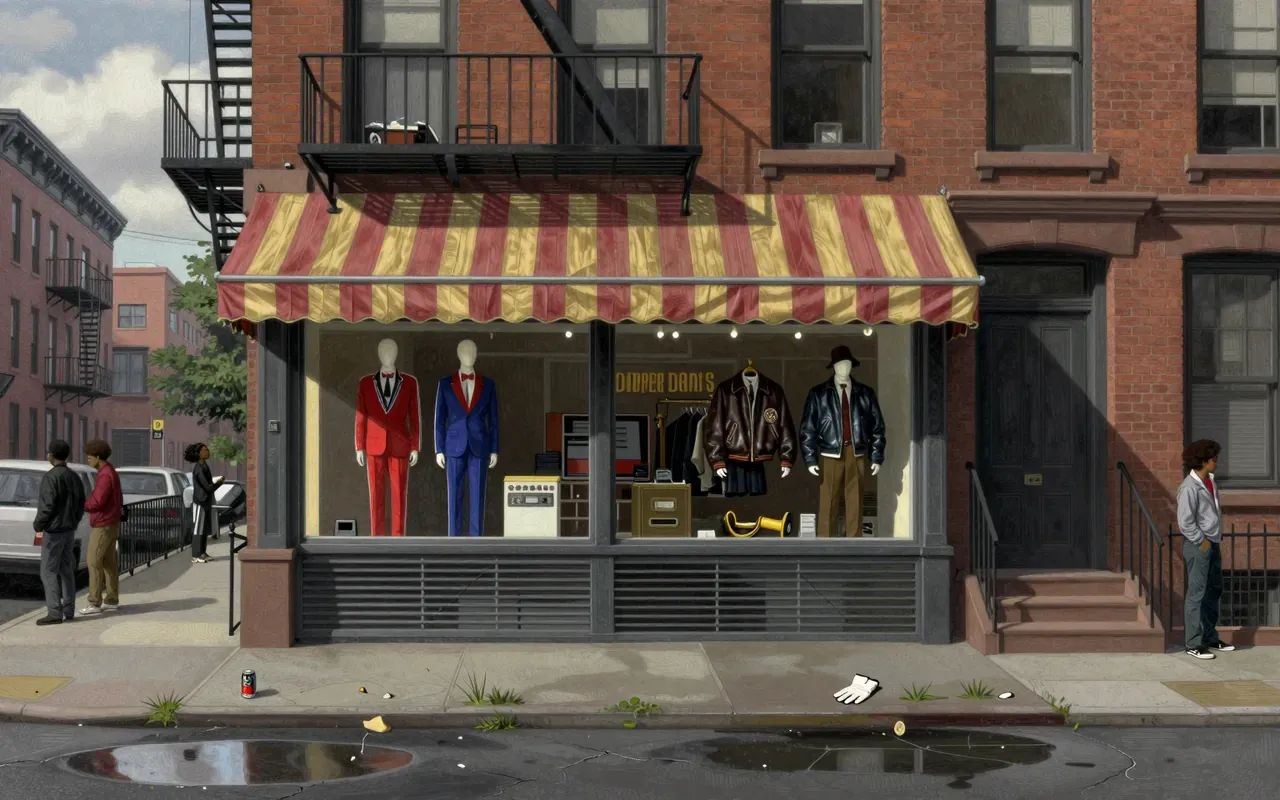
Dapper Dan (designer)Dapper Dan designed garments that functioned as calibrated social armour—not self-expression alone, but negotiation. His work fused luxury branding and street aesthetics through client-centred questioning, self-directed study of symbols, and hands-on mastery of fur and leather. It catalysed mainstream recognition only after decades of legal challenge, culminating in a 2017 collaboration with Gucci.
9:17
Dazed1991Dazed is a publishing institution built on refusal: of hierarchy, of speed, of neutrality. Its form follows its founding condition—student-made, club-distributed, visually driven—and its expansions (Dazed Digital, Dazed Beauty, Dazed Studio) retain that posture. It does not explain youth culture. It occupies it.
9:51
PreppyPreppy is a subcultural style system rooted in the alumni networks of Northeastern U.S. college-preparatory schools. Its fashion derives from early- to mid-twentieth-century school wardrobes and Ivy League campuses. Lisa Birnbach’s 1980 The Official Preppy Handbook satirised its exclusivity while cementing its visual grammar. It functions as a legible marker of old-money, upper-class upbringing — through dress, speech and etiquette — not as an aesthetic experiment.
9:37
Slip dressThe slip dress is a bias-cut, spaghetti-strapped dress modelled on an underslip. It rose in the 1990s as outerwear using sheer chiffon, polyester satins, charmeuse and lace trim. It embodied sartorial minimalism. Kate Moss wore a sheer version in 1993. Courtney Love gave it grunge credibility. It was styled above the knee with tights, leggings or bike shorts and a capped-sleeve tee or bodysuit.
Up next in Fashion

Baguette (bag)

· 11:01

A bag that got mugged on TV—and then bought a fashion house.

11:01