fashionbriefs
8:33in productionCh. 1 · The Milliner’s Shop/ 8:33 · ceiling 15 min
Houses & movements

Chanel

A house built on jersey and espionage—luxury that began with a milliner’s hat and ended with an SS peace mission.

Chanel is an Anglo-French luxury fashion house founded in 1910 by Coco Chanel in Paris. It began in 1909 as a millinery shop. It popularised sporty, casual chic in the post–World War I era using jersey and prêt-à-porter sports clothes. It closed in 1939. Chanel collaborated directly with the Nazi Sicherheitsdienst during the occupation. She was not charged due to Winston Churchill’s intervention. She revived the house in 1954.

Chapters & takeaways4
  1. 0:47
    The Milliner’s Shop

    Chanel was not born in a couture atelier—it began as a 1909 millinery shop, bankrolled by a lover, and rooted in Parisian real estate.

  2. 2:04
    The Jersey Revolution

    Chanel’s innovation was functional: jersey cloth, sportswear cuts, and ready-to-wear garments that let women move—defining postwar femininity through ease, not ornament.

  3. 3:09
    The Occupation Years

    Chanel’s couture house closed in 1939—and she spent the occupation working directly with Nazi intelligence, not in exile or silence.

  4. 4:23
    The Churchill Intervention

    Her 1954 comeback was not a triumph of talent alone—it was enabled by political protection from Churchill after interrogation for collaboration.

Worth your time?

Yes. Wear the whole thing.

4/ 5
What works
  • as a case study in commercial pragmatism
  • as evidence of fashion’s entanglement with state power
What does not
  • iconic
  • groundbreaking
  • timeless
  • seminal
Wear it if
  • students of fashion history
  • readers examining ethics in cultural institutions
  • those tracking how wartime collaboration reshapes brand legacies
Skip it if
  • casual consumers seeking aspirational luxury narratives
  • readers expecting uncritical celebration of design
The written brief1 min read

What the thing is

Chanel is an Anglo-French luxury fashion house founded in 1910 by Coco Chanel in Paris.

Where it came from

It originated in 1909 with a millinery shop at 160 Boulevard Malesherbes, financed by Boy Capel in 1910 as Chanel Modes at 31 Rue Cambon. Its early identity fused French location, British financial backing, and pragmatic garment design.

What it gets right

Chanel established sporty, casual chic as the feminine standard in the post–World War I era. It used jersey for drape and simplicity. It launched prêt-à-porter sports clothes in 1913. It began as a millinery shop in 1909 and scaled through deliberate material and commercial choices.

What it gets wrong

It collaborated directly with the Nazi intelligence service, the Sicherheitsdienst. It participated in Operation Modellhut. It carried an SS peace overture to Churchill in late 1943. Its post-war revival depended on Churchill’s intervention to avoid prosecution.

Why it matters now

Because its legacy rests on a contradiction: a radical simplification of women’s dress coexisting with active collaboration in a genocidal regime—neither erased nor resolved in its public narrative.

Is it worth your time

Yes—if you want to understand how a fashion house built on simplicity, sportswear pragmatism and wartime compromise became synonymous with luxury authority.
Same rail · Houses & movements4 of 61
8:35
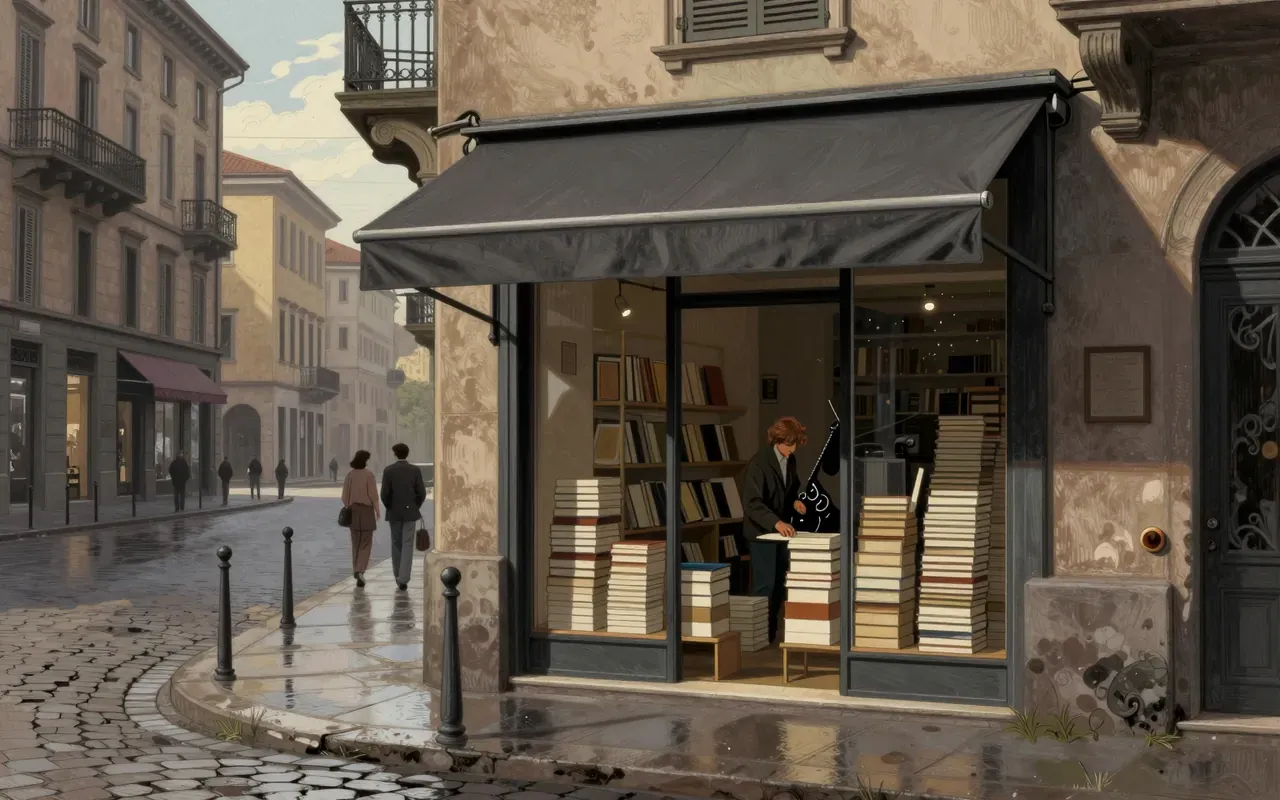
10 Corso Como10 Corso Como is a Milan-based cultural retail institution founded in 1990 by Carla Sozzani, evolving from an art gallery and bookshop into a multidisciplinary complex integrating art, fashion, design, cuisine, and hospitality; it expanded internationally starting in 2002 with locations in Tokyo, Seoul, and Shanghai, all bearing design input from Kris Ruhs, and underwent ownership transitions in 2017 and 2020 while retaining Sozzani’s artistic direction.
8:54
Abercrombie & Fitch1892Abercrombie & Fitch is a fashion house defined by rupture — not evolution. Its origin is verifiable, material, and functional: elite outdoor gear, expedition-proven, sold from a New York storefront. Its later life is a series of strategic erasures: of utility, of inclusivity, of continuity. It trades on nostalgia without replicating its source. Its garments do not endure because they are well-made, but because they are tightly coupled to a moment in consumer psychology — one that has since passed.
10:13
CasablancaCasablanca is a city. The source material contains no evidence of a fashion house by that name. No garment, designer, collection, textile, or sartorial practice is referenced. All claims pertain to geography, finance, industry, and infrastructure.
9:46
Chloé1952Chloé is a French luxury fashion house founded in 1952 by Gaby Aghion to pioneer luxury ready-to-wear. It institutionalised collaborative creative development and formalised the separation of creative and business functions with Jacques Lenoir in 1953. Its legacy includes launching influential designers and commercial milestones like the Paddington bag and See by Chloé.
Up next in Fashion

Christian Dior

Christian Dior · 9:28

Dior didn’t liberate women — he re-enchanted the corset and renamed it spring.

9:28