8:42YesEngineered GarmentsEngineered Garments treats American clothing like open-source code—and Daiki Suzuki is its most rigorous contributor.
9:56YesCorduraDuPont's 1929 tyre-cord rayon, turned into the tough fabric of motorcycle trousers and military packs.
9:57YesCraig Green (designer)Craig Green makes uniforms for feeling things you’re not supposed to feel in public.
10:41YesFashion influencerFashion influencer is not a person—it’s the first garment fashion made without cloth.
8:53YesLee (brand)Lee built workwear like infrastructure—not to be seen, but to hold up the body’s labour.
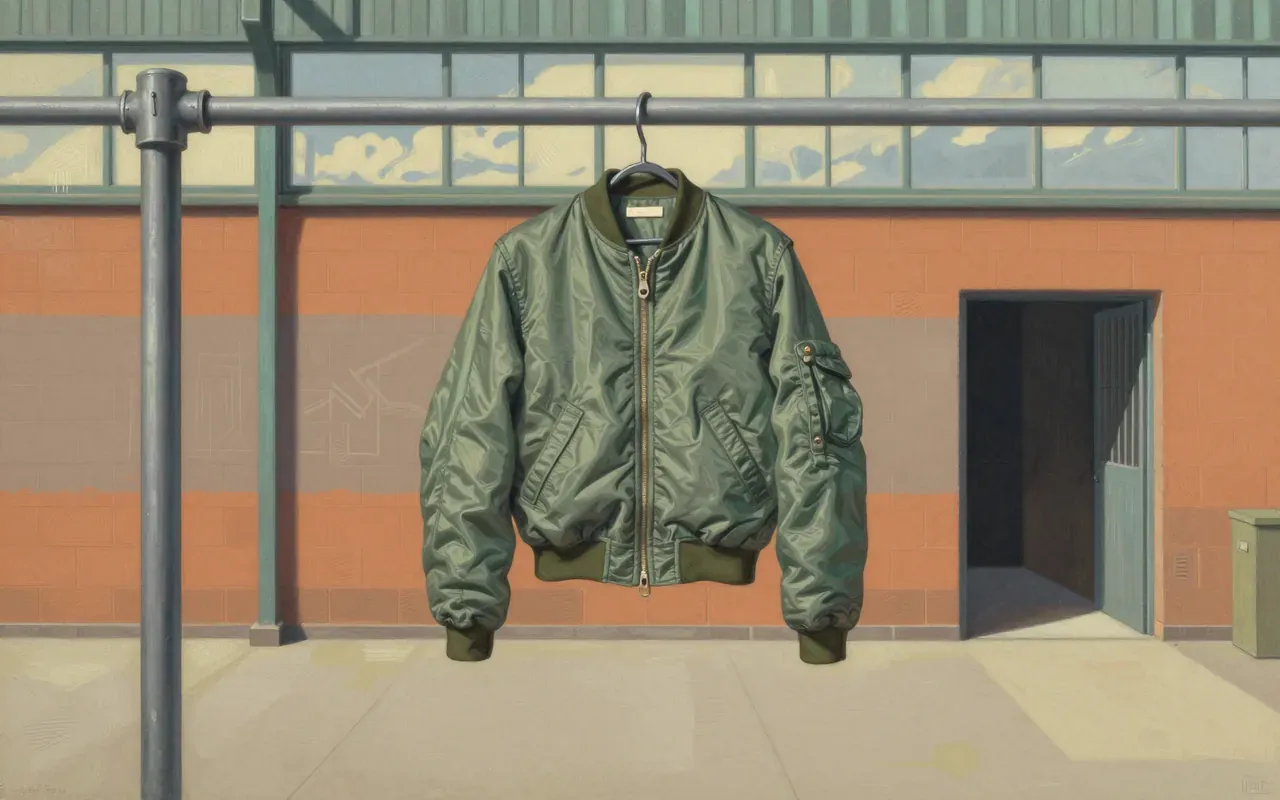
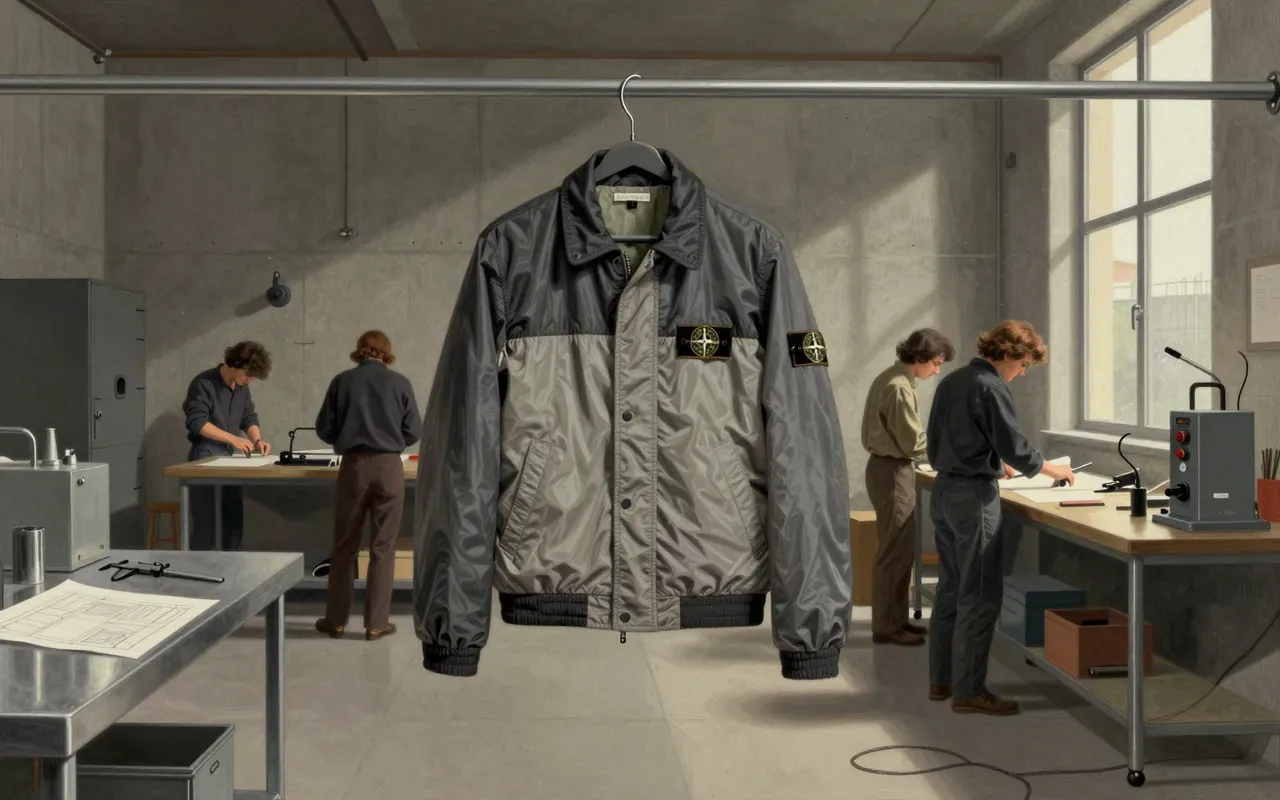
10:51YesMA-1 bomber jacketA jet-age utility garment that traded leather for nylon—and never apologised for it.
10:04YesWrangler (brand)Wrangler didn’t invent cowboy jeans—it engineered them to stay on while riding.
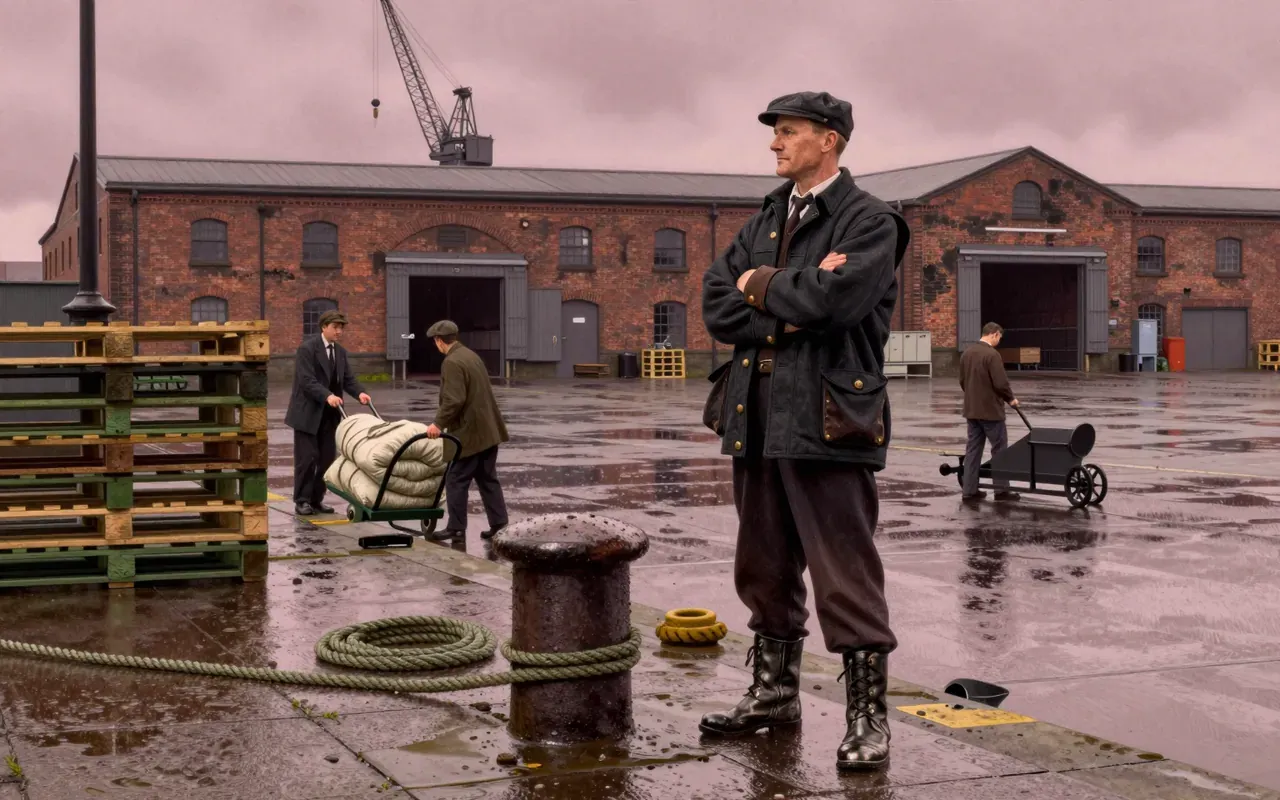
10:40YesHelly HansenThis wasn’t fashion—it was seam-sealed survival, stitched by hand for men who’d drown if it failed.
8:46YesKevlarKevlar isn’t clothing — it’s calibrated refusal: a fibre that says no to bullets, no to steel, and no to comfort.
9:41YesLevi Strauss & Co.Denim’s first functional patent wasn’t about style—it was about stopping seams from splitting on a gold miner’s thigh.
7:55YesDepartment storeThe department store was built for women to walk alone—and it succeeded by making commerce legible, not luxurious.
8:00YesWoolWool doesn’t drape—it defends. And it does so with keratin, crimp, and a third-of-its-weight thirst for water.
10:27YesParkaThe parka isn’t versatile—it’s a specialist: built for Arctic stillness, not city motion.
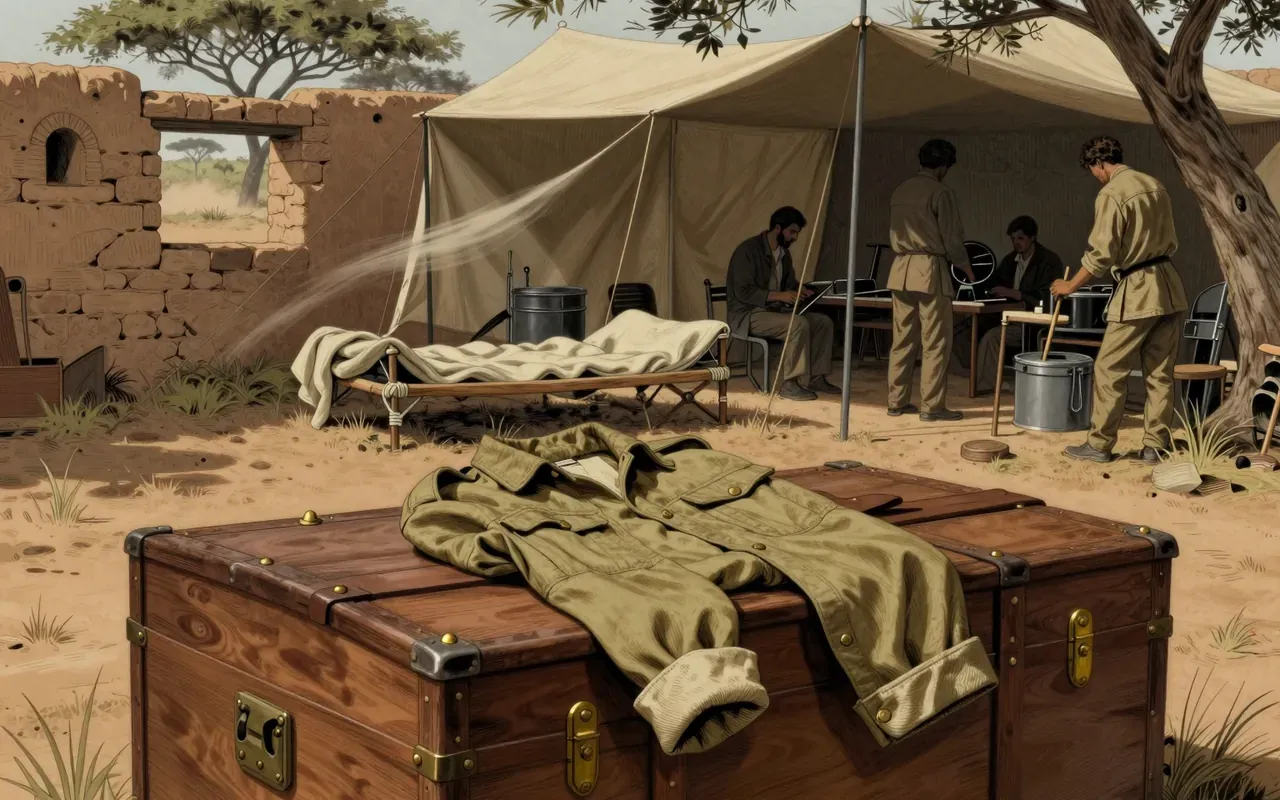
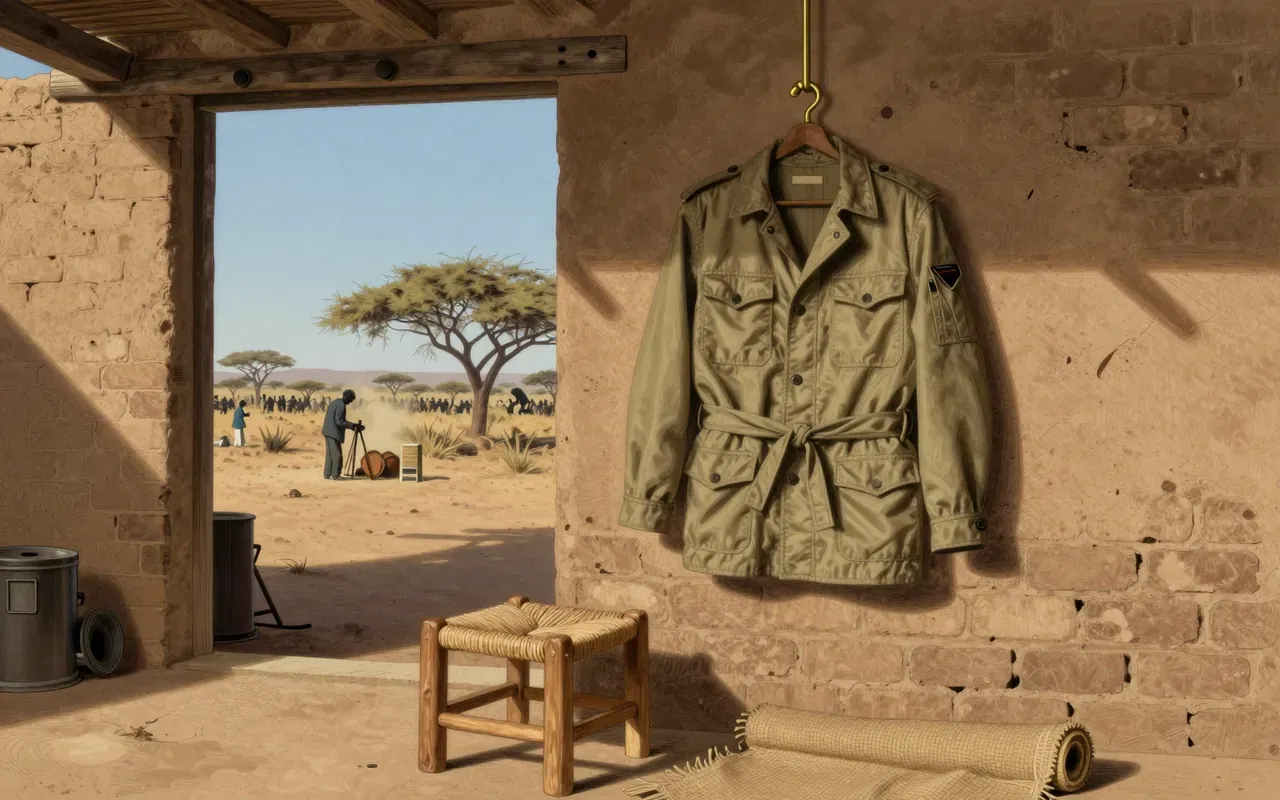
10:01YesSafari jacketA colonial field garment repurposed as leisurewear — useful, loaded, and never neutral.
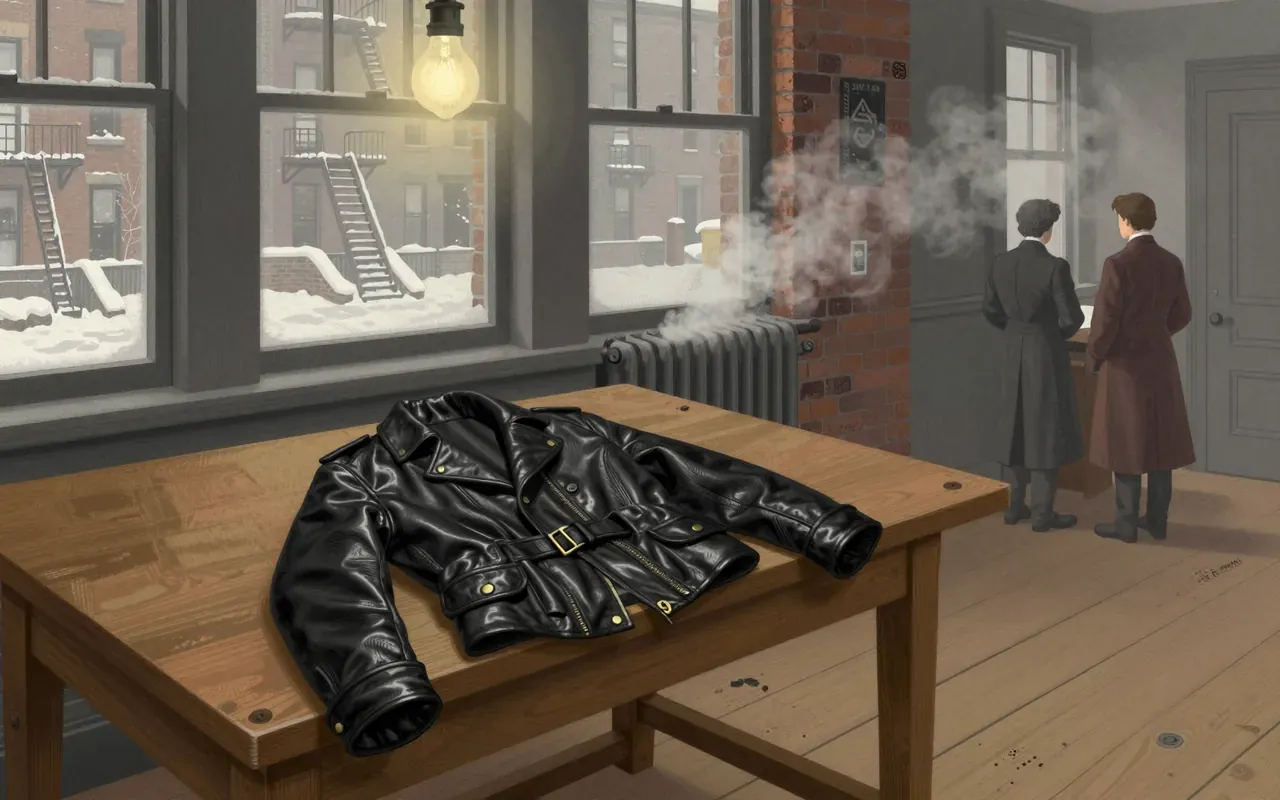
9:41YesSchott NYCThe first zippered jacket wasn’t fashion—it was friction, fitted, and forged on the Lower East Side.
9:30YesPolo neckA neck-covering weapon of quiet dissent—and practical durability—forged in chainmail and worn by sailors, Marxists, and everyone who refuses to knot a tie.