fashionbriefs
9:07in productionCh. 1 · Not a House. A Shop./ 9:07 · ceiling 15 min
Houses & movements

Gucci

Gucci began as a sanctioned-era salvage operation—not a luxury brand.

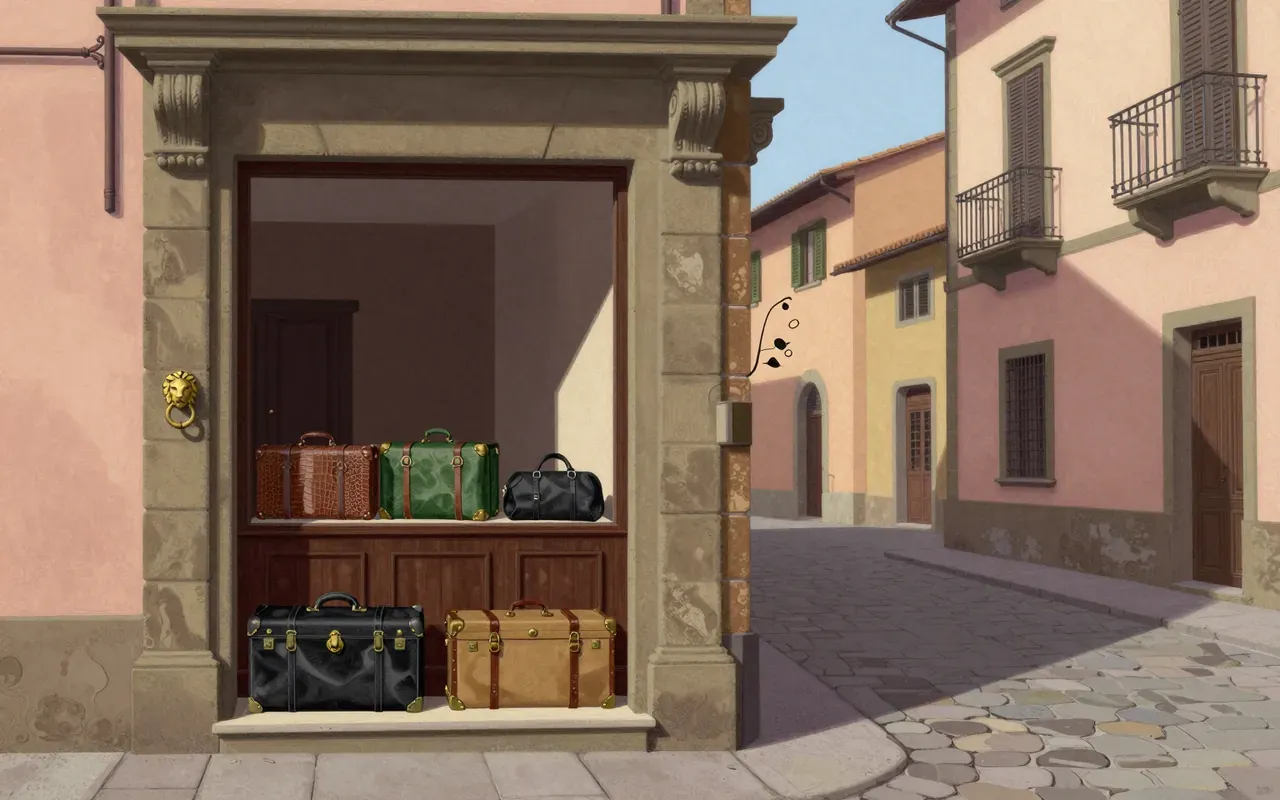
Gucci began as a Florentine leather shop in 1921, shaped by embargo, war and equestrian utility—not aspiration or artistry.

Chapters & takeaways4
  1. 1:01
    Not a House. A Shop.

    Gucci was a small, family-owned leather shop in Florence—not a global house.

  2. 2:38
    Equestrian First. Craft Second.

    It sold saddles and imported luggage, then built its own workshop with local craftsmen.

  3. 4:27
    Design by Embargo.

    Sanctions forced innovation: raffia, jute, hemp—and the rombi motif was born from constraint.

  4. 5:46
    War Work. Family Scale.

    Its artisans made infantry boots in WWII; its sons turned a one-man shop into a multi-city family business.

Worth your time?

Yes. Wear the whole thing.

4/ 5
What works
  • substitution
  • scaling
  • local production
  • sanction-response
What does not
  • global
  • aspirational
  • female-targeted
  • artistic
Wear it if
  • horsemen
  • Italian infantry
  • Florentine craftsmen
Skip it if
  • international consumers
  • women
  • collectors
The written brief1 min read

What the thing is

Gucci is a Florentine leather goods business founded in 1921. It began as a shop selling imported luggage and an artisan workshop producing equestrian gear.

Where it came from

It came from Guccio Gucci’s upbringing in Florence, Tuscany, his exposure to English luggage during work at London’s Savoy Hotel, and his return to open a small family-owned shop on Via della Vigna Nuova.

What it gets right

It built craft infrastructure in Florence. It substituted materials under embargo. It scaled through family labour and regional expansion. It made boots for soldiers and bags for horsemen.

What it gets wrong

It did not invent luxury fashion. It did not target women at launch. It was not global, nor aspirational in its first decades—it was local, functional and reactive.

Why it matters now

Because it shows how scarcity—not taste—drove signature design: the rombi motif, cuoio grasso tanning, and non-leather fabrics were wartime adaptations, not aesthetic choices.

Is it worth your time

Yes—if you want to understand how a family leather shop responded to sanctions, war and equestrian demand without relying on myth or legacy.
Same rail · Houses & movements4 of 61
8:35
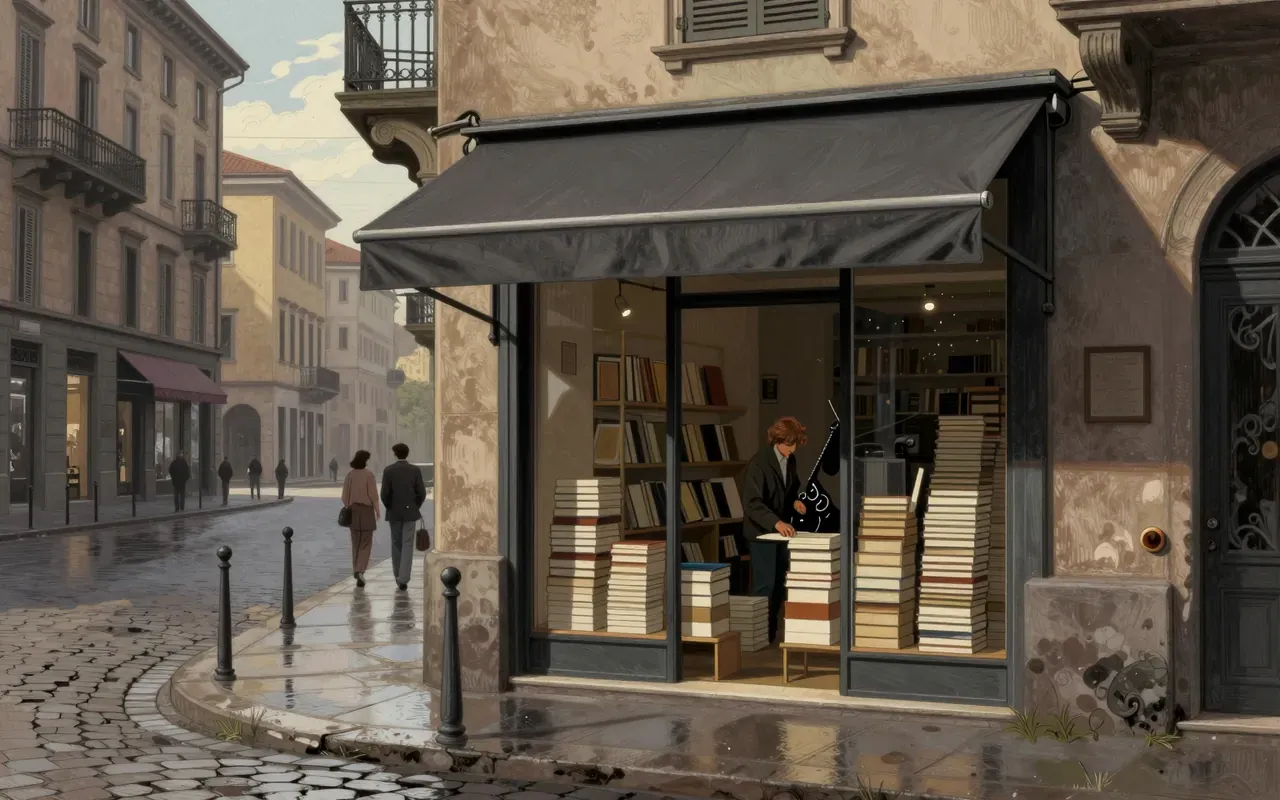
10 Corso Como10 Corso Como is a Milan-based cultural retail institution founded in 1990 by Carla Sozzani, evolving from an art gallery and bookshop into a multidisciplinary complex integrating art, fashion, design, cuisine, and hospitality; it expanded internationally starting in 2002 with locations in Tokyo, Seoul, and Shanghai, all bearing design input from Kris Ruhs, and underwent ownership transitions in 2017 and 2020 while retaining Sozzani’s artistic direction.
8:54
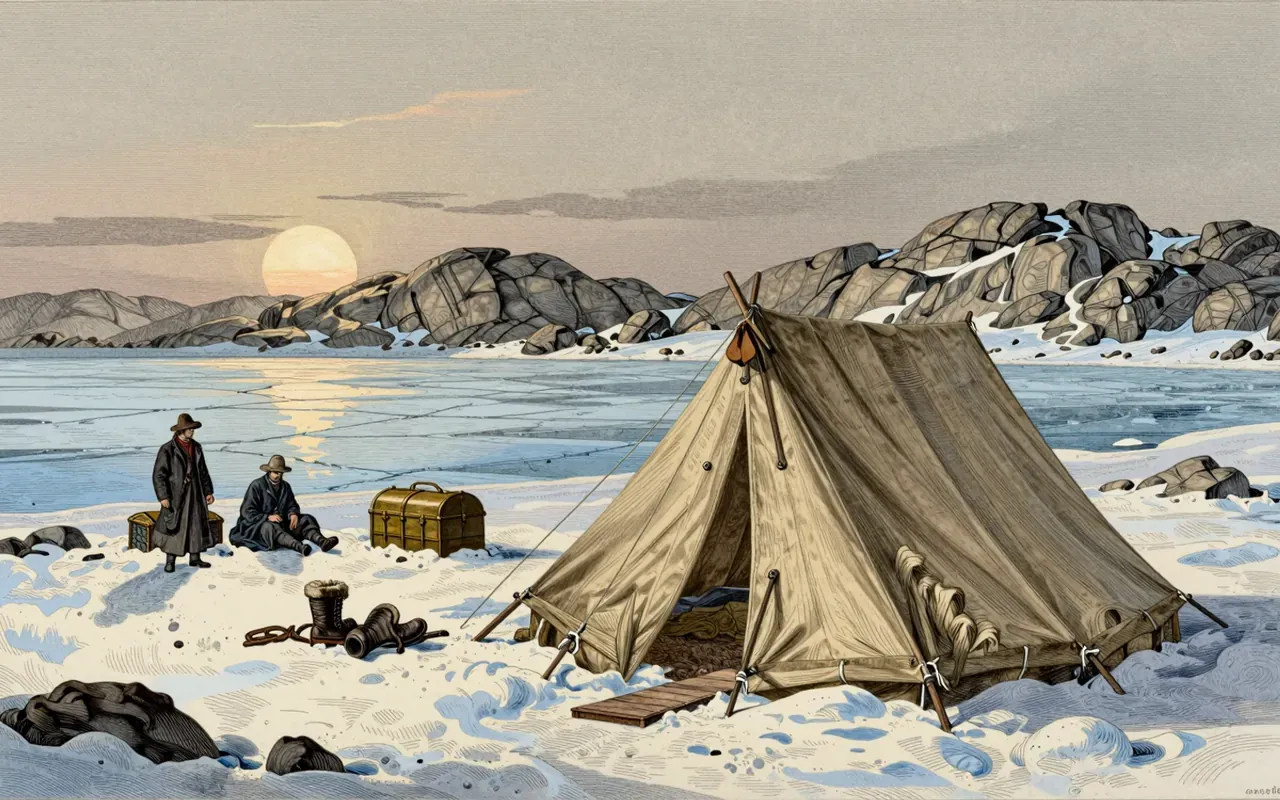
Abercrombie & Fitch1892Abercrombie & Fitch is a fashion house defined by rupture — not evolution. Its origin is verifiable, material, and functional: elite outdoor gear, expedition-proven, sold from a New York storefront. Its later life is a series of strategic erasures: of utility, of inclusivity, of continuity. It trades on nostalgia without replicating its source. Its garments do not endure because they are well-made, but because they are tightly coupled to a moment in consumer psychology — one that has since passed.
10:13
CasablancaCasablanca is a city. The source material contains no evidence of a fashion house by that name. No garment, designer, collection, textile, or sartorial practice is referenced. All claims pertain to geography, finance, industry, and infrastructure.
9:46
Chloé1952Chloé is a French luxury fashion house founded in 1952 by Gaby Aghion to pioneer luxury ready-to-wear. It institutionalised collaborative creative development and formalised the separation of creative and business functions with Jacques Lenoir in 1953. Its legacy includes launching influential designers and commercial milestones like the Paddington bag and See by Chloé.
Up next in Fashion

Haute couture

· 8:22

Haute couture is French industrial policy dressed as glamour.

8:22