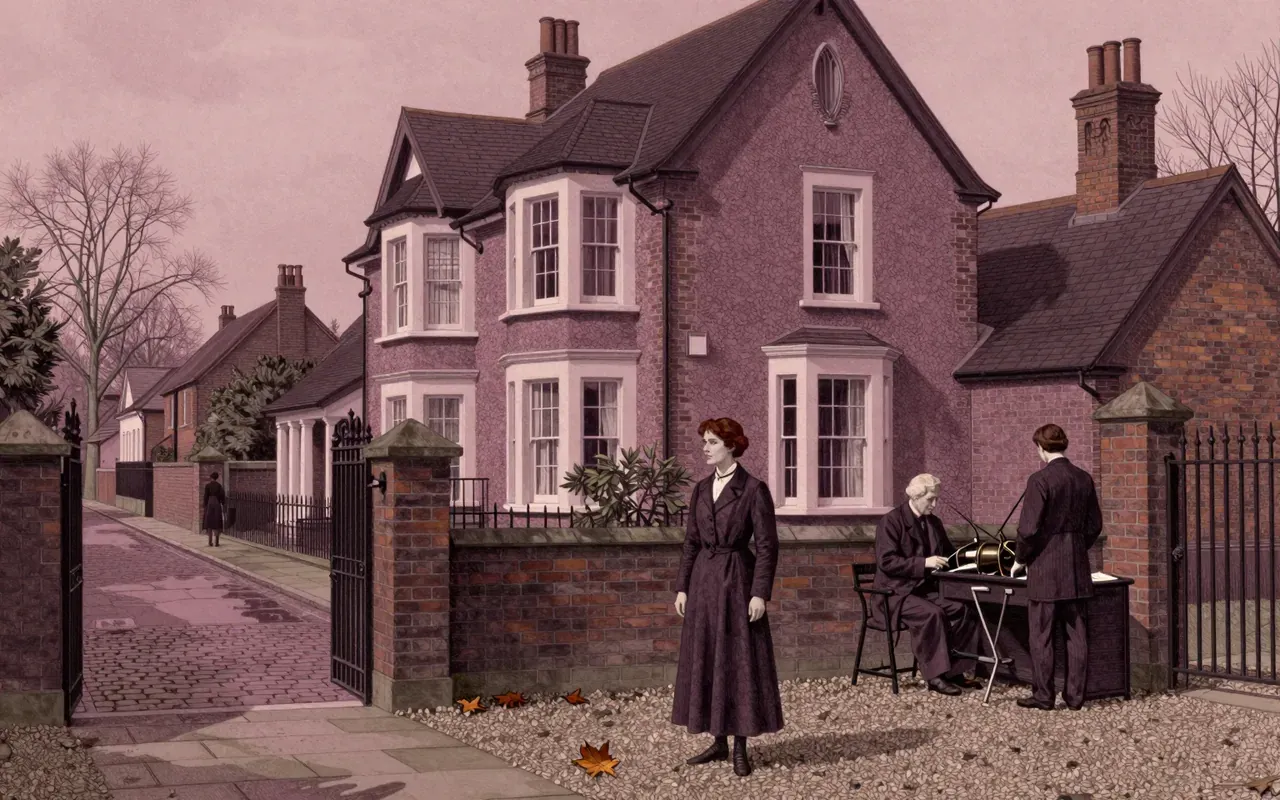
The bustle
The bustle is a padded undergarment or wire frame worn under the skirt at the back of a woman's dress in the mid-to-late 19th century.
Cloth, and the labour behind every metre.
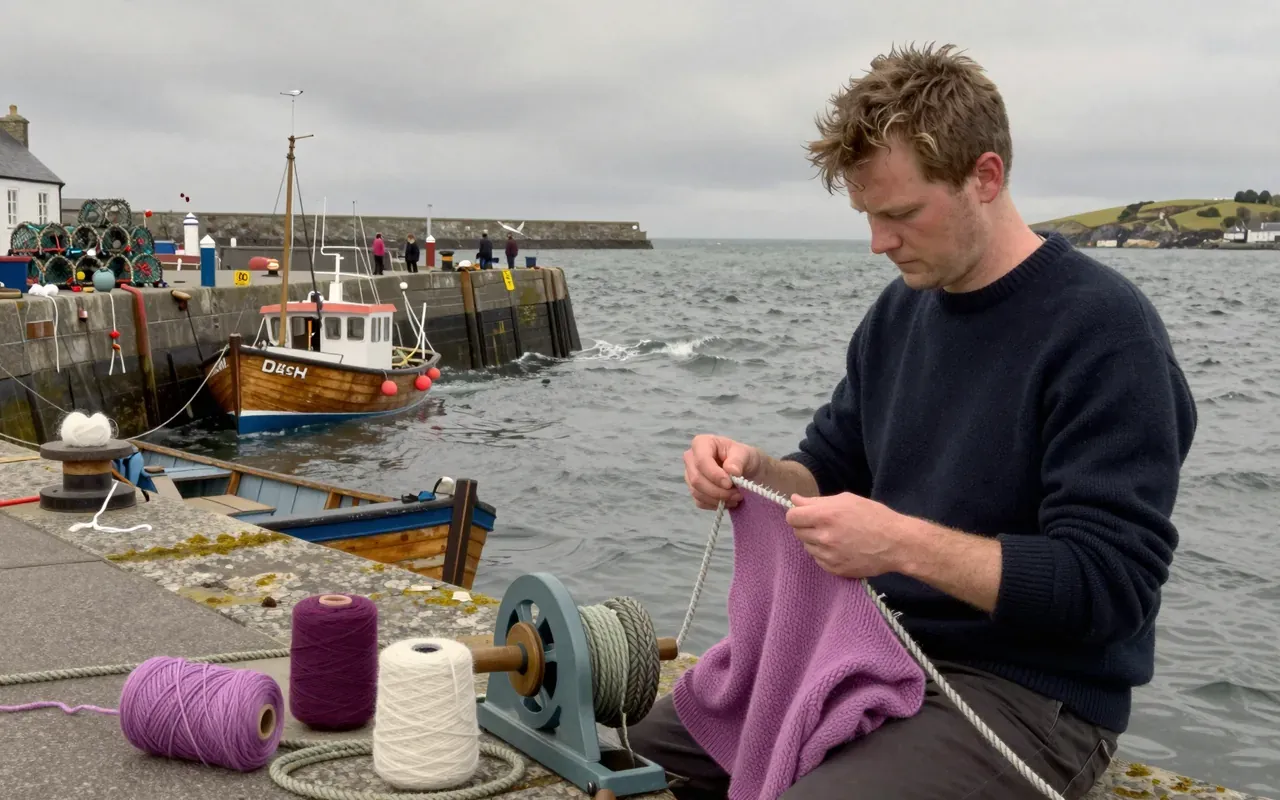
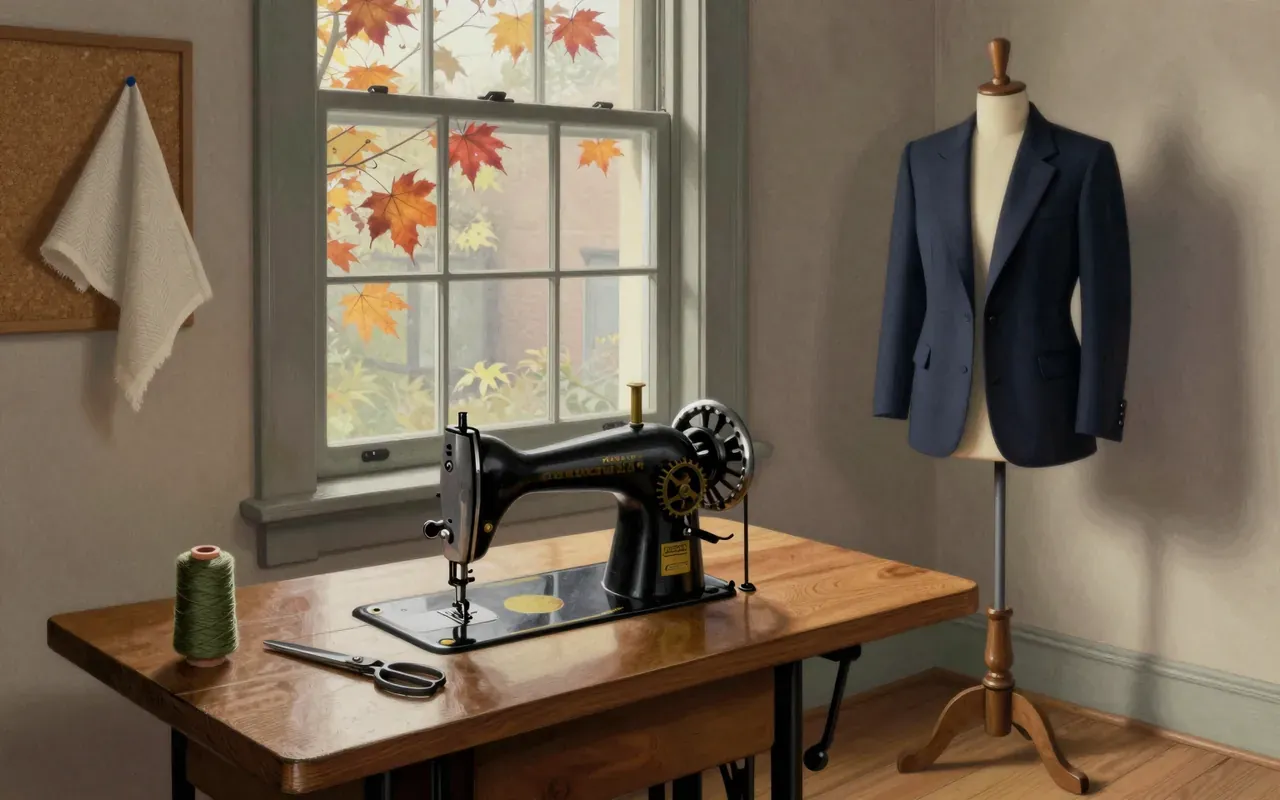
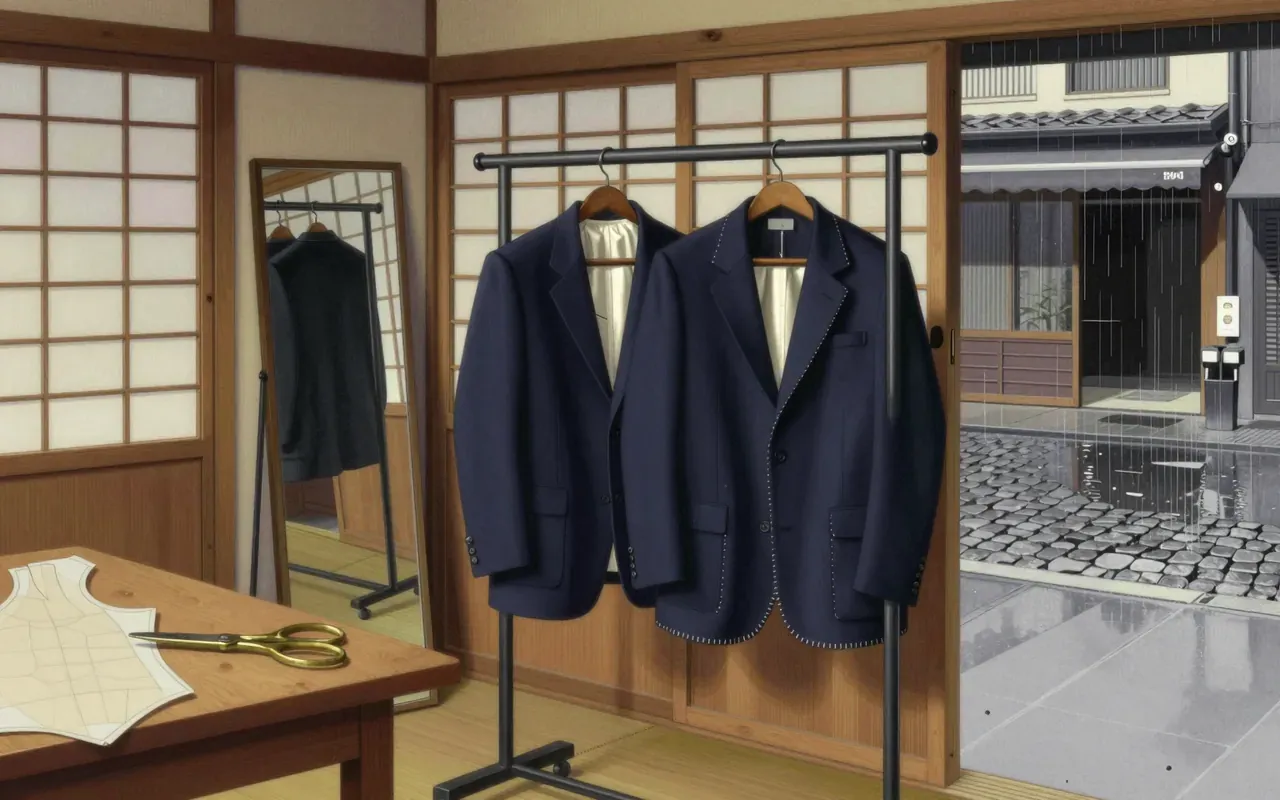
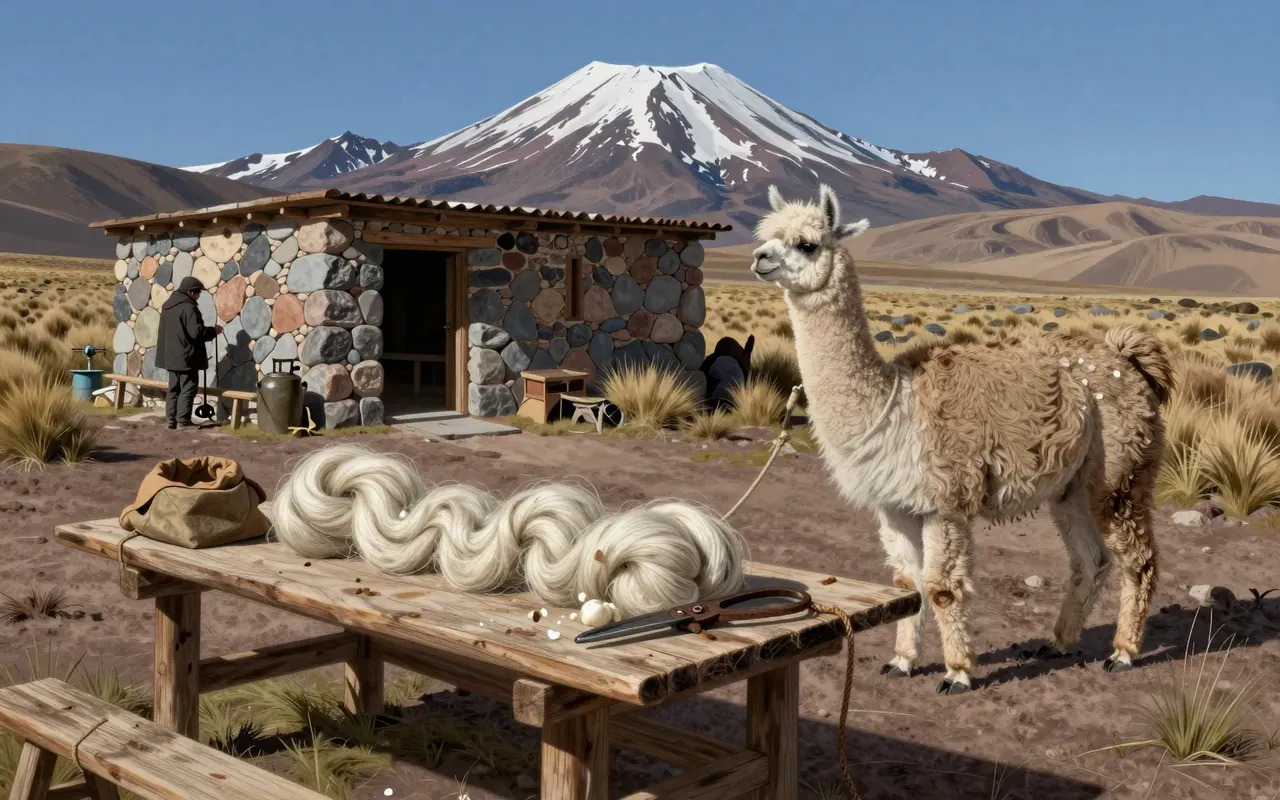
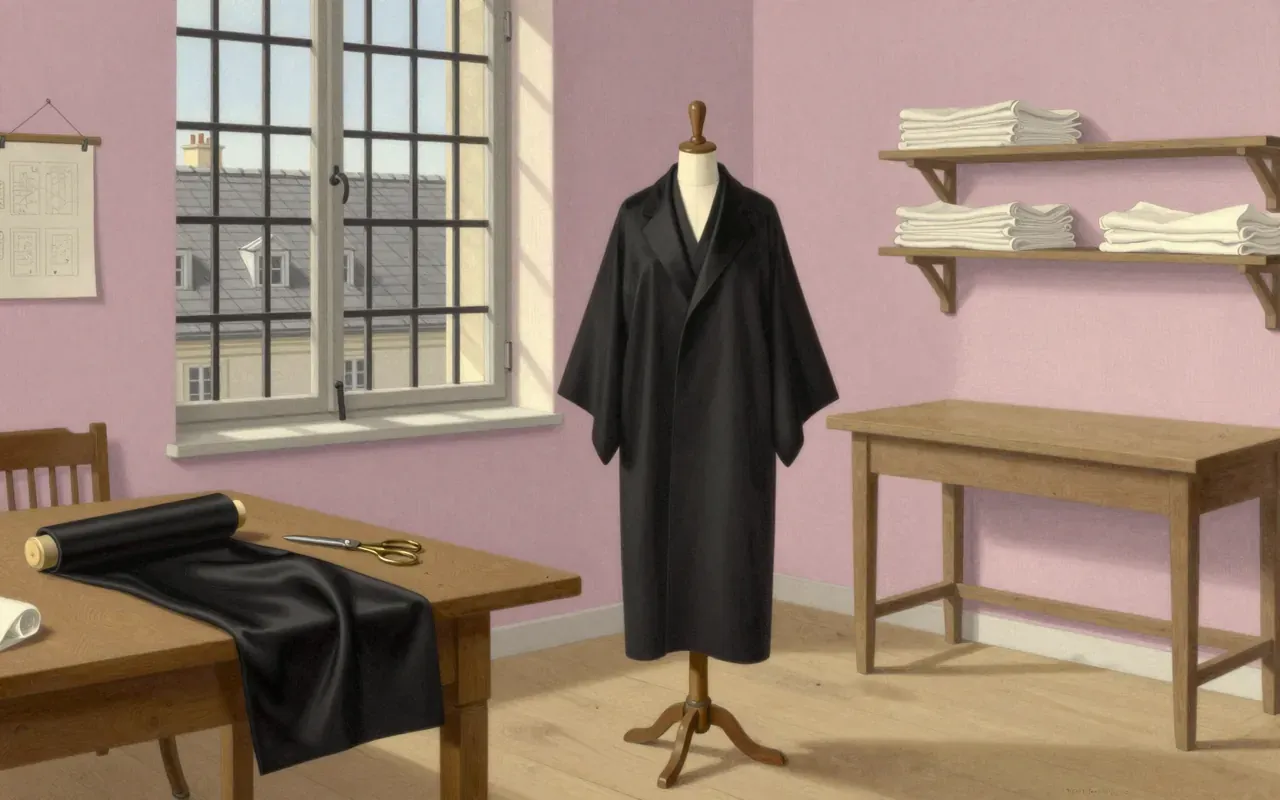
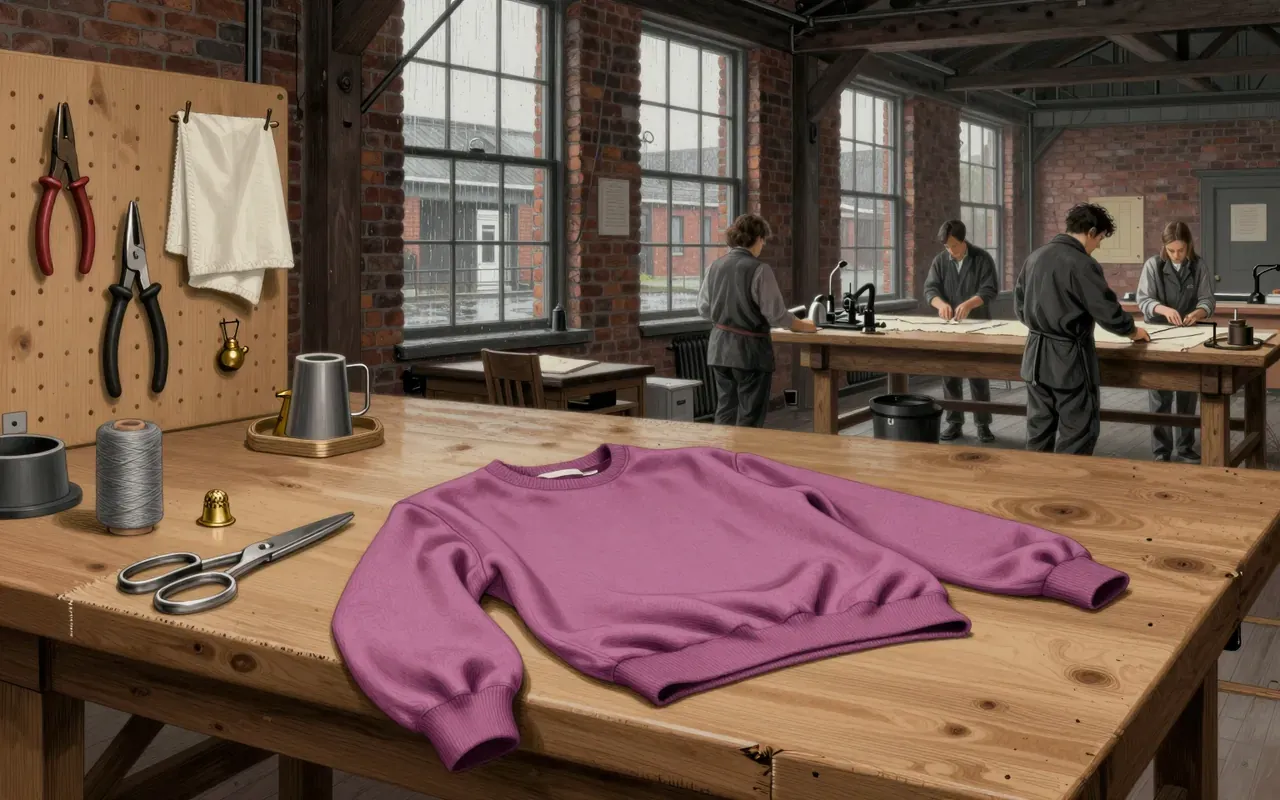
Balenciaga is a Spanish luxury fashion house founded in San Sebastián in 1919 and established in Paris in 1937. Its foundational innovation lay in radical silhouette transformation—broadening shoulders, removing waists, introducing tunic and chemise dresses, and culminating in the kimono-cut Empire line. This constituted its most important contribution: a new silhouette for women. To protect design integrity, Balenciaga shifted press showings to the day before retail delivery in 1957, defying industry norms and resisting both press expectations and the Chambre Syndicale de la Haute Couture Parisienne, of which he was never a member.
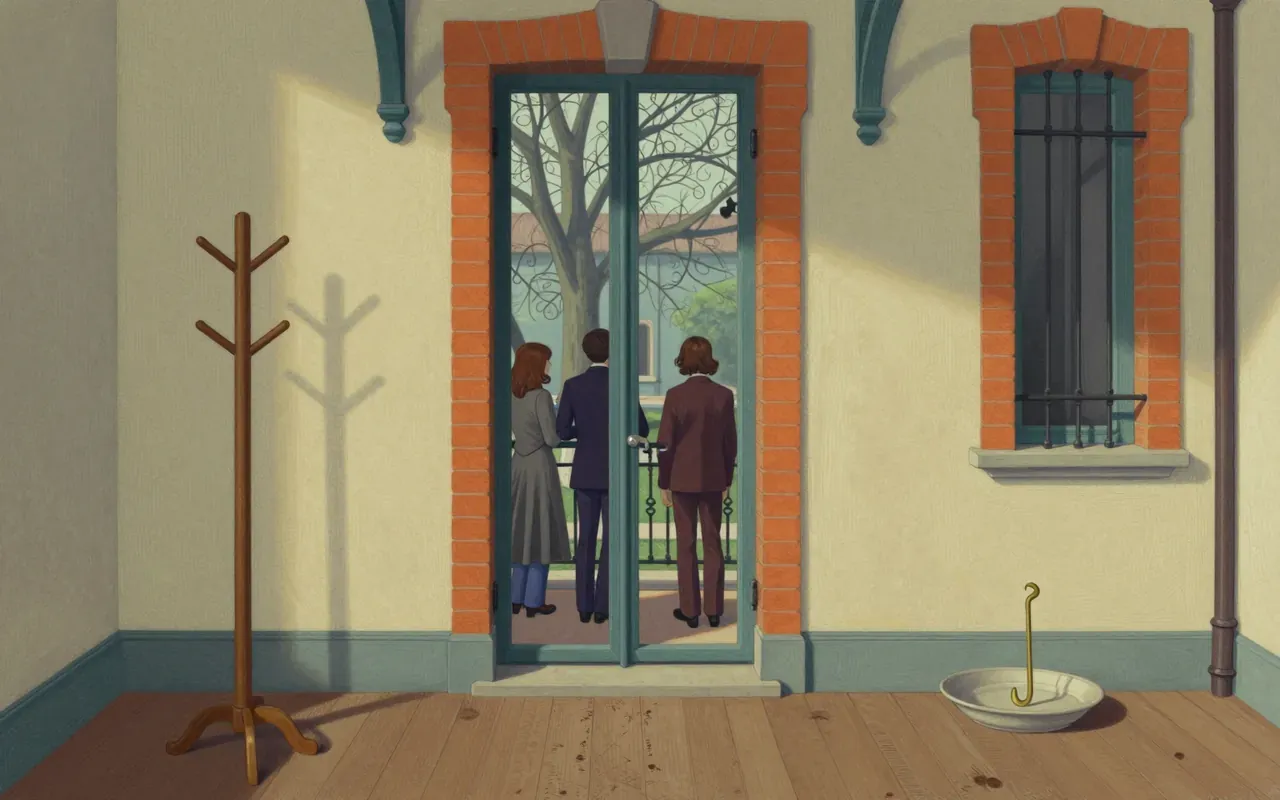
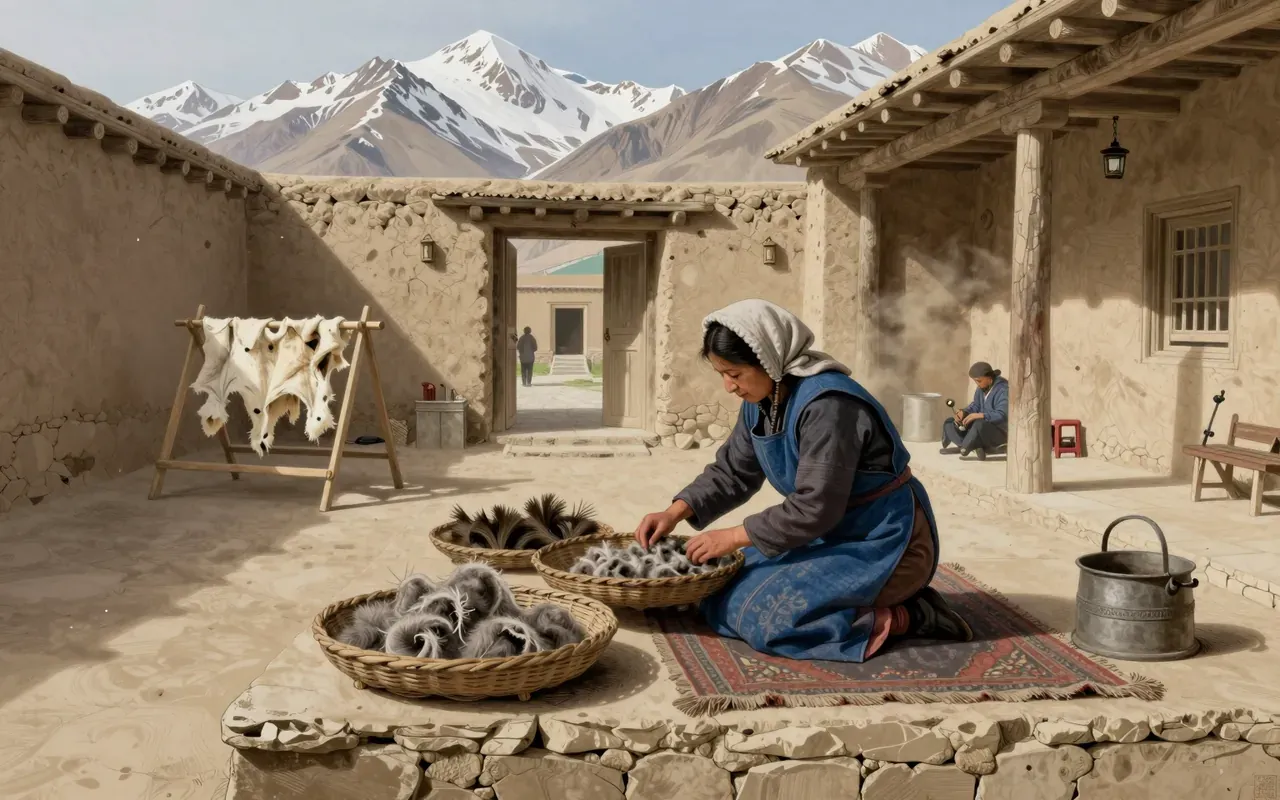
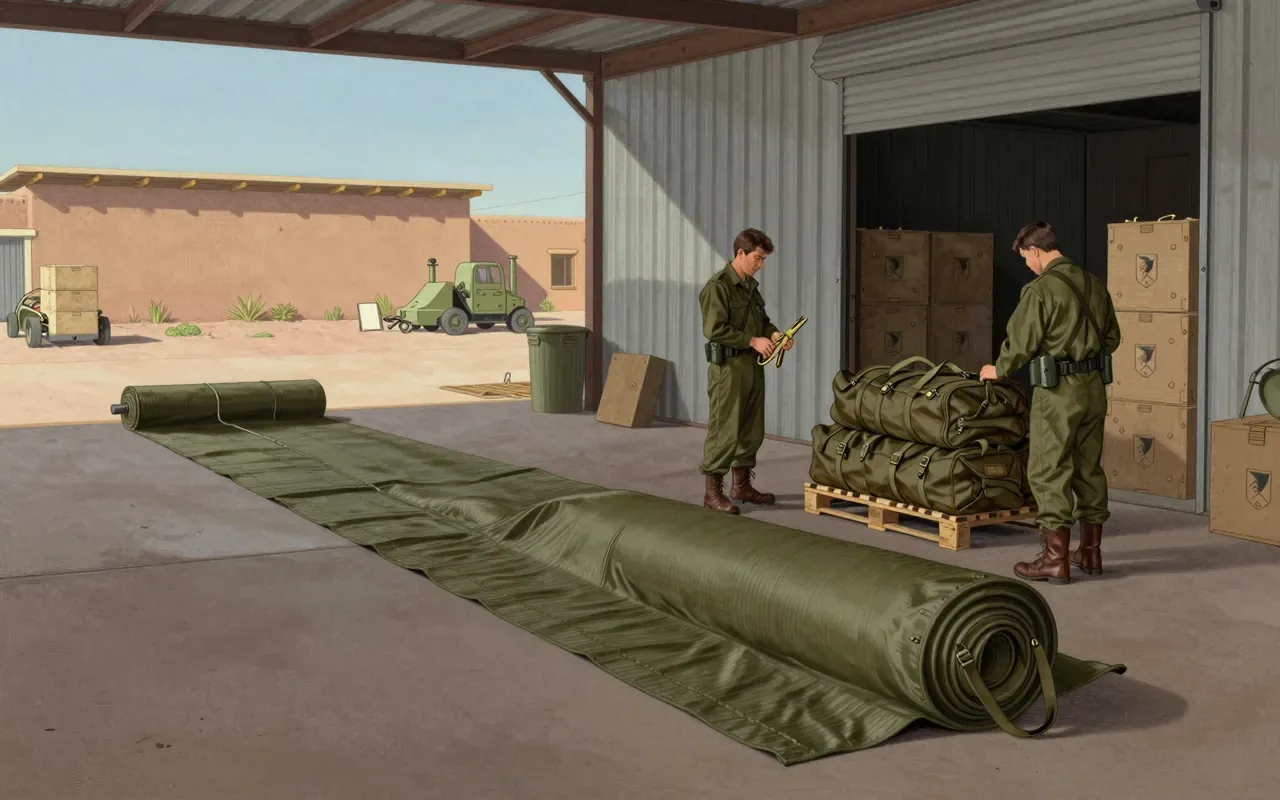
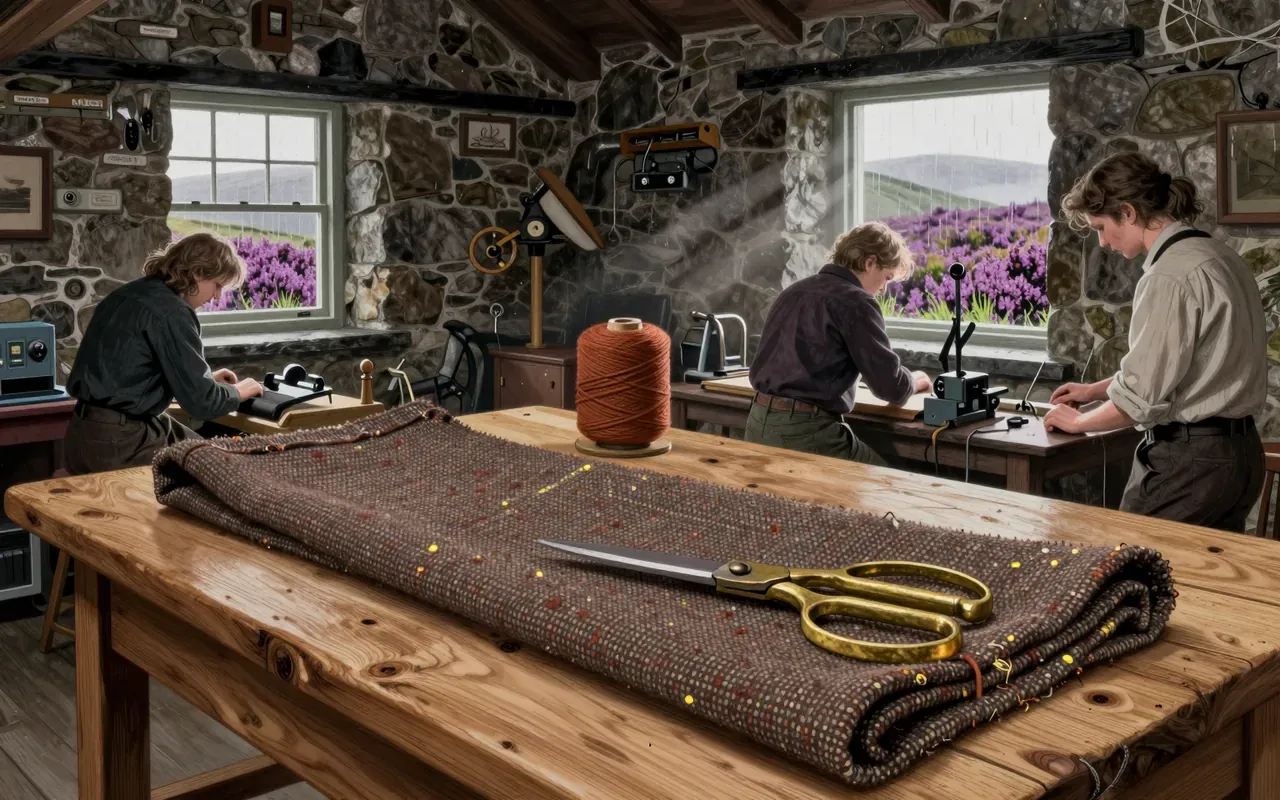
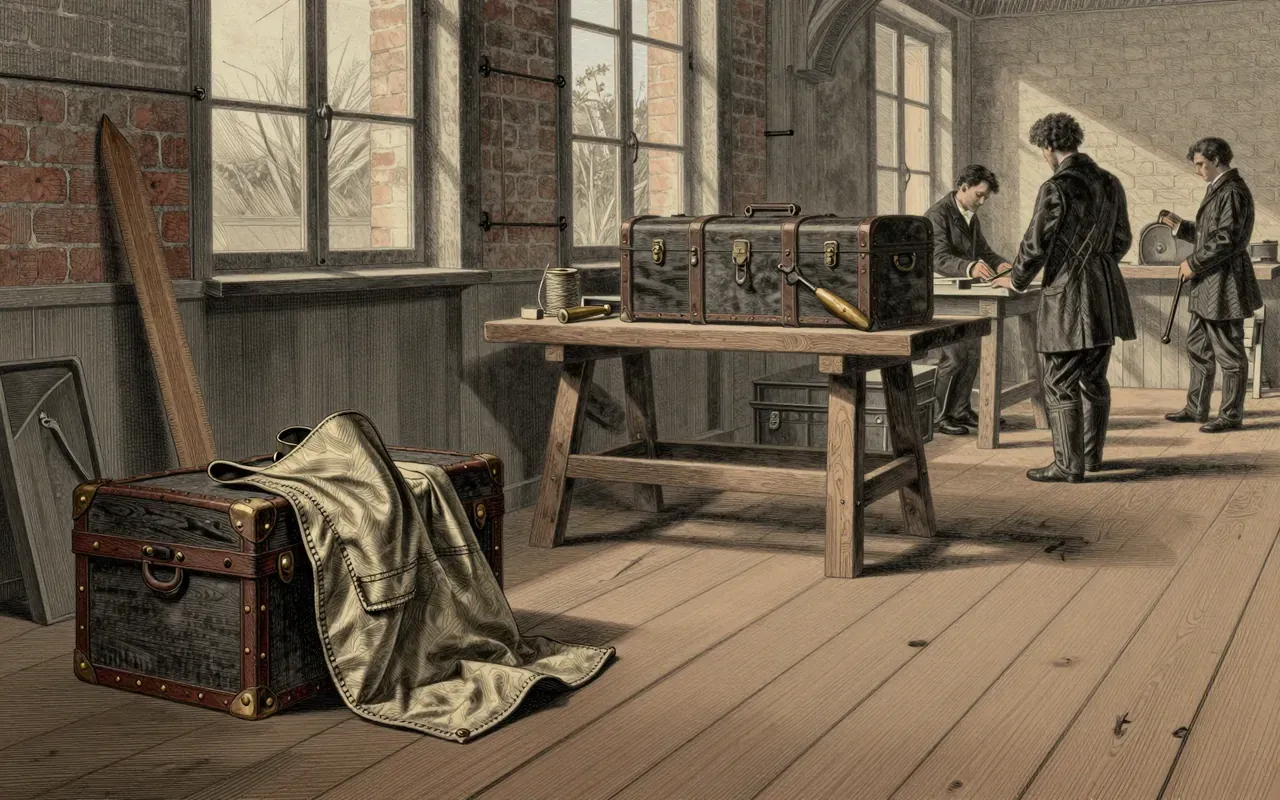
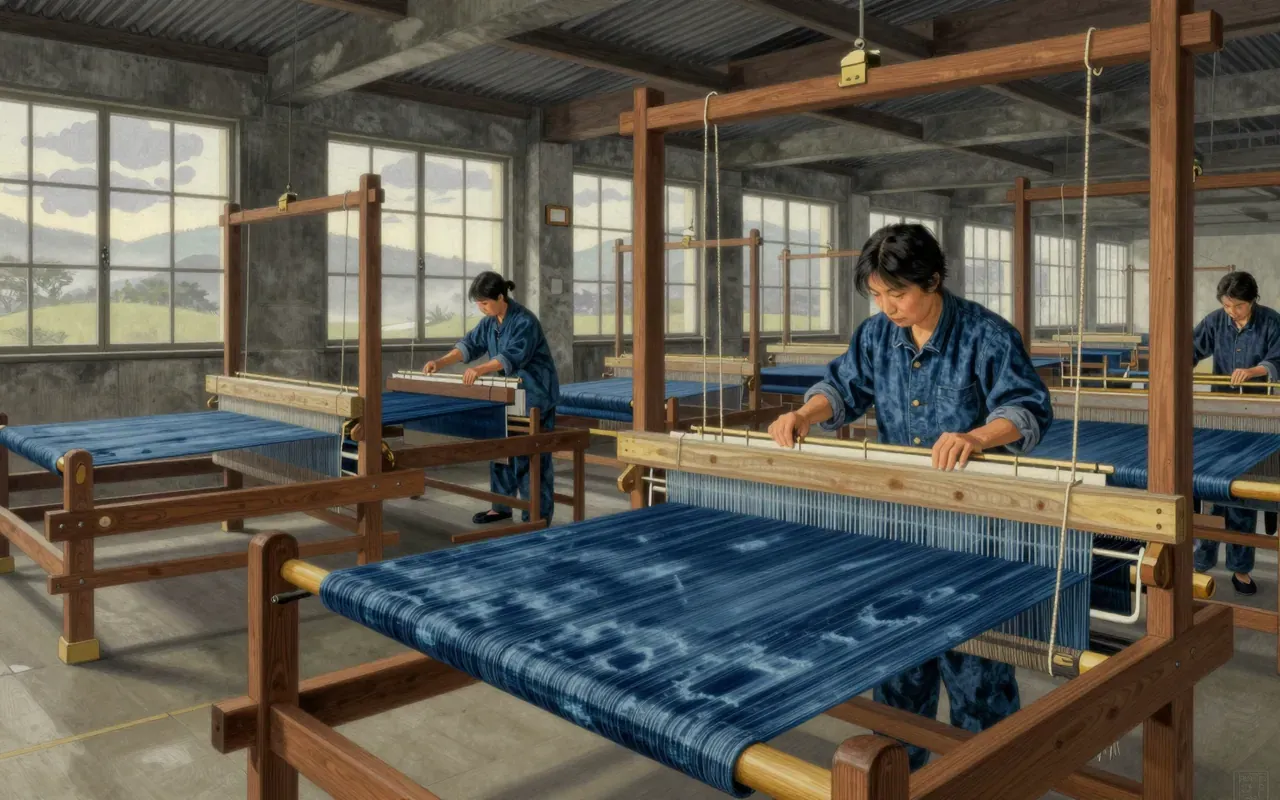
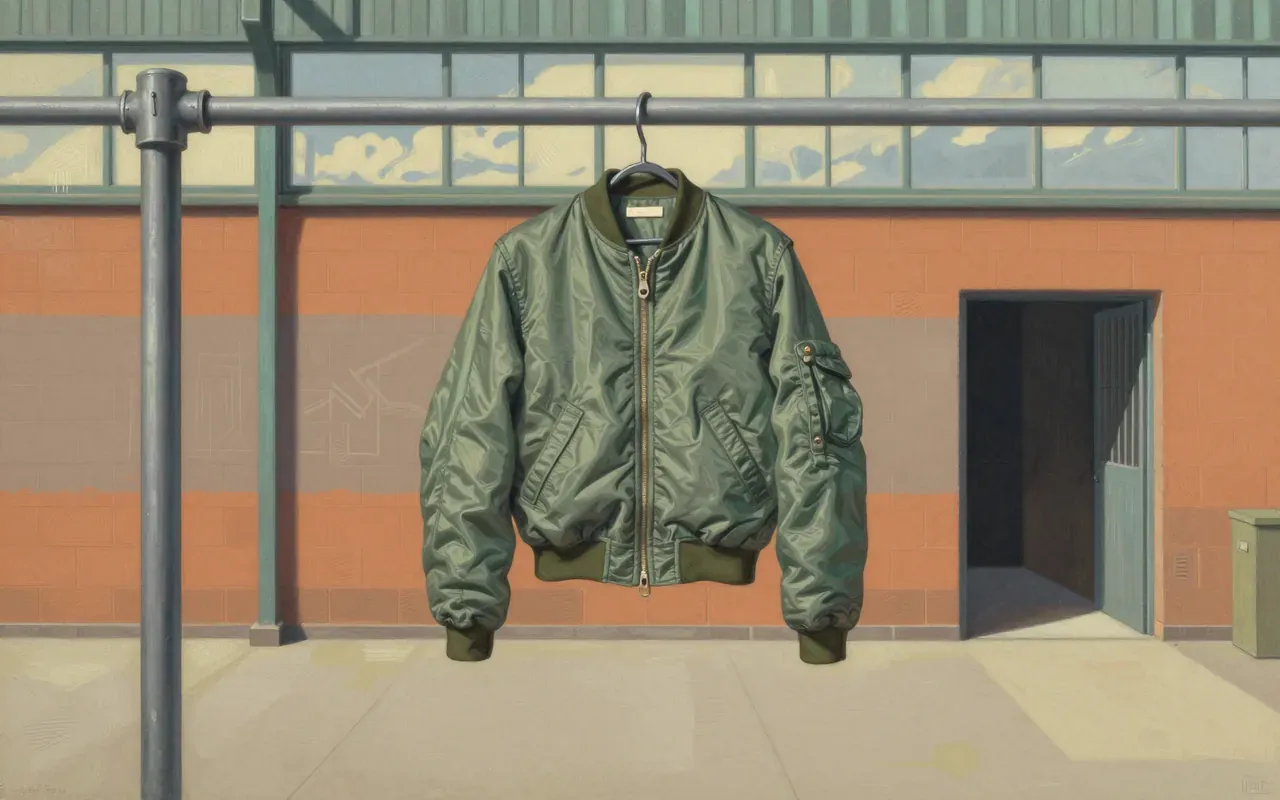

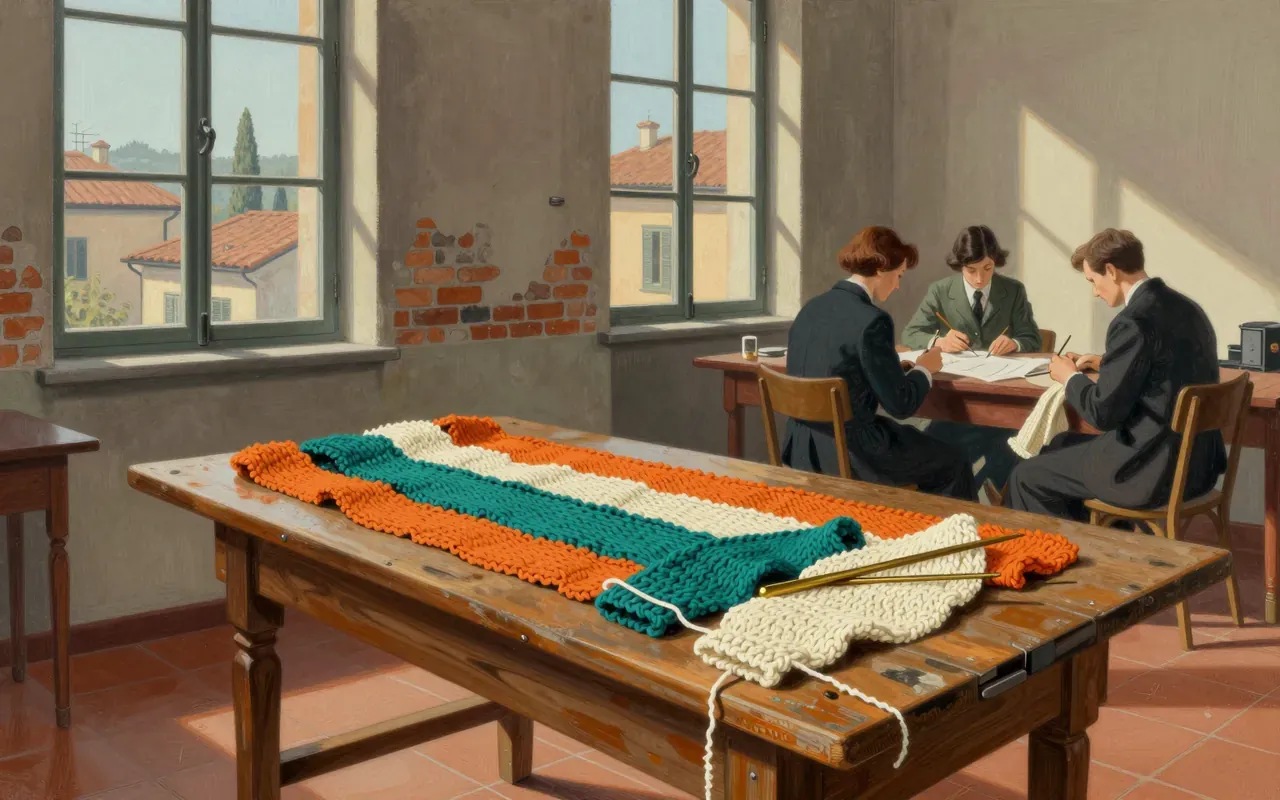
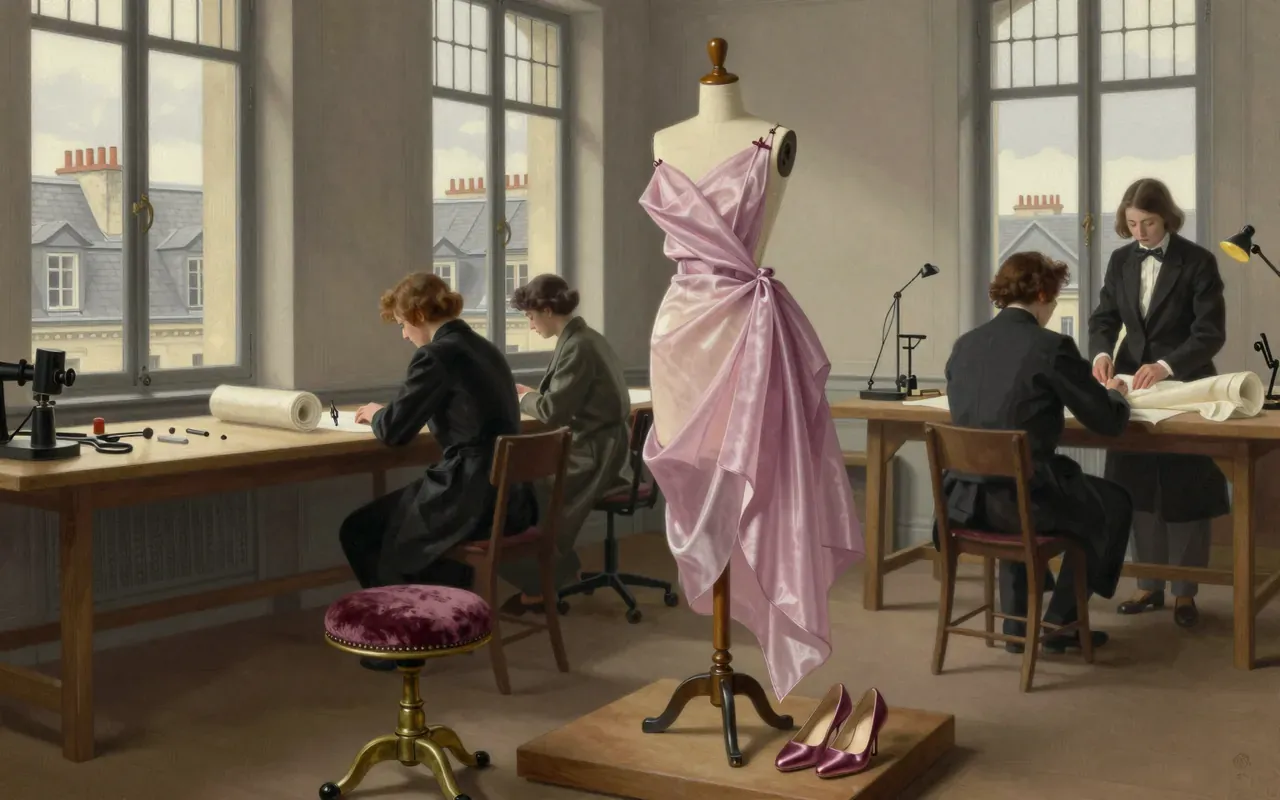
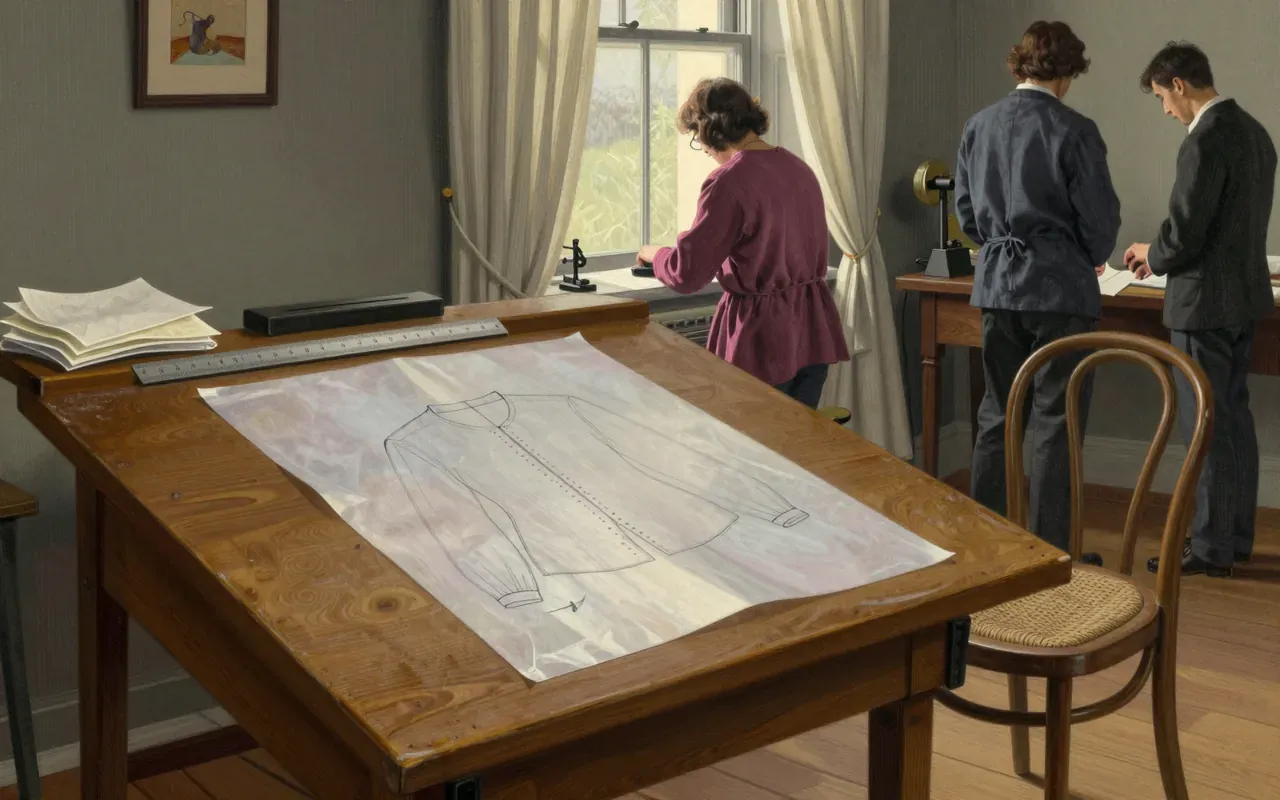

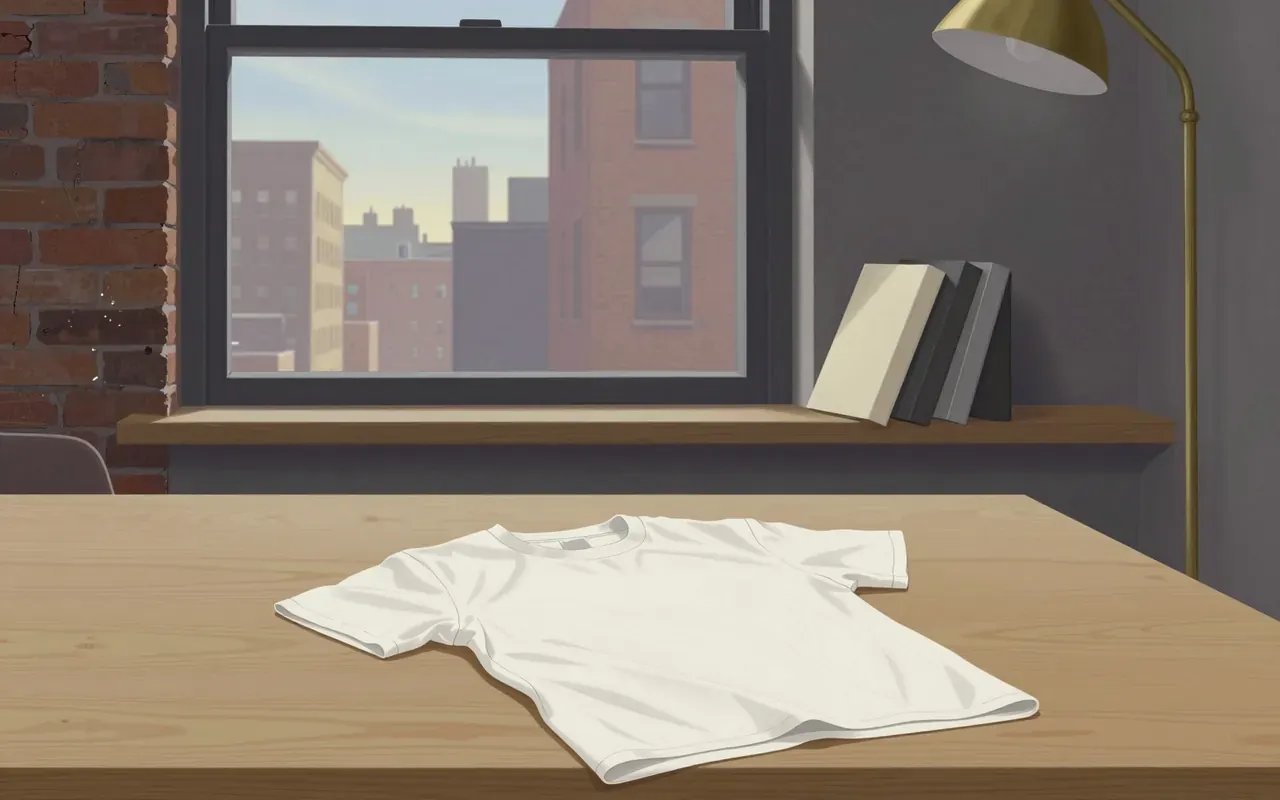
The Row is a fashion house built on subtraction: no names, no interviews, no deviation from material specificity. Its first collection—seven pieces, all purchased by Barneys New York—proved that luxury could be silent, rigorous and commercially viable without spectacle.

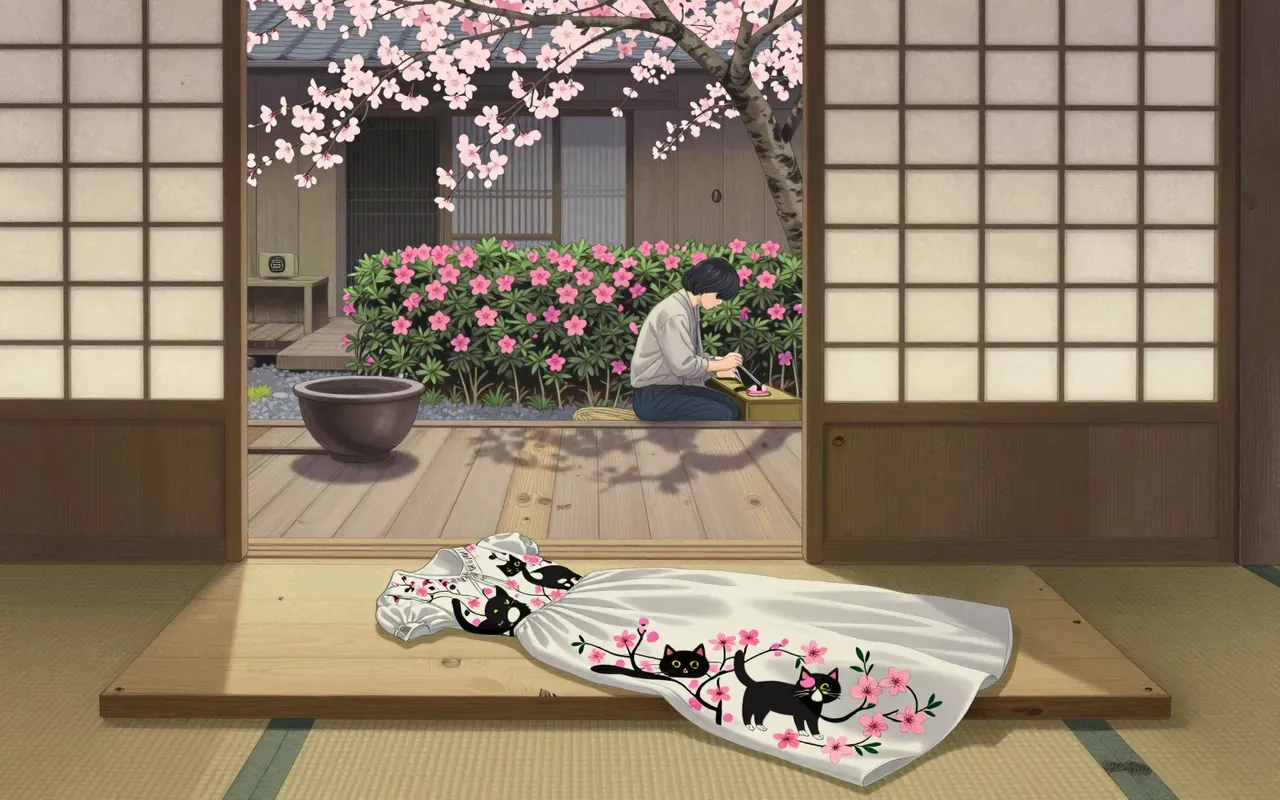
Tsumori Chisato is a ready-to-wear fashion house defined by hand-painted print as primary structure, launched in 1990 after formative work in Issey Miyake’s sports line, relocated to Paris in 2003 with menswear introduced concurrently, and sustained by a transnational dialogue between Tokyo-rooted references and Paris presentation.
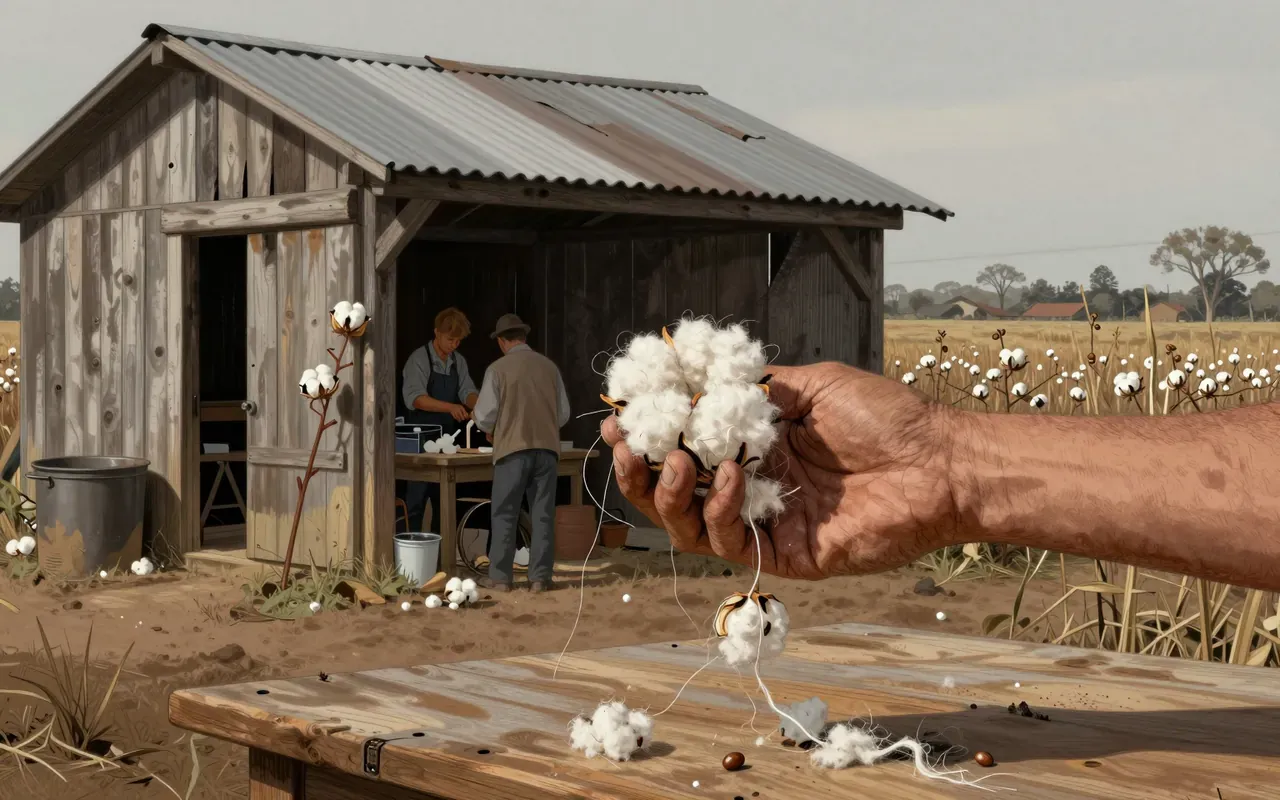


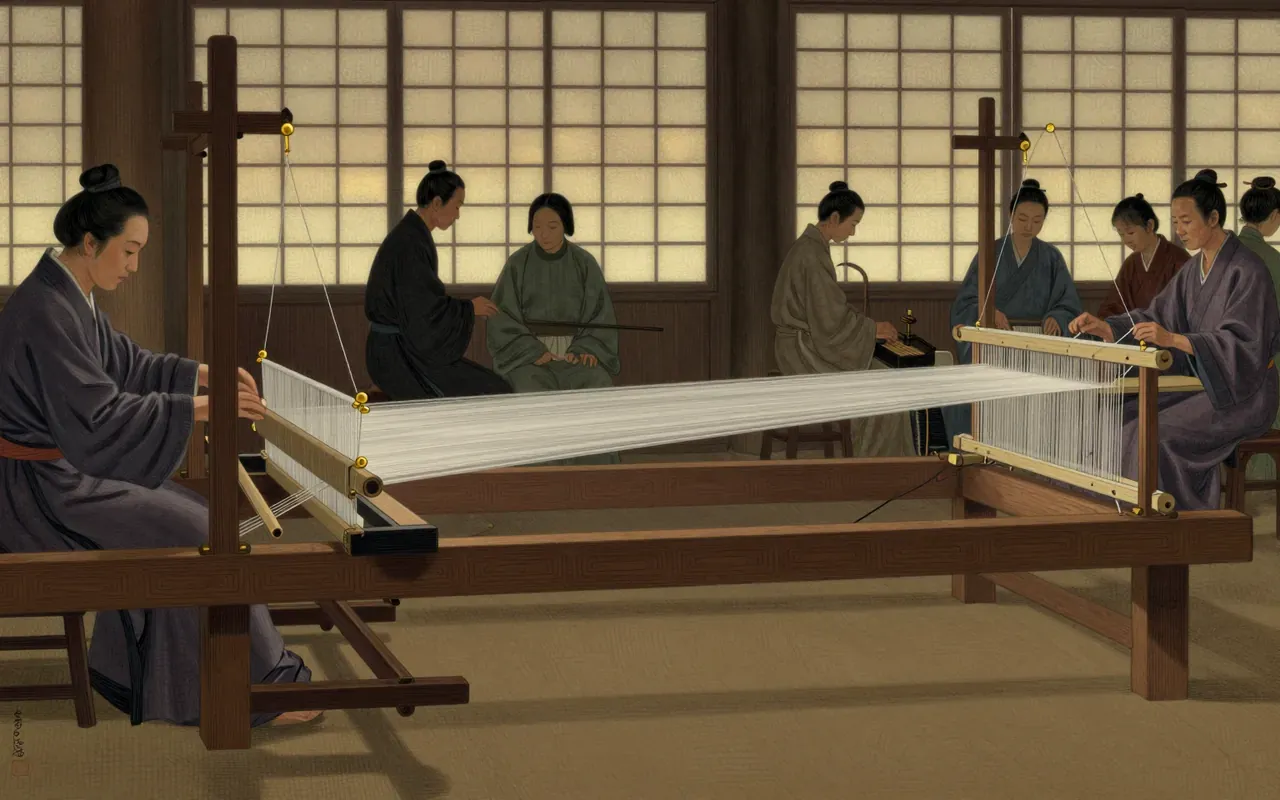

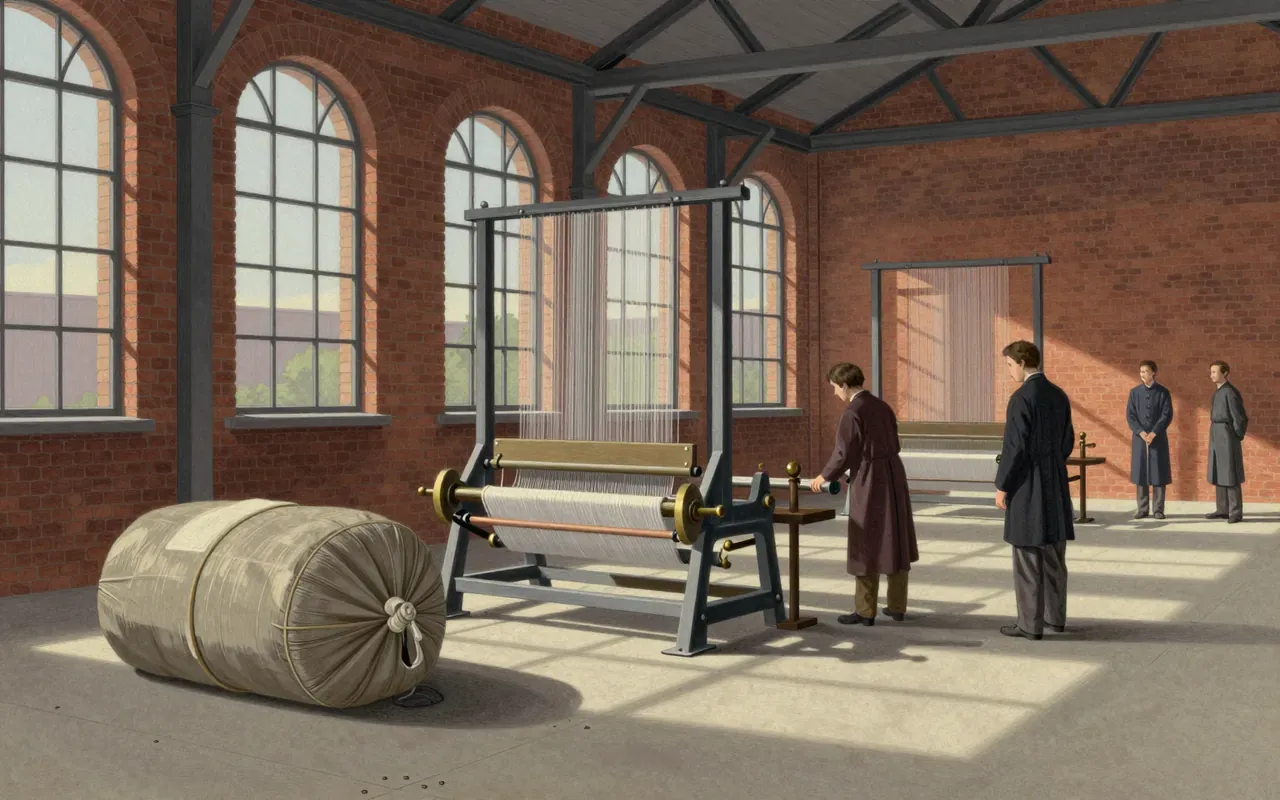

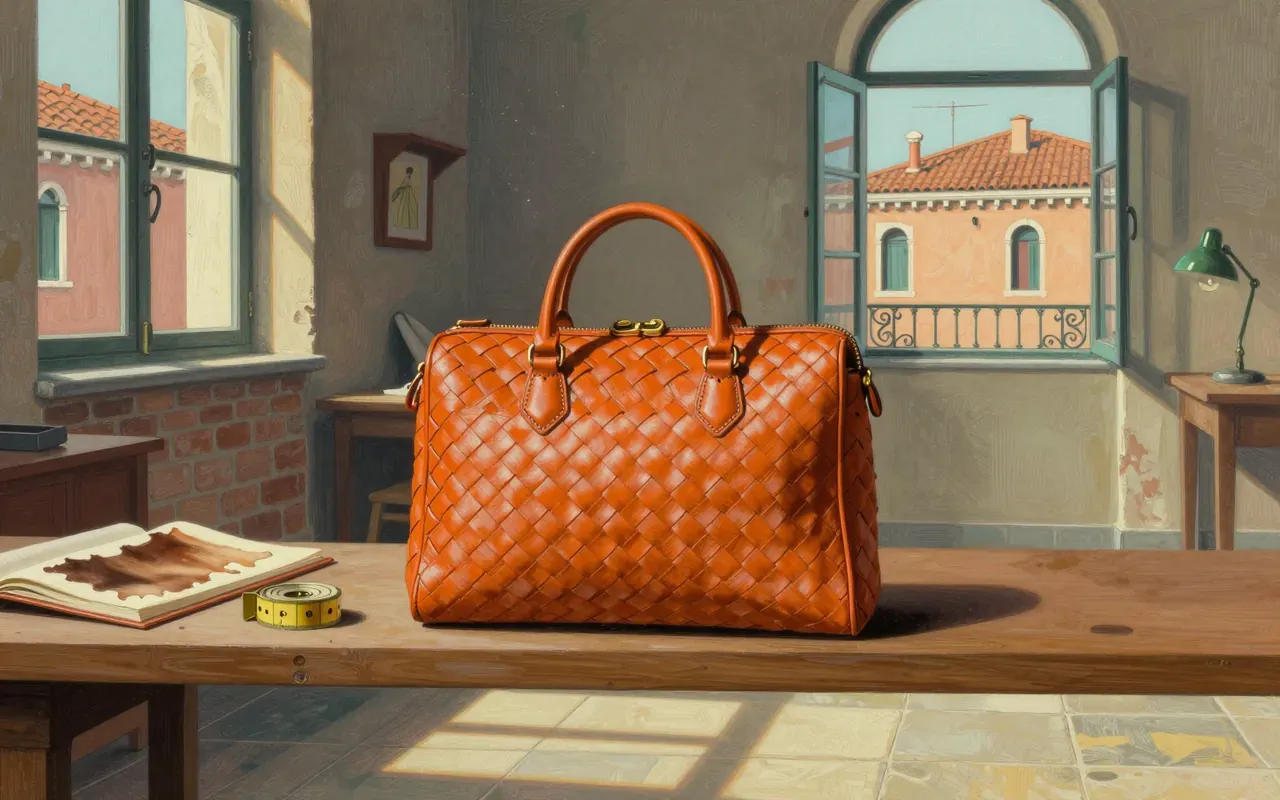
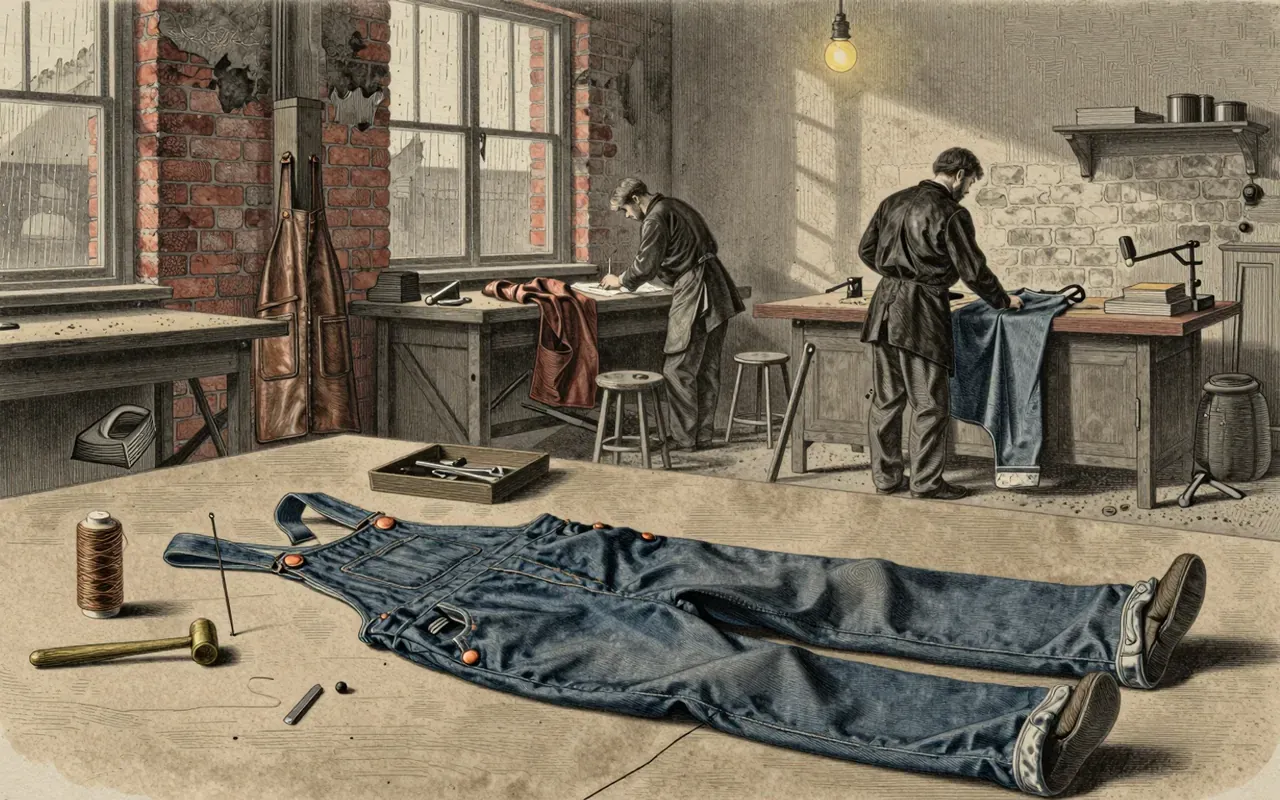


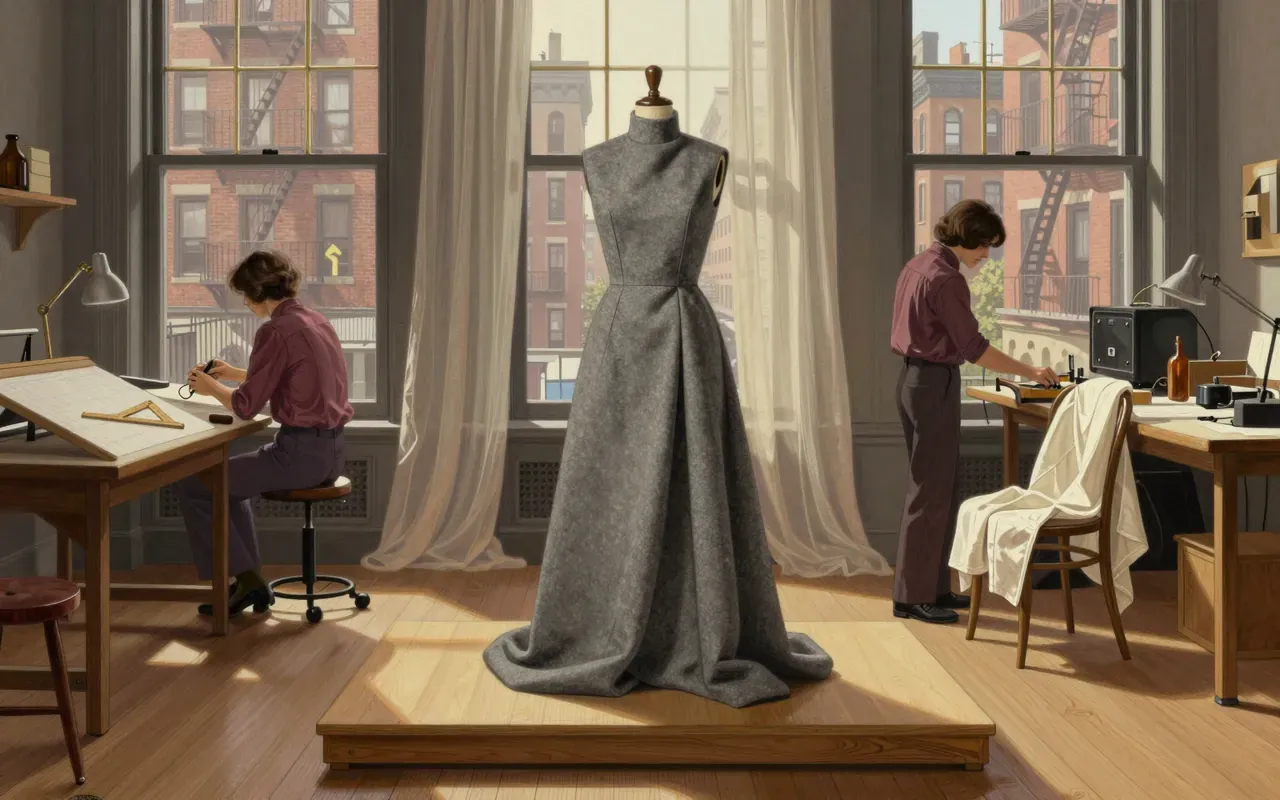
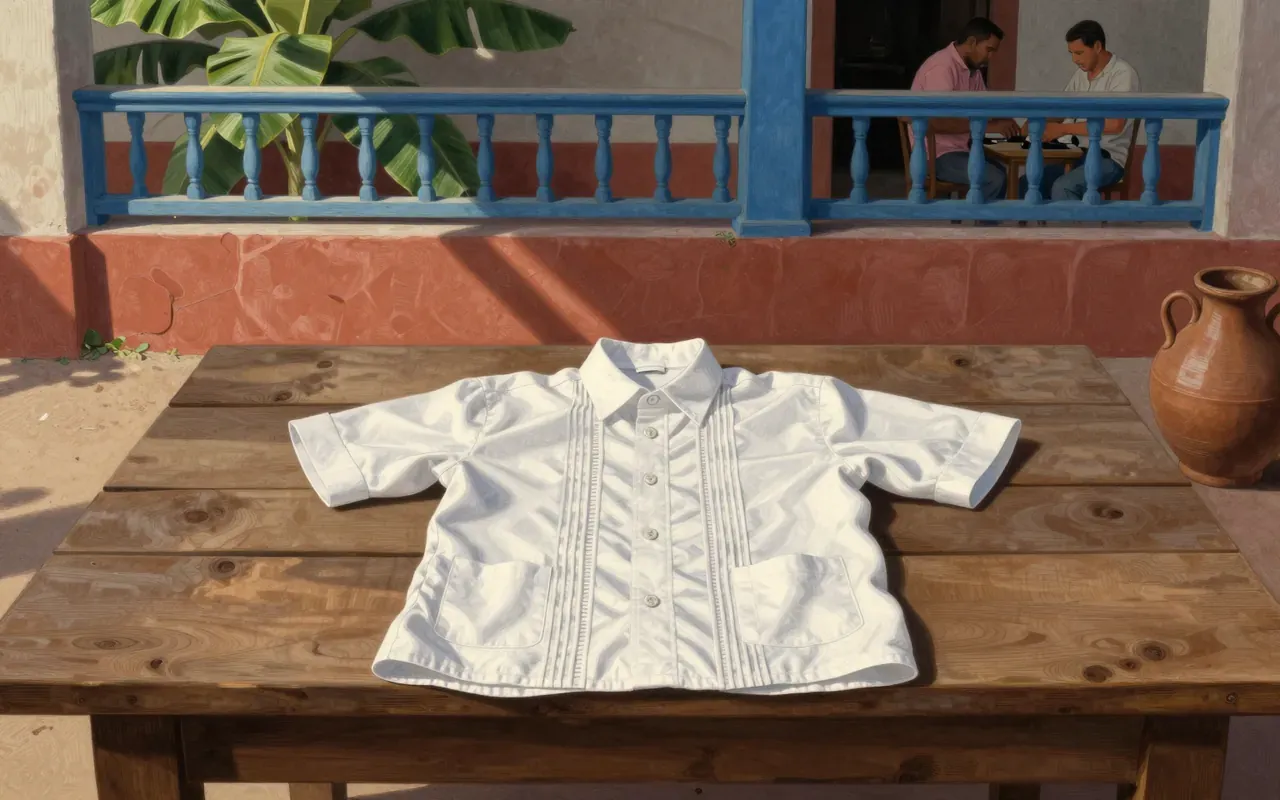
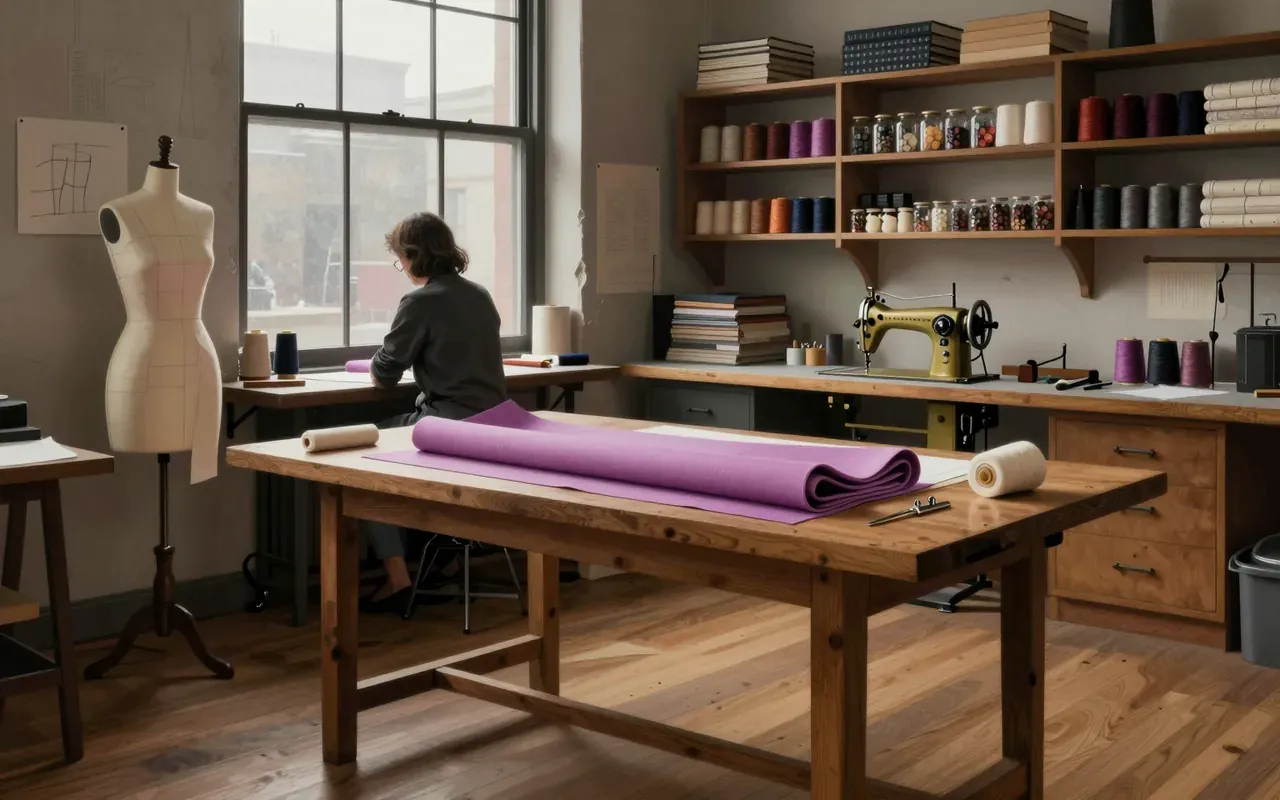
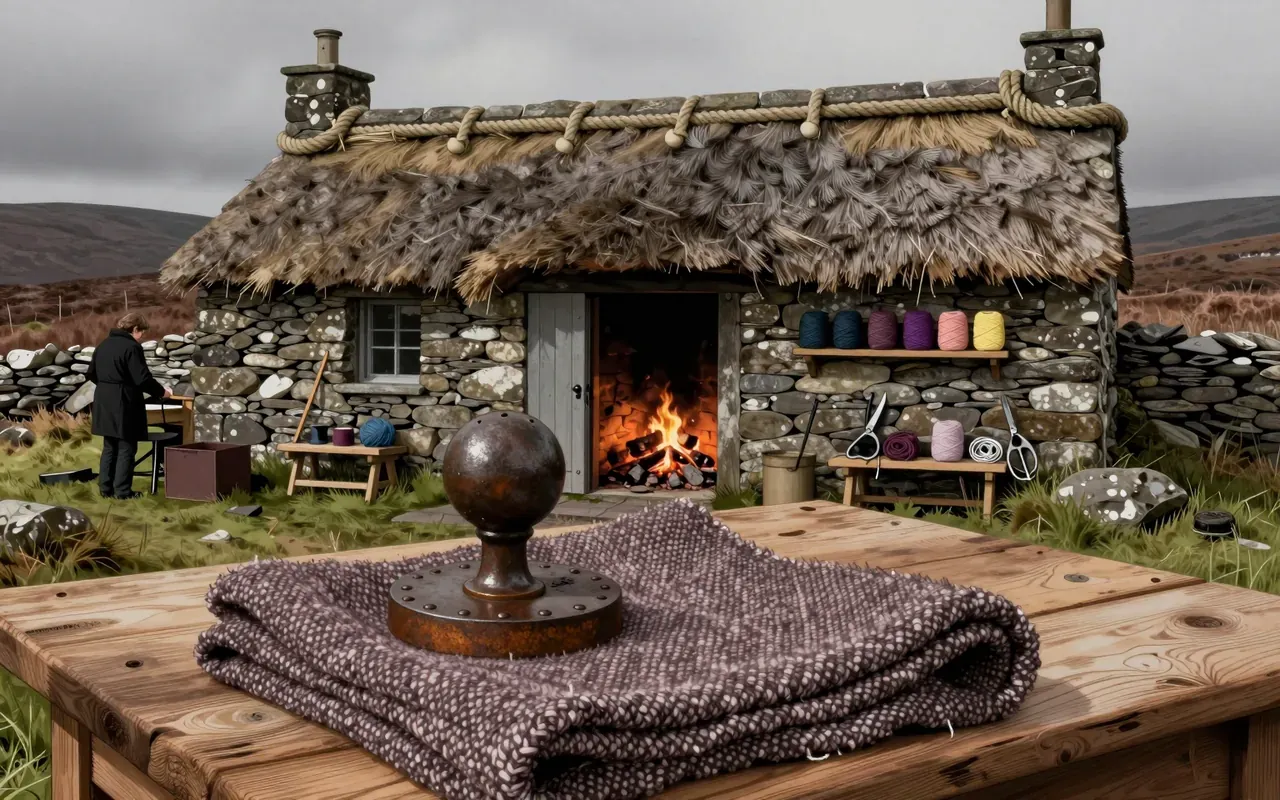



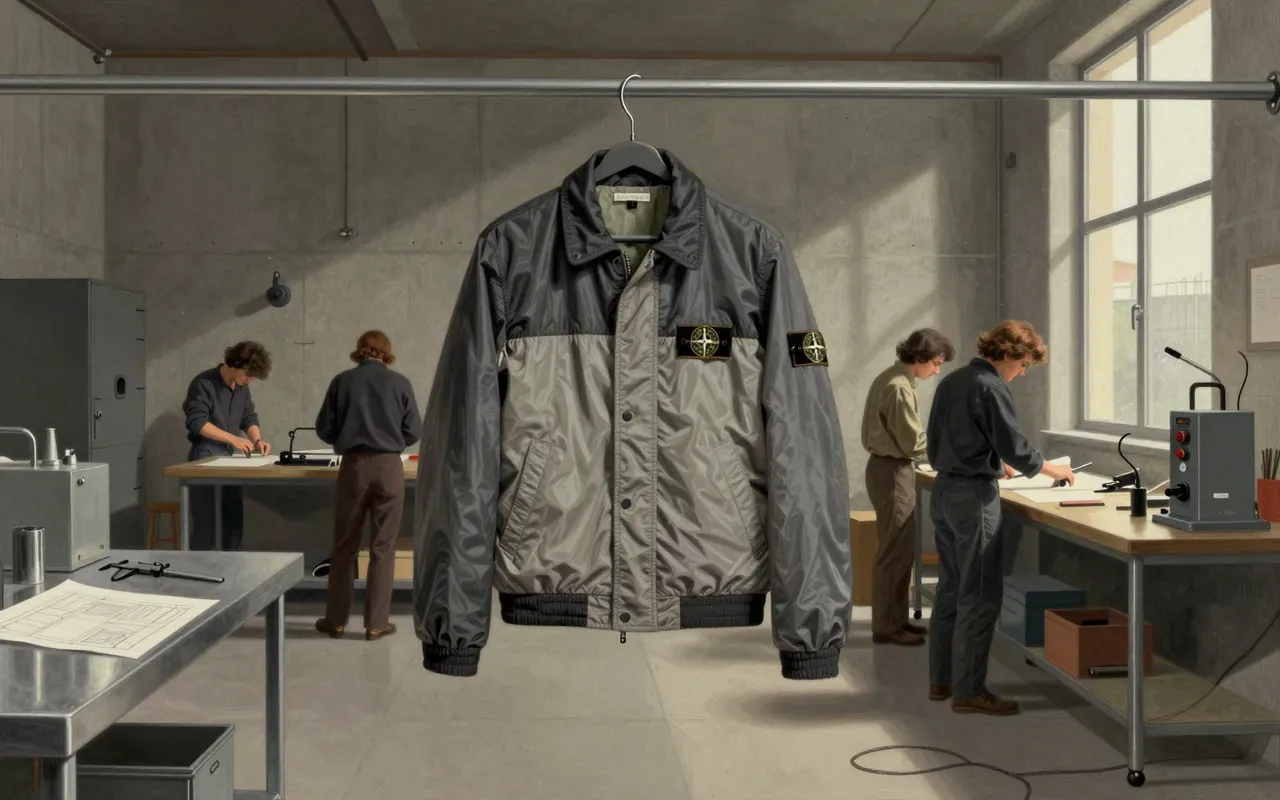
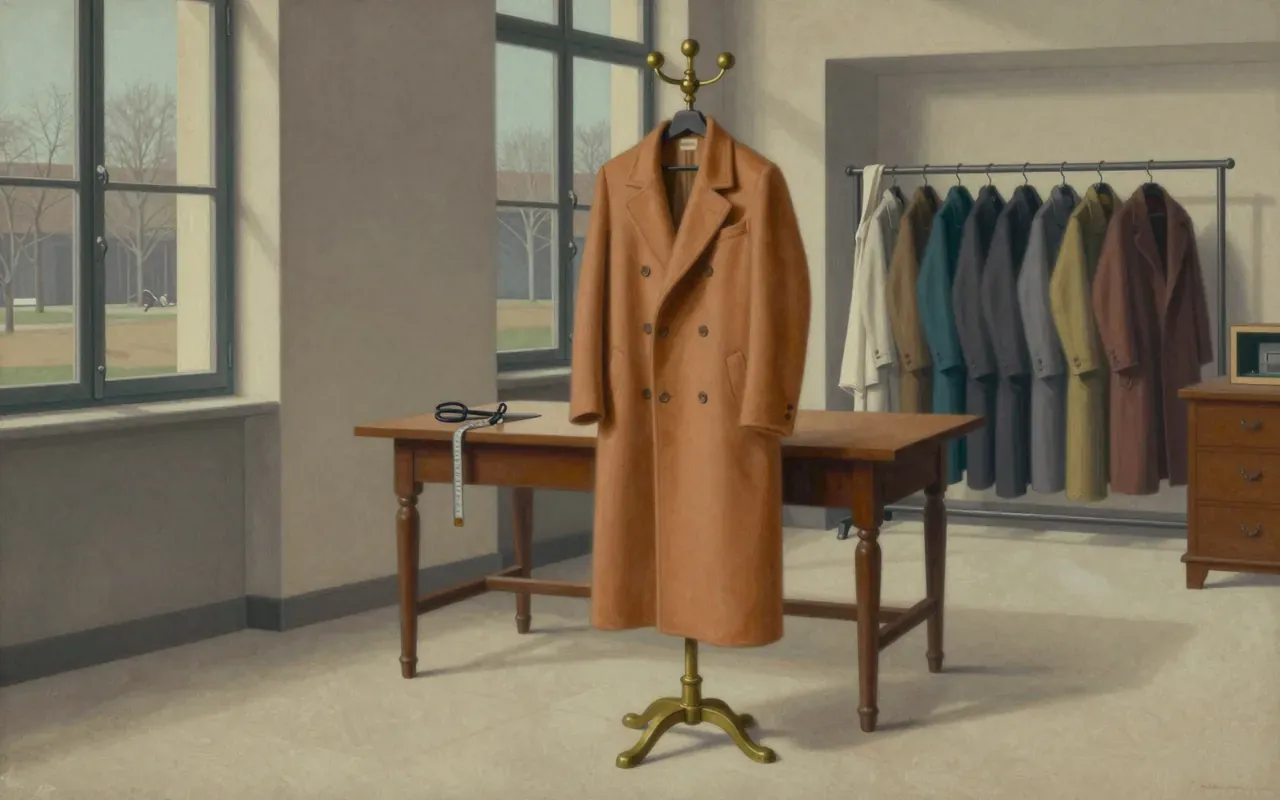


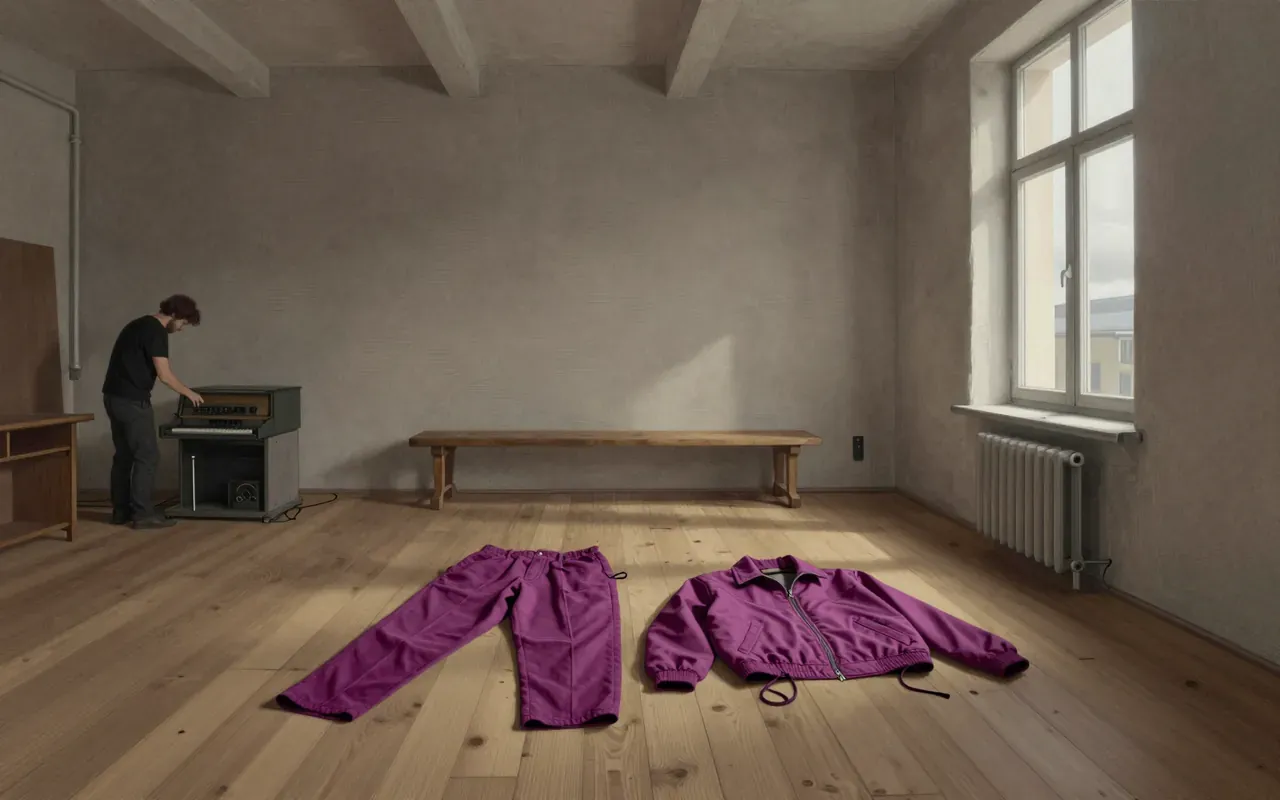
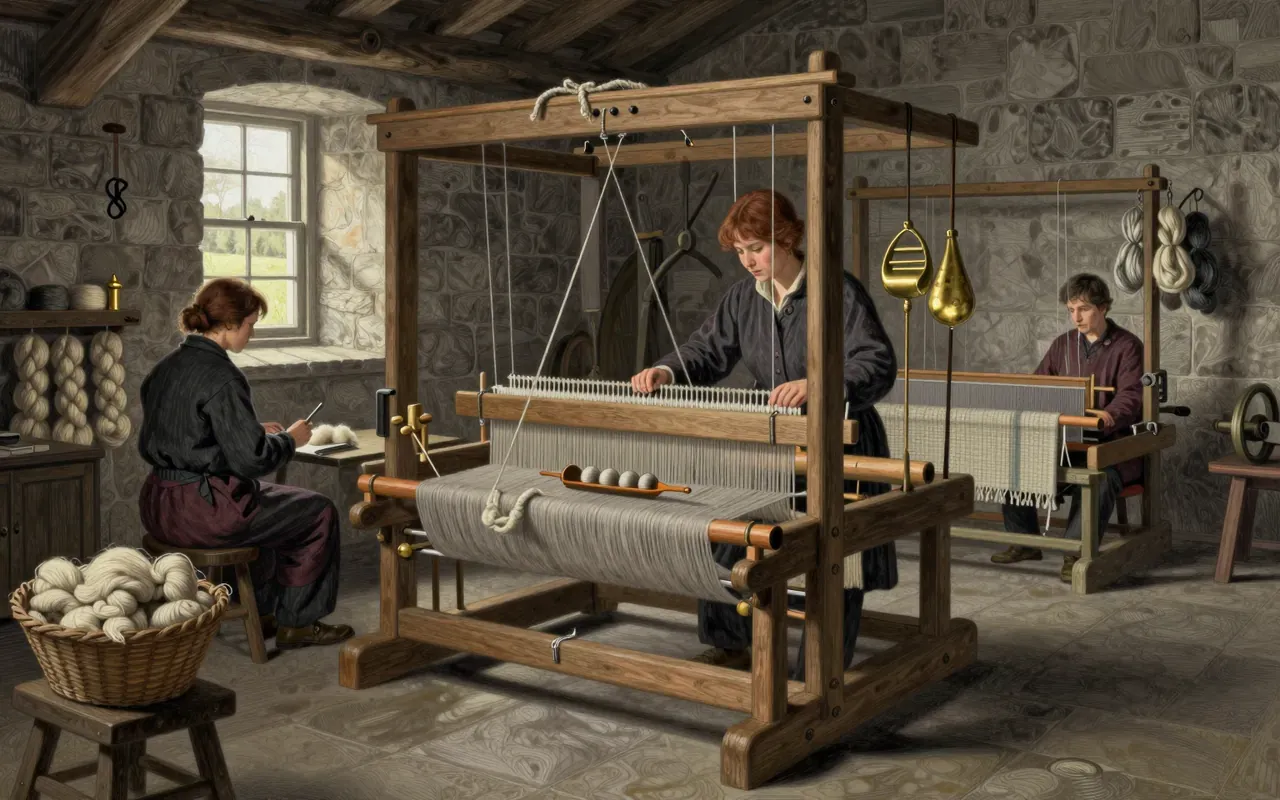
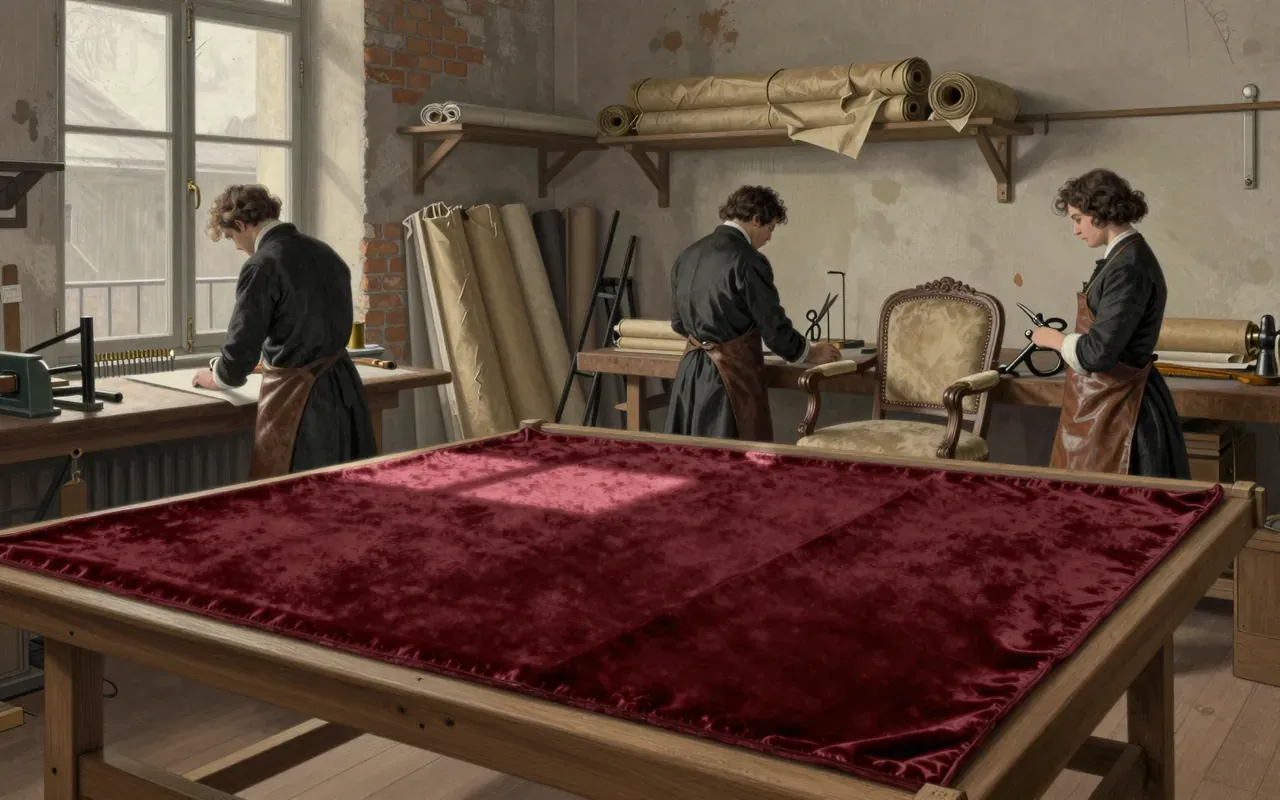
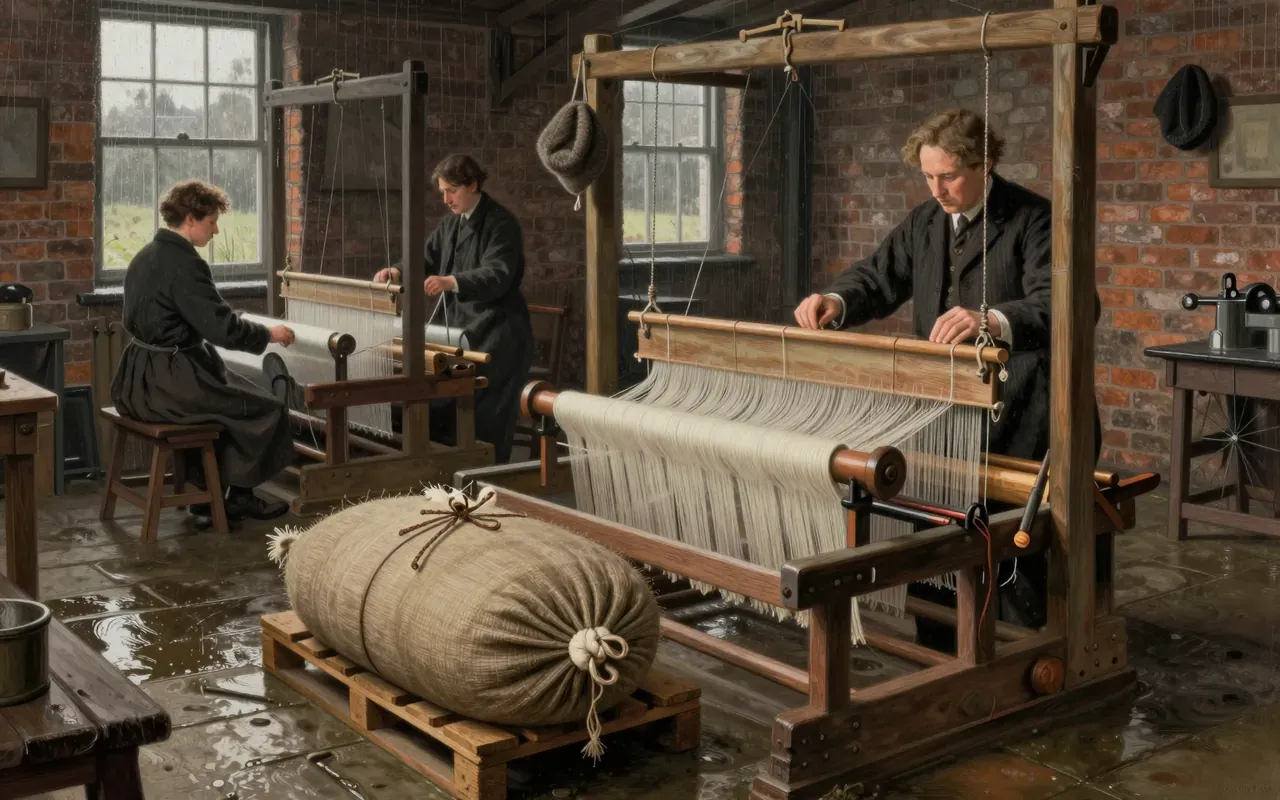

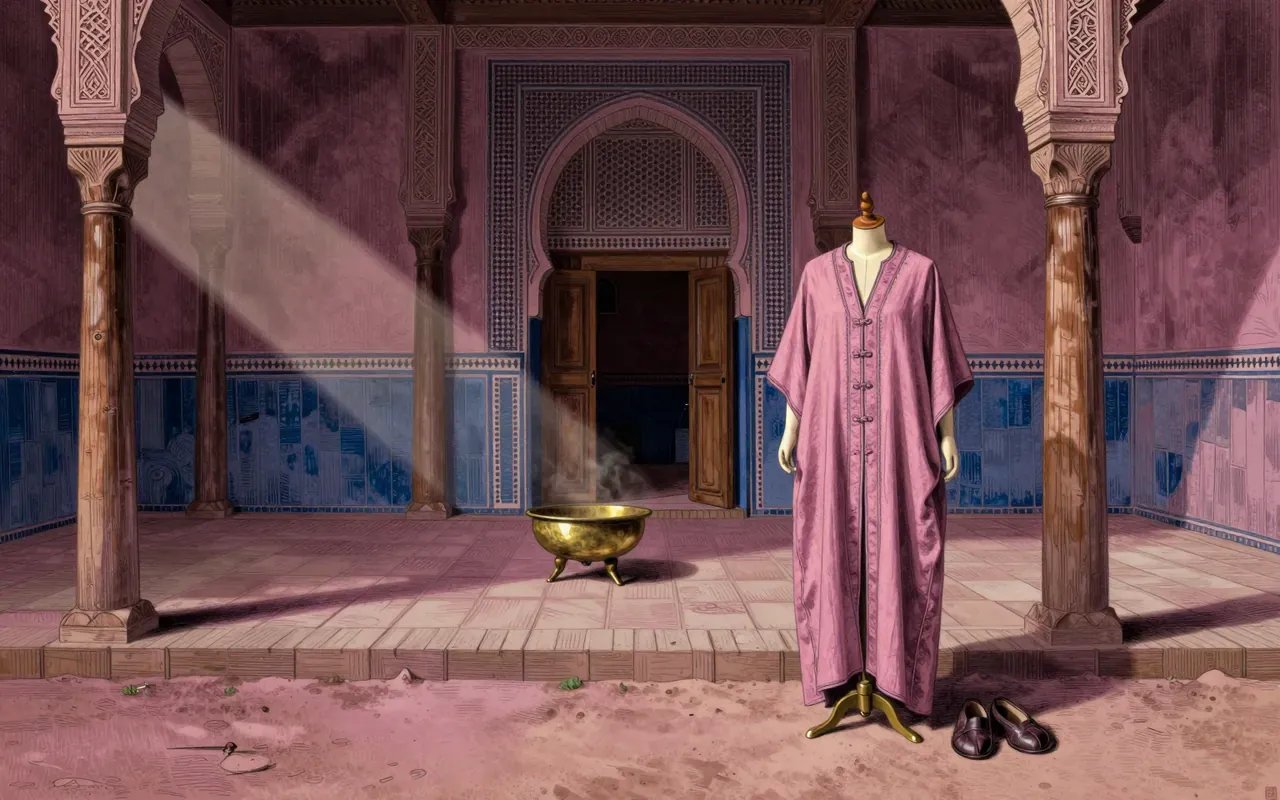

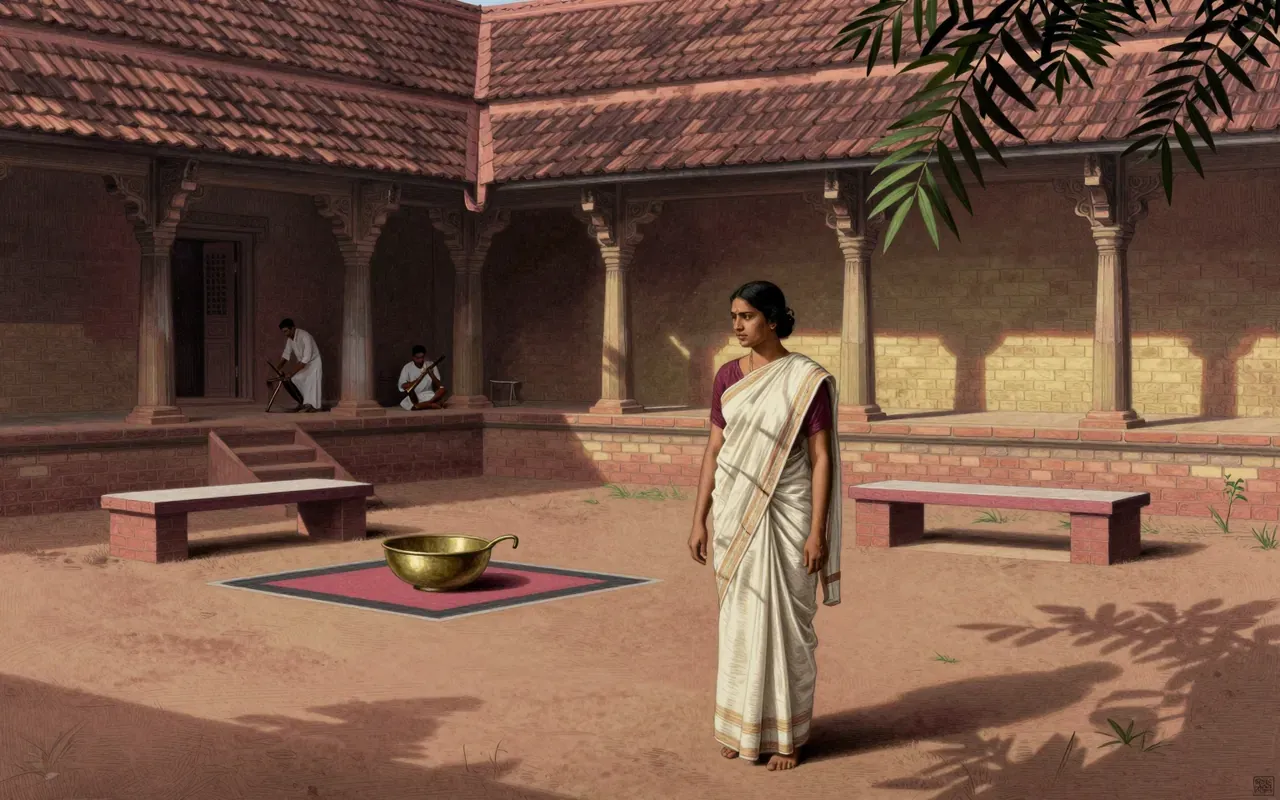
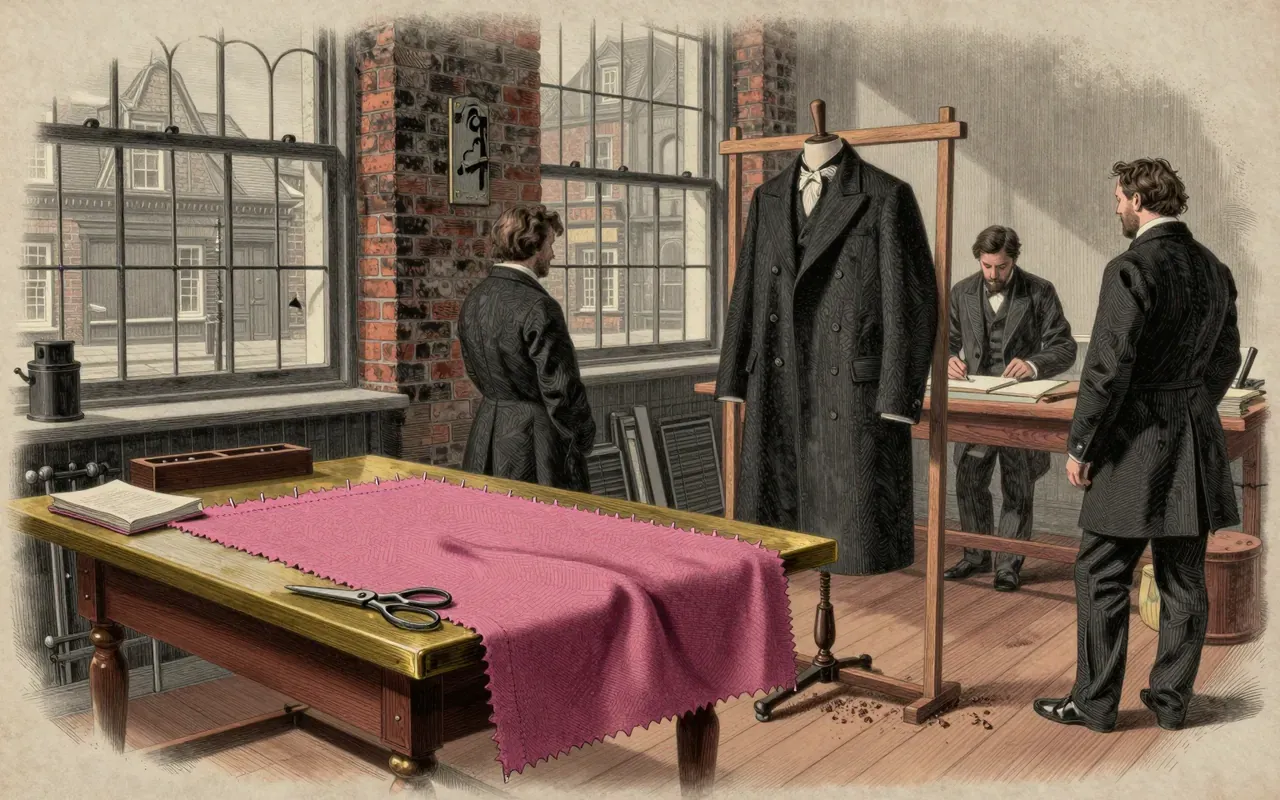
Aquascutum was a London tailoring house founded in 1851 by John Emary. It patented waterproof wool in 1853 and supplied coats to British military officers from the Crimean War onward. Its garments supported suffragettes in 1900 and Edmund Hillary on Everest in 1953. It staged its first London Fashion Week runway in 2005. It entered bankruptcy administration in 2012 and again in 2020, following multiple ownership changes.
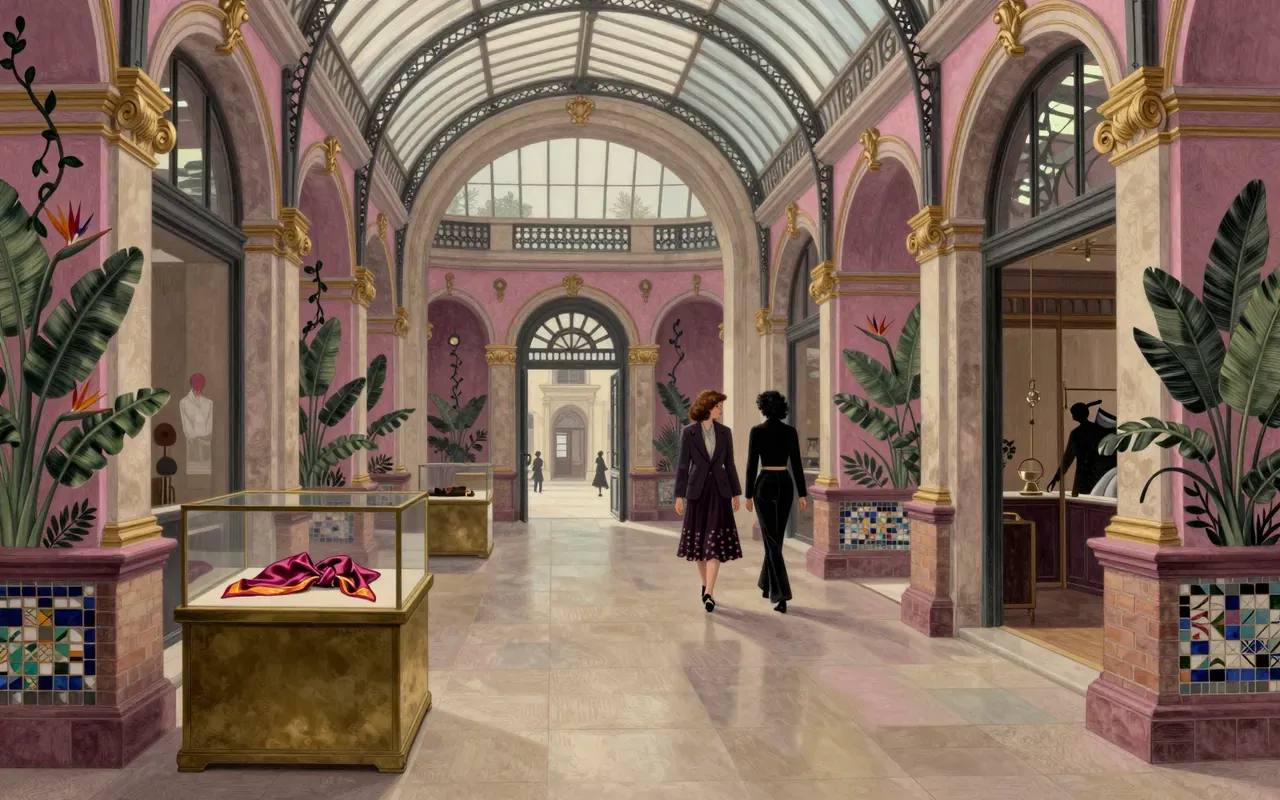
Kenzō Takada’s Kenzō label began in 1970 as a resource-constrained experiment in Paris—using flea-market space, Saint Pierre market fabrics, and Rousseau-inspired interiors. It re-energised ready-to-wear with colour and volume, launching the 'Big Look' in 1973–74. Its methods were specific, local, and materially grounded—not symbolic or national. It reached New York and Tokyo by 1971, but never claimed to represent Japan. Its legacy is procedural: how to build influence without infrastructure.
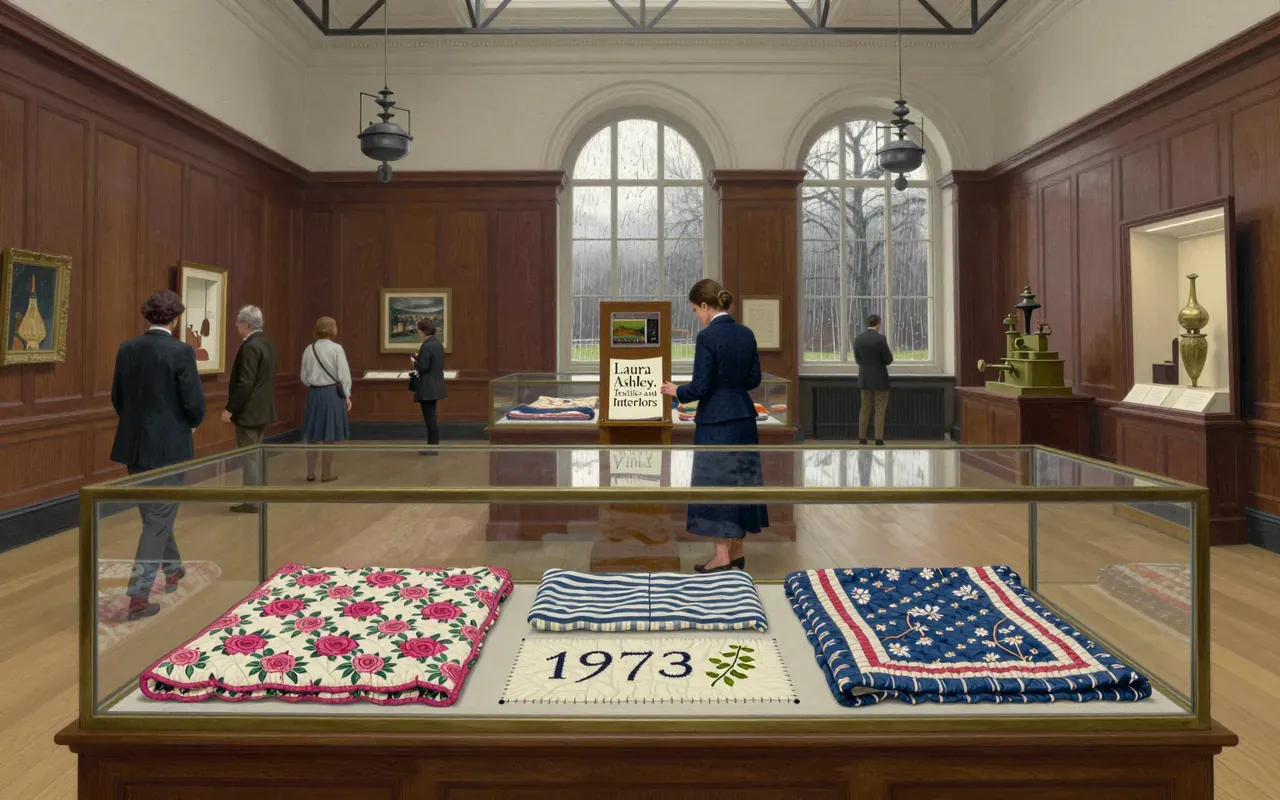
Laura Ashley built a fashion empire not from runway ambition, but from noticing a missing patch. Her method was craft-based, low-capital, and rooted in specific institutions—the Women’s Institute, the V&A—and a precise historical reference: the 19th-century rural. She sold Romanticism as reliability. She reached middle-class British women who wanted gentility without grandeur. She did not invent nostalgia—but she standardised it, scaled it, and shipped it via mail order before it had a name.
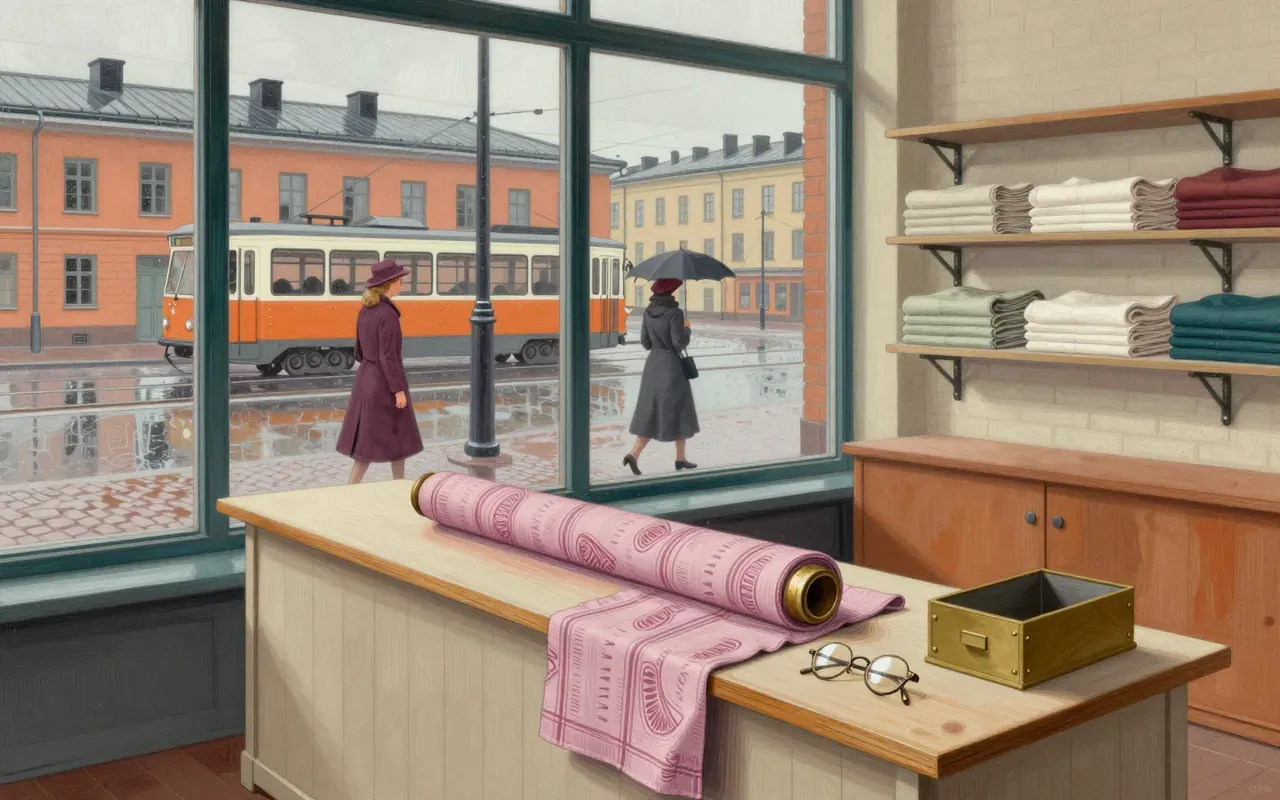
Marimekko is a Finnish textile and apparel company founded in Helsinki in 1951 by Viljo and Armi Ratia. It commissions artists to design bold graphic prints, then uses those prints in simple garments and home furnishings. Its early recognition at the 1957 Milan Triennale affirmed fashion as industrial art. Key outputs include the 1956 Jokapoika shirt and the 1964 Unikko pattern. It made important contributions to 1960s fashion through brightly coloured, simply styled products.


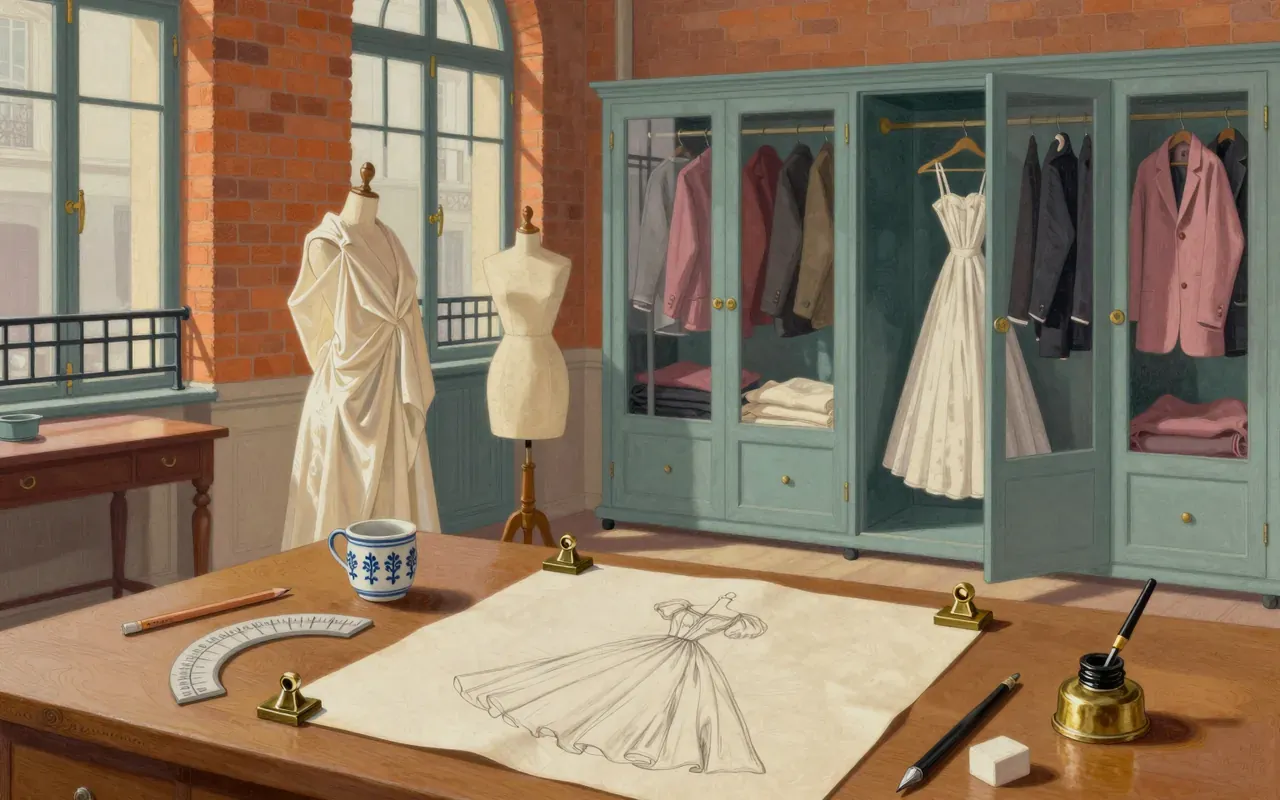
Givenchy’s 1952 launch was a system—not a style. It used raw cotton to make separates scalable, named garments after real women, and built ready-to-wear infrastructure before the term existed. Its later fame with Hepburn is real, but retrospective. The founding act was quieter: pragmatic, precise, and materially inventive.