Gorpcore is outdoor recreation outerwear worn as streetwear. Coined in 2017 by Jason Chen in The Cut, it gained momentum pre-pandemic via celebrities like A$AP Rocky and Frank Ocean, then surged during COVID-19 as people sought practical yet stylish clothing for outdoor activity and remote life. By 2023, it was a dominant trend—defined by cargo pants, technical puffers, fleeces, hiking boots, Gore-Tex linings and functional accessories like fanny packs and sporty sunglasses. It reflects a shift toward utility-as-aesthetic but lacks grounding in actual outdoor practice or subcultural lineage.
By 2023, gorpcore had shed its early irony and become a default urban uniform—sold by high-street and luxury brands alike.
2 more chaptersFewer chapters
Worth your time?
Yes. Wear the whole thing.
3.5/ 5
What works
as-a-trend
as-a-mirror-of-pandemic-adaptation
as-a-retail-strategy
What does not
subcultures
outdoor-culture
technical-innovation
Wear it if
urban-dwellers
remote-workers
celebrity-followers
Skip it if
hikers
mountaineers
gear-enthusiasts
Who should wear it, and who should skipHide who it is for
The written brief1 min read
What the thing is
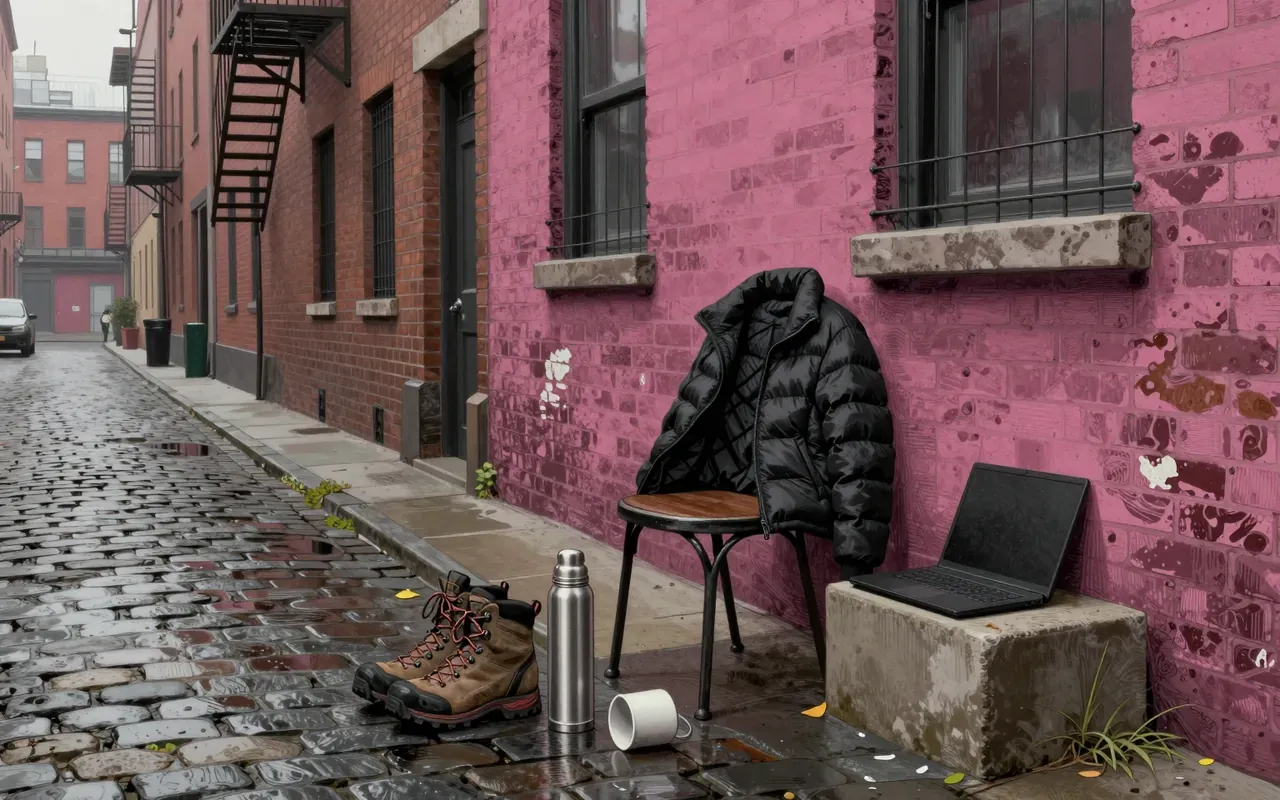
Gorpcore is streetwear made from hiking and mountainwear: cargo pants, technical puffer jackets, fleeces, hiking boots, Gore-Tex-lined items, fanny packs and sporty sunglasses.
Where it came from
Jason Chen coined ‘gorpcore’ in The Cut in 2017. Celebrities like A$AP Rocky and Frank Ocean wore hiking-inspired clothing before the pandemic. It gained traction during COVID-19 and became dominant in 2023.
What it gets right
It makes functional outdoor gear socially legible in urban settings. It answers a real need for comfort, weather resilience and low-effort polish during remote work and lockdown recovery.
What it gets wrong
It divorces gear from its purpose. A Gore-Tex jacket worn indoors is performance theatre, not utility. It mistakes visibility for expertise, and celebrity adoption for cultural depth.
Why it matters now
It reveals how crisis reshapes sartorial hierarchy—elevating function over form, utility over ornament—and how fast a niche aesthetic can flatten into corporate uniformity.
Is it worth your time
Yes—if you want to understand how pandemic-era isolation, celebrity styling and technical apparel fused into a mainstream fashion logic. No—if you expect subcultural authenticity or lasting design innovation.