fashionbriefs
8:22in productionCh. 1 · Not a look. A process./ 8:22 · ceiling 15 min
Couture

Haute couture

Haute couture is French industrial policy dressed as glamour.

Haute couture is not fashion as expression. It is fashion as regulation. A Paris-centred, legally defined, labour-intensive system of custom garment-making, tightened in 1945 and still policed by state-appointed commissions. It privileges location, staffing, and client relationship over creativity or influence. Its endurance reveals how little luxury depends on novelty—and how much it depends on enforceable borders.

Chapters & takeaways4
  1. 0:56
    Not a look. A process.

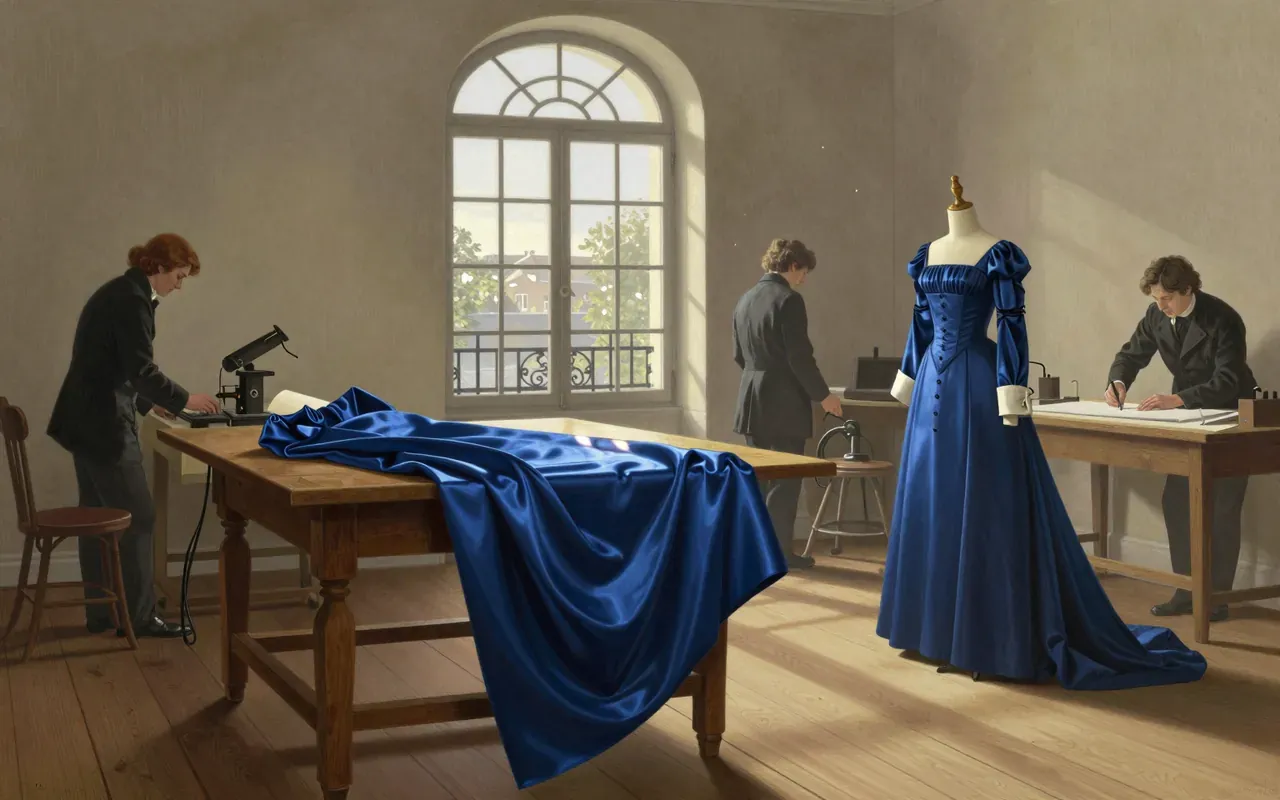
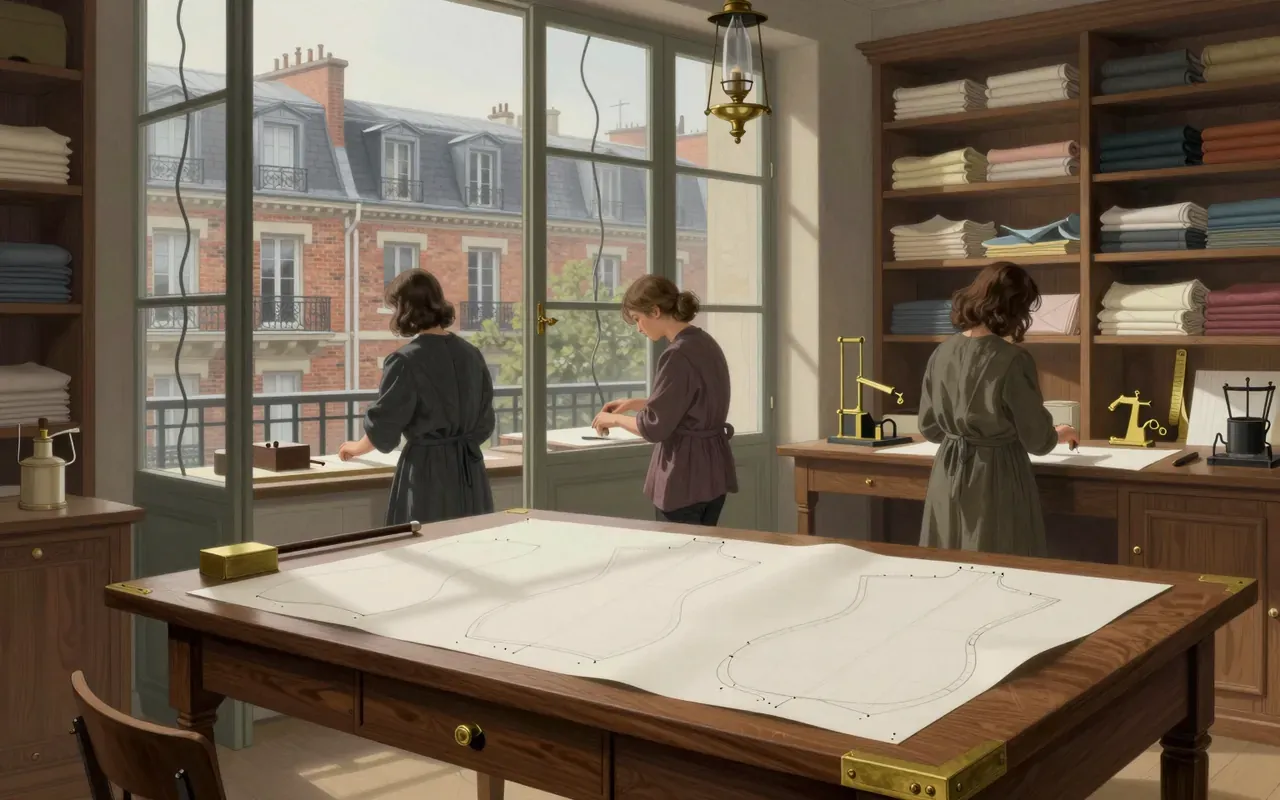
    Haute couture is defined by method—not style—starting with custom fit and hand-executed technique.

  2. 2:11
    A regulated industry

    The label is legally enforced by the Paris Chamber of Commerce and a Ministry for Industry commission.

  3. 4:01
    Rules forged under occupation

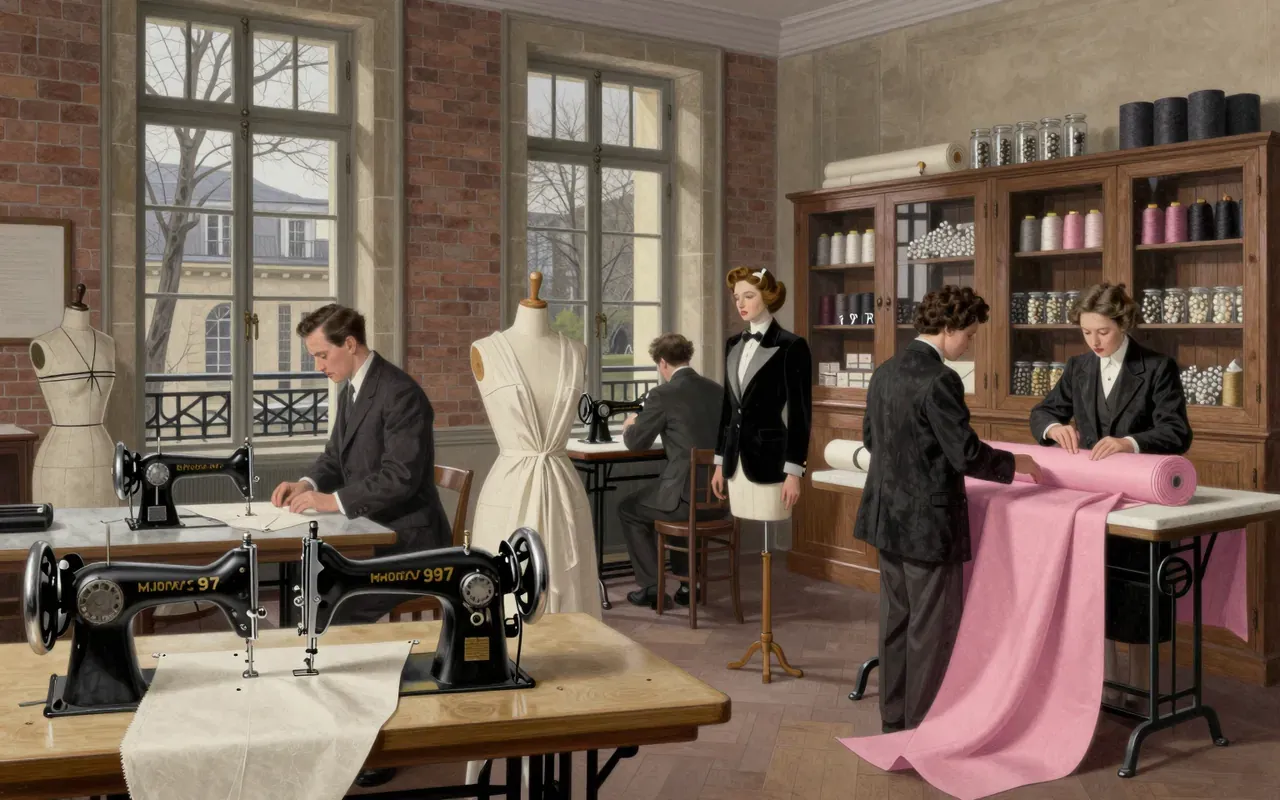
    The 1945 rules demand Paris ateliers, fifteen full-time staff, and made-to-order garments with fittings.

  4. 5:09
    Where the system began

    Mid-19th-century Paris set the template: expensive fabrics, extreme detail, and skilled handwork for private clients.

Worth your time?

Yes. Wear the whole thing.

3.5/ 5
What works
  • culture/fashion
  • culture/cities
  • culture/society
What does not
  • culture/movements-and-scenes
  • culture/subcultures
  • culture/generations
Wear it if
  • designers
  • lawyers
  • historians of labour
Skip it if
  • general readers seeking cultural insight
  • students of global fashion systems
The written brief1 min read

What the thing is

Haute couture is a legally protected label. It denotes custom-fitted, high-end fashion design made to order in Paris under strict operational rules.

Where it came from

Its formal roots lie in 17th-century France, with guild recognition for women dressmakers from 1675. Its modern form emerged in mid-19th-century Paris under figures like Charles Frederick Worth.

What it gets right

It enforces material discipline. Hand-executed techniques. Paris-based ateliers. Fifteen full-time staff. Made-to-order for private clients. These are concrete, enforceable standards—not aesthetics or prestige.

What it gets wrong

It excludes all non-Paris production, all non-private-client work, and all makers outside its narrow staffing and geographic rules—even if their craft matches its standards.

Why it matters now

Because it is one of the few fashion categories where legal definition overrides market perception—and because its 1945 tightening shows how occupation, not taste, shaped its boundaries.

Is it worth your time

Yes—if you care how law, labour and geography constrain luxury. No—if you expect cultural commentary or democratic relevance.

Same rail · Couture4 of 13
8:40
Giambattista ValliGiambattista Valli is an Italian designer operating his eponymous brand in Paris since 2004. His collections, both ready to wear and Haute couture, are presented semi-annually during Paris Fashion Week. Valli launched his eponymous brand in 2004, heralding his first ready-to-wear show in Paris in 2005 where he had moved from Italy. Valli is one of the few non-French designers granted membership into the historic Chambre Syndicale de la Haute Couture. He showed his first couture collection in July 2011. Ungaro credited Valli with revitalizing the house, and named him as his successor when he retired in 2004. With the expiration of a contract with Italian fur-maker Ciwifurs for the brand’s own fur coats and jackets, Valli brought all production and distribution in-house in 2017. Groupe Artémis took a minority shareholding in the Giambattista Valli brand in 2017, later assuming majority control in 2021.
9:44
Oscar de la RentaOscar de la Renta’s 1960s gowns are not about innovation — they are about calibration. They assume the wearer knows her role, and deliver the exact weight, line and finish required to hold it. No garment here is neutral. None hides its intention.
9:54
SatinSatin is a weave, not a fibre. Its optical dominance is engineered — not accidental. It sacrifices snag resistance for sheen. It demands handling, not wearing. It belongs in ceremonial dress, not commuter wardrobes.
9:02
Charles Frederick WorthWorth’s garments were structural propositions — not ornaments. They solved problems of mobility, fit and visibility in public life. His methods were precise, his materials conventional, his influence procedural: he turned dressmaking into authorship, and silhouette into strategy.
Up next in Fashion

Hip-hop fashion

· 8:30

Hip-hop fashion wasn’t adopted by brands — it hijacked them.

8:30