Saved
Topic

Luxury

Scarcity manufactured and sold at the margin it implies.
36
in fashion
9:26
average
340 min
in total
55
across the network
Luxury across the network →
All briefs36
8:27

Fendi

Fendi is an Italian luxury fashion house, founded in Rome in 1925 as a fur and leather shop.
10:13

Casablanca

Casablanca is a Paris fashion label, founded in 2018 by Charaf Tajer, known for après-sport clothing and hand-painted prints.
9:42

Louis Vuitton

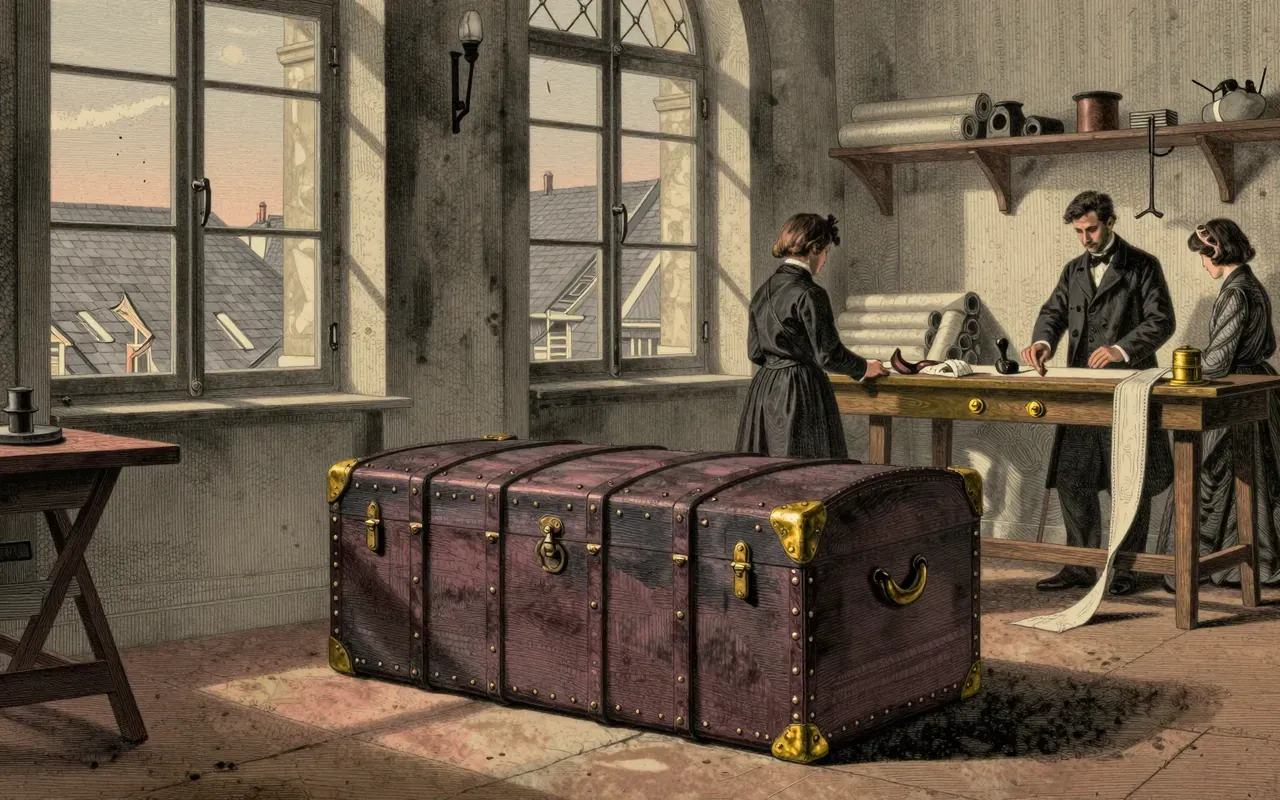
A trunk is not a bag—it is a portable vault built to survive empire-scale movement.
9:56

Louis Vuitton

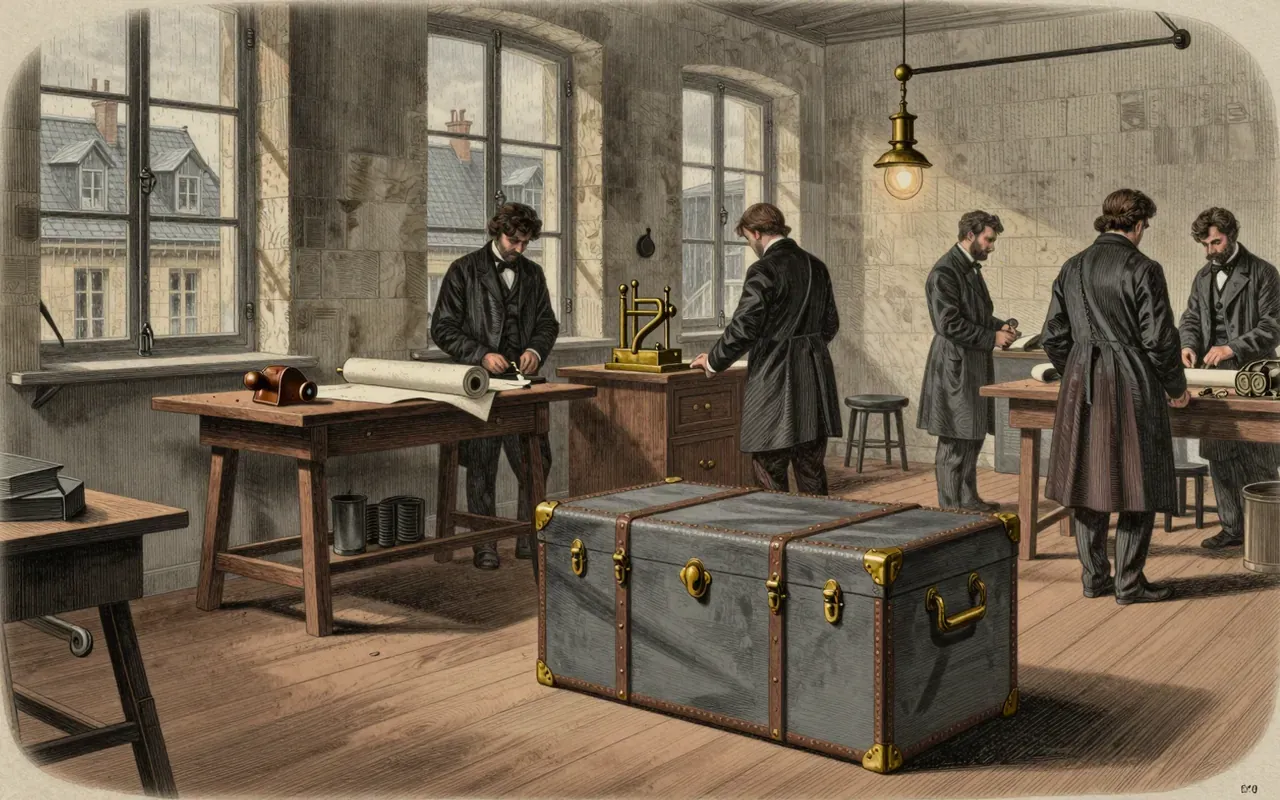
Louis Vuitton didn’t invent luggage—it killed the rounded top and made stacking non-negotiable.
8:00

Louis Vuitton

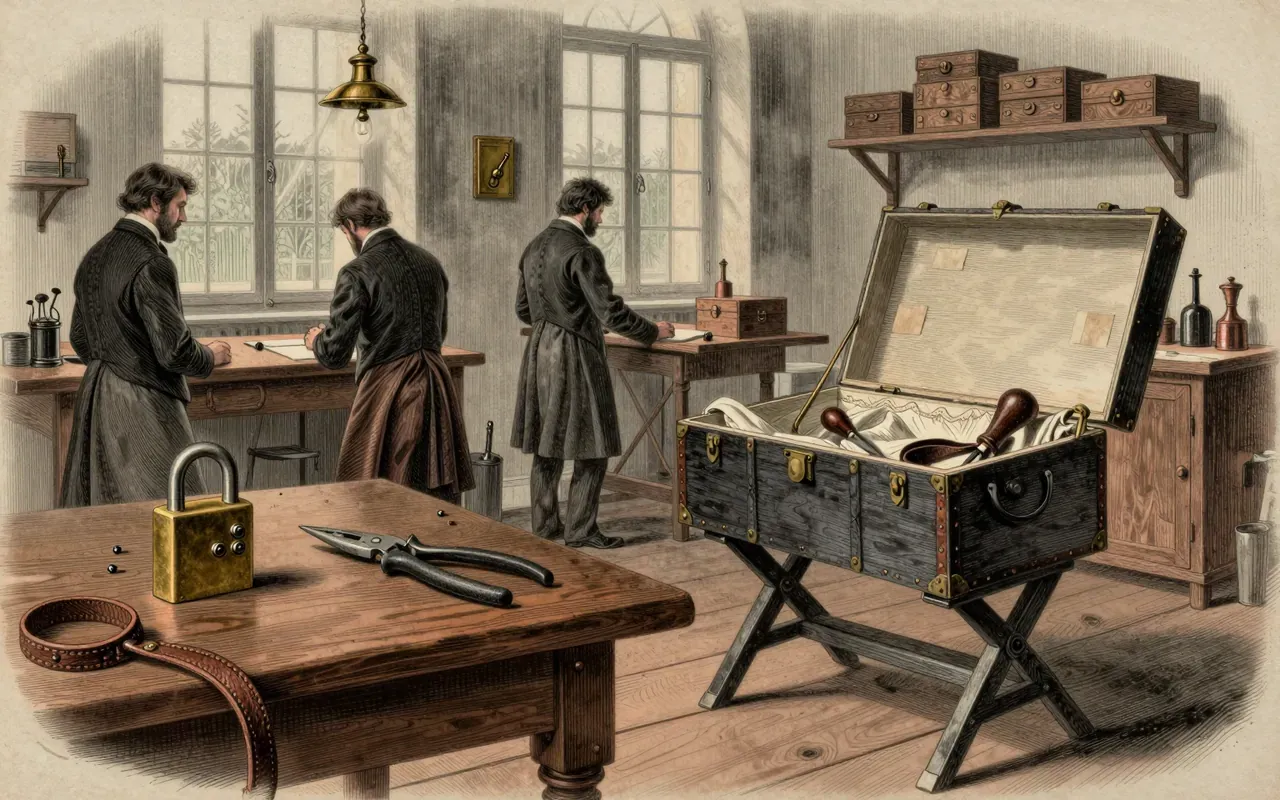
A trunk is not a bag—it’s a sovereign unit of travel, and Louis Vuitton built the first one that refused to break.
9:56

Amiri

Amiri didn’t reinvent luxury—it rerouted its pipeline from Paris to LA and back again.
9:44

Celine (brand)

Celine began not with clothes, but with children’s shoes — and never stopped thinking like a bootmaker.
9:19

Goyard

A Paris trunk maker since 1853, and the house that made its own canvas, Goyardine, its signature.
9:32

Birkin bag

A bag designed for diapers became a lockbox for status — its function buried under its own exclusivity.
8:58

Kelly bag

A bag that trades utility for authority—and makes you wait for both.
9:43

Marni (brand)

Marni trades in intelligent discomfort — and has done so since its fur-trade origins demanded it.
9:12

Mulberry Group

Roger Saul · 1971

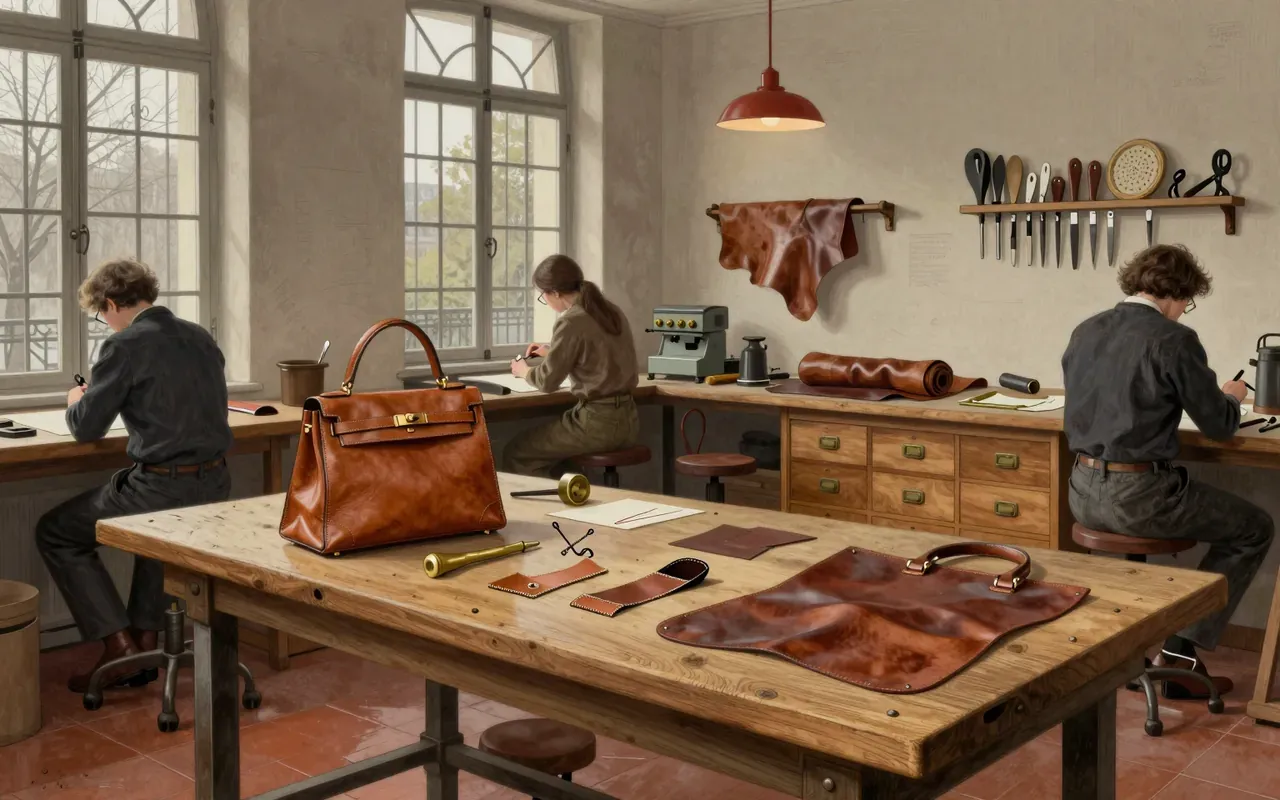
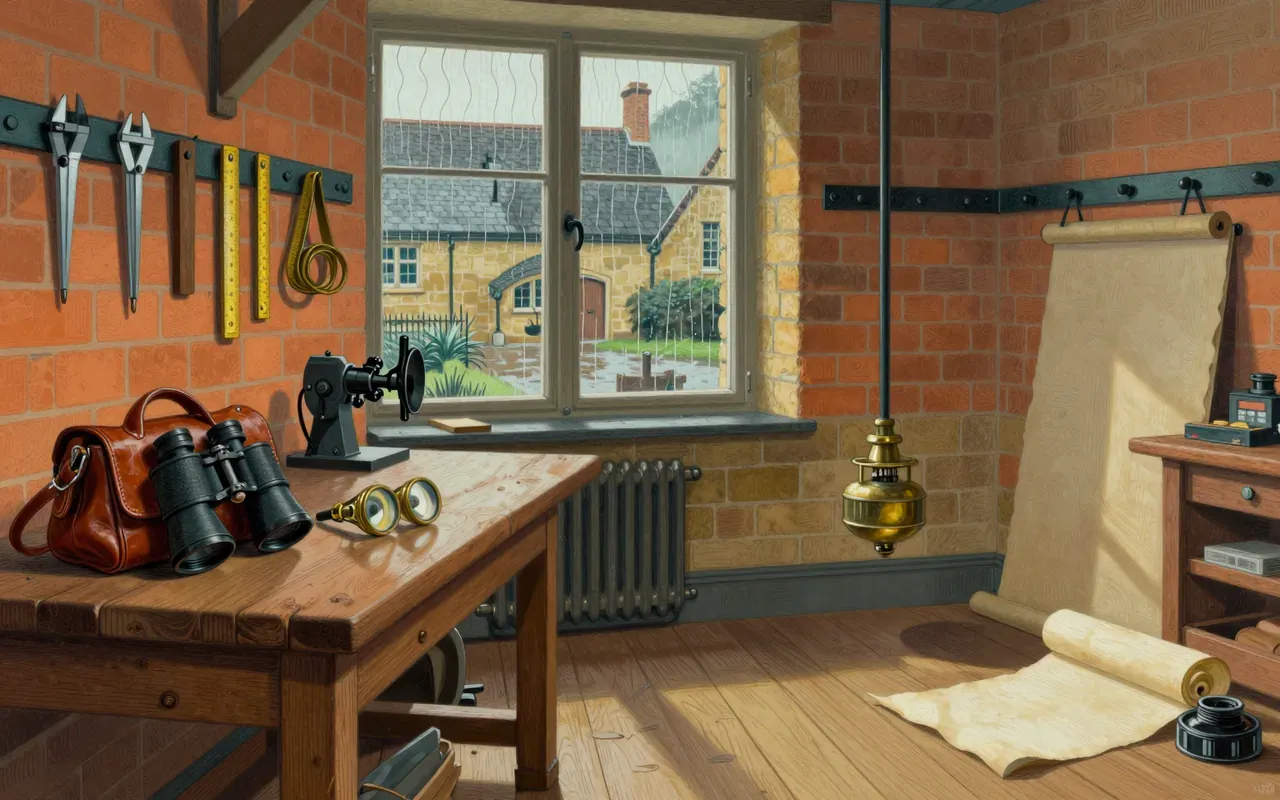
Mulberry Group was founded in 1971 by Roger Saul and his mother Joan as a British leather goods company. It built its reputation on functional poacher bags—the binocular and dispatch bags—rooted in rural utility rather than urban display. Production began in Somerset in 1973 and remains anchored there for core designer leather goods, while men’s bags and small leather goods are made in Turkey and China respectively. An apprenticeship programme launched in 2006 trains local youths for Somerset factory roles, with job offers extended to graduates. Mulberry’s strength lies in its material honesty and regional continuity; its compromise is the fragmentation of its making across geographies and standards.
9:32

The Attico

A dressing gown label that learned how to walk before it learned how to run — and still hasn’t learned how to stand still.
10:32

The Row (fashion label)

Mary-Kate and Ashley Olsen · 2006

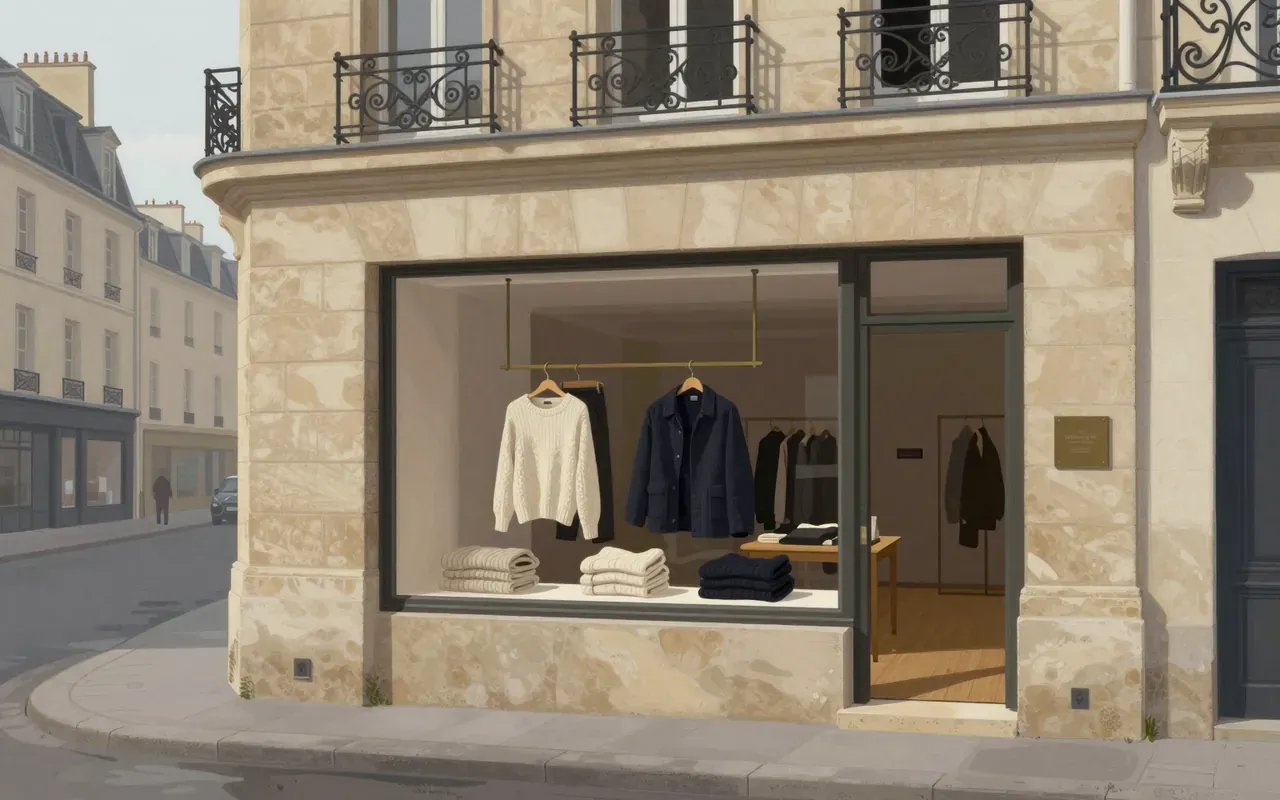
The Row is a fashion house built on subtraction: no names, no interviews, no deviation from material specificity. Its first collection—seven pieces, all purchased by Barneys New York—proved that luxury could be silent, rigorous and commercially viable without spectacle.
8:21

AMI Paris

AMI Paris is not about revolution — it’s about making Marc Jacobs–level cashmere sweaters affordable to the person who designed them.
9:46

Chloé

Chloé didn’t make clothes first—it made a new kind of fashion company.
9:18

John Galliano

Galliano’s work is inseparable from his conduct — and neither can be curated away.
9:26

Versace

Versace didn’t make clothes for bodies—it made them for entrances.
11:10

Bill Blass

Bill Blass didn’t dress women for the red carpet—he dressed them for the rest of their lives.
8:44

Chrome Hearts

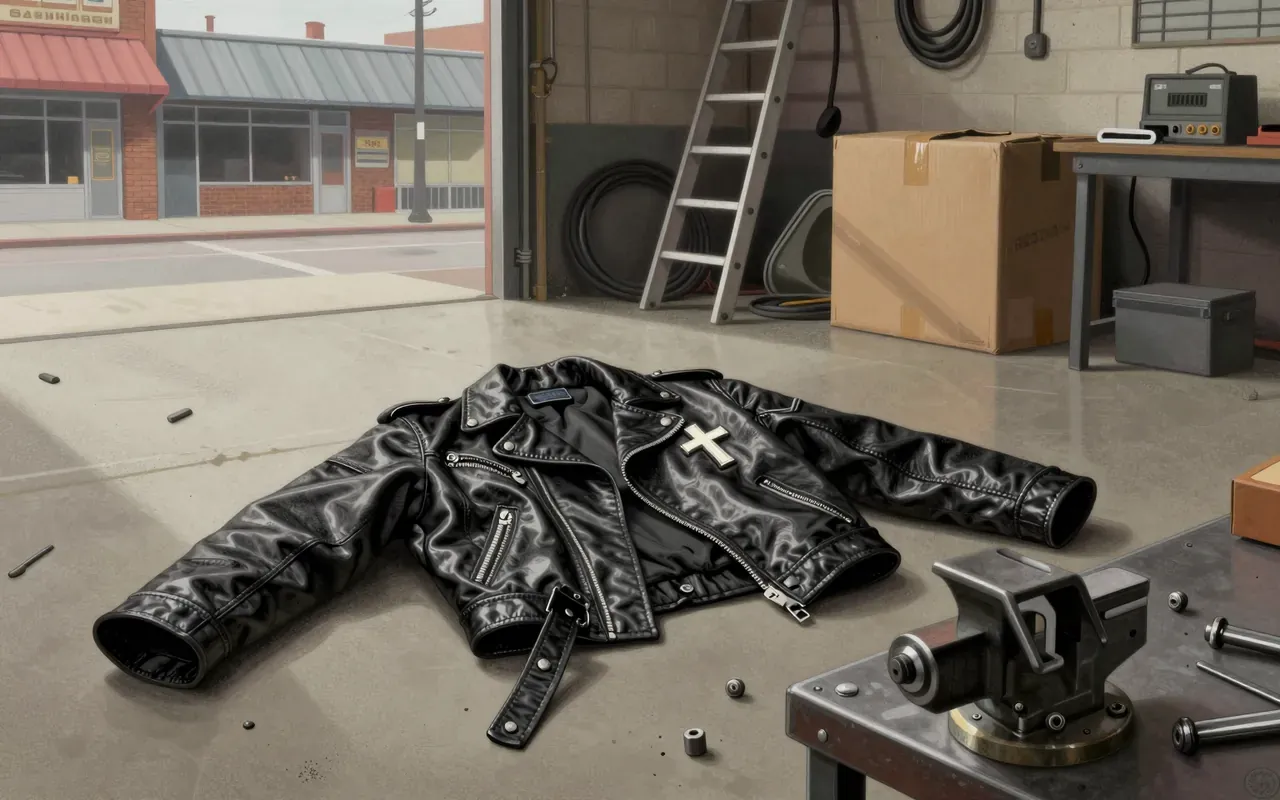
A leather jacket built to declare, not disguise — Hollywood-made, silver-studded, and uncompromisingly loud.
9:29

Church's

Church's shoes are heavy by design — and that weight is their only unbroken promise.
11:16

Lady Dior

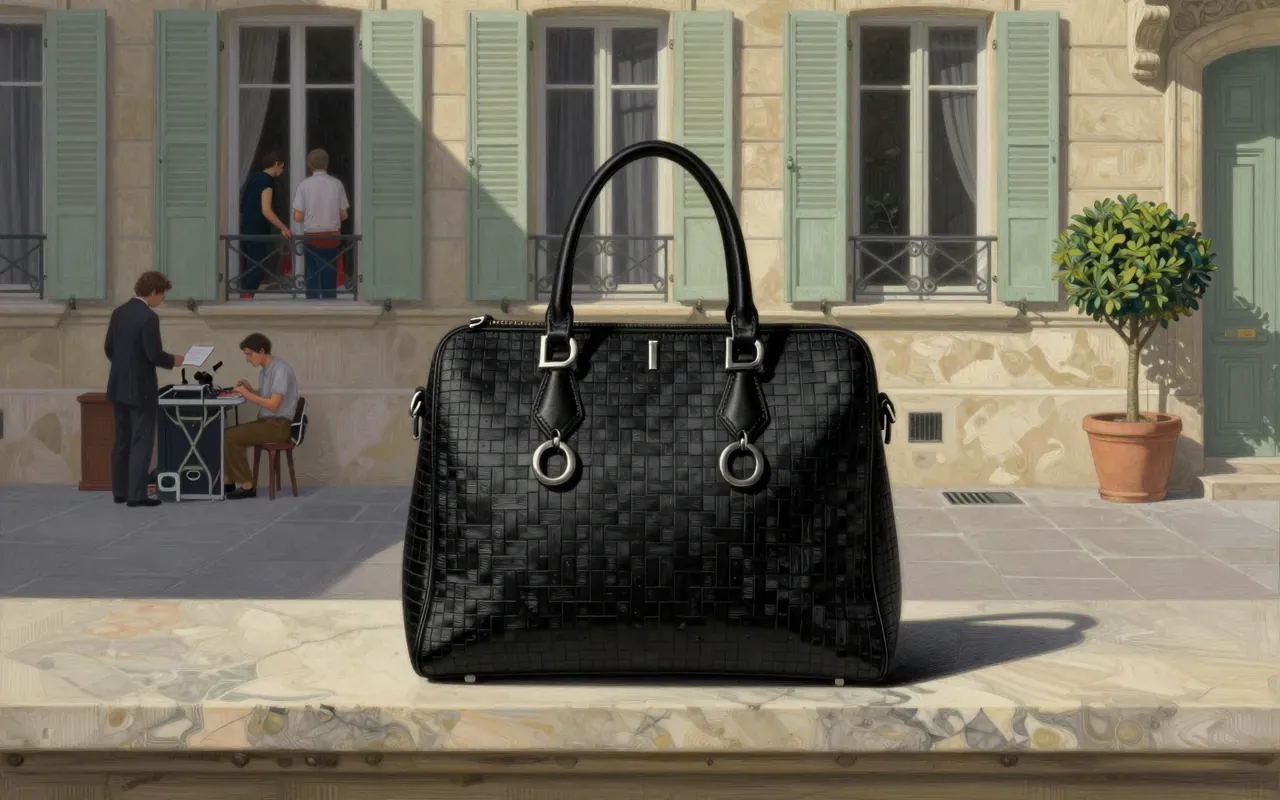
A rigid black box that turned furniture caning into a global status signal—and made Dior a leather goods house overnight.
9:00

Kiton

Kiton isn’t about craft as theatre — it’s about craft as infrastructure.
9:07

Gucci

Guccio Gucci · 1921

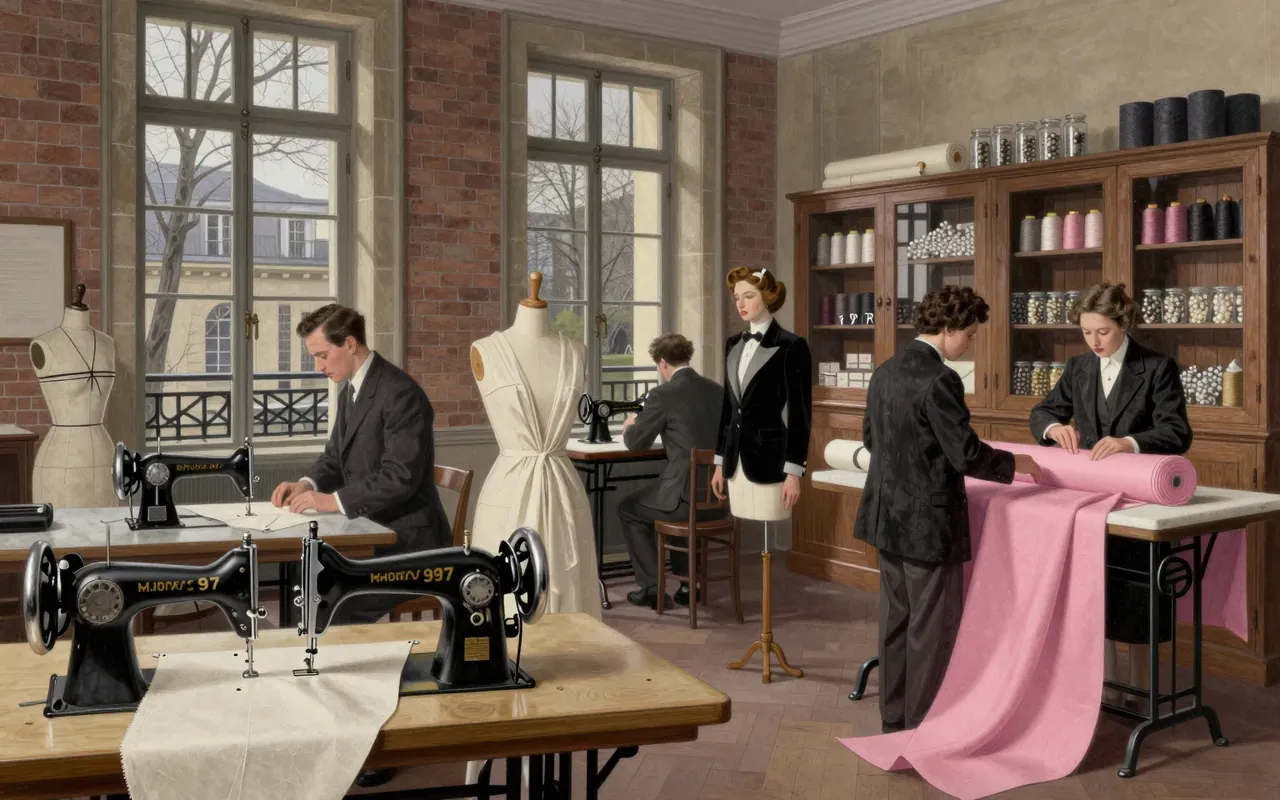
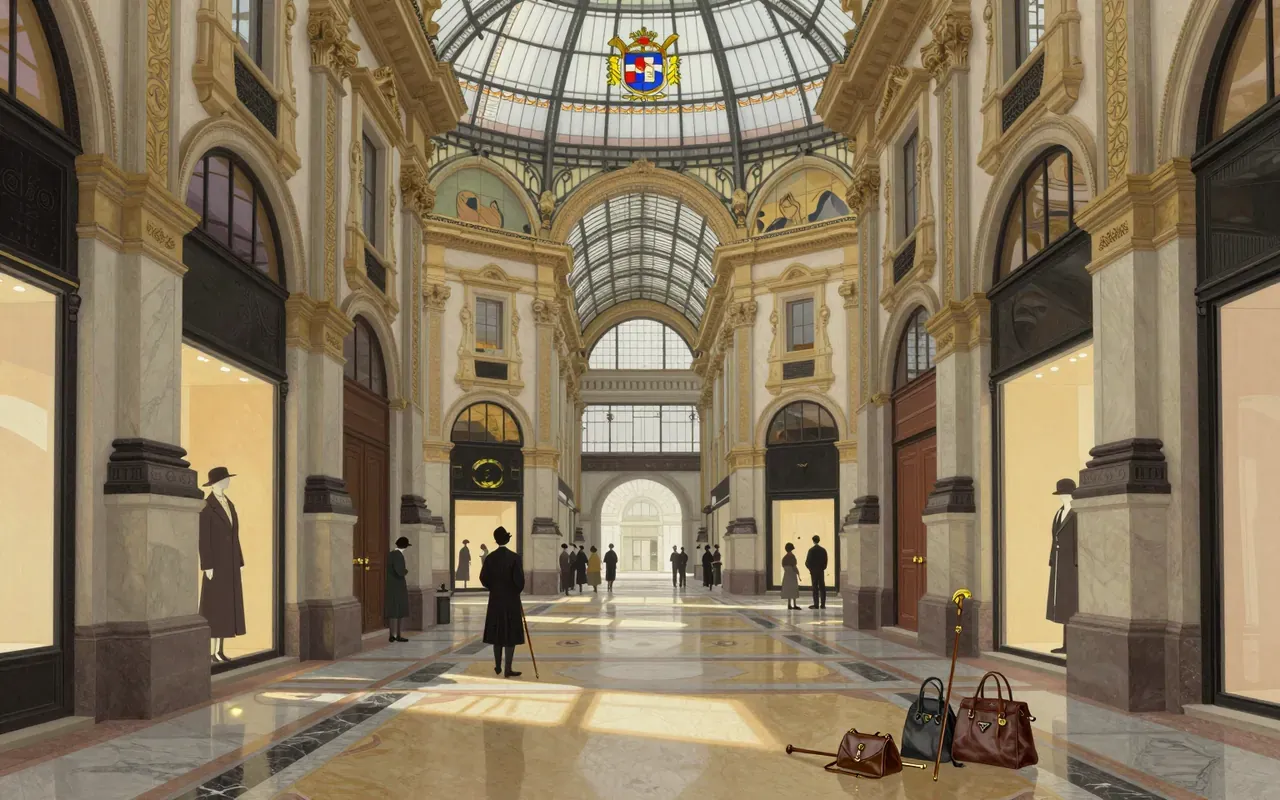
Gucci began as a Florentine leather shop in 1921, shaped by embargo, war and equestrian utility—not aspiration or artistry.
8:47

Prada

Mario Prada · 1913

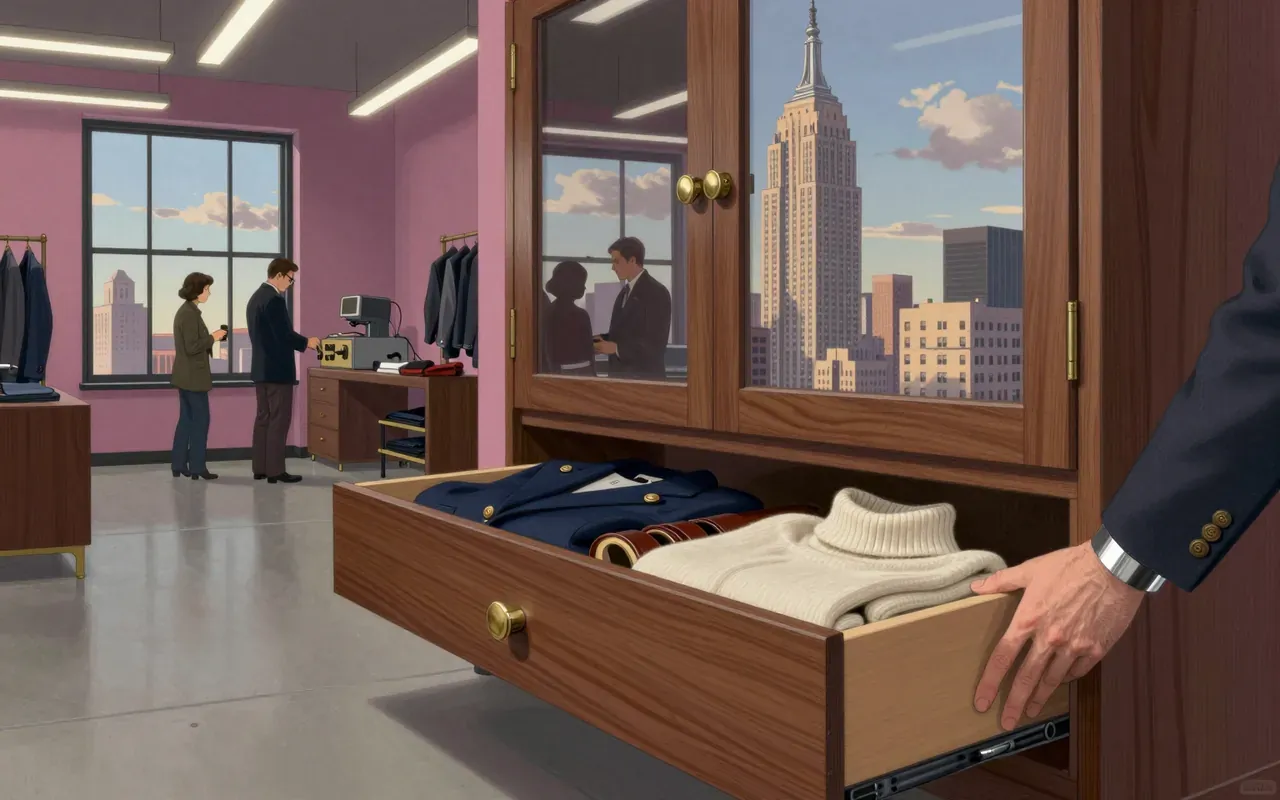
Prada (1913) is the founding moment of a luxury institution built on imported English goods, patriarchal control, and architectural prestige—not design innovation.
9:26

Ralph Lauren

Ralph Lauren

Ralph Lauren is a fashion brand founded in 1967 that built a global multibillion-dollar enterprise around Anglophile heritage aesthetics, beginning with men's ties and expanding through the Polo line, the Polo player emblem (first seen on a women's shirt cuff in 1971), and the first freestanding store for an American designer on Rodeo Drive in 1971.