8:11in productionCh. 1 · Atelier, not archive/ 8:11 · ceiling 15 min
Houses & movements · Couture
Schiaparelli (fashion house)
1927
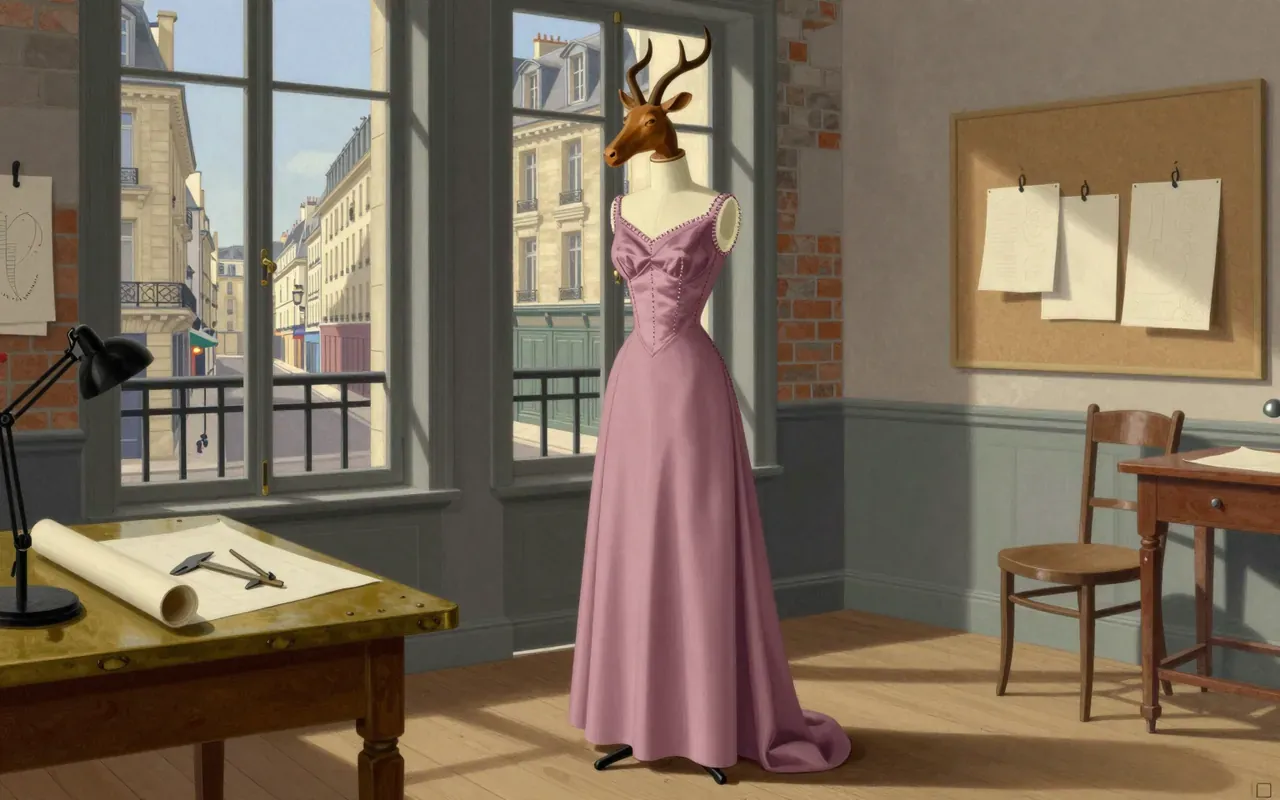
Surrealism isn’t printed on Schiaparelli—it’s cast, carved, and worn.
Schiaparelli is not a revival—it is a recalibration. Its garments are arguments in three dimensions, built from materials that reject tradition (resin instead of fur, foam instead of padding) and methods that embed art as infrastructure (Surrealist collaboration as design protocol, not motif). It refuses nostalgia while honouring provocation.
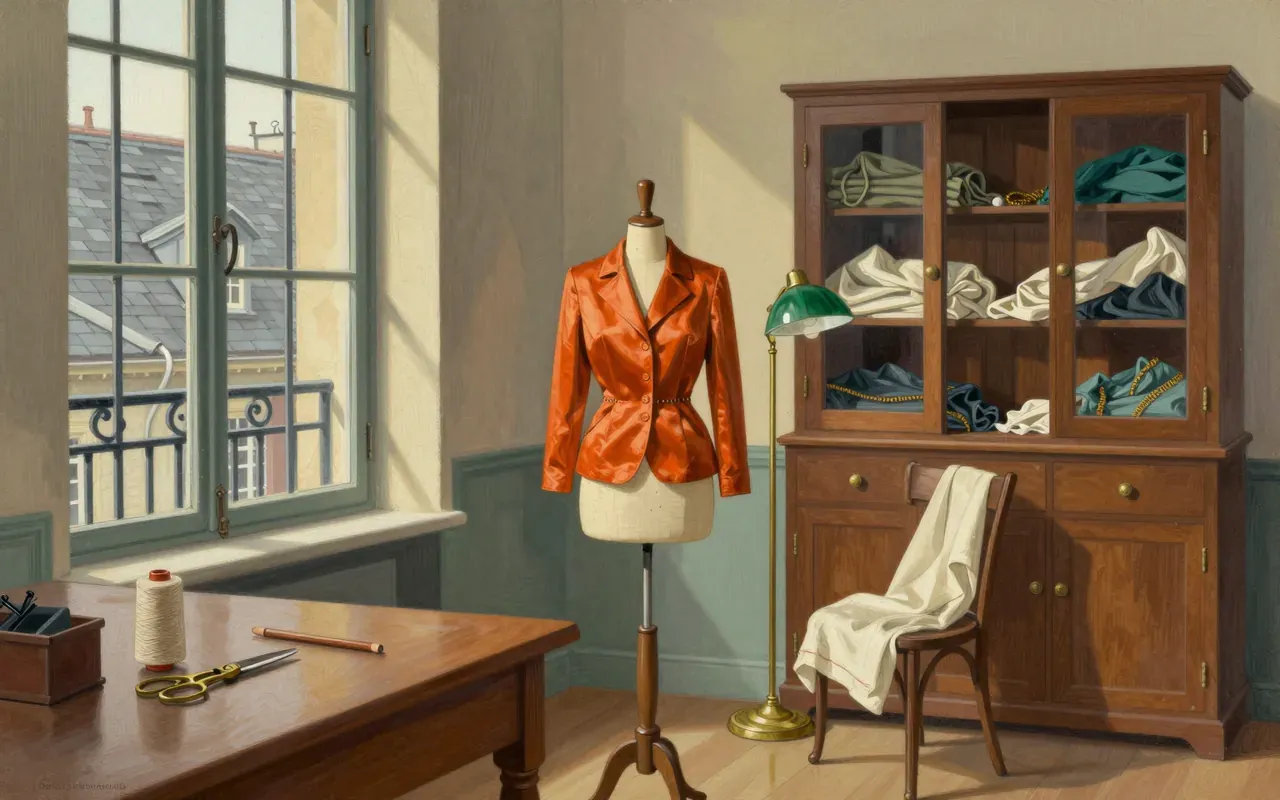
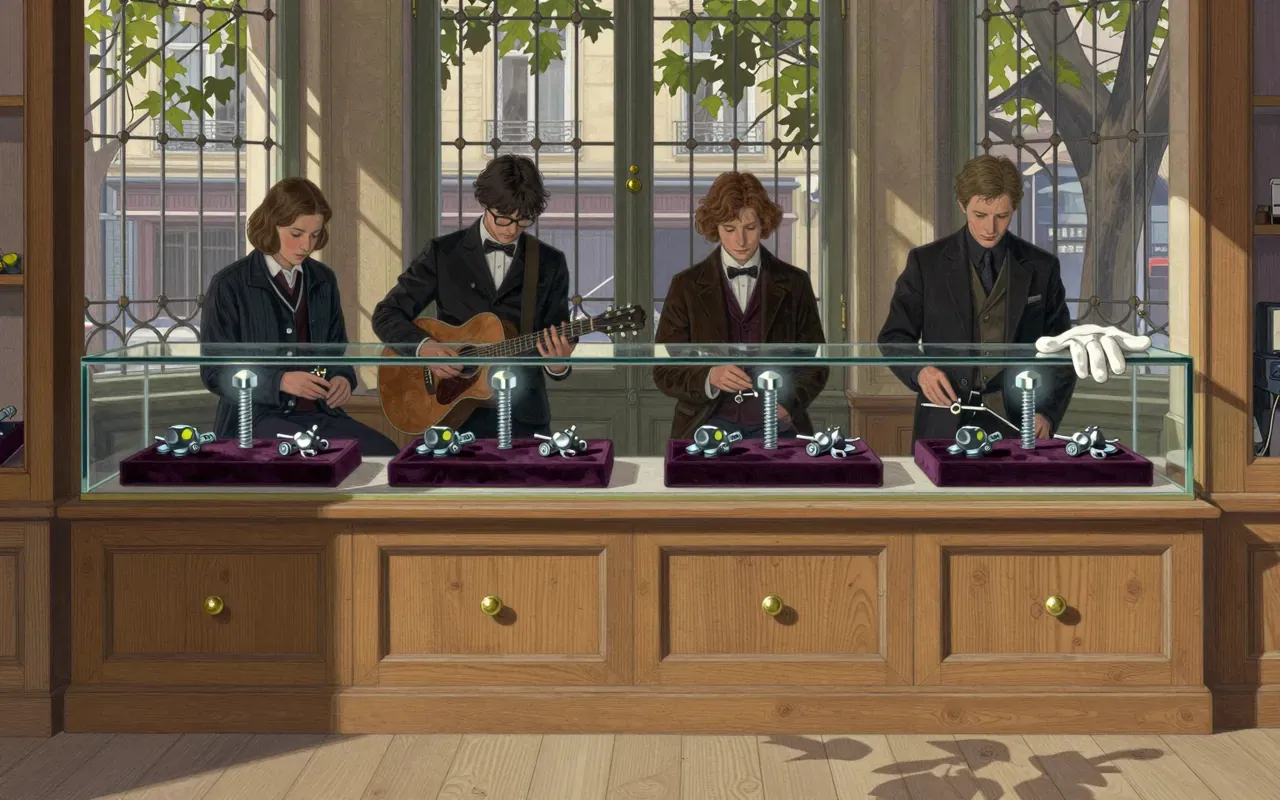
The house began as a Paris atelier—not a brand, not a boutique, but a working space for making.
2:22
Conservative before curious
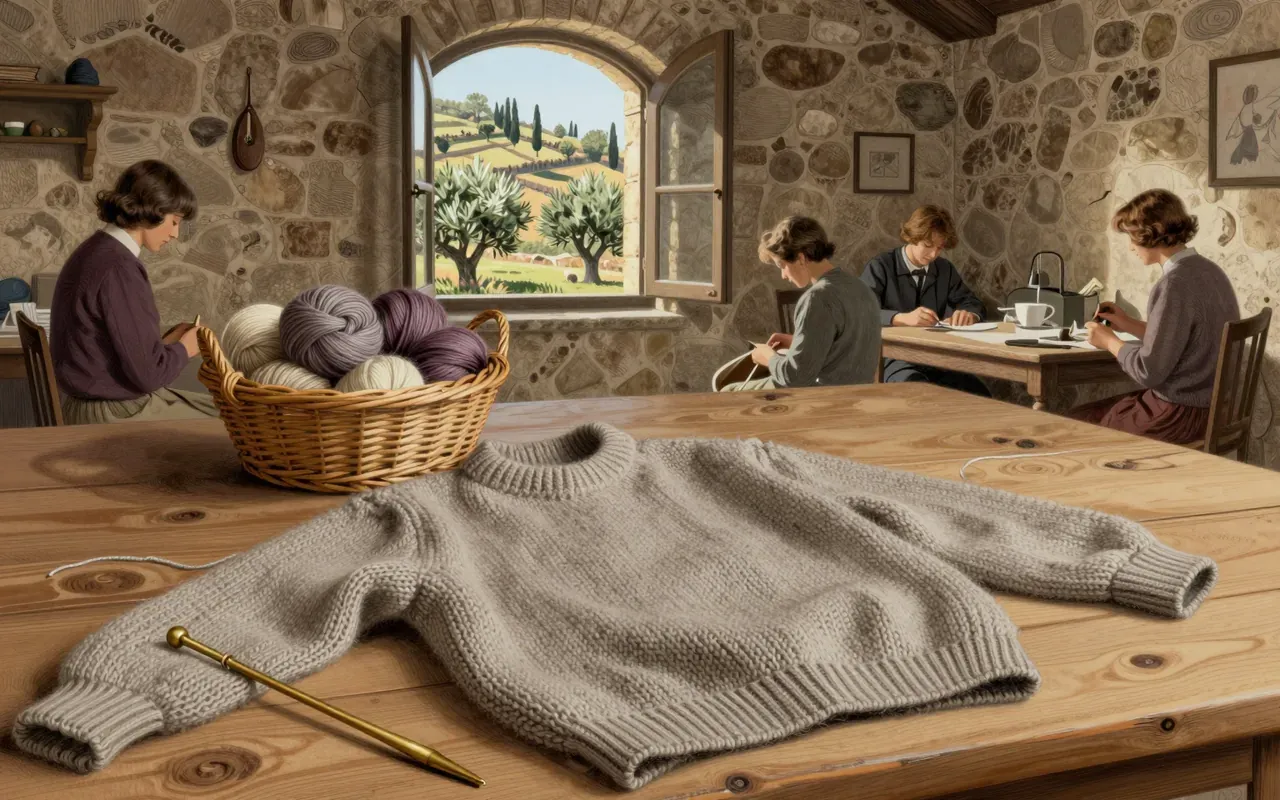
Knitwear was its first language—not rebellion, but restraint, precision, and quiet control.
3:41
Co-authorship, not cameo
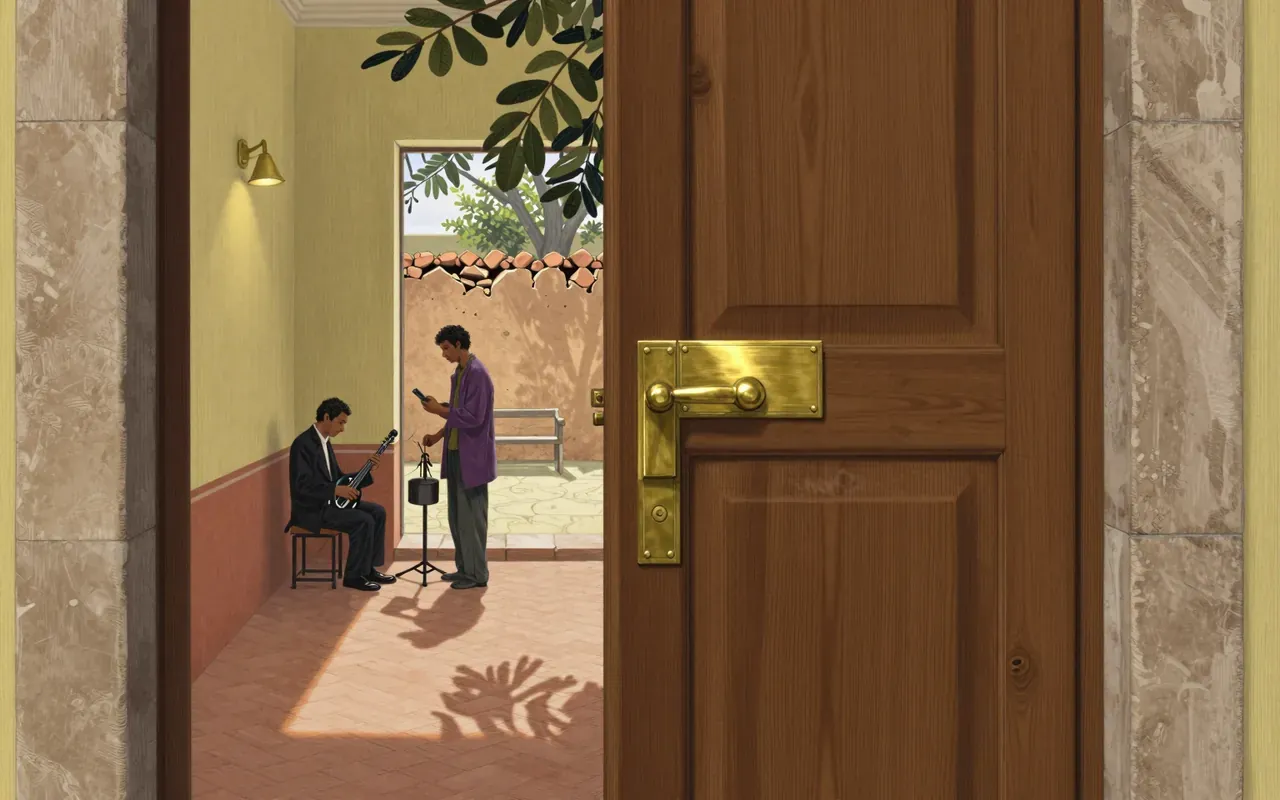
Surrealist collaboration was built into the process, not added as a theme.
5:04
Sculpture, not spectacle
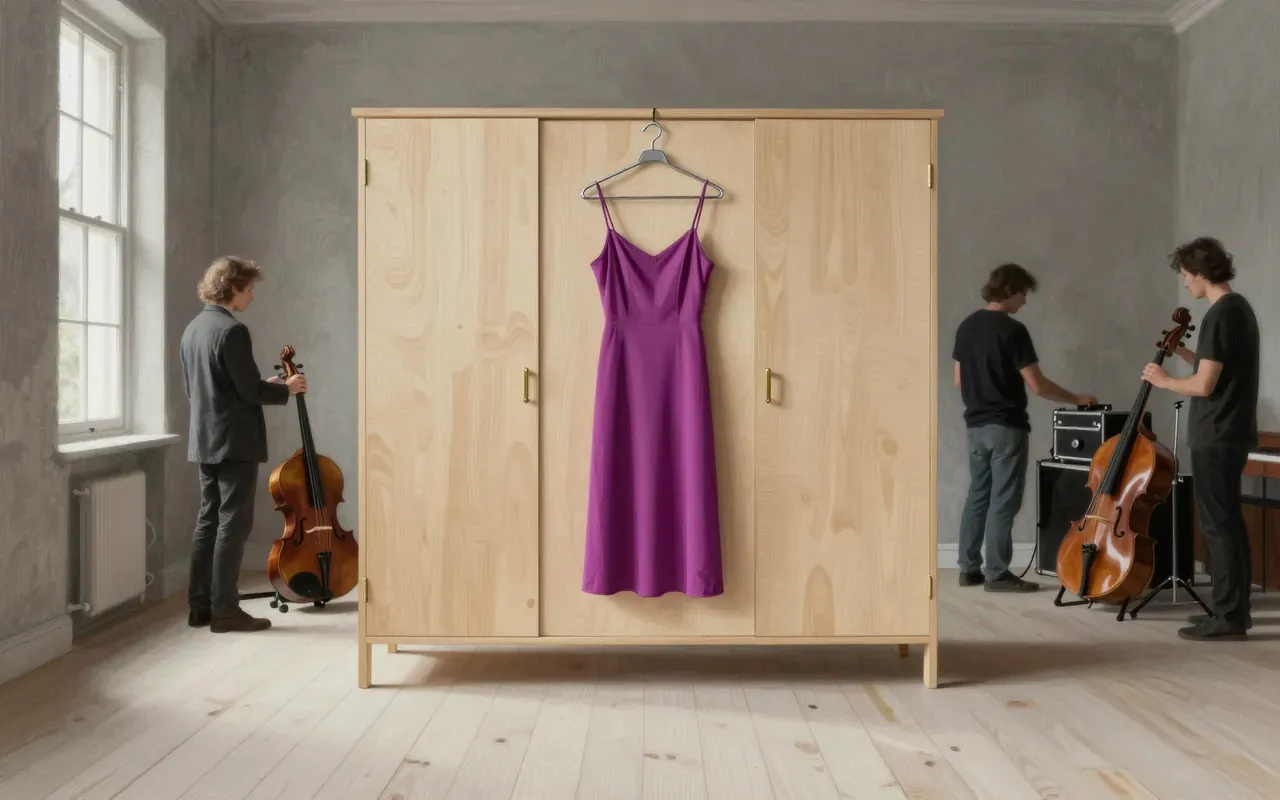
Quirk is structural: resin and foam replace fur, and the head is part of the gown—not an accessory.
Worth your time?
Yes. Wear the whole thing.
4.5/ 5
What works
translates surrealism from image to volume
treats artistic collaboration as co-authorship
uses non-fur materials to redefine luxury signifiers
What does not
replicate 1930s garments
use fur
prioritise wearability
rely on historical silhouette
Wear it if
people who read fashion as syntax
those who value conceptual continuity over replication
Skip it if
those who require commercial scale
those who expect historical fidelity
The written brief1 min read
What the garment is and where it came from
A sculptural gown with an animal-head form, made in Paris under Daniel Roseberry’s direction since 2019, built from resin, foam and silk—reviving a house founded in 1927 but legally reconstituted in 2014.
How it works, in terms someone would actually use
It works by placing knitwear at the centre of a Parisian atelier, then pivoting to Surrealist collaboration as a design method—not as decoration, but as structural input.
What it gets right
It gets right the translation of surrealism from image to volume: resin, foam and silk become literal extensions of the body’s topography, not metaphors draped over it.
What it does not
It does not replicate Elsa Schiaparelli’s 1930s garments. It does not use fur. It does not claim continuity through silhouette or stitch count.
What it changed
It changed how fashion houses treat artistic collaboration: not as licensing or illustration, but as co-authorship in garment construction.
Who it is for, and who it is not
It is for people who read fashion as syntax—not as ornament, but as argument. It is not for those who require wearability, historical fidelity or commercial scale.
Is it worth your time
Yes—if you need proof that fashion can be a conduit for absurdism without sacrificing craft, or that haute couture status can be regained through conceptual rigour rather than archival mimicry.