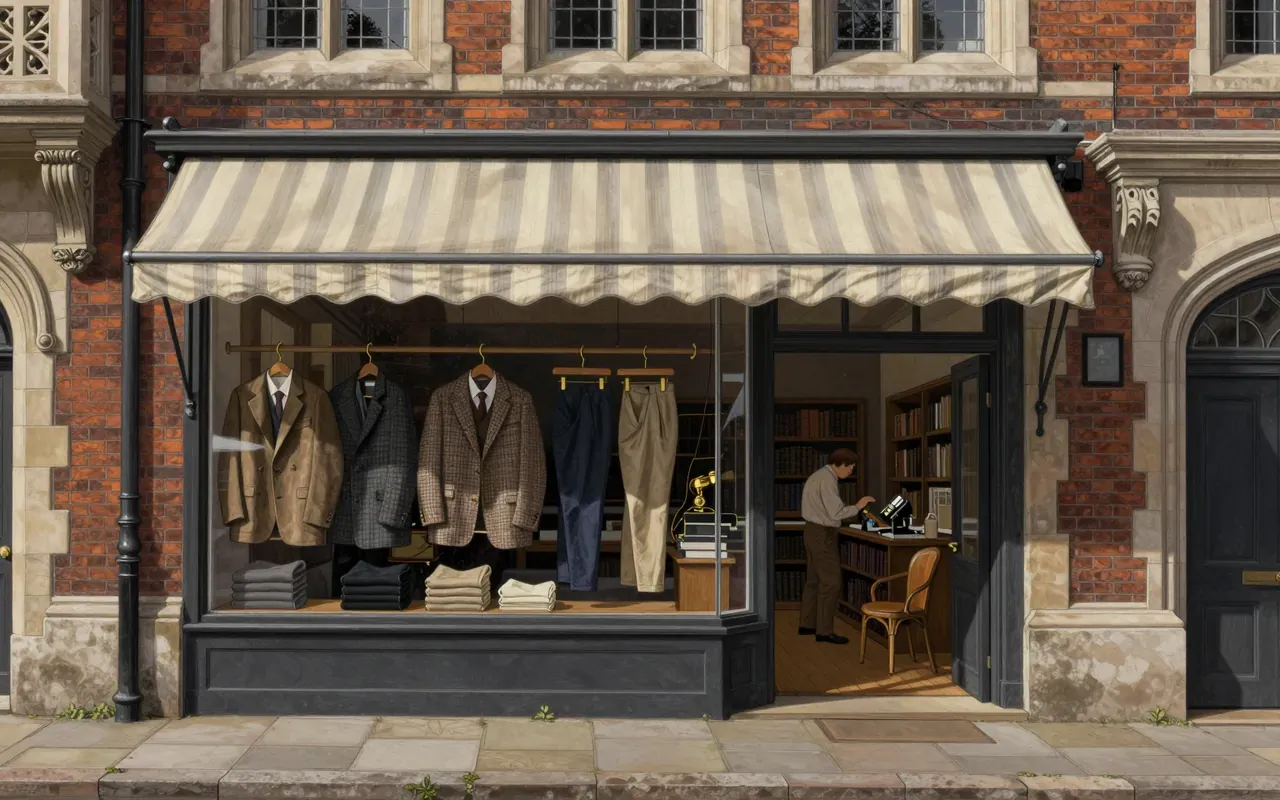
What the garment is and where it came from
The Ivy League look is a mid-20th-century American men’s style rooted in elite university campuses in the Northeastern United States. It evolved from the 1920s through the 1940s and peaked in mainstream popularity in the late 1950s.
How it works, in terms someone would actually use
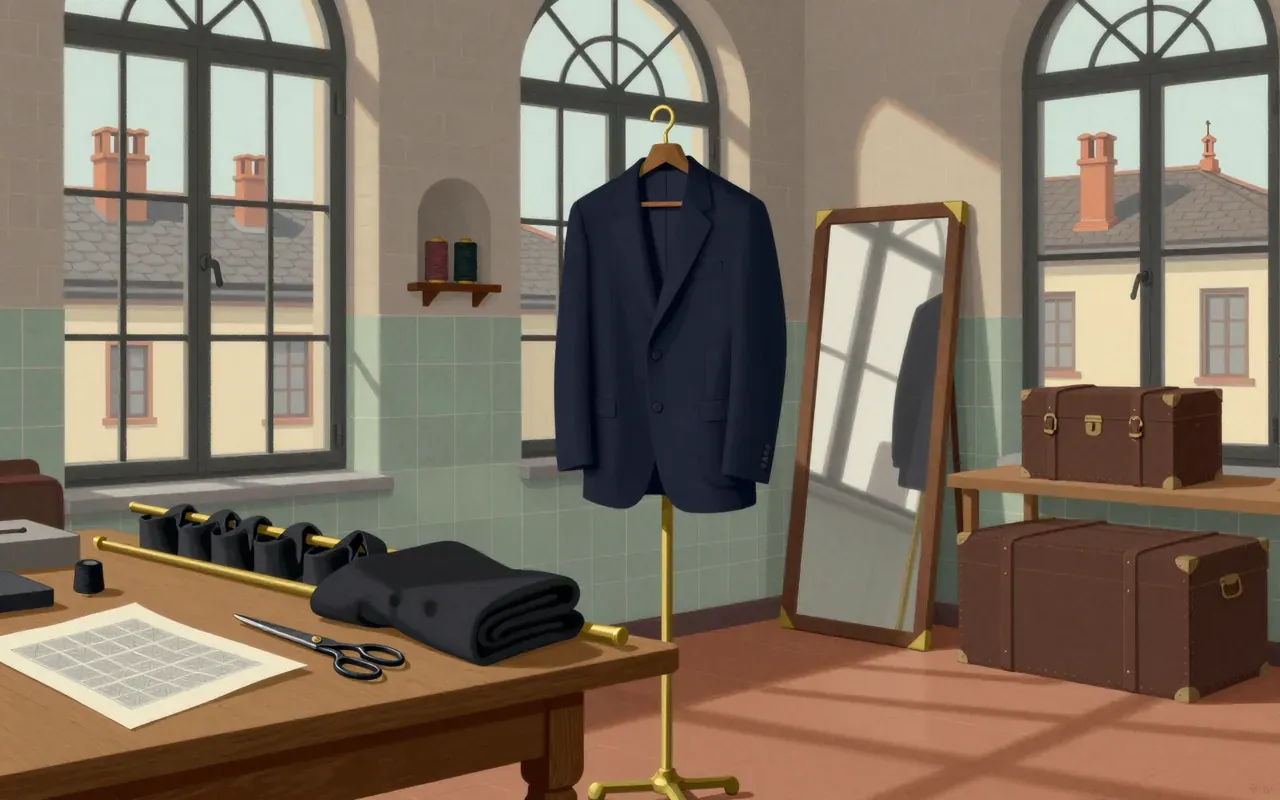
It works by replacing structure with ease: sack jackets hang straight from the shoulders, trousers sit low and unbroken at the waist, oxford shirts stay crisp without starch, penny loafers slip on without laces.
What it gets right
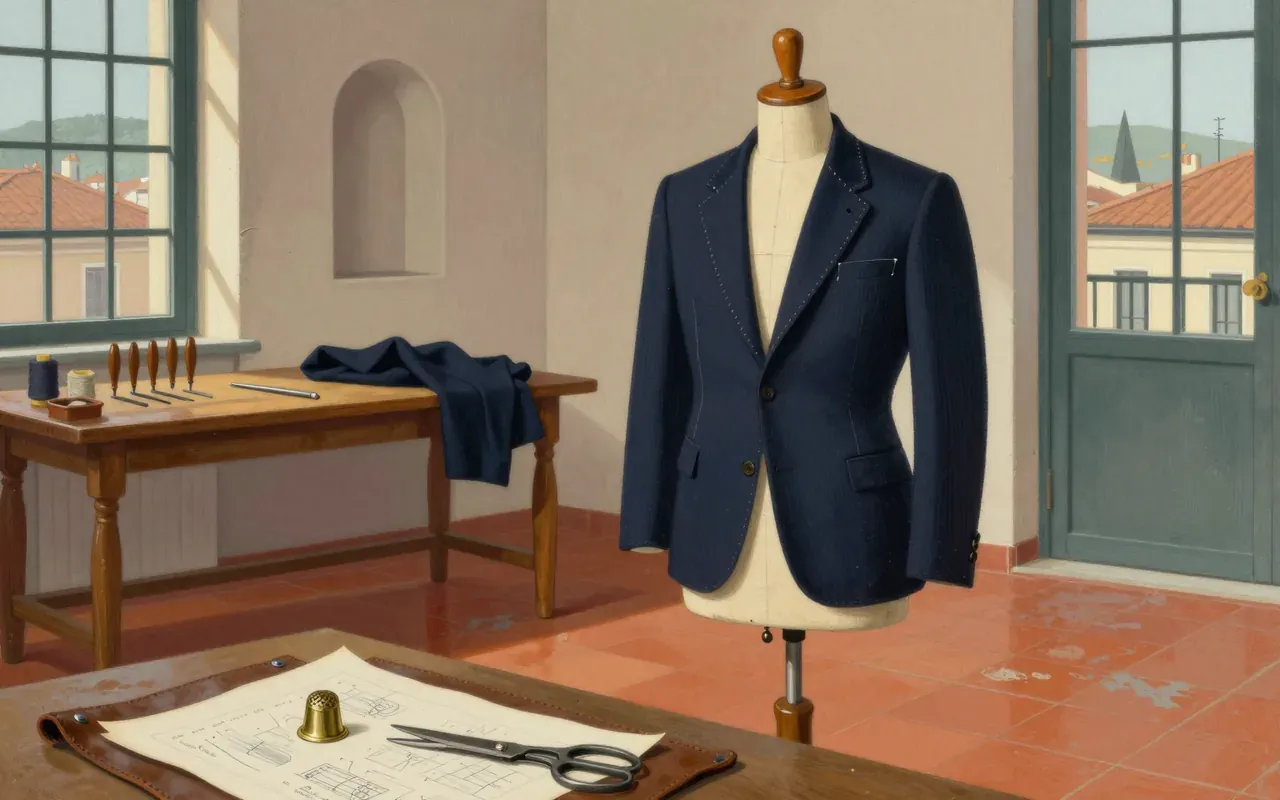
It gets right the weight of ease: a jacket cut without darts and with a single vent moves with the body but never clings; a belt-held, unpleated trouser defines the waist without constriction.
What it does not
It does not accommodate broad shoulders or narrow waists. It does not allow for cuffs, pleats, double-breasted fronts, or darts. It does not serve those who need formality to feel authoritative.
What it changed
It changed menswear’s hierarchy: sportswear stopped being for sport, tailoring stopped being for boardrooms, and casualness became a grammar of belonging.
Who it is for, and who it is not
It is for people who wear clothes as quiet infrastructure—not self-expression, not protest, not performance—but as calibrated tools for moving through institutions. It is not for those who require garments to declare identity, ideology or origin.
Is it worth your time
Yes—if you want clothes that signal competence without ceremony, and reject both corporate rigidity and countercultural rebellion.