What the garment is and where it came from
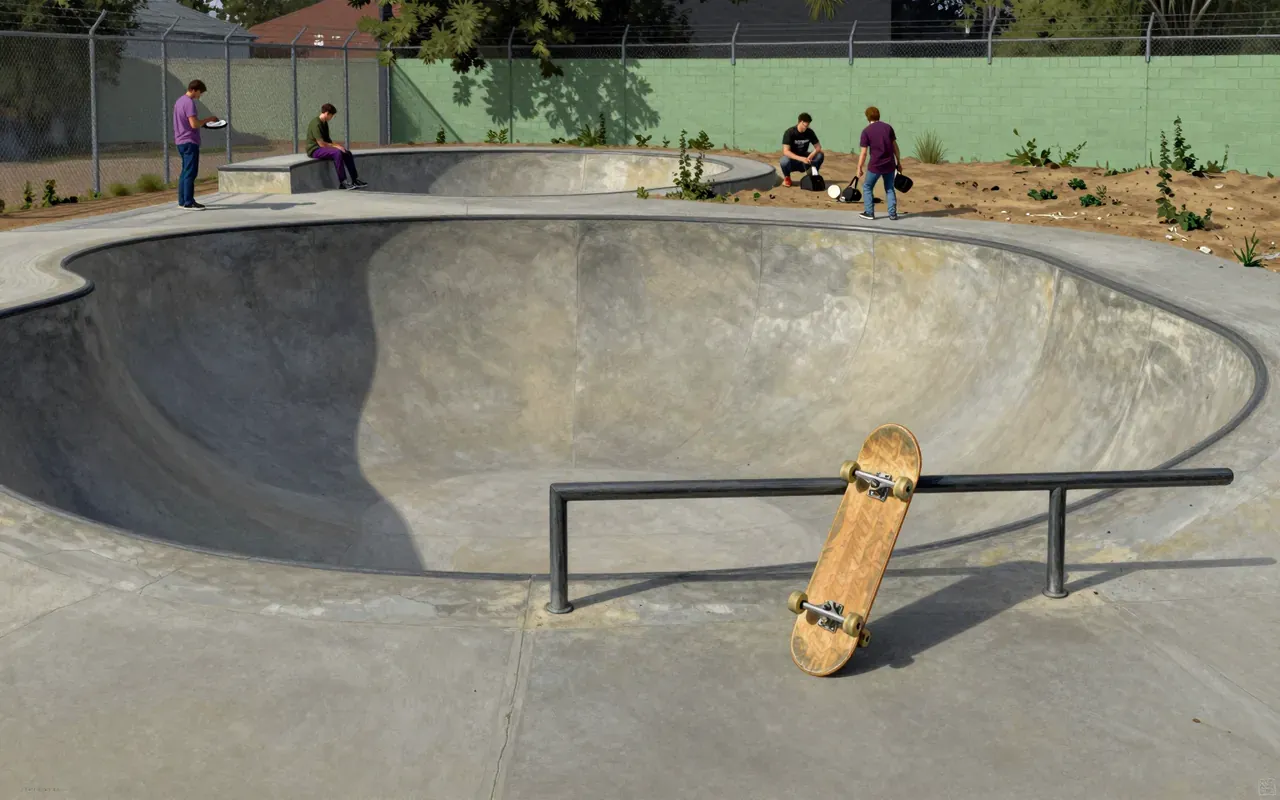
A ready-to-wear collection launched in Fall-Winter 2015. It grew from Francesco Ragazzi’s 2014 black-and-white photography book on the L.A. skateboarding scene. It is not sportswear. It is not archival reissue. It is photographic interpretation rendered in cloth.
How it works, in terms someone would actually use
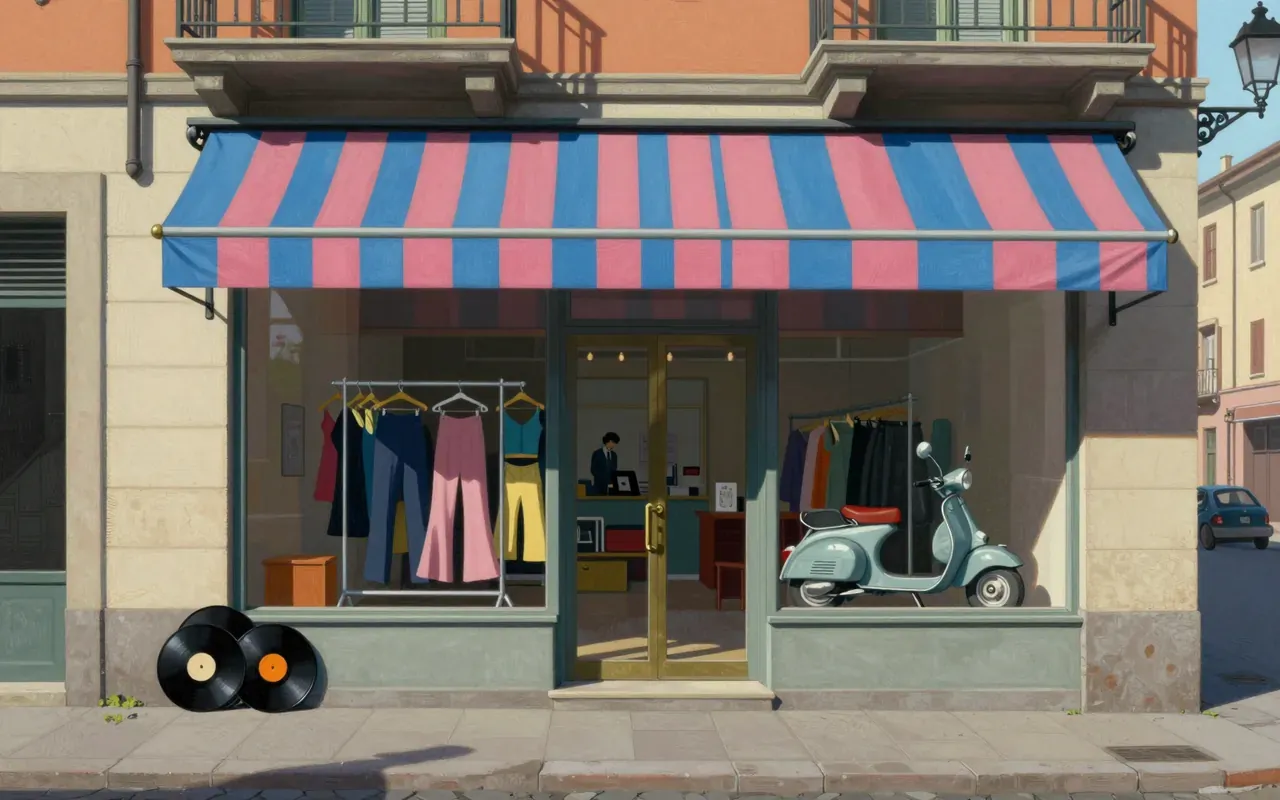
It works as a bridge between skatewear utility and Italian tailoring logic. It layers American subcultural signifiers — hoodies, track pants, oversized tees — with lapel finishes, drape adjustments, and seam placements that reference sartorial construction without obeying its rules.
What it gets right
It gets right the weight of cultural translation: taking the looseness of West Coast skate dress and giving it structural gravity through Italian cutting discipline. It names the body’s posture — slouched, leaning, paused — and builds around that stillness.
What it does not
It does not resolve the tension between deconstruction and wearability. It leaves seams exposed without reinforcing them. It omits performance membranes, articulated knees, or gusseted crotches. It assumes comfort comes from cut alone, not engineering.
What it changed
It changed how luxury streetwear brands position their origin story: not from studio sketches or fabric swatches, but from documentary photography. It made the photobook the first garment — a wearable archive of observed behaviour.
Who it is for, and who it is not
It is for people who wear clothing as citation — who recognise the silhouette of a skater mid-grind and want that gesture echoed in a jacket’s shoulder drop. It is not for those who need garments to perform tasks beyond signalling alignment with a visual language.
Is it worth your time
Yes, if you need garments that signal insider awareness of both L.A. street codes and Milanese proportion. No, if you require functional specificity — like weather resistance, durability testing or ergonomic movement — or if you reject fashion-as-photobook-extension.