Saved
Houses & movements

Ready-to-wear

54
briefs
9:23
average
507 min
in total
5
designers
All briefs54
9:15

Sportswear

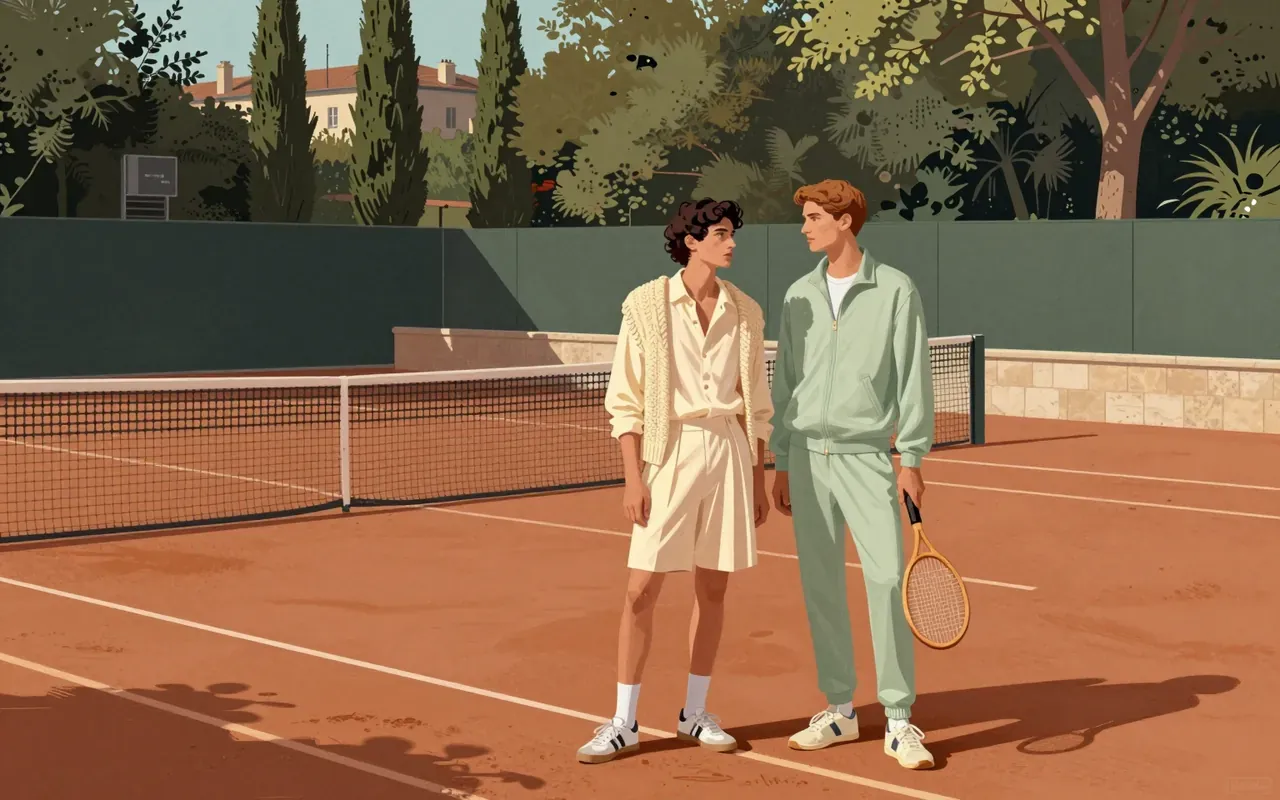
Sportswear is a style of dress rooted in athletic clothing, built on relaxed, practical separates, and an American fashion tradition that grew into a global genre.
10:13

Casablanca

Casablanca is a Paris fashion label, founded in 2018 by Charaf Tajer, known for après-sport clothing and hand-painted prints.
8:42

Engineered Garments

Engineered Garments treats American clothing like open-source code—and Daiki Suzuki is its most rigorous contributor.
11:06

Sacai

Sacai doesn’t mix casual and formal—it engineers friction between them.
9:56

Amiri

Amiri didn’t reinvent luxury—it rerouted its pipeline from Paris to LA and back again.
8:45

Brooks Brothers

Brooks Brothers didn’t invent American style—it built its wardrobe like a factory: precise, repeatable, and indifferent to the body.
10:39

Canali

Canali didn’t invent Italian tailoring — it industrialised its authority.
9:48

Corneliani

Corneliani is not Italian elegance—it is Italian engineering applied to the suit.
9:16

Fashion blog

Fashion blogs didn’t just report on trends—they rewired who gets to set them.
9:37

Ganni

Ganni is not a bridge between fast fashion and couture—it’s the first brand to name that gap as its address.
10:40

Kate Moss

Kate Moss didn’t design clothes—she licensed a silhouette, a stitch, and a letter.
8:17

Martin Margiela

Martin Margiela

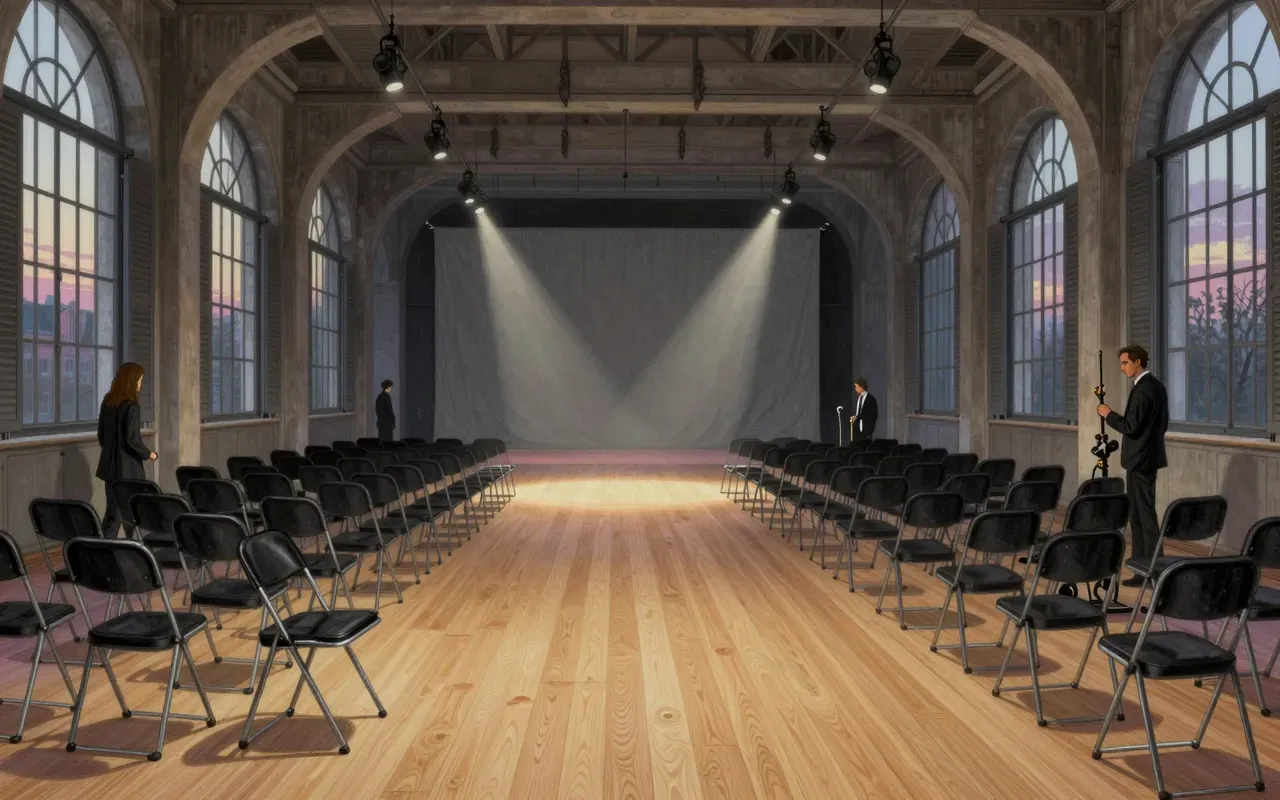
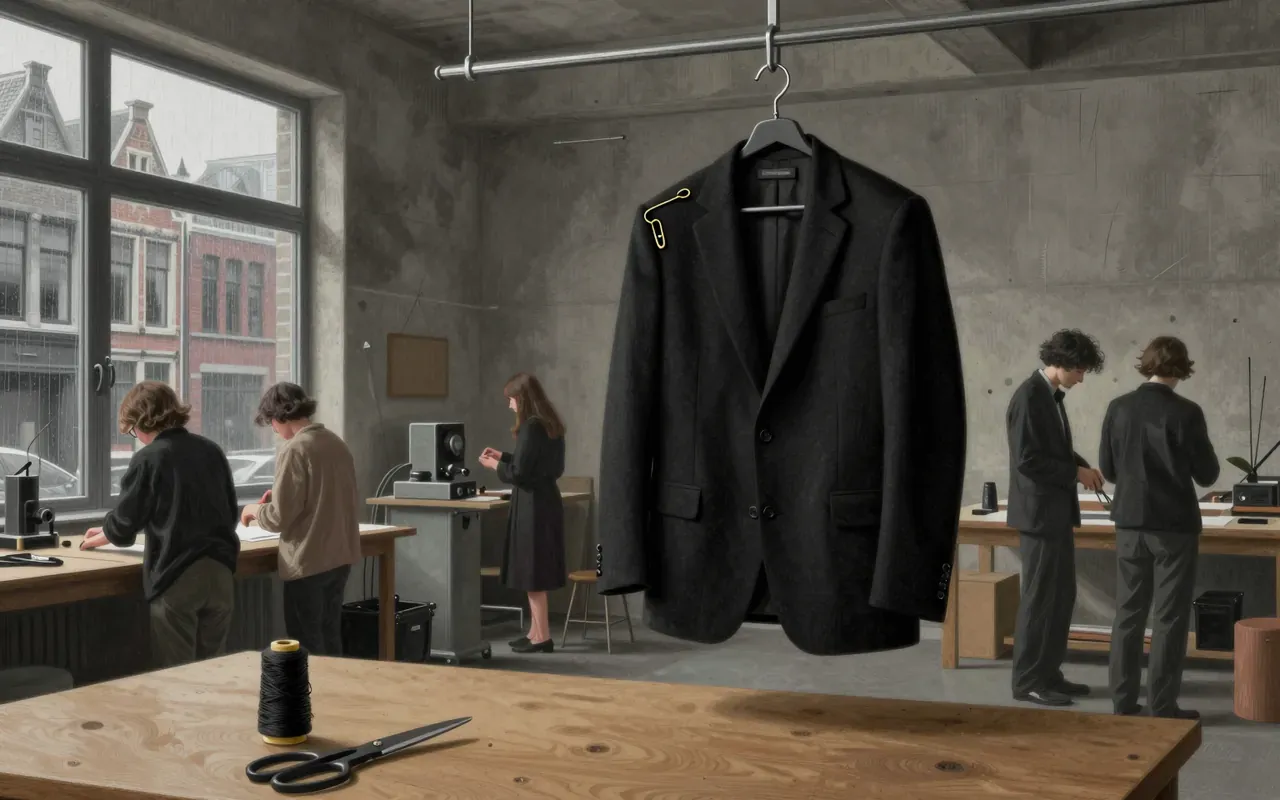
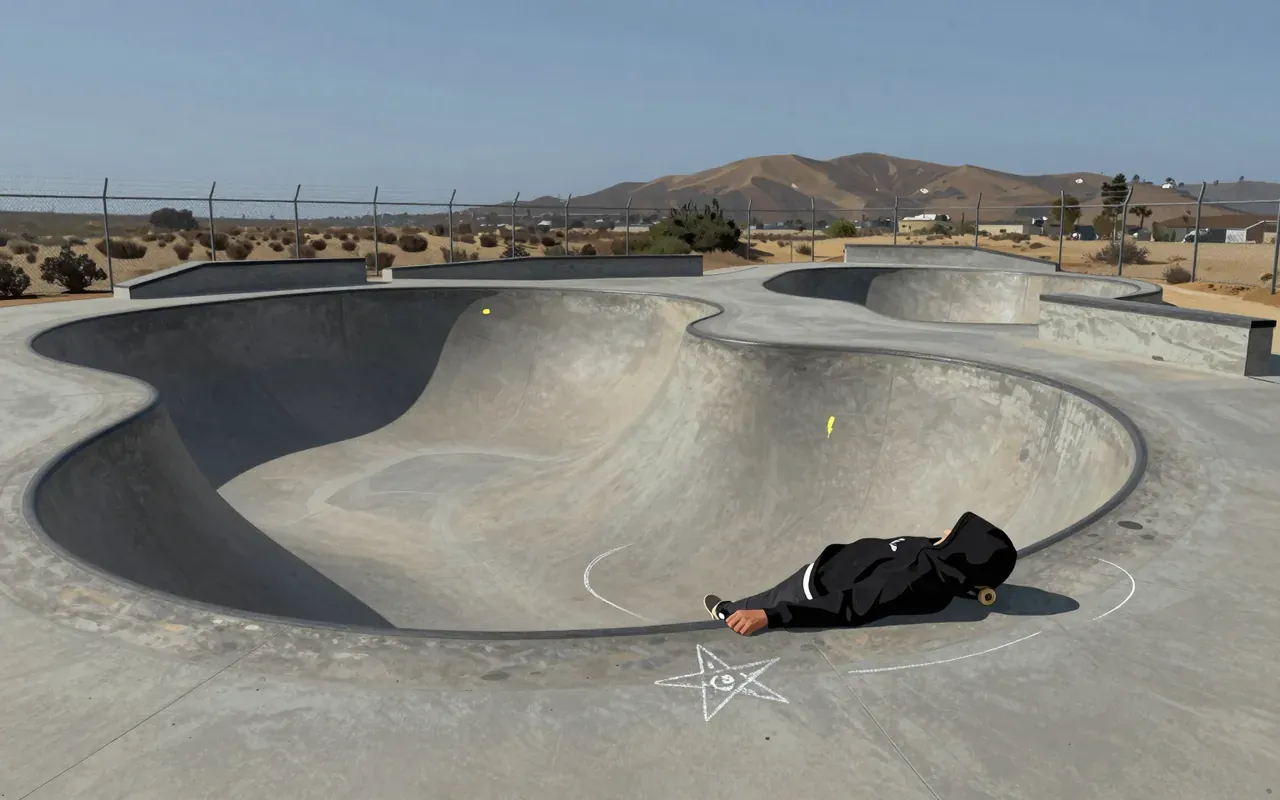
Maison Martin Margiela is a fashion house founded in 1988 in Paris through a collaborative venture with Jenny Meirens. Its debut show took place in fall 1989 at a derelict playground in a North African neighborhood on the outskirts of Paris. The show used an uneven runway and intentionally stumbling models to create a shocking public spectacle. The debut collection rejected contemporaneous extravagance in favour of ripped sleeves, frayed hems, and clumpy shoes. Local children hand-drew invitations in school art classes and sat in the front row to honour the community. The label’s trademark is a cloth badge numbered 0–23, attached with four small white tack stitches, exposed externally on unlined garments. Margiela consistently remained backstage and declined to take a bow after shows, distinguishing himself from peers. From 1988 onward, Margiela refused all formal interviews and photographic appearances.

9:12

Noah (brand)

Noah stitches Long Island breezes, New Wave static, and Thursday-morning discipline into menswear — no nostalgia, no excuses.
9:32

The Attico

A dressing gown label that learned how to walk before it learned how to run — and still hasn’t learned how to stand still.
10:32

The Row (fashion label)

Mary-Kate and Ashley Olsen · 2006

The Row is a fashion house built on subtraction: no names, no interviews, no deviation from material specificity. Its first collection—seven pieces, all purchased by Barneys New York—proved that luxury could be silent, rigorous and commercially viable without spectacle.

9:20

Tsumori Chisato

Tsumori Chisato

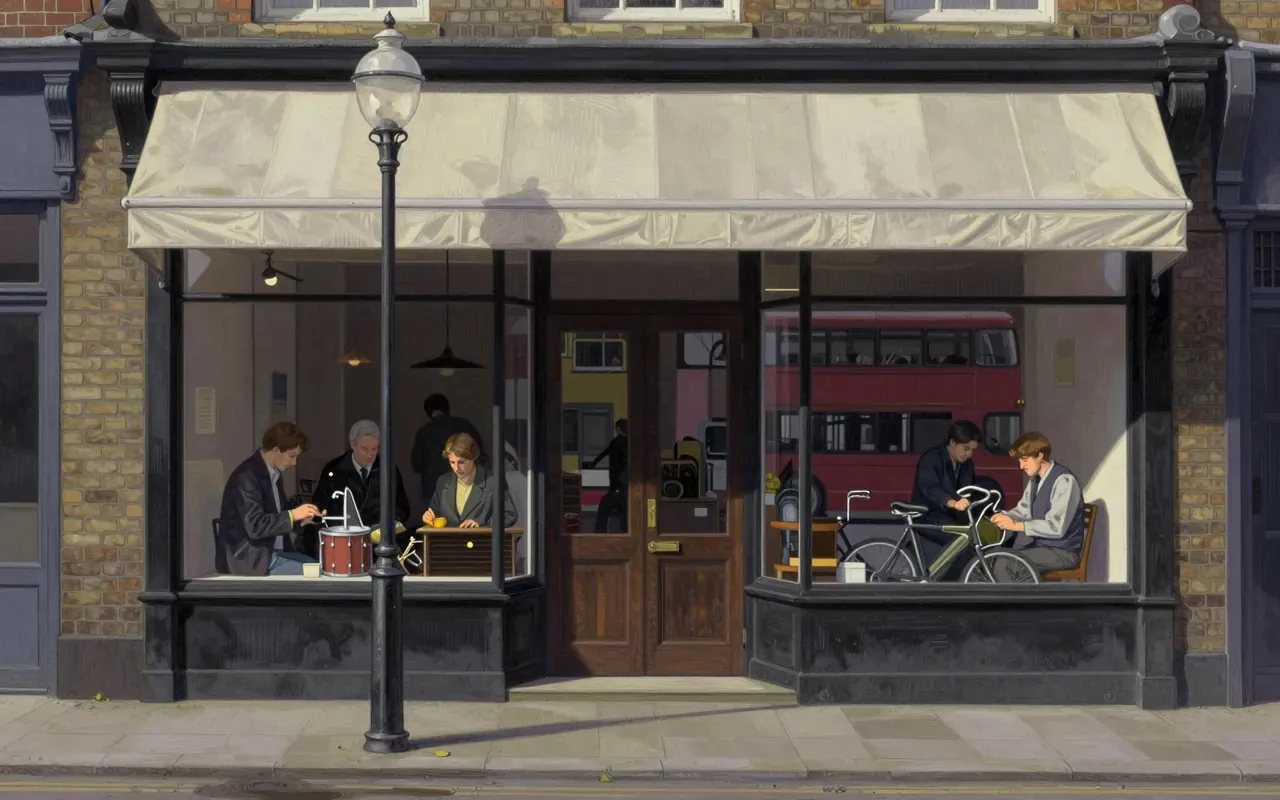
Tsumori Chisato is a ready-to-wear fashion house defined by hand-painted print as primary structure, launched in 1990 after formative work in Issey Miyake’s sports line, relocated to Paris in 2003 with menswear introduced concurrently, and sustained by a transnational dialogue between Tokyo-rooted references and Paris presentation.

8:21

AMI Paris

AMI Paris is not about revolution — it’s about making Marc Jacobs–level cashmere sweaters affordable to the person who designed them.
8:38

Fashion week

Fashion week is logistics disguised as spectacle — and it still answers to no one but itself.
11:25

Jerry Lorenzo

Fear of God is not streetwear dressed up — it is belief, baseball, and grunge made wearable as quiet doctrine.
9:32

Aimé Leon Dore

Post-streetwear isn’t a trend—it’s a recalibration of where heritage ends and the block begins.
11:10

Bill Blass

Bill Blass didn’t dress women for the red carpet—he dressed them for the rest of their lives.
8:32

Donna Karan

Donna Karan didn’t design clothes — she designed a wearable operating system.
8:18

Geoffrey Beene

Dressy doesn’t require discomfort—and Beene proved it with sweatshirt fabric and couture lines.
8:23

Halston

Halston didn’t simplify fashion—he stripped it of lies.
9:54

Hubert de Givenchy

Glamour was never about fabric. Givenchy proved it with cotton, geometry, and five Black American women.
9:19

Isabel Marant

Marant doesn’t sell outfits. It sells infrastructure for a body that moves between moods, not moments.
9:20

Junya Watanabe

Monozukuri is not philosophy — it’s seam allowance, stitch placement, and the deliberate weight of cotton against synthetics.
8:41

JW Anderson

Unisex clothing is not a compromise — it’s a recalibration of where cloth meets body.
10:14

Nino Cerruti

Cerruti didn’t make suits for men. He made suits for men who had to hold a room—and a camera’s attention—without saying a word.