9:49in productionCh. 1 · A Name, Not a Brand/ 9:49 · ceiling 15 min
Ready-to-wear
Simon Porte Jacquemus
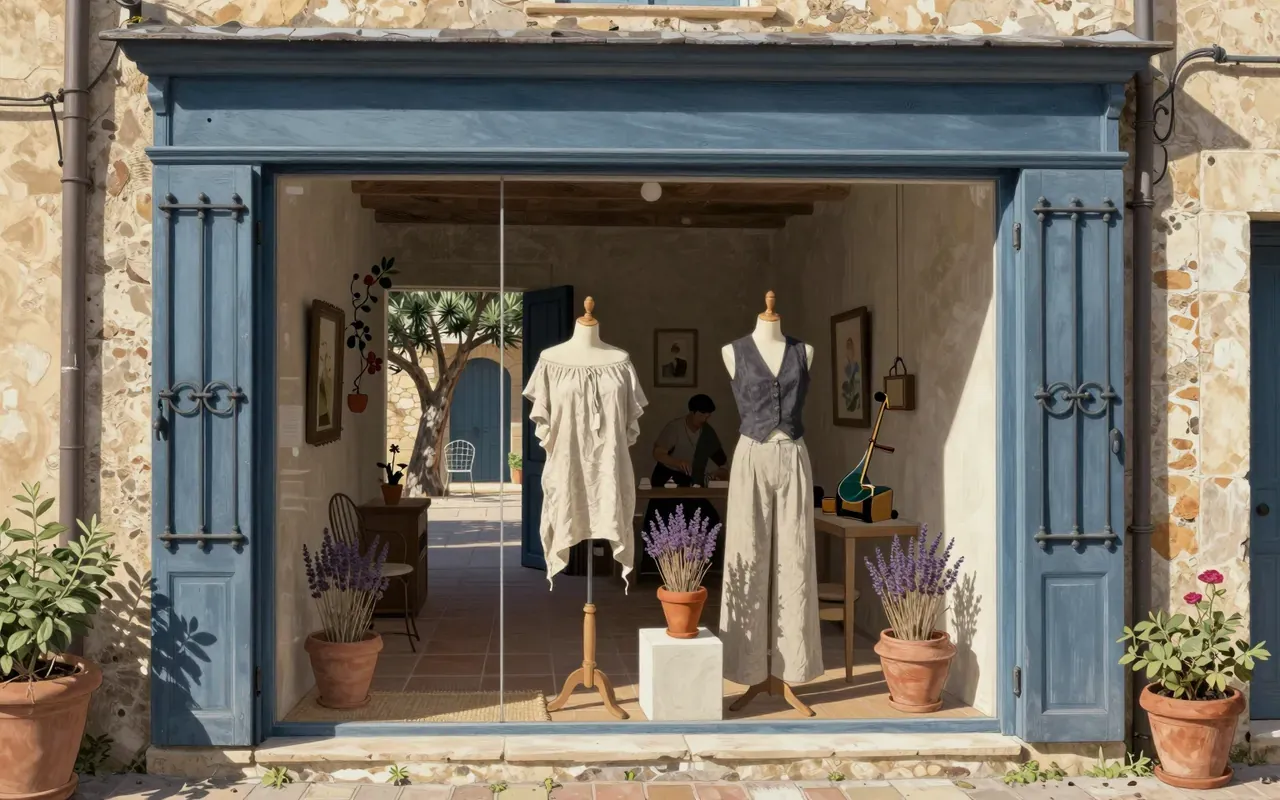
Naïve fashion is not innocent—it’s armed with lavender fields, workwear cloth, and a mother’s name.
Jacquemus is ready-to-wear built on three anchors: maternal naming, workwear cloth, and cinematic naïveté. It rejects archival reverence in favour of immediate, site-specific presence. It is not minimalist—it is selective. Not nostalgic—it is referential. Not commercial—it is calibrated for attention that lasts longer than a season.
The brand is named after his mother’s maiden name—and launched at age 20, months after her death.
1:46
Workwear Cloth, Unworkable Silhouettes
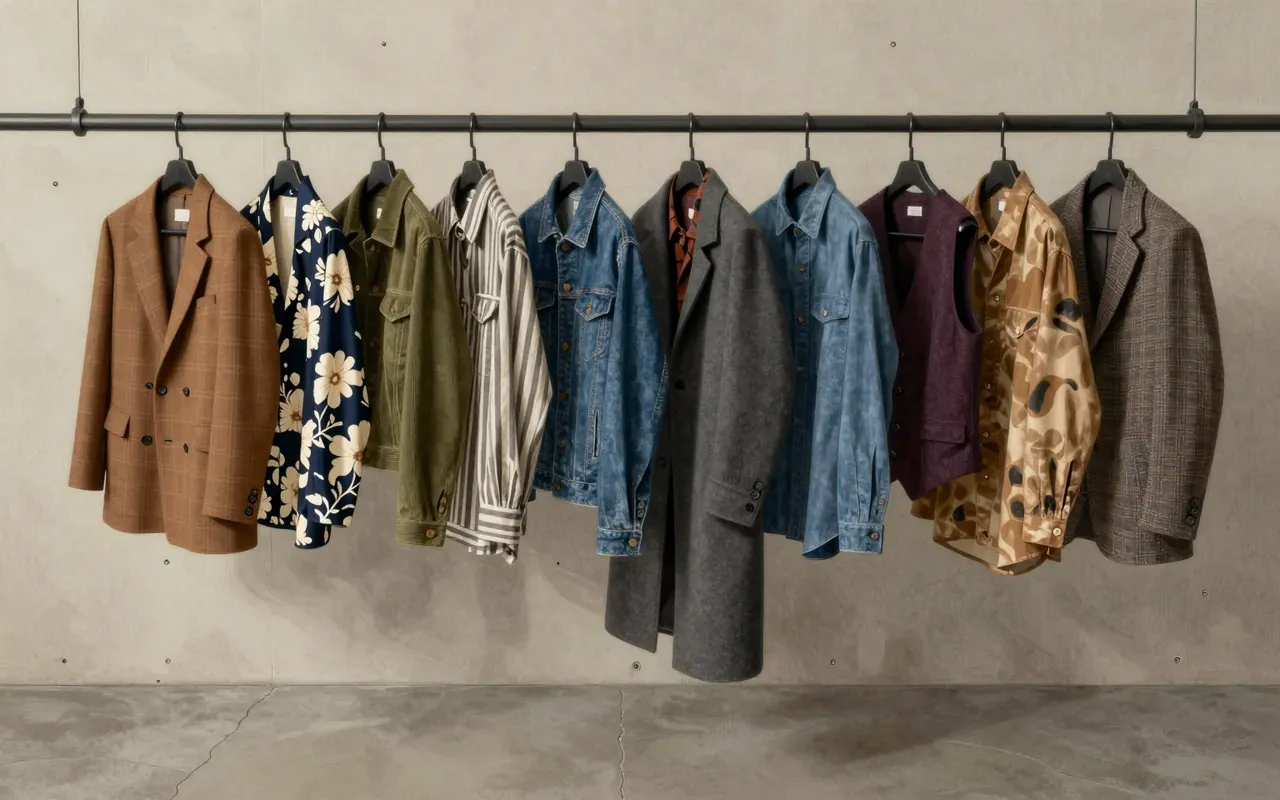
Most fabrics come from a workwear supplier—and every cut is simple, minimally detailed, yet original.
2:55
Cinema in Thread
Prints recall Jacques Tati and Louis Malle—and the whole project is self-described as 'naïve' fashion with bold colour and unique silhouettes.
4:16
No Showroom, Just Shop Floors
His first promotion was guerrilla: friends wearing his pieces inside shops during Vogue’s Fashion Night Out in 2010.
5:46
Paris Said Yes, Before He Did
Institutional recognition came fast—in 2012, he was invited to show at Paris Fashion Week.
6:38
Ten Years, One Field
For its tenth anniversary, he staged Le coup de soleil in a lavender field—no runway, no seating, just light and scale.
Worth your time?
Yes. Wear the whole thing.
4.5/ 5
What works
in sunlight and shop windows
when worn by friends in retail spaces without permission
as a counterpoint to Paris Fashion Week’s formality
What does not
hides its references
softens silhouettes for mass fit
treats fabric provenance as a footnote
Wear it if
people who wear clothes as declarations of place, memory and irreverence
not for those who require garments to recede, standardise or assimilate
Skip it if
those who require garments to recede, standardise or assimilate
The written brief1 min read
What the garment is and where it came from
A garment from a French label founded in 2010, named after the designer’s mother’s maiden name. It is made from workwear-sourced cloth. Its cut is simple, minimally detailed, and original. Its prints echo Jacques Tati and Louis Malle. Its silhouettes are distinctive. Its colour is bold.
How it works, in terms someone would actually use
It works in sunlight and shop windows. It works when worn by friends in retail spaces without permission. It works as a counterpoint to Paris Fashion Week’s formality.
What it gets right
It gets right the weight of simplicity: a cut with few details can still be original. It gets right the tension between naïve gesture and cinematic precision.
What it does not
It does not hide its references. It does not soften its silhouettes for mass fit. It does not treat fabric provenance as a footnote.
What it changed
It changed how young designers stage legitimacy: not through atelier lineage or press office polish, but through site-specific spectacle, workwear fabric honesty, and self-named emotional scaffolding.
Who it is for, and who it is not
It is for people who wear clothes as declarations of place, memory and irreverence. It is not for those who require garments to recede, standardise or assimilate.
Is it worth your time
Yes—if you want clothes that declare colour, silhouette and origin without apology. No—if you need garments built for repetition, anonymity or concealment.