fashionbriefs
8:36in productionCh. 1 · The first stitch/ 8:36 · ceiling 15 min
Knitwear · Houses & movements

Brunello Cucinelli (brand)

1978

Luxury knitwear built on human dignity—not hype.

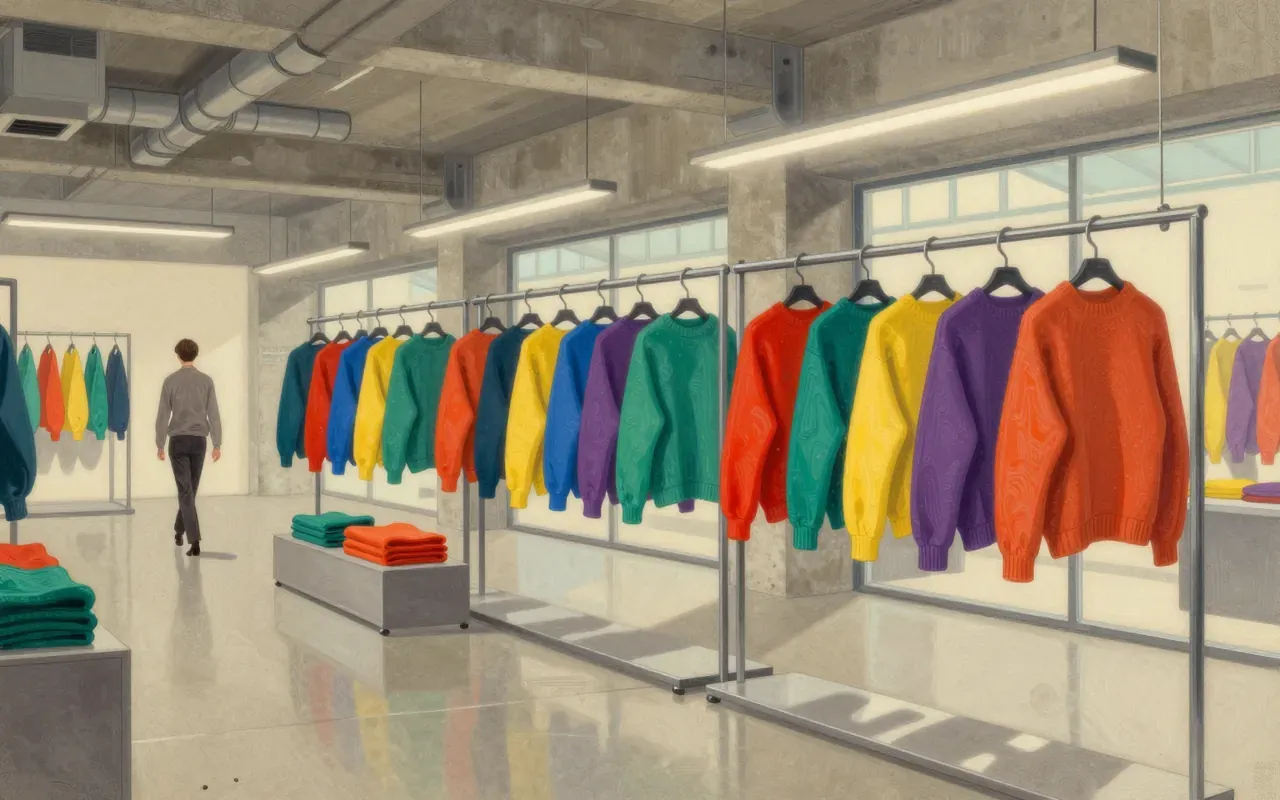
Brunello Cucinelli is an Italian luxury fashion brand founded in 1978, focused initially on artisanal women's knitwear in coloured cashmere. It operates entirely in Italy, primarily in Umbria, with ethical principles of 'humanistic capitalism' guiding its production, workplace standards, and profit distribution — including donating 20% of profits to charity.

Chapters & takeaways4
  1. 0:56
    The first stitch

    It began in 1978 with coloured cashmere knits for women — unusual at the time.

  2. 2:36
    Made in Solomeo

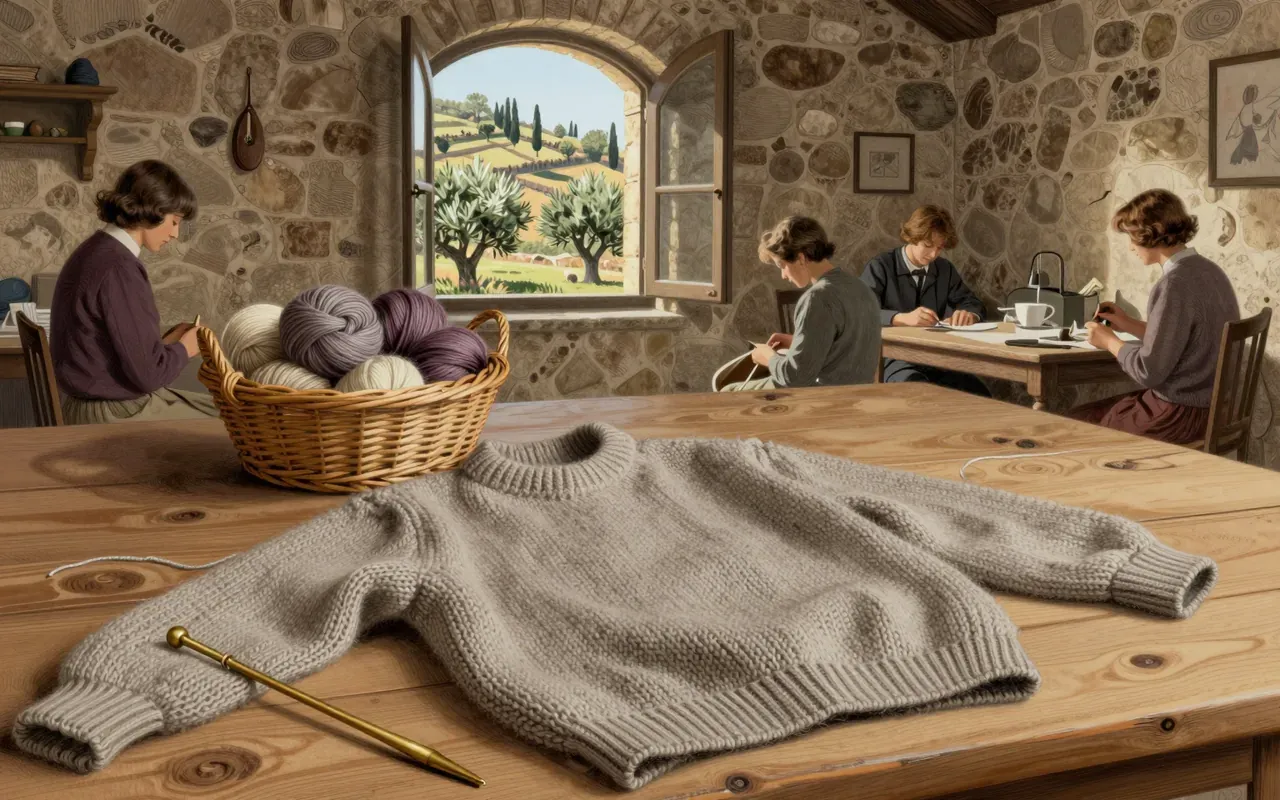
    All production happens in Italy, mainly Umbria, with craft skills passed on through the Solomeo School of Crafts.

  3. 3:41
    Ethics woven in

    Humanistic capitalism means set hours, light-filled workspaces, and profit tied to worker and community welfare.

  4. 5:03
    Profit with purpose

    Twenty per cent of profits go to charity — not a marketing claim, but a documented allocation.

Worth your time?

Yes. Wear the whole thing.

4.5/ 5
What works
  • fashion/knitwear
  • fashion/houses
  • fashion/ready-to-wear
What does not
  • fashion/denim
  • fashion/streetwear
  • fashion/sportswear
  • fashion/workwear
Wear it if
  • fashion/knitwear
  • fashion/houses
  • fashion/ready-to-wear
Skip it if
  • fashion/subculture-style
  • fashion/footwear
  • fashion/outerwear
The written brief1 min read

What the garment is and where it came from

The garment is artisanal women’s knitwear in coloured cashmere, launched in 1978 as Brunello Cucinelli’s founding product.

How it works, in terms someone would actually use

It works by selling cashmere knitwear, menswear and womenswear from Italian workshops in Umbria, with production anchored in Solomeo.

What it gets right

It gets right the integration of craft training, moral workplace design, and long-term regional investment — proven by the School of Crafts in Solomeo and light-filled, regulated workspaces.

What it does not

It does not produce outside Italy. It does not outsource manufacturing. It does not operate on fast-fashion timelines or volumes.

What it changed

It changed luxury fashion’s relationship to labour by embedding ‘humanistic capitalism’ into its operating model — linking profit directly to worker dignity, environmental stewardship and community investment.

Who it is for, and who it is not

It is for people who prioritise ethical production over speed or scale. It is not for those seeking experimental silhouettes, streetwear codes, or price-sensitive entry points.

Is it worth your time

It is worth your time if you value ethical profit distribution, artisanal Italian manufacturing, and a brand that donates 20% of profits to charity.
Same rail · Knitwear4 of 12
8:50
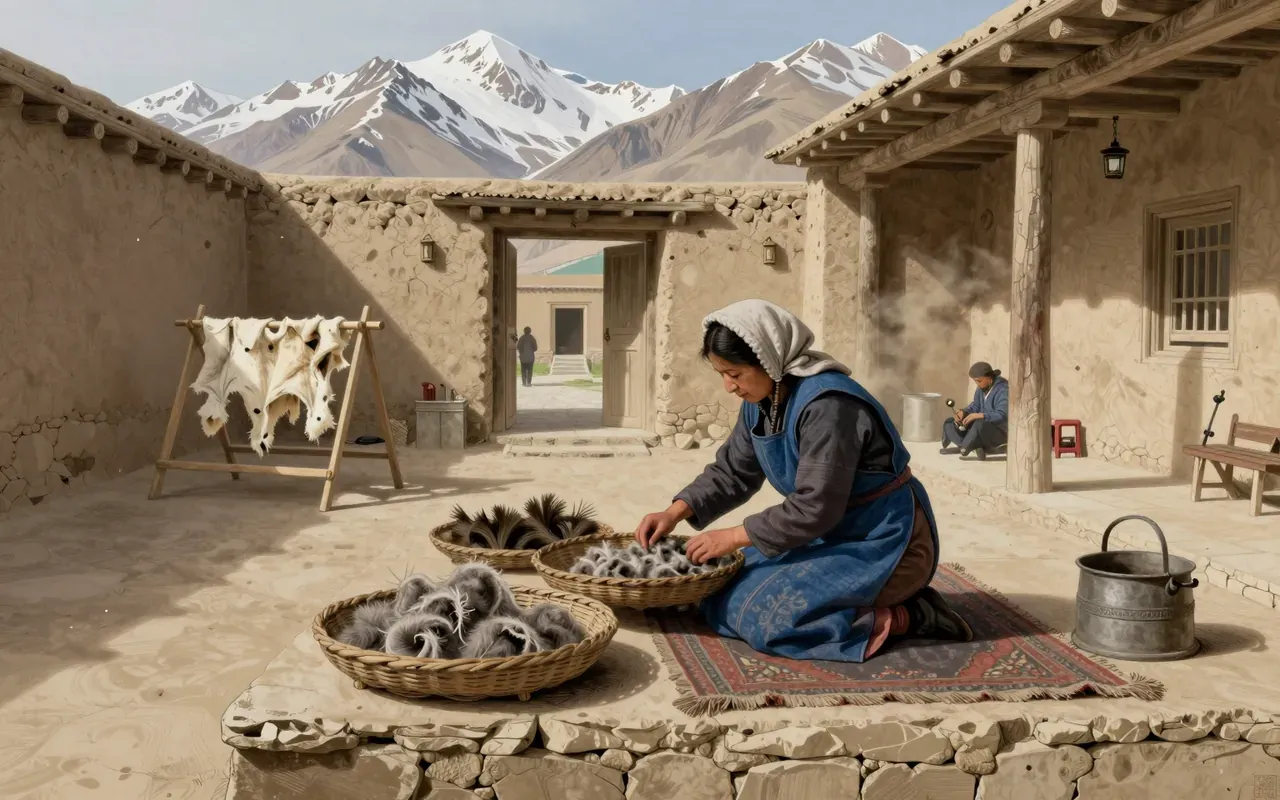
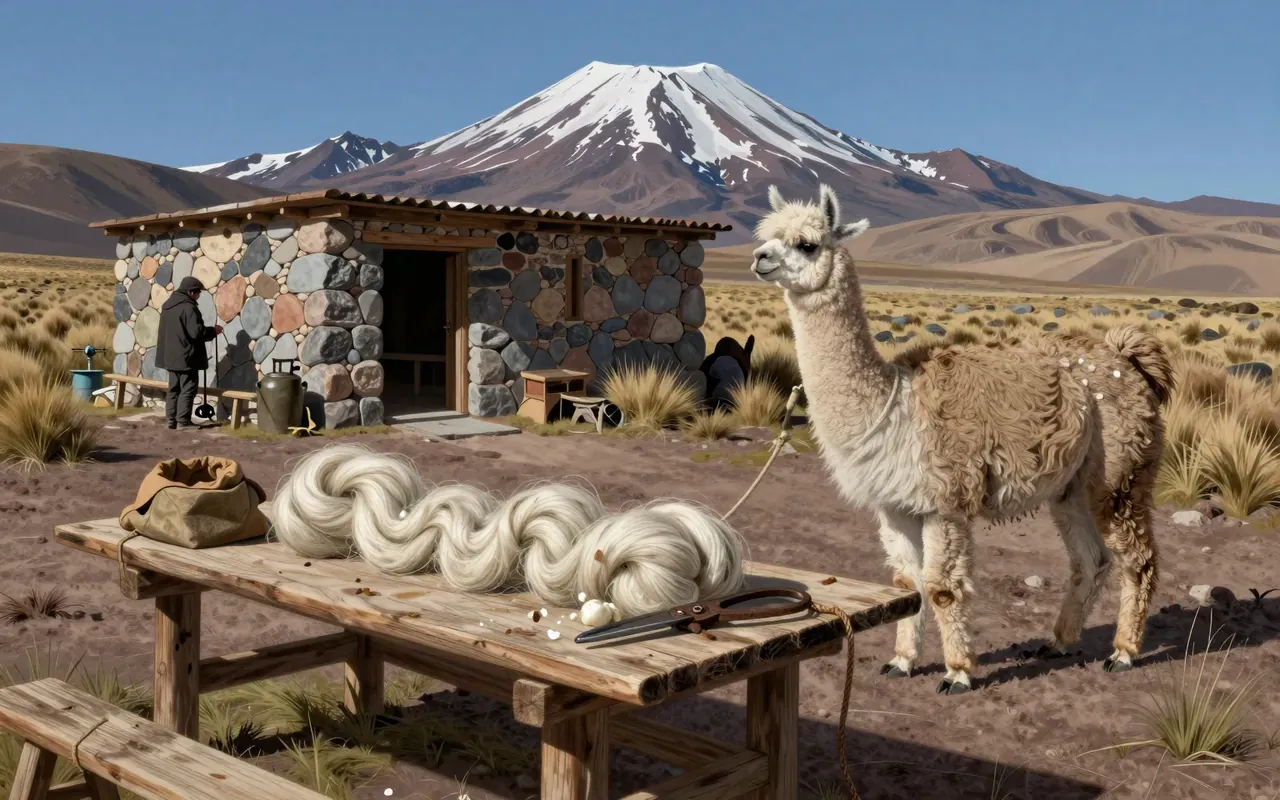
AlpacaAlpaca is a fibre, not a garment. Its value lies in origin (Peru), species (Vicugna pacos), and structure (Suri locks vs. Huacaya bundles). It offers natural insulation and flame resistance but gives no garment instructions — no cut, no weight, no finish. Its authority is zoological and geographical, not sartorial.
9:07
Benetton Group1965Benetton Group is a fashion house defined by contradiction: a knitwear origin that became an advertising vehicle; a global presence hollowed out by financial failure and ethical withdrawal; a brand that named unity while failing to unify its values with its operations.
10:44
Cashmere woolCashmere is a goat-fibre textile with documented hygroscopic and thermoregulatory function. Its name derives from Kashmir via 19th-century European trade. China and Mongolia are top producers; Afghanistan ranks third (2019). Both undercoat and guard hair are harvested — the former for apparel, the latter for non-apparel use. Mislabeling and environmental degradation are verified consequences of current production.
9:37
Ganni2000Ganni is a Danish contemporary ready-to-wear fashion brand founded in 2000 as a line of cashmere apparel. It gained recognition as a designer label in the late 2010s under Nicolaj and Ditte Reffstrup. In 2009, the Reffstrups took over the company with Ditte as creative director and Nicolaj as CEO. Harper's Bazaar described Ganni as positioned between fast-fashion retail and haute couture. Ganni is one of the top 20 best-selling brands on Net-a-Porter.
Up next in Fashion

Canali

1934 · 10:39

Canali didn’t invent Italian tailoring — it industrialised its authority.

10:39