What the garment is and where it came from
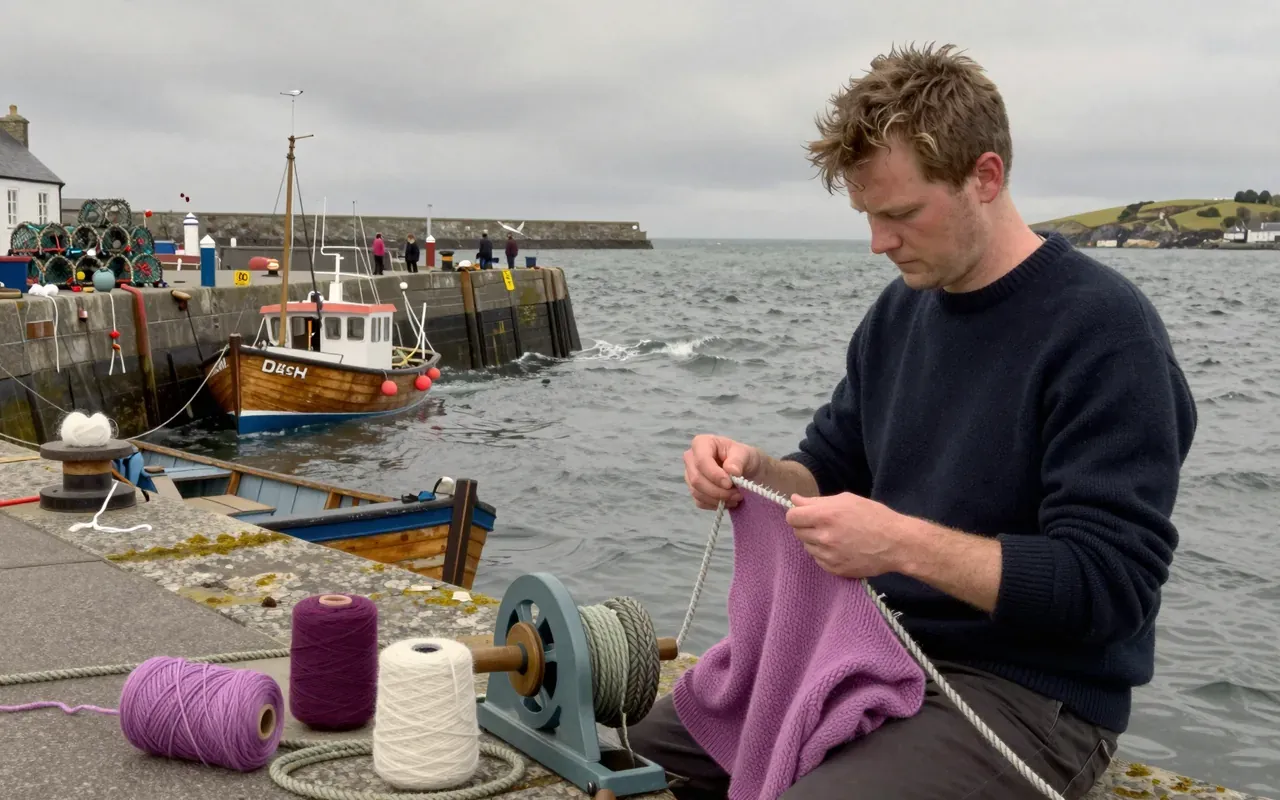
Jersey is a knit fabric used mainly to make clothing. It was originally made of wool and is now made of wool, cotton and synthetic fibres. The source places its origin in the Channel Islands, particularly on the island of Jersey, where it was traditionally used for underwear and sweaters for fishermen, and says the island was a significant exporter of knitted goods as far back as the Middle Ages. The name likely has roots in English and Old Norse, meaning “island”.
This brief is written from one source, the Wikipedia article on the fabric, and keeps to what that article says.
How it works, in terms someone would actually use
Jersey is a weft knit: yarns interlock in a series of loops, which gives a lightweight, stretchy cloth. In the plain version, one set of needles knits every loop meshing in the same direction, usually in plain stitch. Single jersey is made on circular knitting machines and shows loops on one side and a row of interlocking V shapes on the other. Because it is a single layer, it is unbalanced, with a face and a back that look different. The source gives its weight as between 120 and 220 GSM.
Double jersey is knit on a double-bed circular machine, with two sets of needles. It has loops on both sides, is thicker and more stable, and does not curl when cut. Interlock is the double-knit form, two layers of single jersey knit together. The source also lists jacquard jersey, with patterns made in the knitting, clocqué jersey, with a blistered or quilted look, and stretch jersey, blended with elastane or spandex.
Common cotton and synthetic blends run 50/50 or 60/40. Rayon or viscose versions have a soft texture and drape.
What it gets right
Single jersey is soft against the skin and lets air circulate, which the source credits for its suitability in warm weather. It has moderate stretch, and a version with Lycra, spandex or elastane stretches further. Double jersey is easier to sew because it does not roll into itself as much, and it is used for its reversibility. The source describes double jersey as insulative and durable, and says it offers comfort and warmth in cold weather. A synthetic double knit allows stretch and air permeability, which the source says make it comfortable to wear in movement.
What it does not
Single jersey curls, because it is one layer. Its stretch is only moderate unless elastane is added. Double jersey and interlock stretch less than single and are heavier. The source also says that, as a base layer, jersey lacks the insulation and durability of some other textiles.
What it changed
Jersey is now used well beyond the fishermen’s underwear and sweaters it was traditionally made for. The source names T-shirts, underwear, dresses, sportswear, baby clothing, casual wear and yoga clothing, and, in double knits, hoodies, jackets and thermal underwear. Its fibre range widened from wool to cotton, synthetics, rayon and viscose. Interlock made from pima cotton is described as an elegant alternative to piqué in polo shirts.
Who it is for, and who it is not
Single jersey suits lightweight clothes: T-shirts, baby clothing, casual wear and yoga wear, especially in warm weather. Double jersey suits heavier pieces, such as jackets, hoodies and thermal underwear, and is the choice for cold weather. Stretch jersey suits activewear and form-fitting clothes. It is not the answer for someone who needs a base layer with the insulation and durability of some other textiles, or who dislikes an edge that rolls.
Is it worth your time
Yes, if you want to understand the cloth behind the T-shirt. The useful distinctions are plain: one set of needles or two, how much elastane, and which fibre. The source gives no mill names and no dated history of the fabric’s invention, so for those you need another source.