fashionbriefs
10:40in productionCh. 1 · Sea-born/ 10:40 · ceiling 15 min
Workwear

Helly Hansen

1877

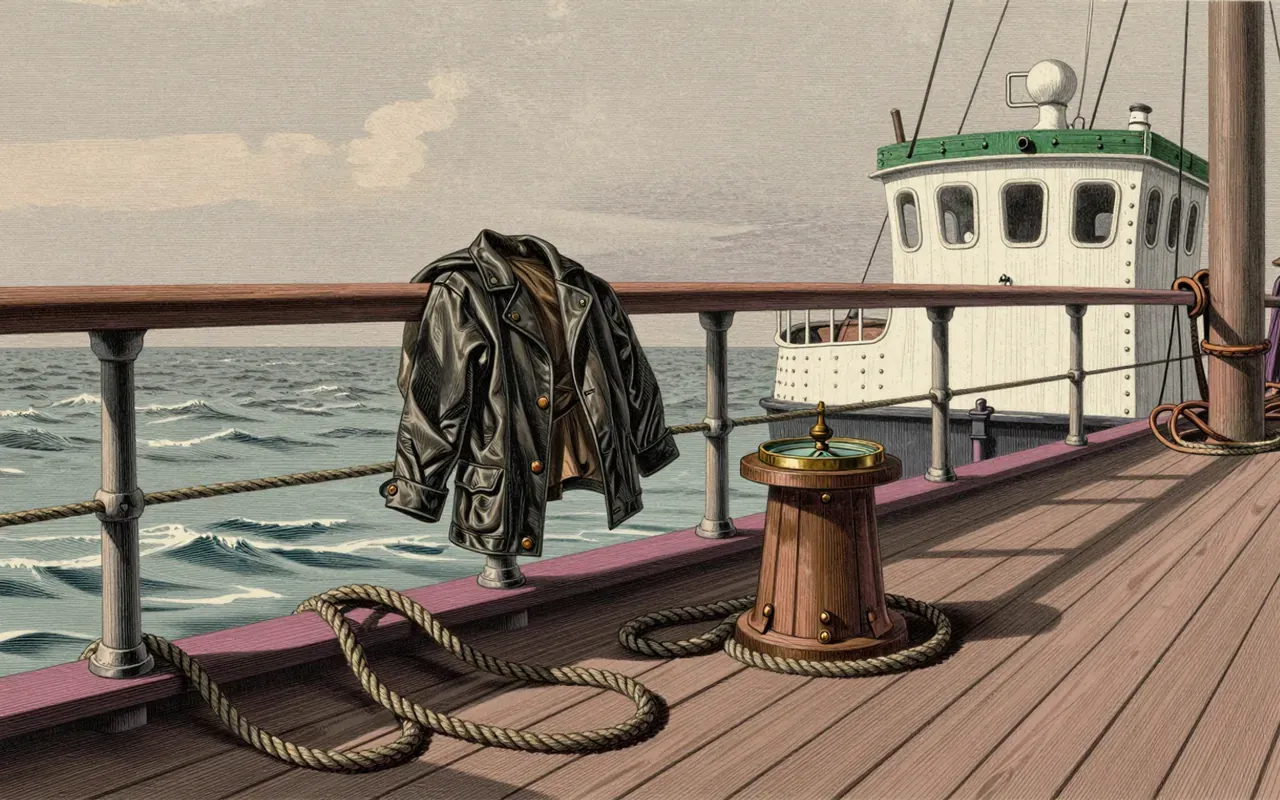
This wasn’t fashion—it was seam-sealed survival, stitched by hand for men who’d drown if it failed.

Helly Hansen is functional infrastructure disguised as apparel. Its value lies in material efficacy, not cultural resonance. It displaced nothing but damp wool—and that was enough.

Chapters & takeaways4
  1. 0:59
    Sea-born

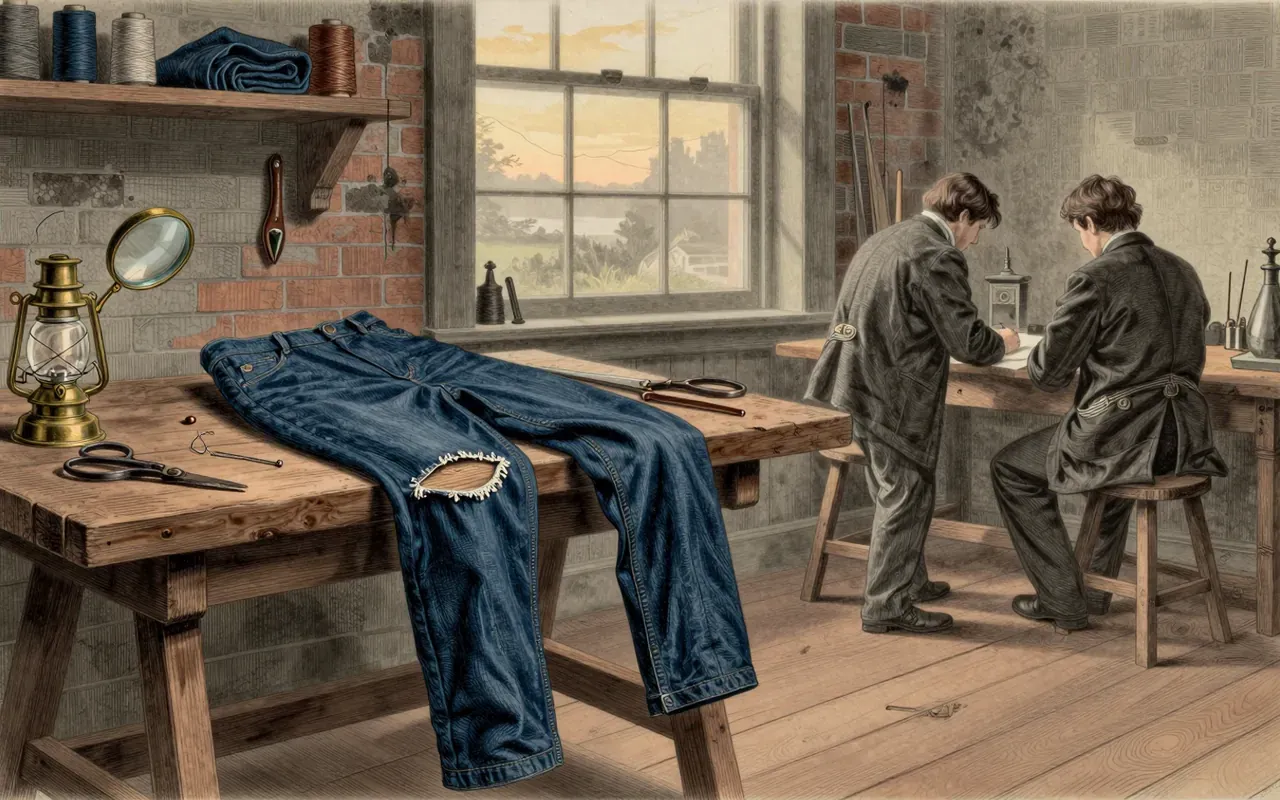
    It began with lived experience: a sailor turned maker, treating fabric like armour.

  2. 2:58
    First Five Years

    Ten thousand oilskin pieces sold in five years proves demand was urgent, not aspirational.

  3. 4:42
    Paris, 1878

    The 1878 Paris Expo diploma wasn’t decoration—it was validation from global industry.

  4. 6:24
    Helox Peak

    Helox coats hit 30,000 units per month—not because they looked good, but because they held back rain.

Worth your time?

Yes. Wear the whole thing.

3.5/ 5
What works
  • materials
  • engineering
  • supply-chains
What does not
  • culture/arts
  • culture/art
  • culture/literature
  • culture/movements-and-scenes
Wear it if
  • engineers
  • maritime historians
  • material scientists
Skip it if
  • fashion designers
  • cultural critics
  • retail strategists
The written brief1 min read

What the thing is

A Norwegian manufacturer of waterproof workwear. Founded in 1877. Built on linseed-oil-treated linen. Expanded through material iterations—not aesthetics or identity.

Where it came from

Helly Juell Hansen had been at sea since age 14. In 1877, aged 35, he and his wife Maren Margarethe made oilskin jackets, trousers, sou’westers and tarpaulins in Oslo. Coarse linen soaked in linseed oil. Maritime necessity, not sartorial intent.

What it gets right

It solved a real problem: keeping sailors dry in North Sea gales. Its first oilskin garments worked. They sold 10,000 pieces in five years. The Paris Expo diploma in 1878 proved their utility was internationally legible.

What it gets wrong

It never claimed to be fashion. Yet its later repositioning into urban and sport markets misrepresents its origin: this was maritime survival gear, not lifestyle apparel. That pivot displaces its core logic—protection over presentation.

Why it matters now

Because it shows how infrastructure-level innovation—material science for extreme conditions—precedes and enables both labour safety and outdoor leisure. Its lineage is in supply chains, not runways.

Is it worth your time

Yes—if you care about how functional clothing shaped work, weather, and mobility in the industrial North. No—if you expect cultural symbolism or design legacy.


Same rail · Workwear4 of 20
7:14
CollaborationCollaboration is a verb disguised as a noun — a process, not a place. Its strength lies in precision: it names joint labour, not goodwill. Its weakness is overextension: it is often mistaken for cooperation, or assumed to resolve conflict. It delivers most where hierarchy fails — but only if participants accept shared agency, shared risk, and shared credit.
8:46
Kevlar1965Kevlar is a para-aramid synthetic fibre developed by Stephanie Kwolek at DuPont in 1965. It was first commercialised in the early 1970s as a lightweight, high-strength replacement for steel in racing tyres. By 1971, modern Kevlar was introduced and adopted for ballistic use after folded-sheet bullet tests and goat trials demonstrated non-lethal wound outcomes. Its tensile strength (~3,000 MPa) and density (1.44) stem from inter-chain hydrogen bonds and aromatic stacking. It is synthesised via condensation of 1,4-phenylene-diamine and terephthaloyl chloride, with liquid-crystalline behaviour and chain orientation achieved through mechanical drawing.
9:41
Levi Strauss & Co.1853Levi Strauss & Co. built its reputation on a single functional insight: reinforce stress points before they fail. Its garments do not flatter. They endure. They shrink. They evolve under constraint—not trend. The 501 is not a symbol. It is a specification.
7:55
Department store1796The department store is a garment of commerce: cut for clarity, fitted for autonomy, worn by women navigating new public space. Its first iteration—Harding, Howell & Co., 1796—is lean, logical, and purpose-built. It does not dazzle. It organises. It enables. It endures not as spectacle but as syntax.
Up next in Fashion

Hysteric Glamour

· 10:05

A Tokyo label that weaponised Western counterculture—and never let the clothes catch up to the graphics.

10:05