Saved
Topic

Workwear

Clothes designed for a job, worn mostly by people not doing it.
19
in fashion
9:19
average
177 min
in total
All briefs19
8:53

Lee (brand)

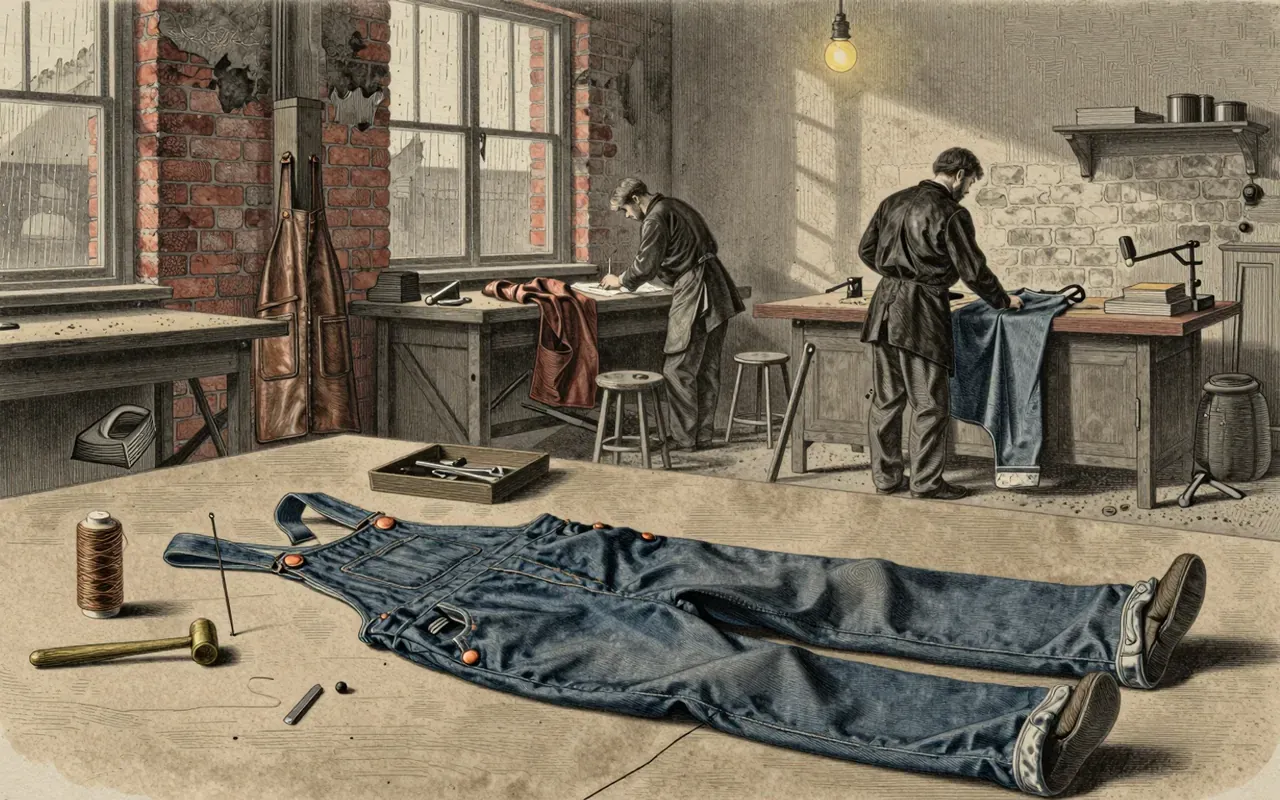
Lee built workwear like infrastructure—not to be seen, but to hold up the body’s labour.
10:40

Helly Hansen

This wasn’t fashion—it was seam-sealed survival, stitched by hand for men who’d drown if it failed.
9:41

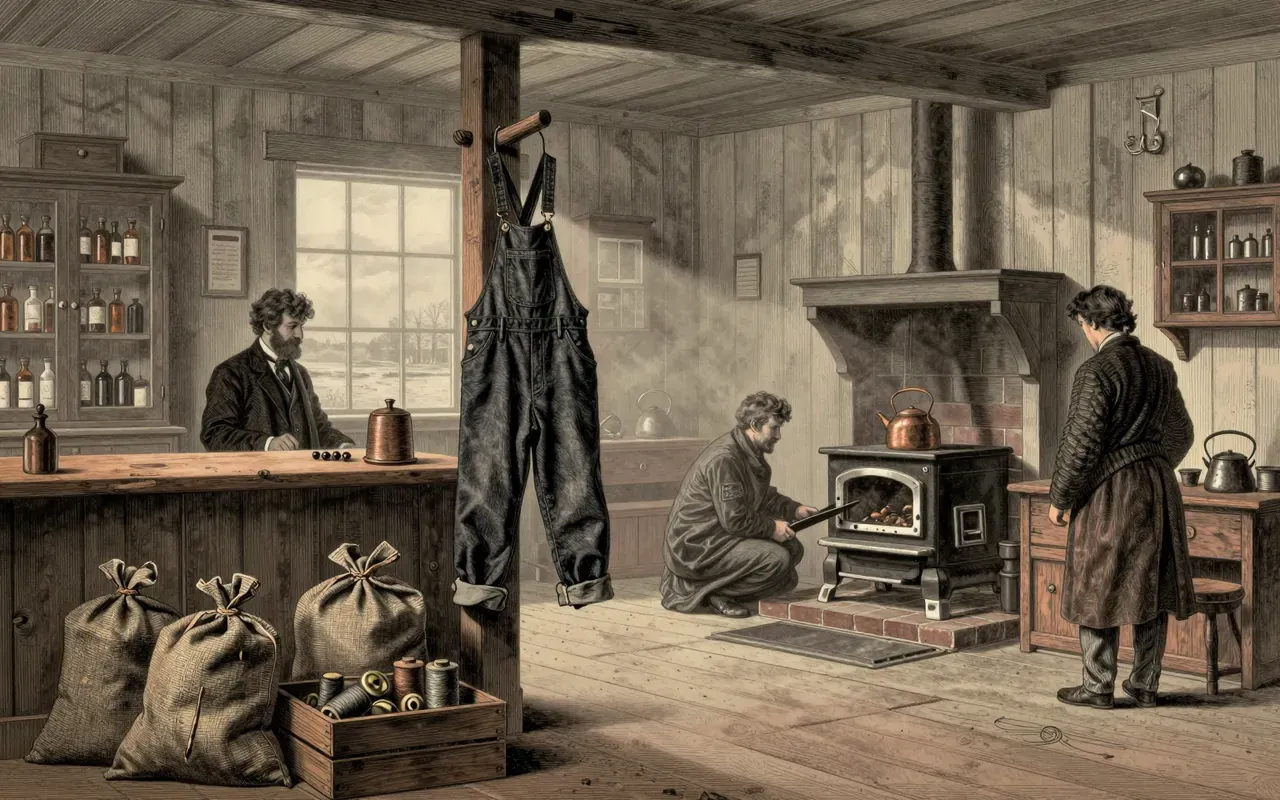
Levi Strauss & Co.

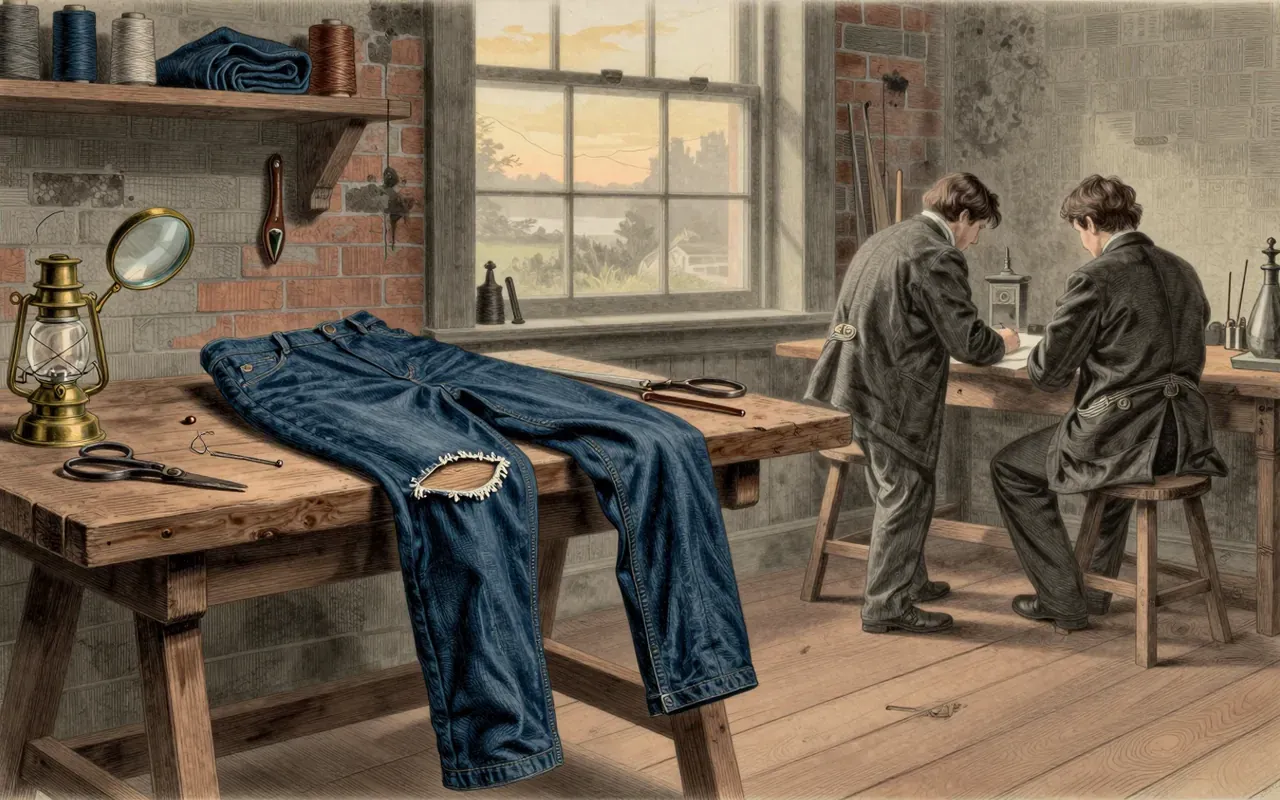
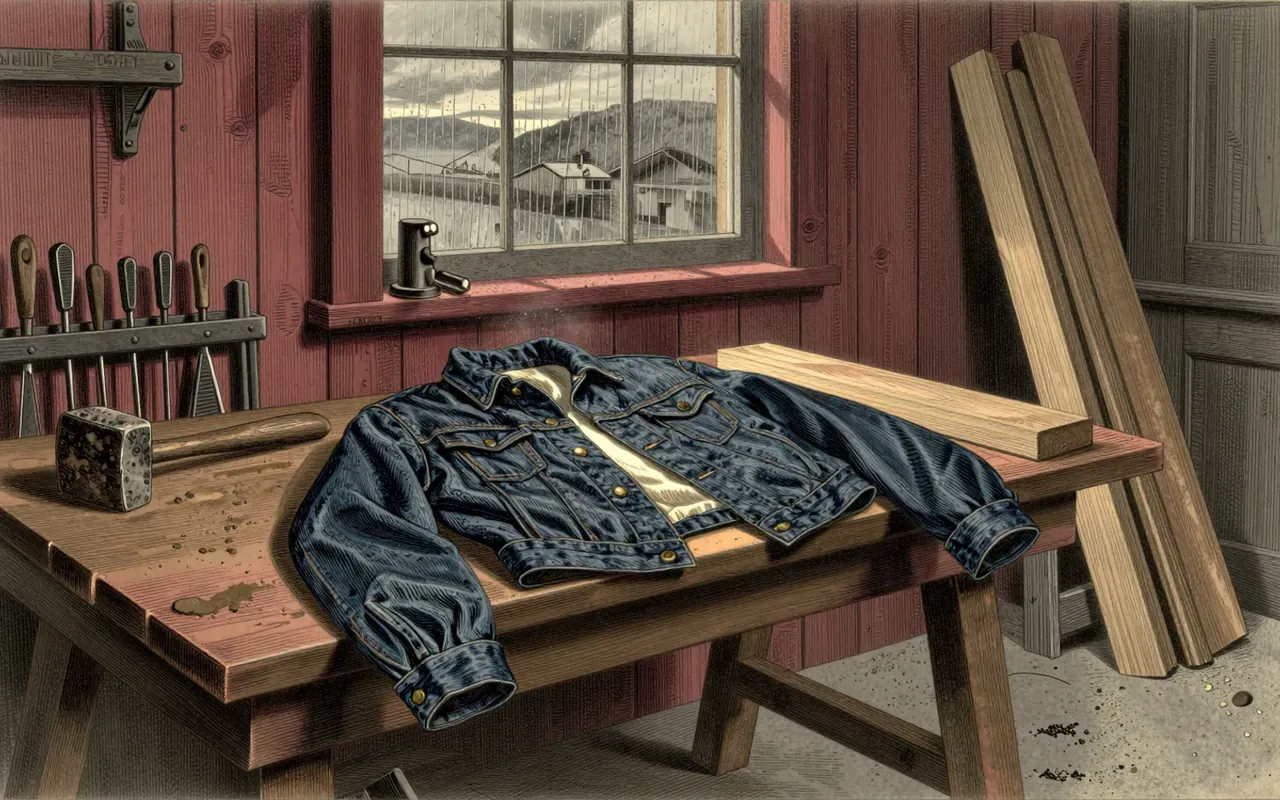
Denim’s first functional patent wasn’t about style—it was about stopping seams from splitting on a gold miner’s thigh.
9:58

Corduroy

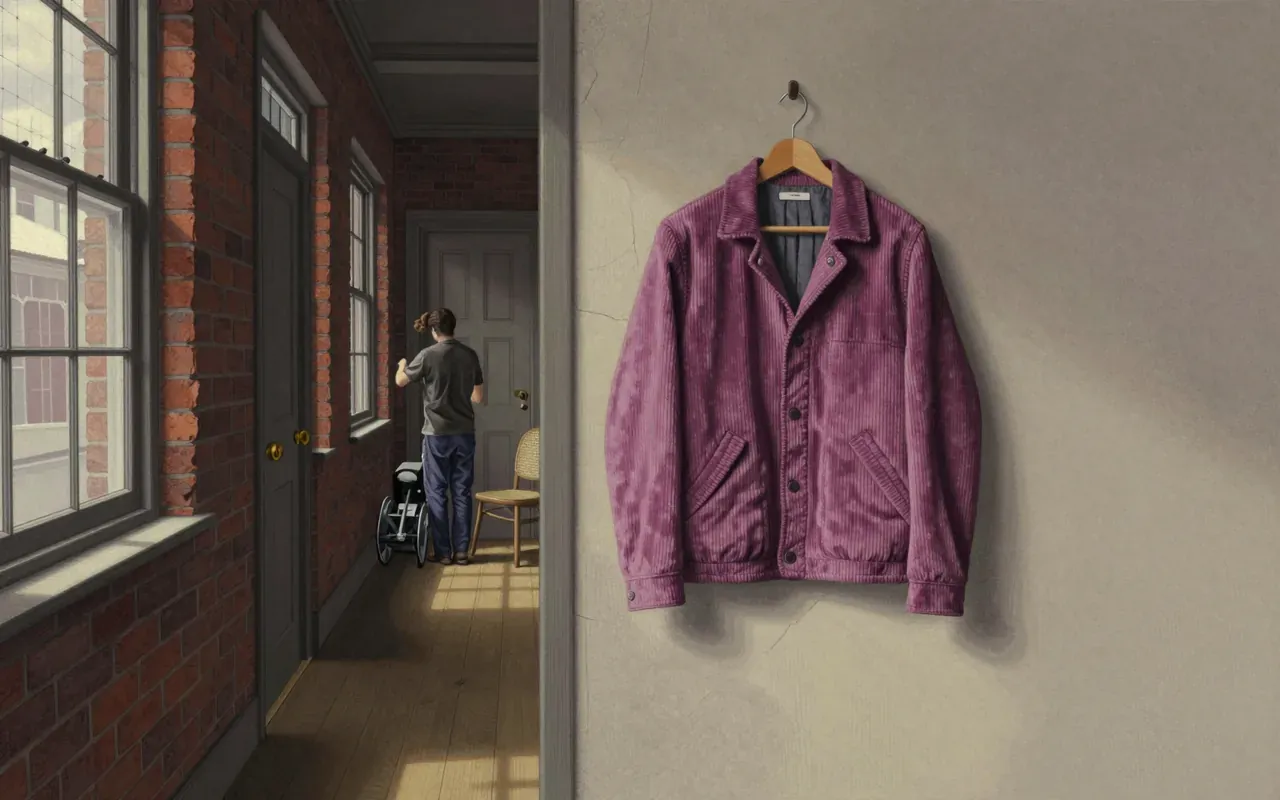
Corduroy isn’t soft — it’s engineered resistance disguised as warmth.
8:32

Donna Karan

Donna Karan didn’t design clothes — she designed a wearable operating system.
8:06

L.L.Bean

A boot built to fail—then fixed, guaranteed, and worn into legend.
9:05

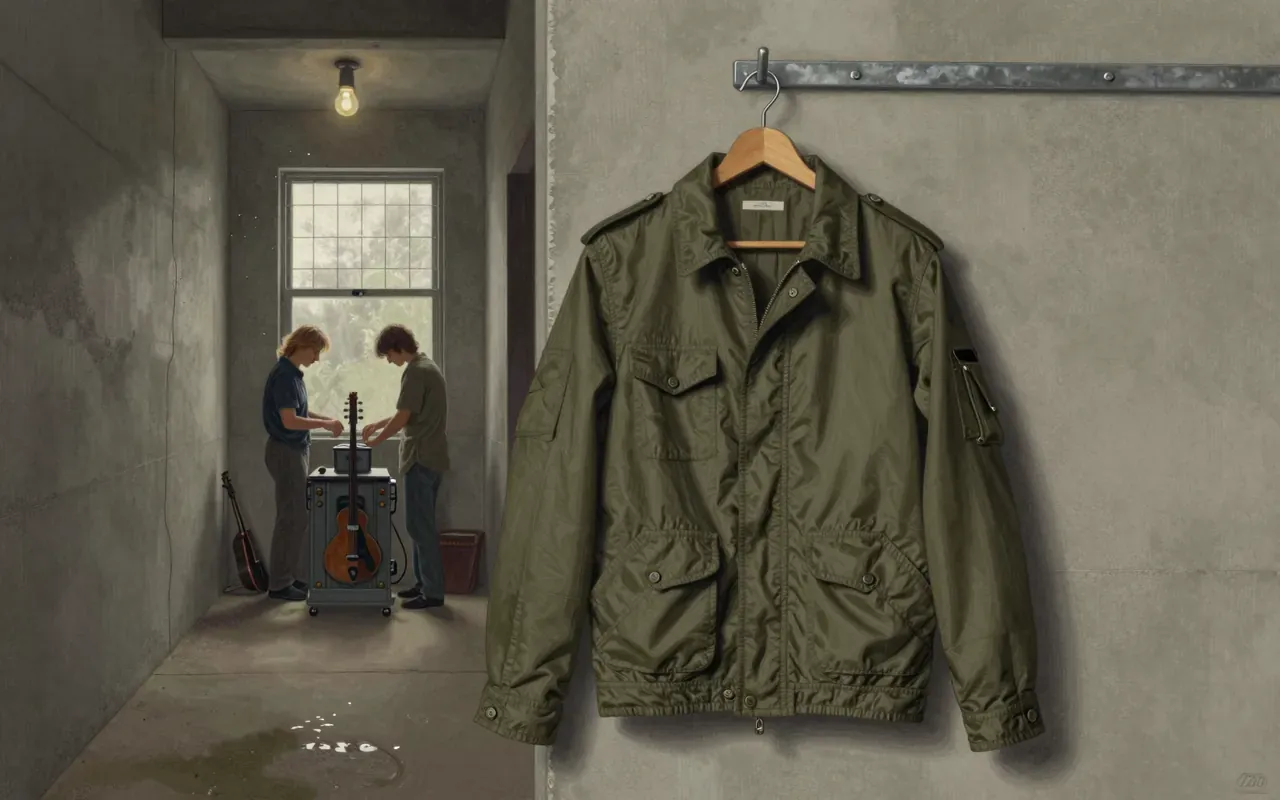
M-1965 field jacket

Velcro on cuffs, Nyco sateen, monsoon-tested: this is workwear that earned its place—not by being cool, but by staying dry.
9:30

Polo neck

A neck-covering weapon of quiet dissent—and practical durability—forged in chainmail and worn by sailors, Marxists, and everyone who refuses to knot a tie.
9:36

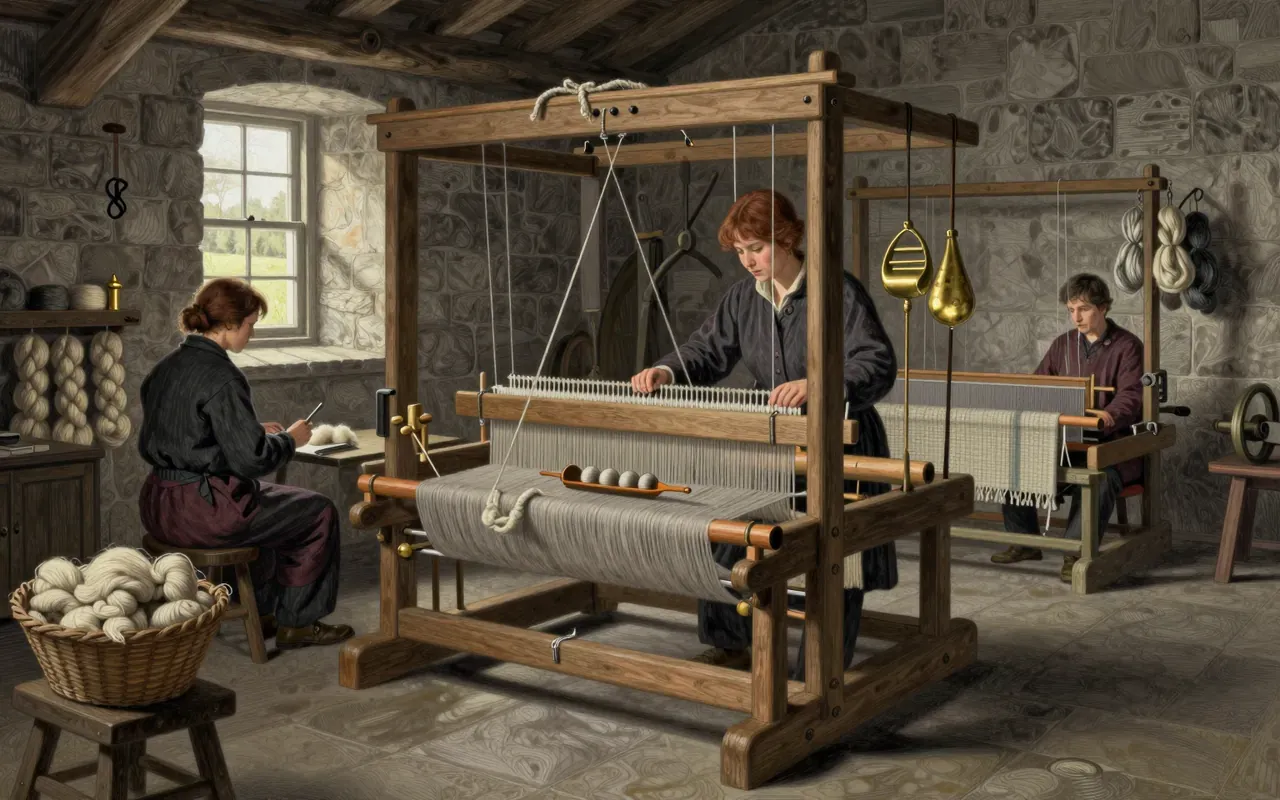
Tweed

Tweed is not heritage—it is hydrophobic wool with geography baked into its yarn.
8:38

Betty Jackson

Betty Jackson

Betty Jackson is a British fashion designer whose practice sits outside fashion’s usual metrics: no signature logo, no seasonal spectacle, no celebrity client list. She worked inside institutions—designing for judges, advising on model health, equipping unemployed women—not to make statements, but to solve problems with cloth, cut and context. Her influence is procedural, not aesthetic.
10:29

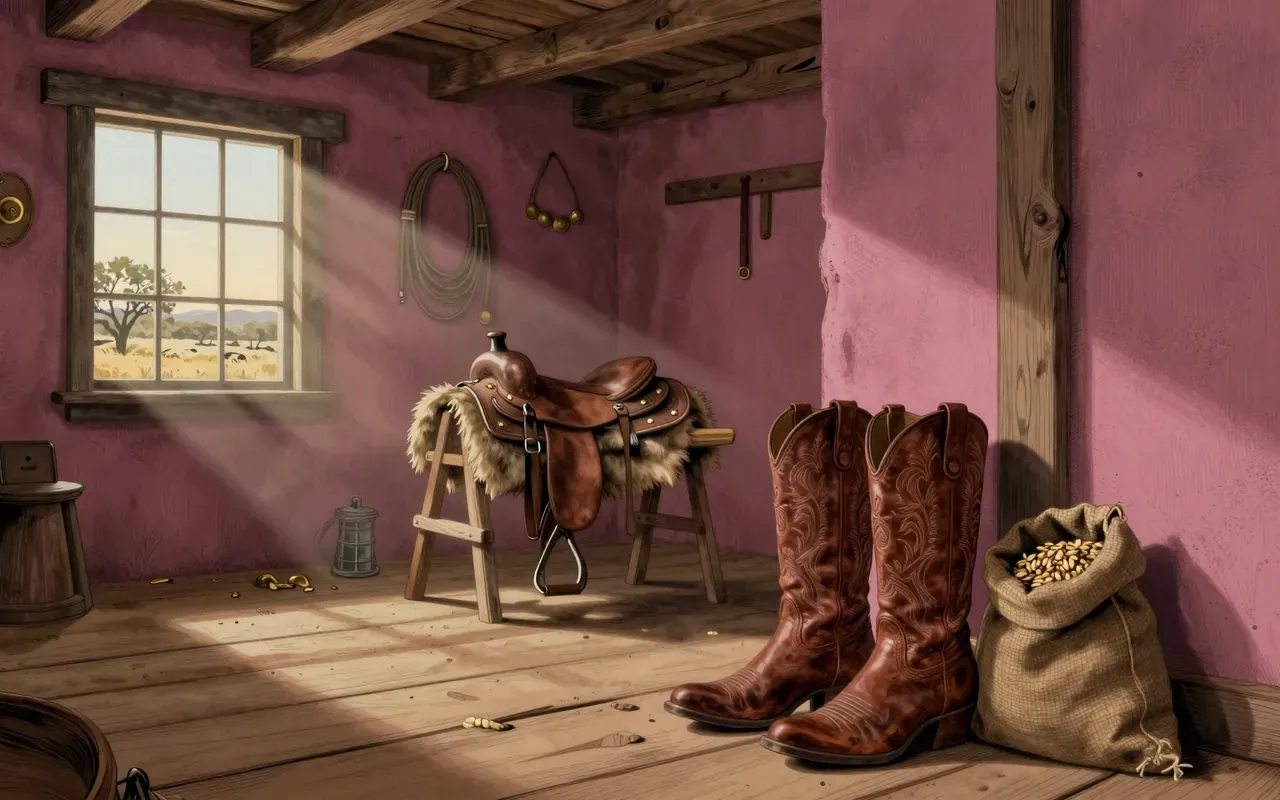
Cowboy boot

A boot built to stop cowboys from being dragged became a uniform for people who’ve never mounted a horse.
8:57

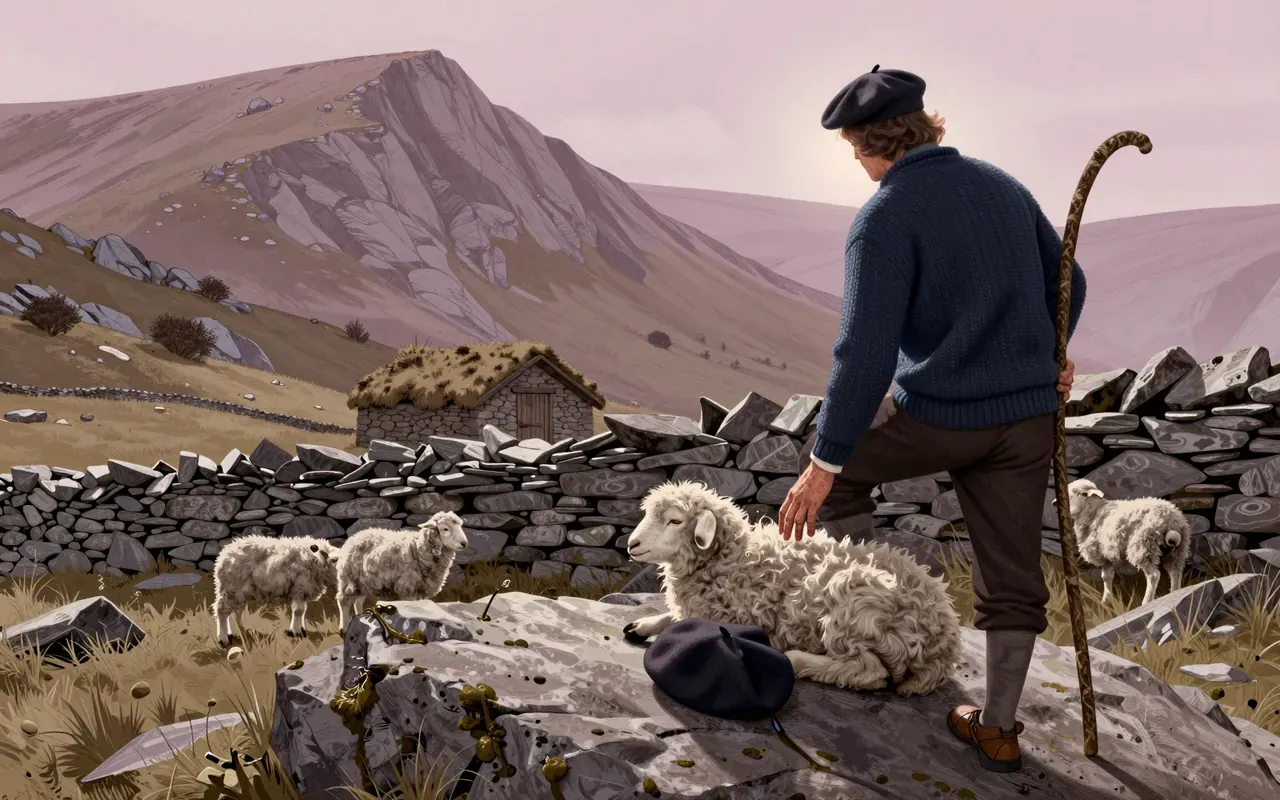
Beret

The beret is not a symbol that got weaponised. It is a tool that got uniformed—and then mythologised.
8:30

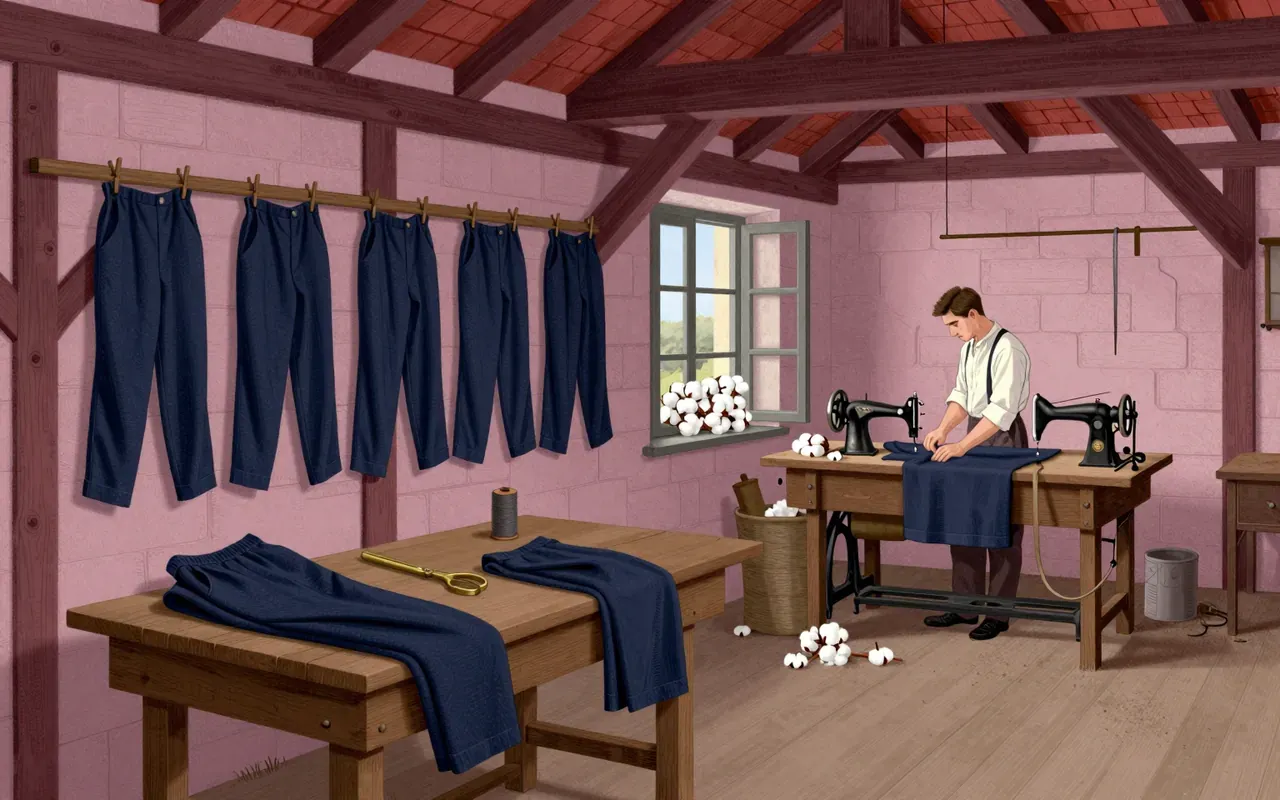
Denim

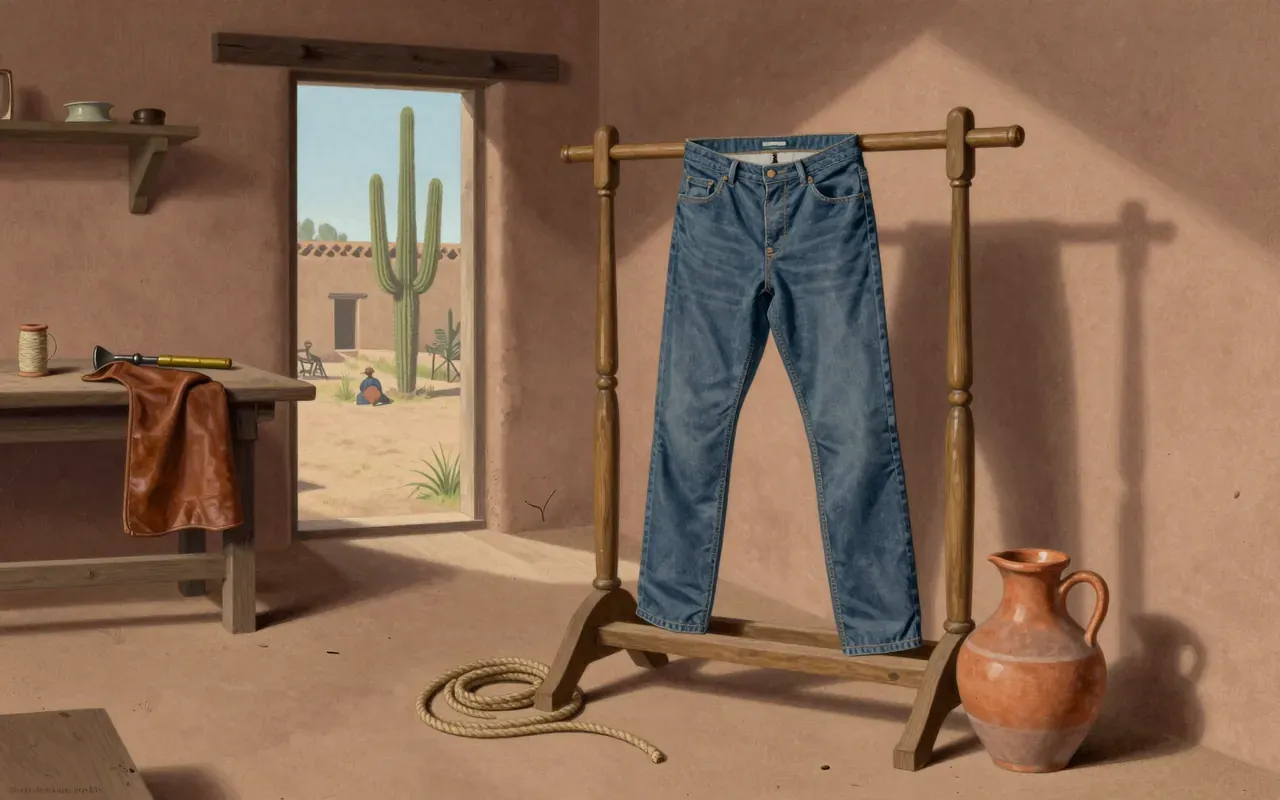
Denim isn’t rebellious—it’s bureaucratic. It was issued by railways and air forces long before it was adopted by teenagers.
9:28

Hugo Boss

Hugo Boss · 1924

Hugo Boss in 1924 was a regional workwear factory — not a fashion institution, not a design innovator, not a global brand. Its significance lies entirely in what came after: Nazi Party membership in 1931, wartime exploitation of 140 forced labourers, and a delayed reckoning that arrived only in 2001. The 1924 origin is factual scaffolding — not cultural substance.