Saved
Topic

Materials

Every era is named after one, which should be a clue.

42
in fashion
9:15
average
389 min
in total
138
across the network
Materials across the network →
All briefs42
8:00

Nylon

Wallace Carothers · 1935

Nylon is a family of synthetic thermoplastics characterised by amide linkages, melt-processed into fibres, films and moulded shapes. Wallace Carothers made the first one at DuPont in 1935, and women's stockings made it famous. Pure nylon's weaknesses in clothing led to blends with cotton, polyester and spandex, and pure nylon is now rarely used.
9:53

Jersey

Jersey is a knit fabric, first made of wool and now also of cotton and synthetic fibres, used for T-shirts, underwear, dresses and sportswear.
9:24

Asics

A Latin motto made literal—not through slogans, but through gel, geometry, and Kobe-based biomechanics.
14:14

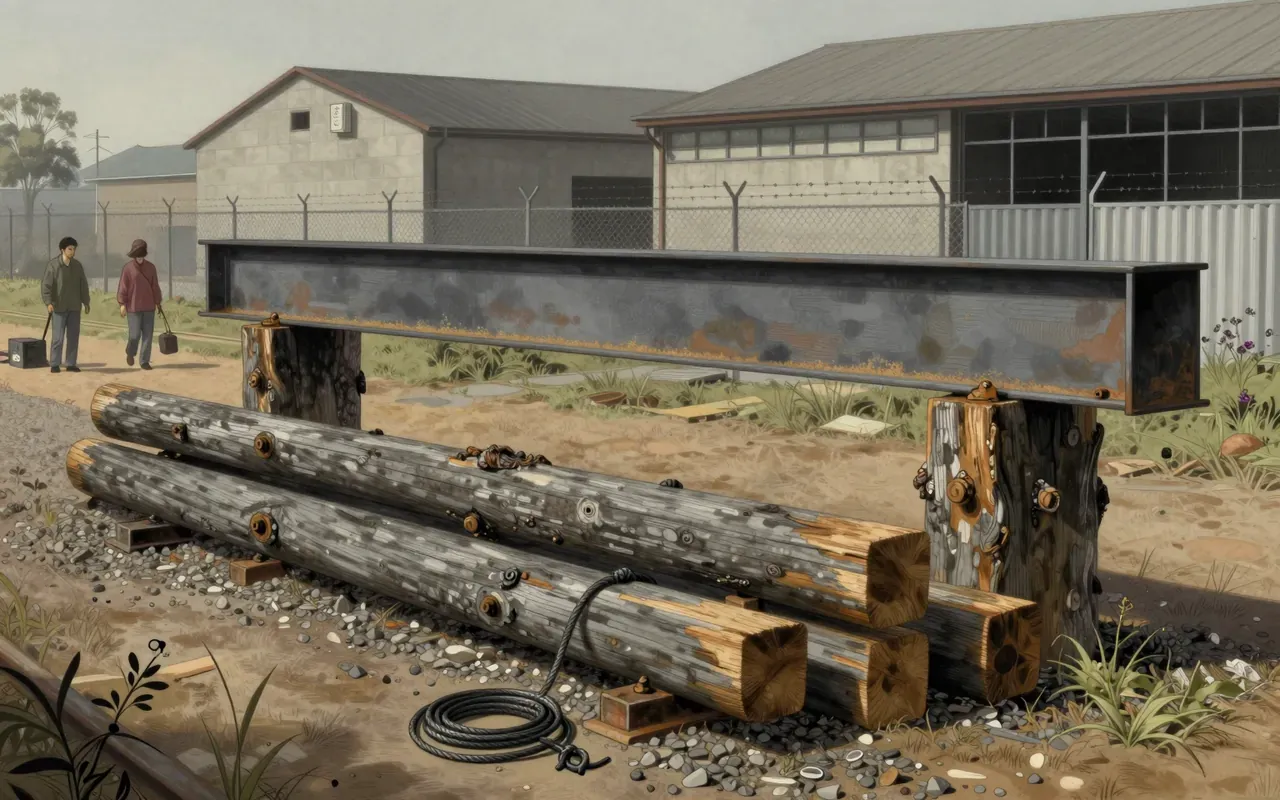
I-beam

An I-beam is not fashion—it is physics made visible, and wearing one would be structural suicide.
9:56

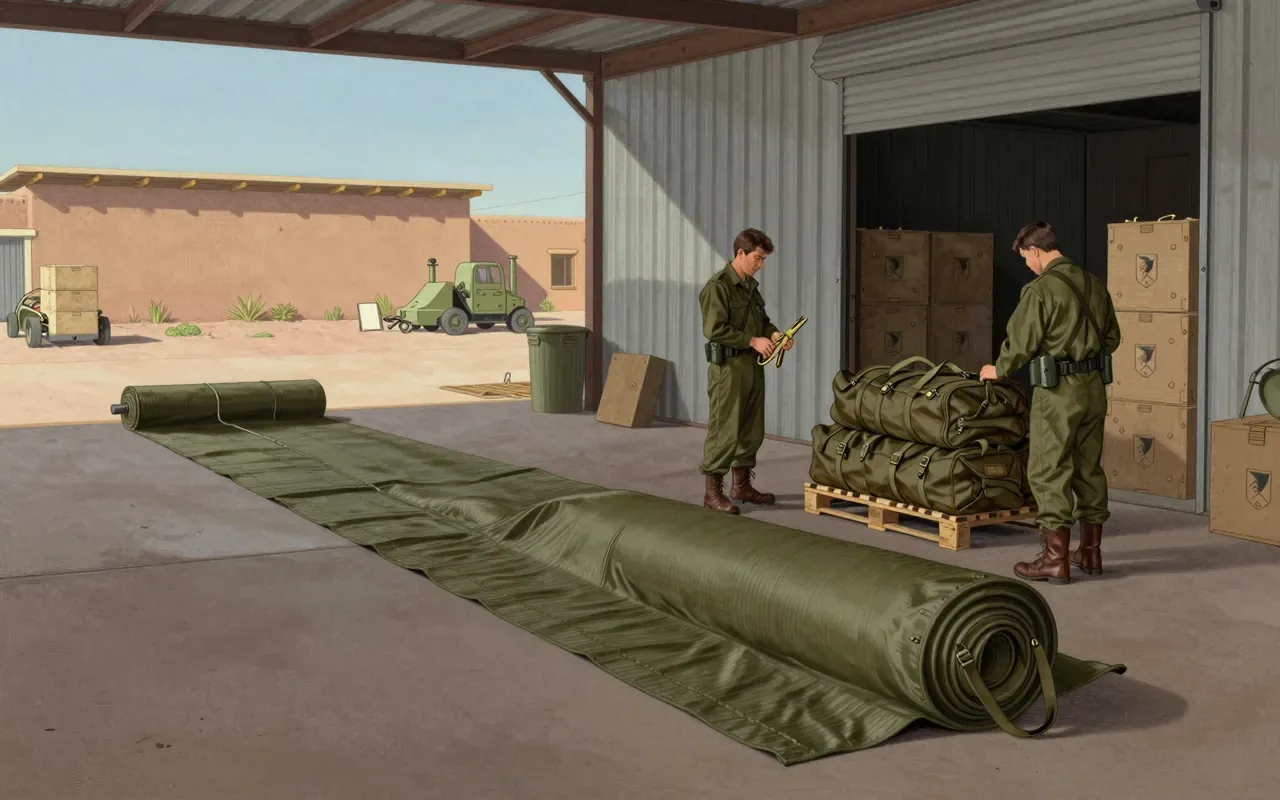
Cordura

DuPont's 1929 tyre-cord rayon, turned into the tough fabric of motorcycle trousers and military packs.
9:48

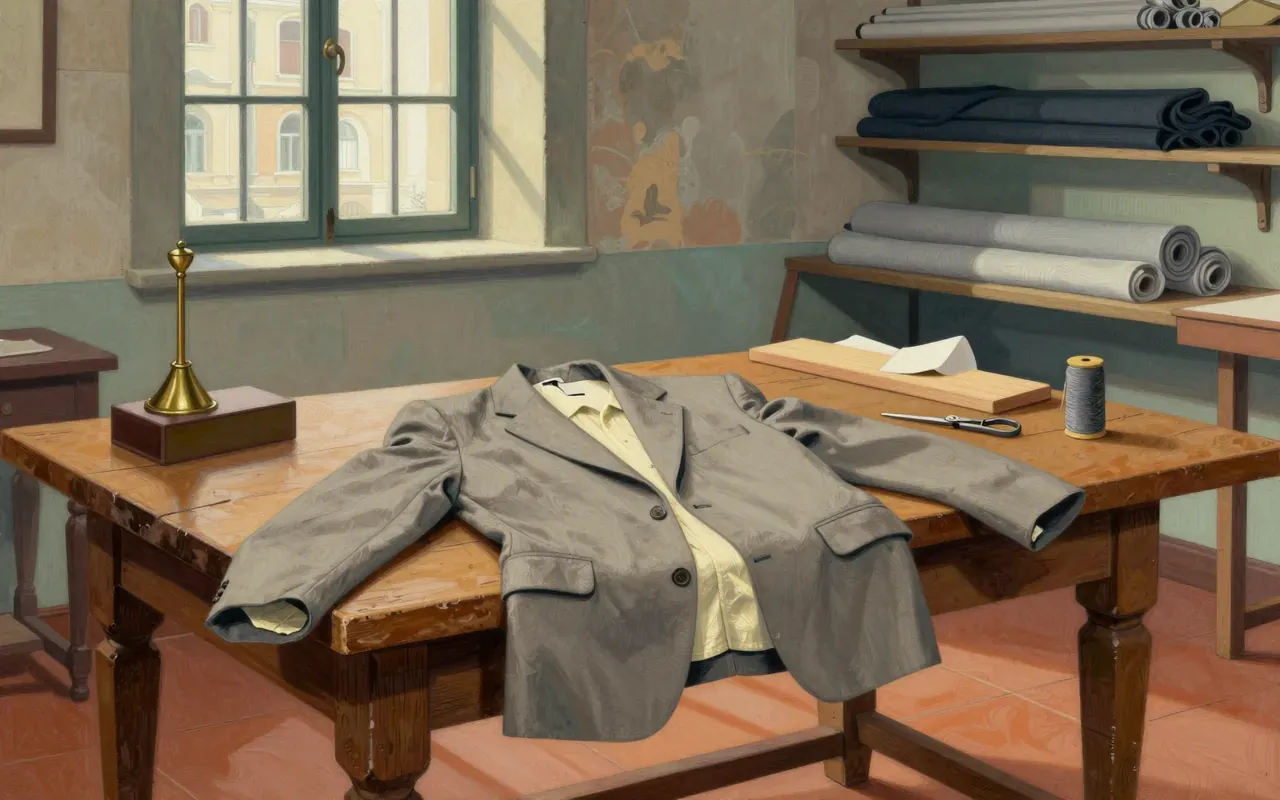
Corneliani

Corneliani is not Italian elegance—it is Italian engineering applied to the suit.
9:24

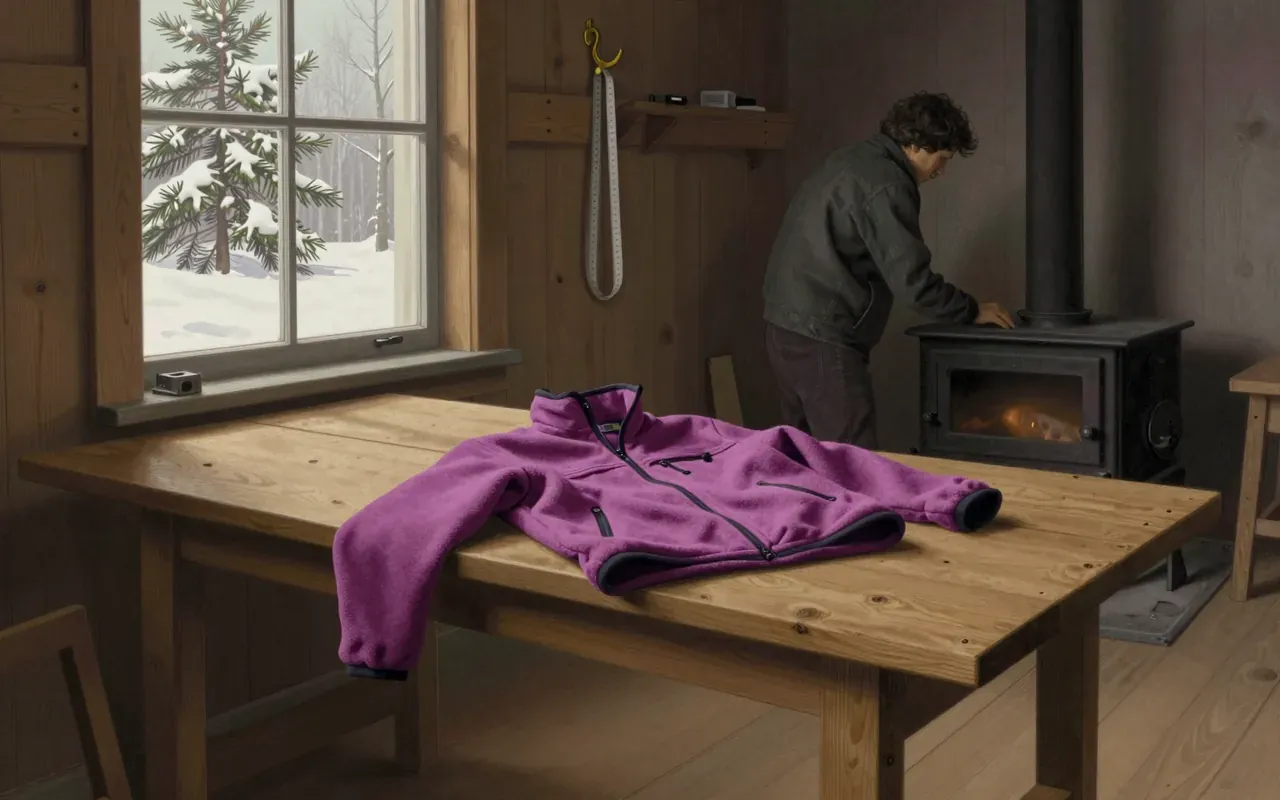
Polar fleece

Fleece liberated warmth from wool—and trapped us in static, shedding, and wet-weather failure.
9:59

Spandex

Spandex gives clothes their grip—but kills their afterlife.
9:16

Missoni

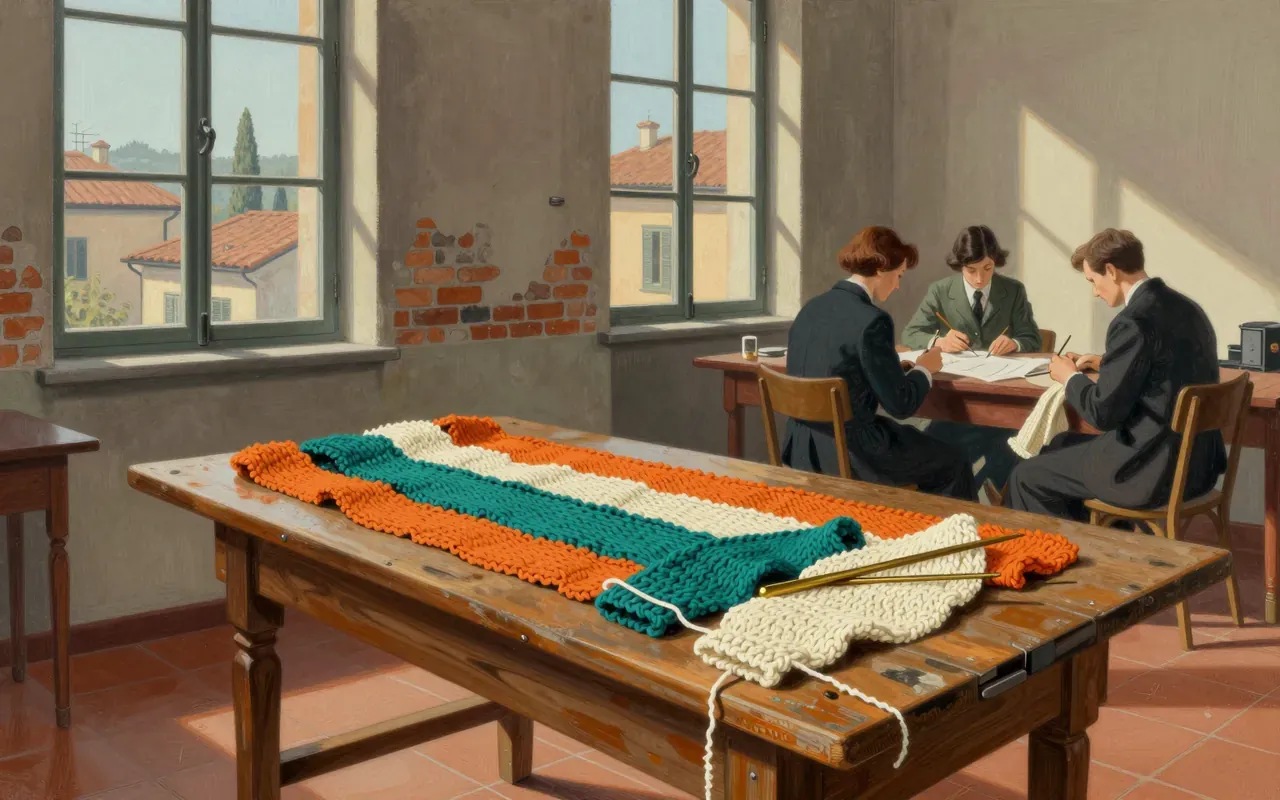
Missoni didn’t make sweaters—it weaponised knit structure.
9:42

Gore-Tex

A 1969 accident with heated PTFE gave us waterproof breathability—and a lifetime of environmental debt.
8:46

Kevlar

Kevlar isn’t clothing — it’s calibrated refusal: a fibre that says no to bullets, no to steel, and no to comfort.
9:45

Ripstop

Ripstop doesn’t drape — it defends. And it does so with a grid you can feel but never ignore.
9:54

Satin

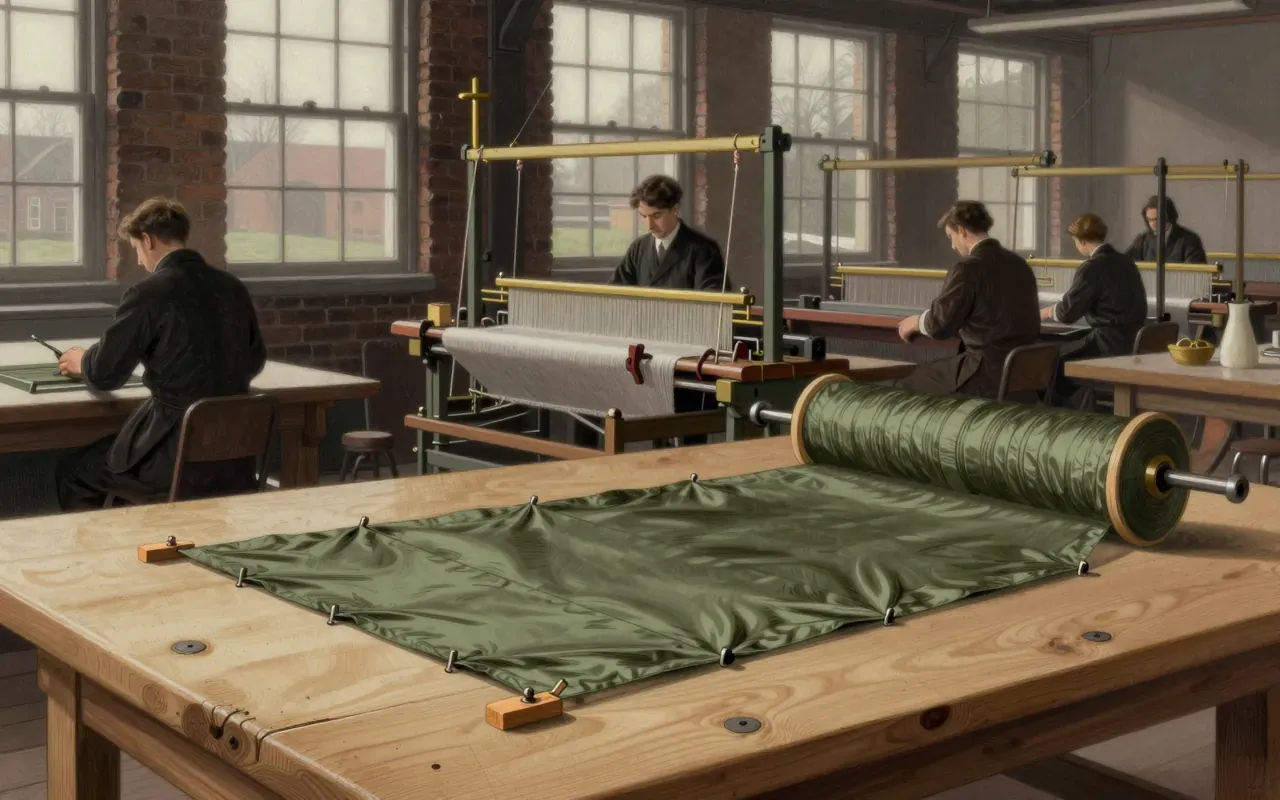
Satin trades durability for dazzle — and refuses to apologise.
8:07

Silk

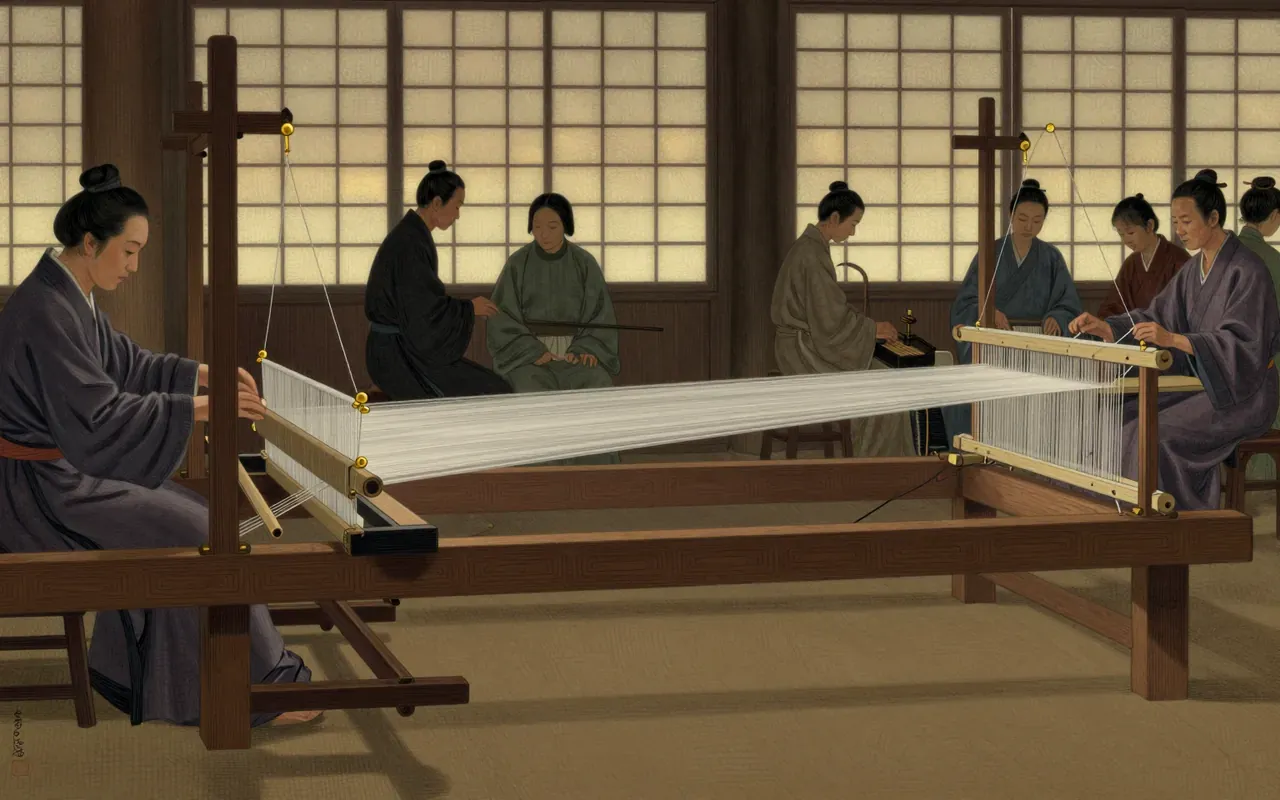
Silk is not luxury—it’s a protein filament engineered by moths, refined by boiling, and weakened by sweat.
8:00

Wool

Wool doesn’t drape—it defends. And it does so with keratin, crimp, and a third-of-its-weight thirst for water.
8:50

Adidas Gazelle

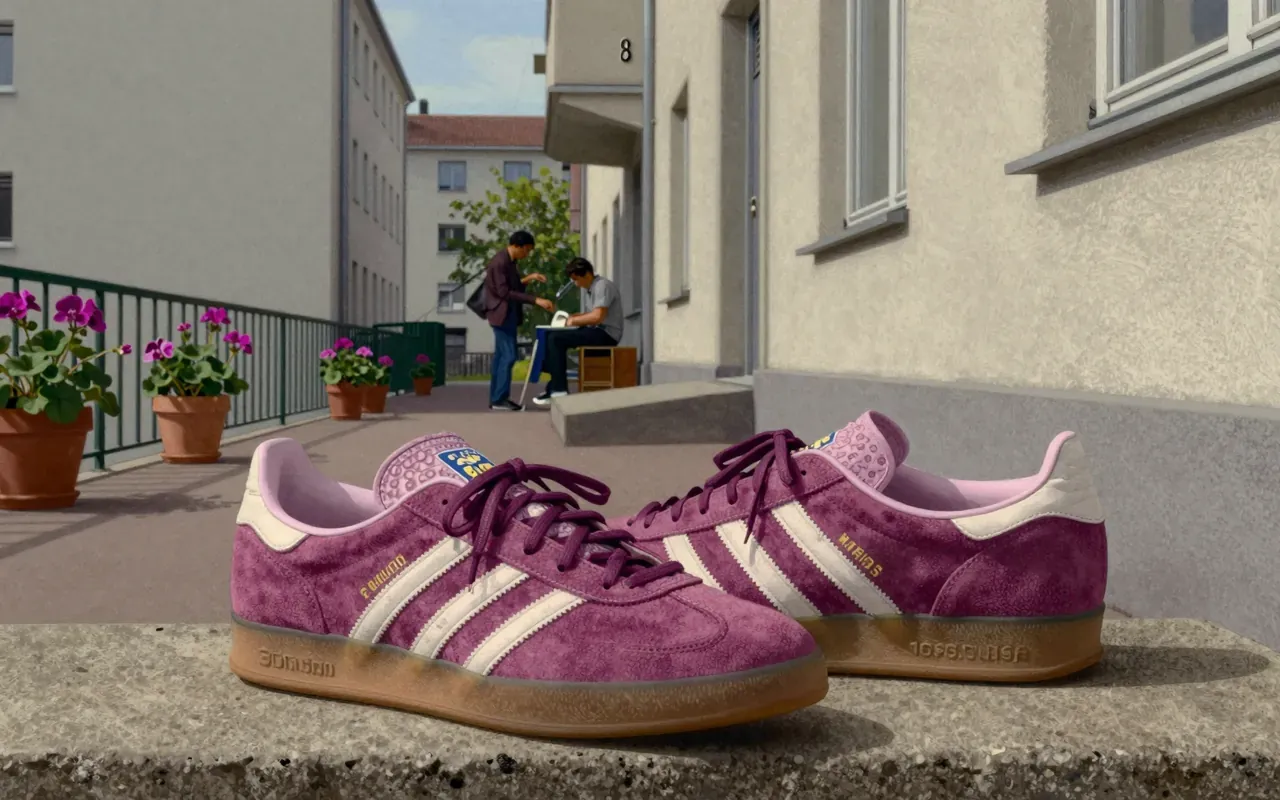
Suede was never meant to be pretty—it was meant to grip, bend, and breathe. The Gazelle proved it.
8:15

Adidas Samba

A winter trainer that never warmed up to comfort—and became sharper for it.
9:29

Church's

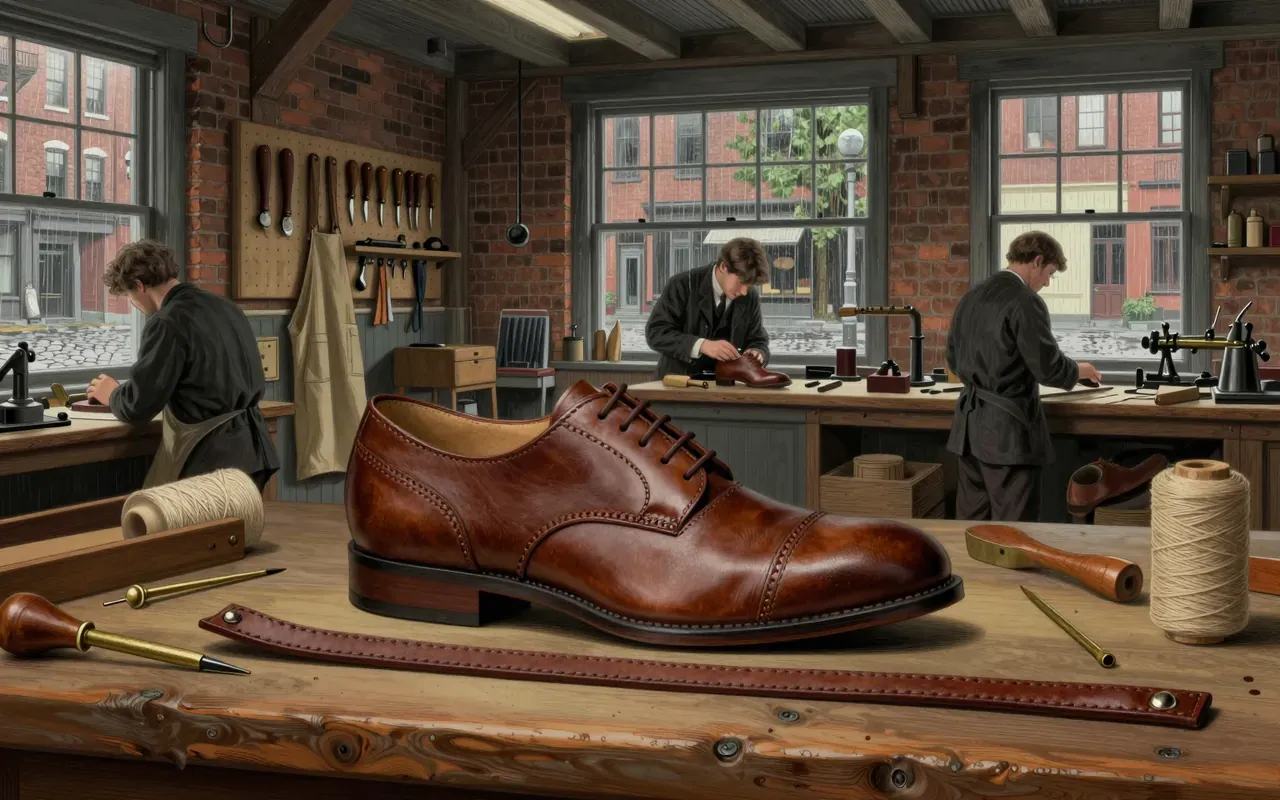
Church's shoes are heavy by design — and that weight is their only unbroken promise.
9:20

Junya Watanabe

Monozukuri is not philosophy — it’s seam allowance, stitch placement, and the deliberate weight of cotton against synthetics.
8:28

Linen

Linen doesn’t flatter—it cools, it creases, and it refuses to pretend.
8:09

Martine Rose

Martine Rose doesn’t design clothes for men—it designs menswear that refuses to stay put.
7:10

Mohair

Mohair doesn’t drape—it declares. And it won’t apologise for its shine.
8:56

Paco Rabanne

Fashion stopped pretending to clothe the body — and started interrogating the idea of clothing itself.
8:01

Polyester

Polyester doesn’t drape—it defends. And it won’t decompose when you do.
9:06

PrimaLoft

PrimaLoft isn’t clothing—it’s the first synthetic insulation that refuses to quit when soaked.
9:41

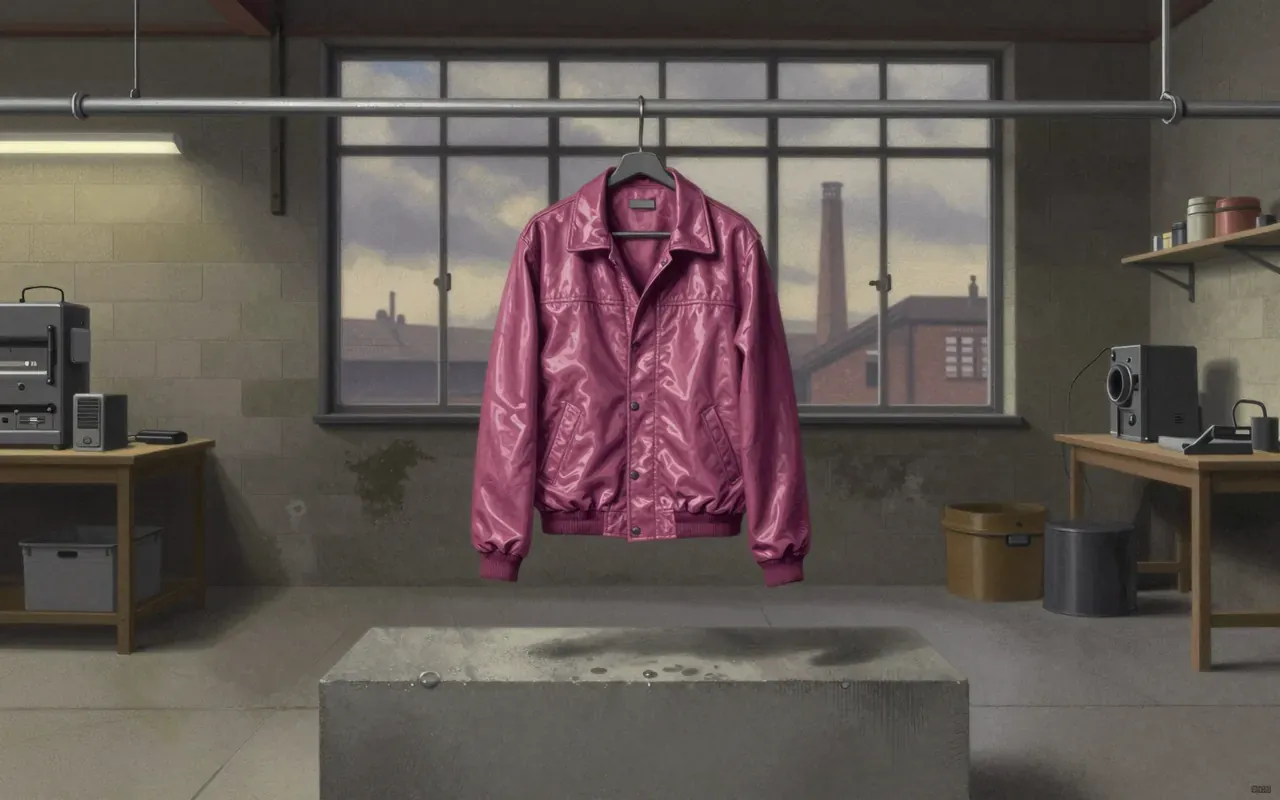
Schott NYC

The first zippered jacket wasn’t fashion—it was friction, fitted, and forged on the Lower East Side.
8:30

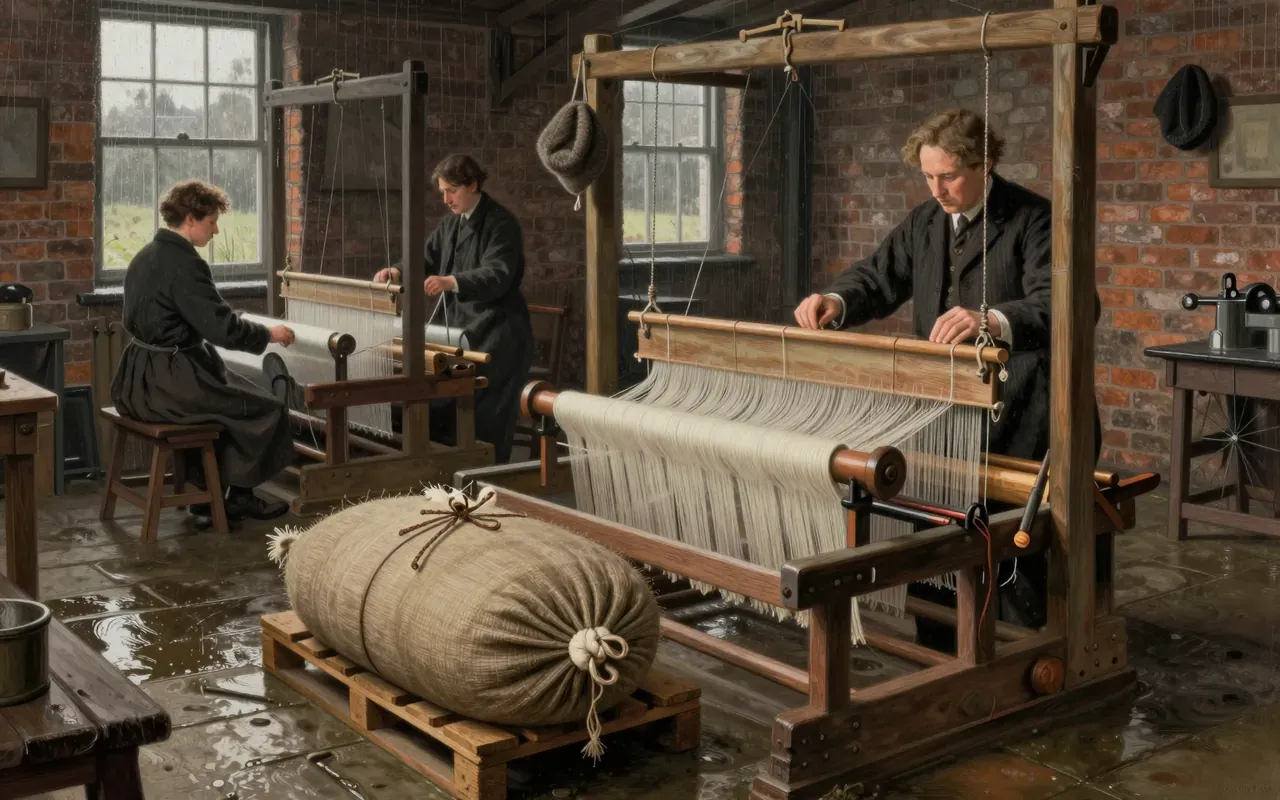
Stone Island

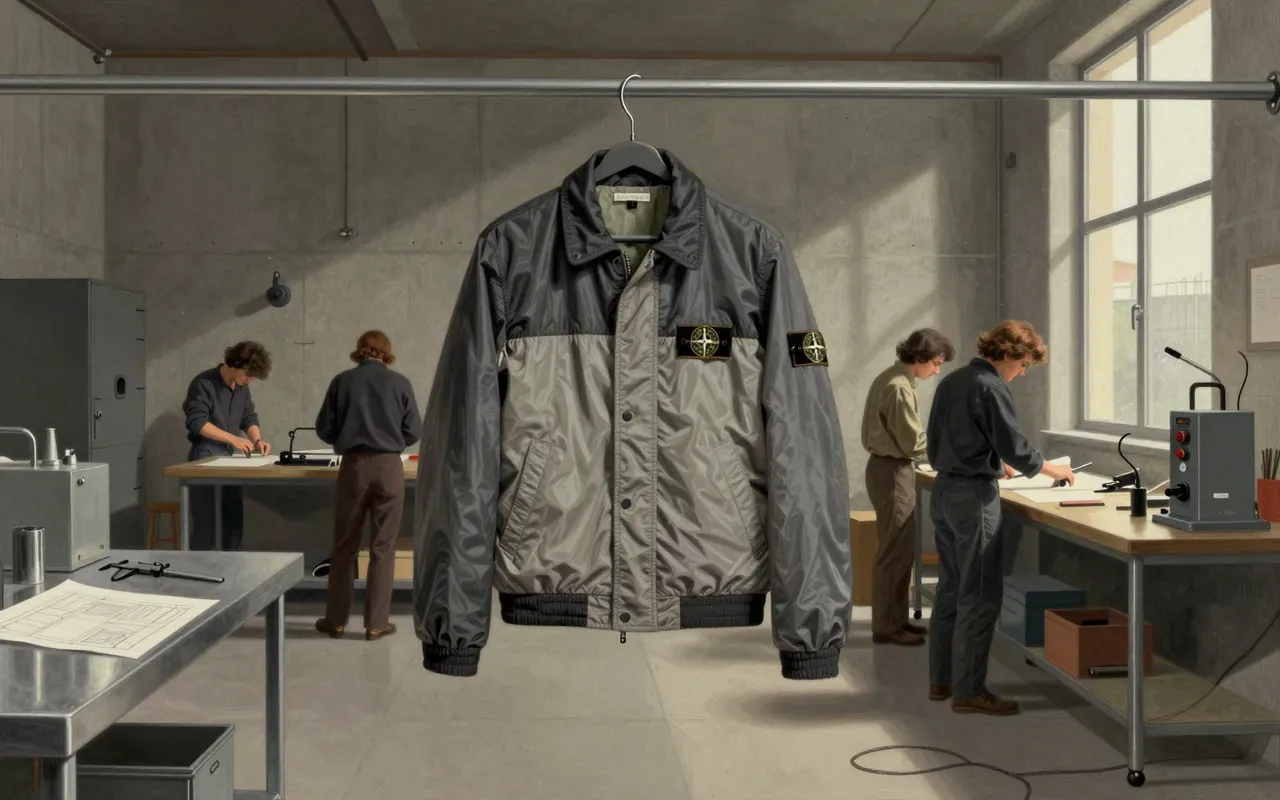
Stone Island isn’t fashion — it’s textile engineering dressed as outerwear.
10:10

Ventile

Cotton that swells shut in rain—no coating, no compromise, no lightness when wet.
10:46

Visvim

Visvim doesn’t make clothes — it makes slow, uneven, repairable arguments in cloth.
9:15

Jean Paul Gaultier

Jean Paul Gaultier

Jean Paul Gaultier is a French fashion designer who launched his first individual collection in 1976. His work uses unconventional motifs—corsets, marinières, tin cans—and materials like plastic rubbish bags. He relaunched the marinière for men in 1983, introduced men’s kilts in 1984, debuted the cone bra in 1984, and launched the 'granny grey' hair trend via his 2011 autumn/winter show. He cast older men, fat women, and tattooed models, and played with gender roles. His influence lies in material specificity and casting choices—not in founding movements or naming ideologies.