fashionbriefs
9:07in productionCh. 1 · The American Copy/ 9:07 · ceiling 15 min
Denim · Workwear

Kapital (brand)

Kapital doesn’t sell jeans—it sells archaeology you wear.

Kapital is a Japanese denim and clothing brand founded in 1985 in Kojima District, Okayama, known for traditional textile and patchwork methods, eclectic artisan designs, and high-quality denim production rooted in mid-century American influences and adapted through techniques like sashiko, boro, stone washing, and enzyme washing.

Chapters & takeaways4
  1. 1:00
    The American Copy

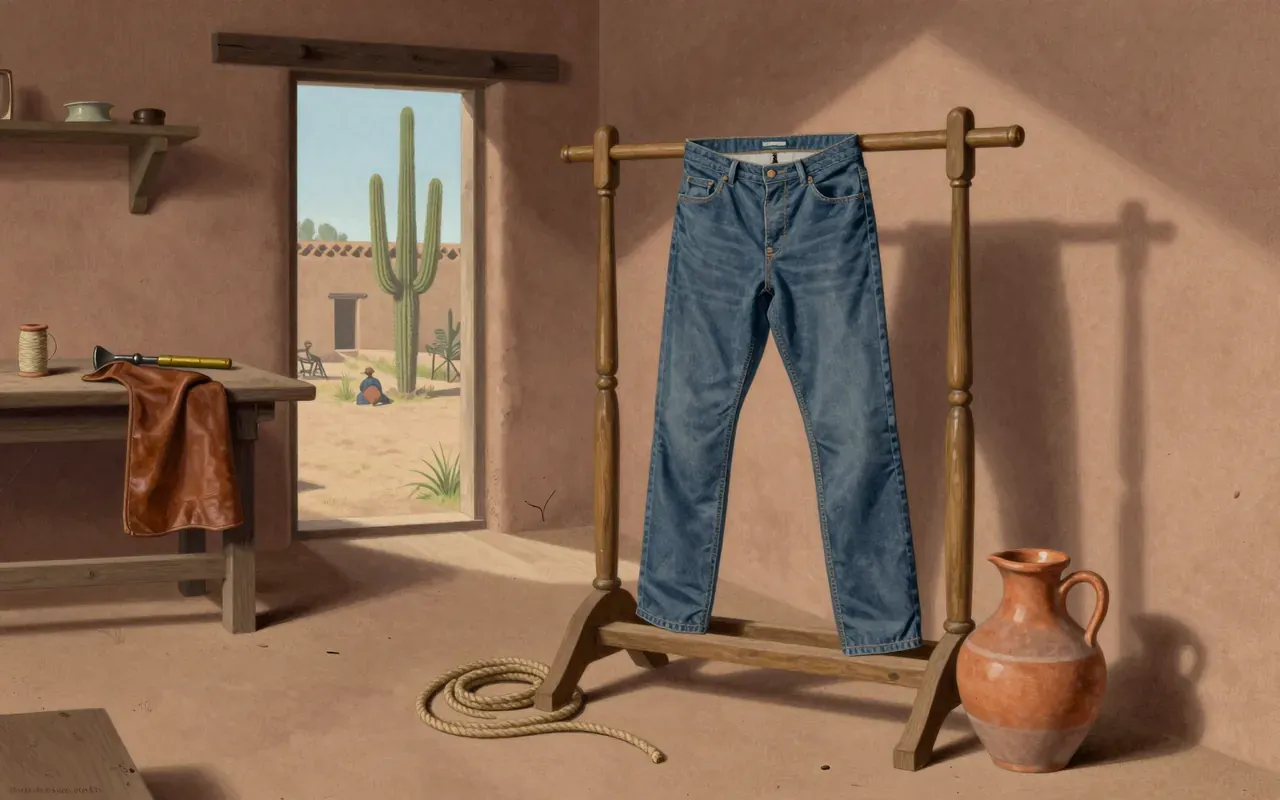
    Kapital began as a replication project—Toshikiyo Hirata returned from the US in the 1980s to rebuild mid-century American denim quality in Kojima.

  2. 2:22
    Stitch as Scaffold

    Sashiko, boro, quilting and mending aren’t decorative—they’re structural choices that replace seam strength with layered resilience.

  3. 3:42
    Cult by Constraint

    Its cult following comes from limited production and handmade variance—not scarcity as marketing, but scarcity as consequence of method.

  4. 5:24
    Wash as Timekeeper

    Stone washing and enzyme washing are not shortcuts—they’re controlled erosion, used to pre-age fabric so it accepts wear as continuation, not corruption.

Worth your time?

Yes. Wear the whole thing.

4.5/ 5
What works
  • stitch as scaffold
  • wash as timekeeper
  • cult by constraint
What does not
  • minimalism
  • neutrality
  • interchangeability
Wear it if
  • people who treat clothing as accumulated evidence
Skip it if
  • those who need garments to disappear into routine
The written brief1 min read

What the garment is and where it came from

Kapital is a Japanese denim and clothing brand founded in 1985 in Kojima District, Okayama, rooted in mid-century American denim and adapted through traditional textile and patchwork methods.

How it works, in terms someone would actually use

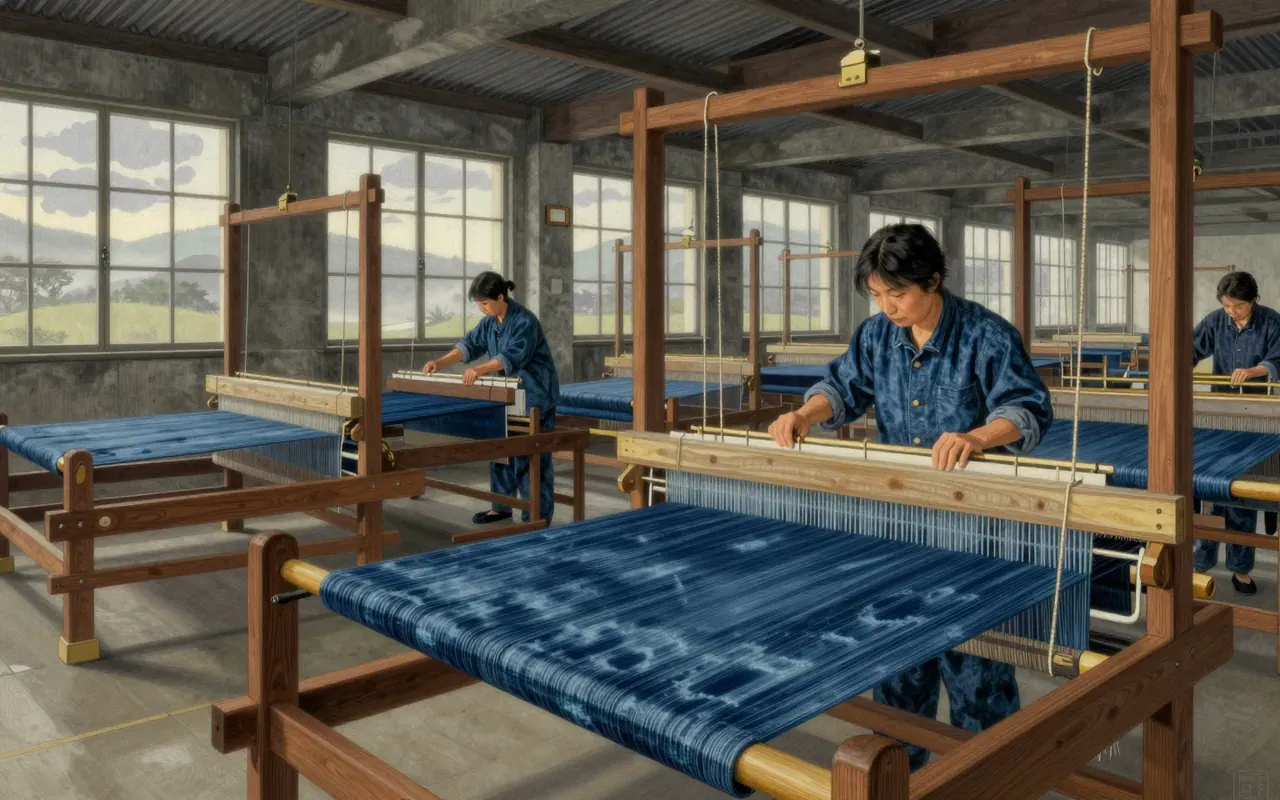
Kapital garments use sashiko, boro, patchwork, distressing and mending to build texture and history into each piece. They are cut and assembled by hand or with artisanal machinery, not mass-production lines.

What it gets right

It gets right the weight of intention in construction: every stitch, patch and fade is chosen—not applied as a finish, but built as structure.

What it does not

It does not offer streamlined silhouettes, unbroken surfaces or low-maintenance care. It avoids minimalism, neutrality and interchangeability.

What it changed

Kapital shifted denim’s value proposition from durability-as-function to durability-as-narrative: the garment must show its making, wearing and mending.

Who it is for, and who it is not

It is for people who treat clothing as accumulated evidence—not self-expression, not utility, not trend—but record. It is not for those who need garments to disappear into routine.

Is it worth your time

Yes—if you want denim and workwear that foregrounds process over polish, and values visible repair over uniformity.

Same rail · Denim4 of 9
Up next in Fashion

Kate Moss

· 10:40

Kate Moss didn’t design clothes—she licensed a silhouette, a stitch, and a letter.

10:40