fashionbriefs
10:51in productionCh. 1 · Origin/ 10:51 · ceiling 15 min
Outerwear · Workwear

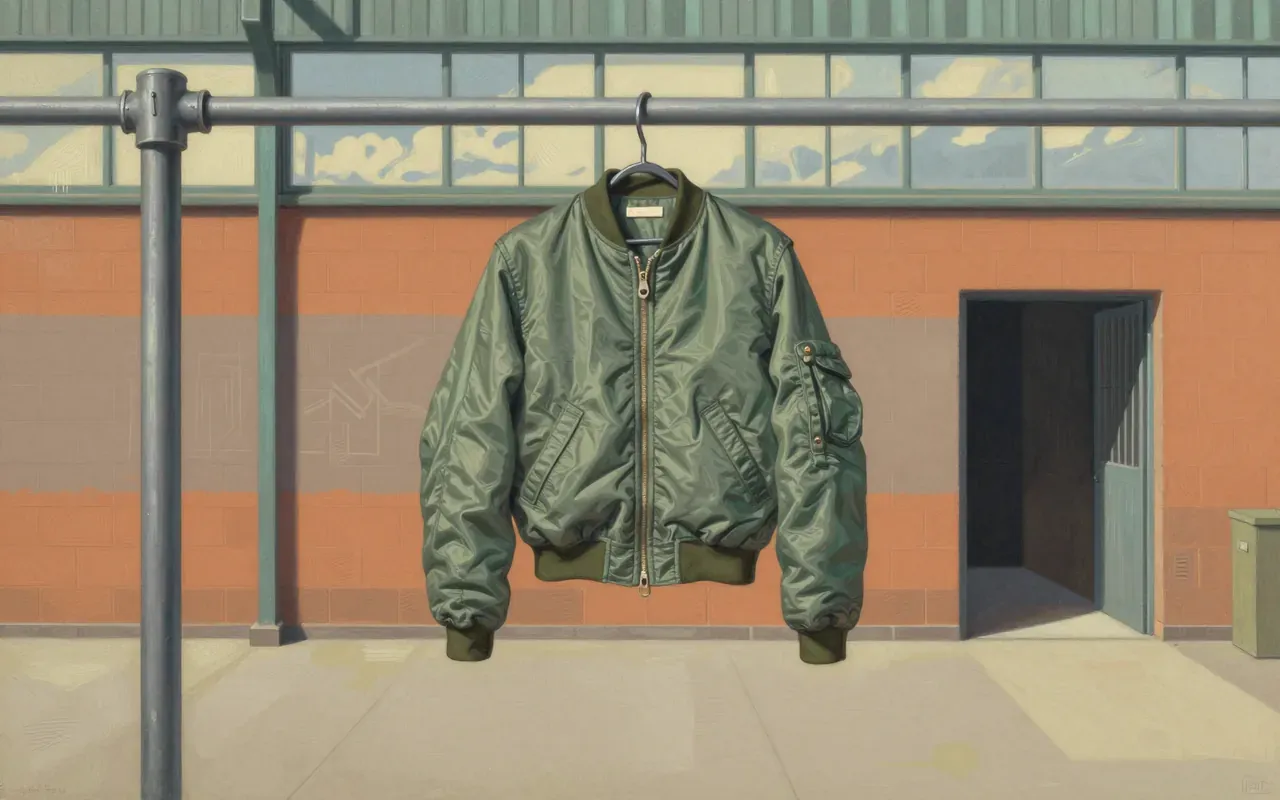
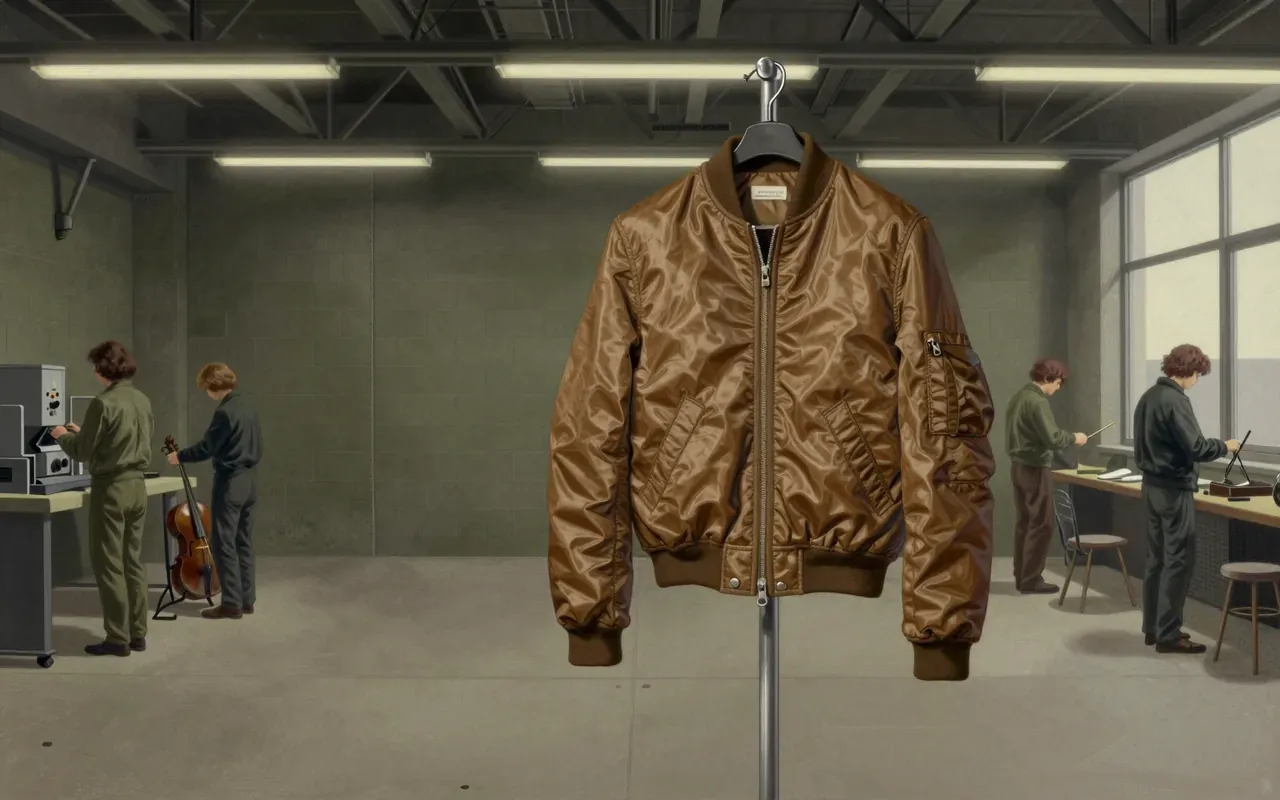
MA-1 bomber jacket

1950

A jet-age utility garment that traded leather for nylon—and never apologised for it.

The MA-1 is a functional, military-grade outer layer built for jet-age pilots. Its nylon shell and polyester interlining deliver lightweight, year-round protection—but not extreme cold or high exertion. It prioritises rescue visibility, wind resistance, and glove-friendly operation over elegance or versatility. Its design has remained functionally unchanged since the 1950s.

Chapters & takeaways4
  1. 1:22
    Origin

    Born from jet aircraft, not fashion weeks.

  2. 3:00
    Construction

    Nylon shell. Polyester interlining. Intermediate weight.

  3. 5:55
    First Wearers

    First worn by Air Force and Navy pilots—not models.

  4. 7:02
    Manufacture

    Alpha Industries took over in 1963—without altering its core function.

Worth your time?

Yes. Wear the whole thing.

4/ 5
What works
  • zips fully to the throat
  • ribbed cuffs and waistband seal against wind
  • nylon shell sheds light rain
  • polyester interlining traps body heat without bulk
What does not
  • insulate below 5°C
  • wicks heavy sweat
  • accommodates thick layers
  • blends into formal dress
Wear it if
  • people who value proven, no-frills function in an outer layer
Skip it if
  • those who prioritise sartorial refinement
  • those needing climate-specific insulation
  • those seeking quiet aesthetics
The written brief1 min read

What the garment is and where it came from

An American military flight jacket developed in the 1950s by the U.S. Air Force. It evolved from the B-15 jacket. It was made from high-quality nylon and polyester interlinings.

How it works, in terms someone would actually use

It zips fully to the throat. The ribbed cuffs and waistband seal against wind. The nylon shell sheds light rain. The polyester interlining traps body heat without bulk. It is reversible: sage green outside, safety orange inside for rescue visibility.

What it gets right

The cut is close but unrestrictive across the chest and arms. The collar stands upright without stiffness. The pockets sit at natural hand height. The zip pull is large and glove-friendly. The orange lining is genuinely visible when reversed.

What it does not

It does not insulate below 5°C. It does not wick heavy sweat. It does not accommodate layered winter clothing underneath. It does not conceal bulk at the shoulders or hips.

What it changed

It replaced cotton and leather flight jackets with synthetic textiles engineered for jet-age speed and cabin pressure shifts. It established nylon as a legitimate military outerwear fabric.

Who it is for, and who it is not

It is for people who value proven, no-frills function in an outer layer. It is not for those who prioritise sartorial refinement, climate-specific insulation, or quiet aesthetics.

Is it worth your time

Yes—if you need a functional, durable, weather-resisting outer layer that prioritises pilot-grade utility over tailoring or seasonal trend. No—if you require warmth in freezing conditions, breathability during exertion, or formal integration.

Same rail · Outerwear4 of 33
8:57
A-2 jacketThe A-2 jacket is a functional military garment defined by its adoption date, material, and deliberate departures from the A-1. Its authority comes from specification, not sentiment. It endures because it was built to be issued—not admired.
9:36
Boglioli1974Boglioli redefined Italian tailoring by removing its bones — not as rebellion, but as recalibration. Its garment-dyed cashmere jacket is a functional object first: soft, adaptable, quietly resistant to formality. It expanded internationally because it offered something rare — luxury without hierarchy, structure without stiffness. The 2010s shift to global branding diluted its regional specificity but widened its utility. Womenswear in 2022 confirmed its logic was transferable, not gendered. It remains tailoring — just unmoored from expectation.
9:10
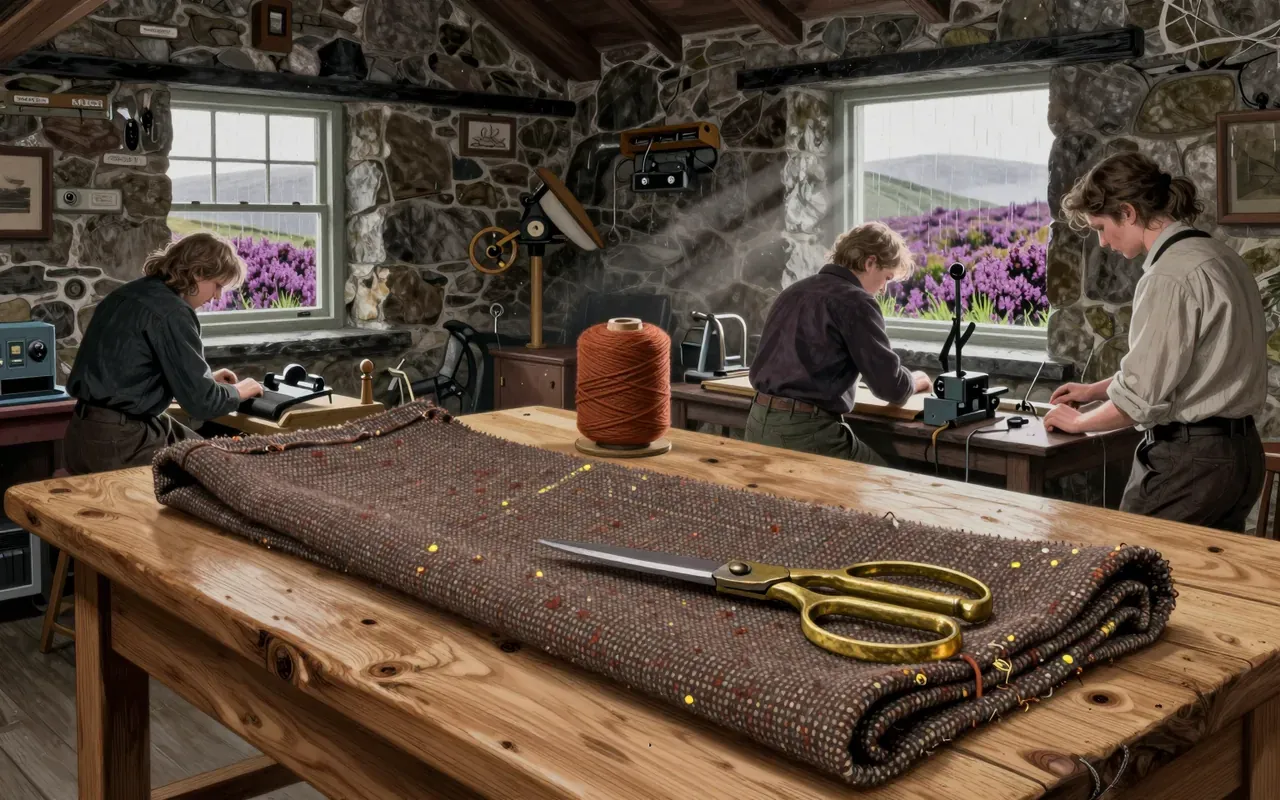
Donegal tweedDonegal tweed is a plain-weave wool fabric from County Donegal, Ireland. It was historically handwoven for caps, suits and vests using local materials. Its modern form dates to the 1880s. Machine weaving arrived in the 1950s–60s. It is best known for a plain-weave cloth with differently-coloured warp and weft and small, irregularly placed coloured yarns yielding a heathered effect. Magee, founded in 1866, became the largest and most famous producer. Such fabric is often labelled 'donegal' regardless of where it is made.
9:24
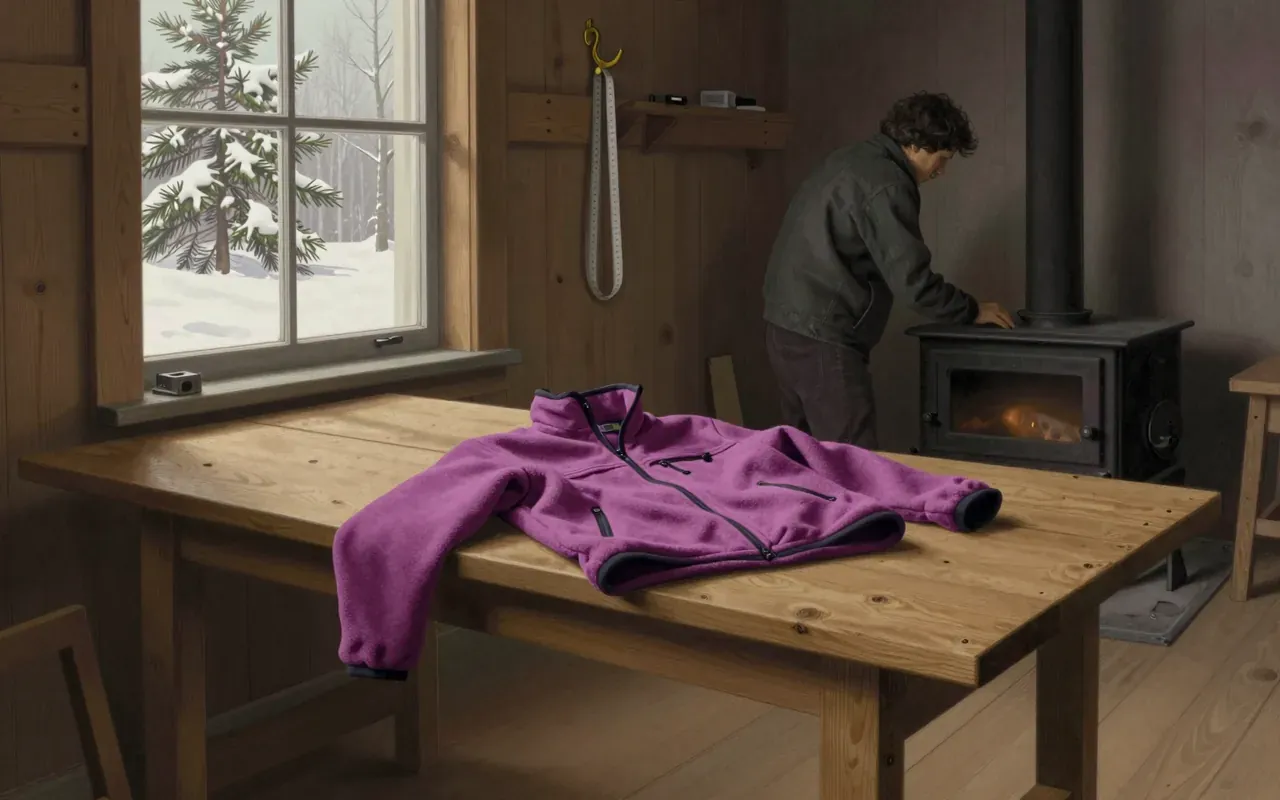
Polar fleecePolar fleece is a soft, napped, insulating polyester fabric developed by Malden Mills in Massachusetts in 1979. It was co-developed with Patagonia as Synchilla to mimic and surpass wool. Malden Mills CEO Aaron Feuerstein declined to patent it, enabling broad adoption. It is trademarked as PolarFleece since October 6, 1981. Its warmth depends on loft and trapped air pockets. Weight variants are defined in grams per square meter (gsm): micro, 100, 200, and 300. It is hydrophobic but loses insulation when wet. It generates static and sheds microfibres during washing and drying.
Up next in Fashion

Maharishi (brand)

· 10:36

Camouflage is a discipline—not a print—and Maharishi treats it like one.

10:36