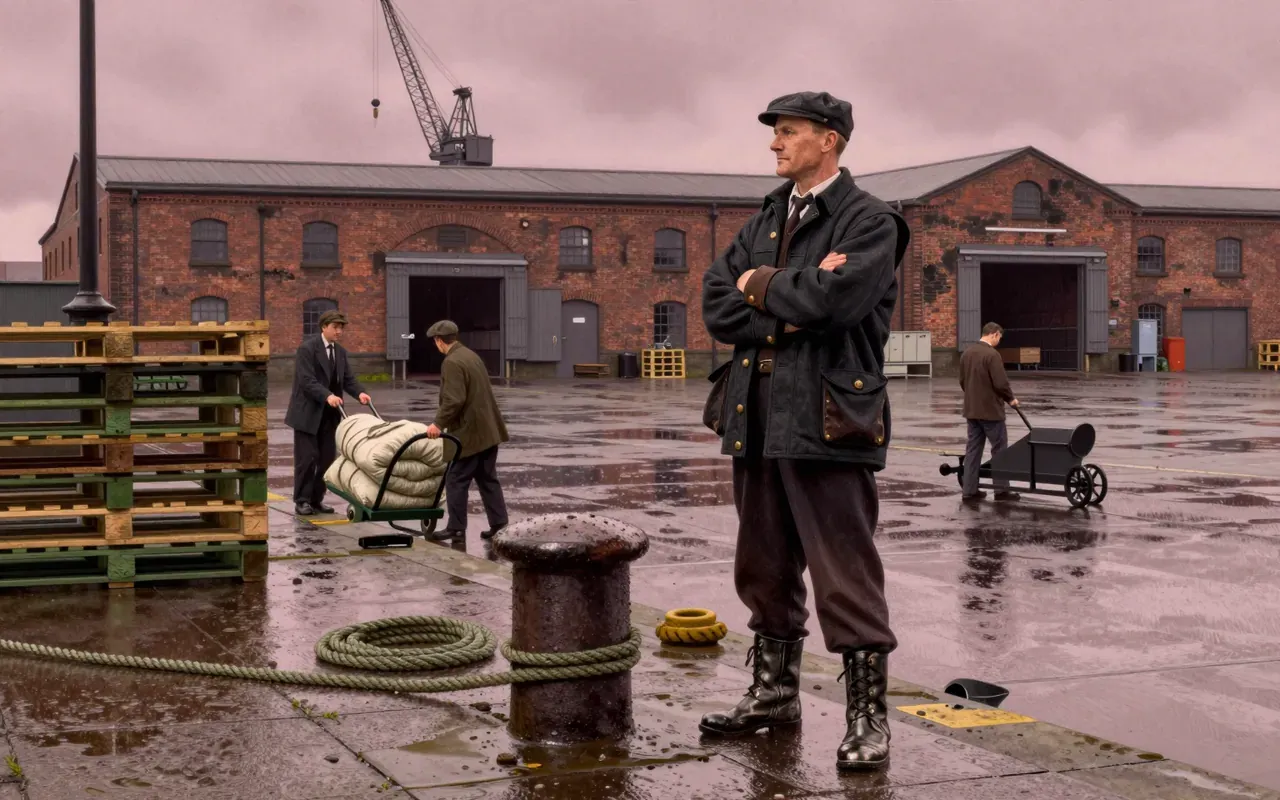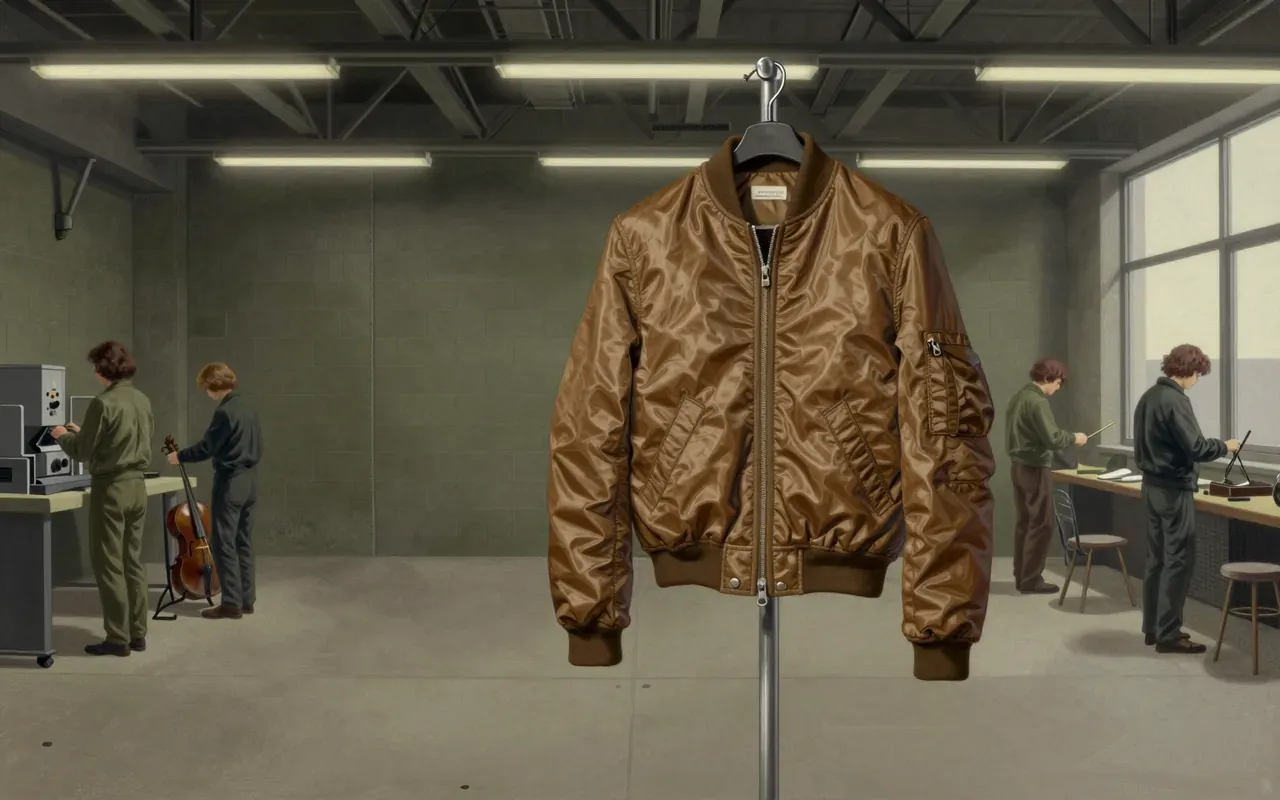
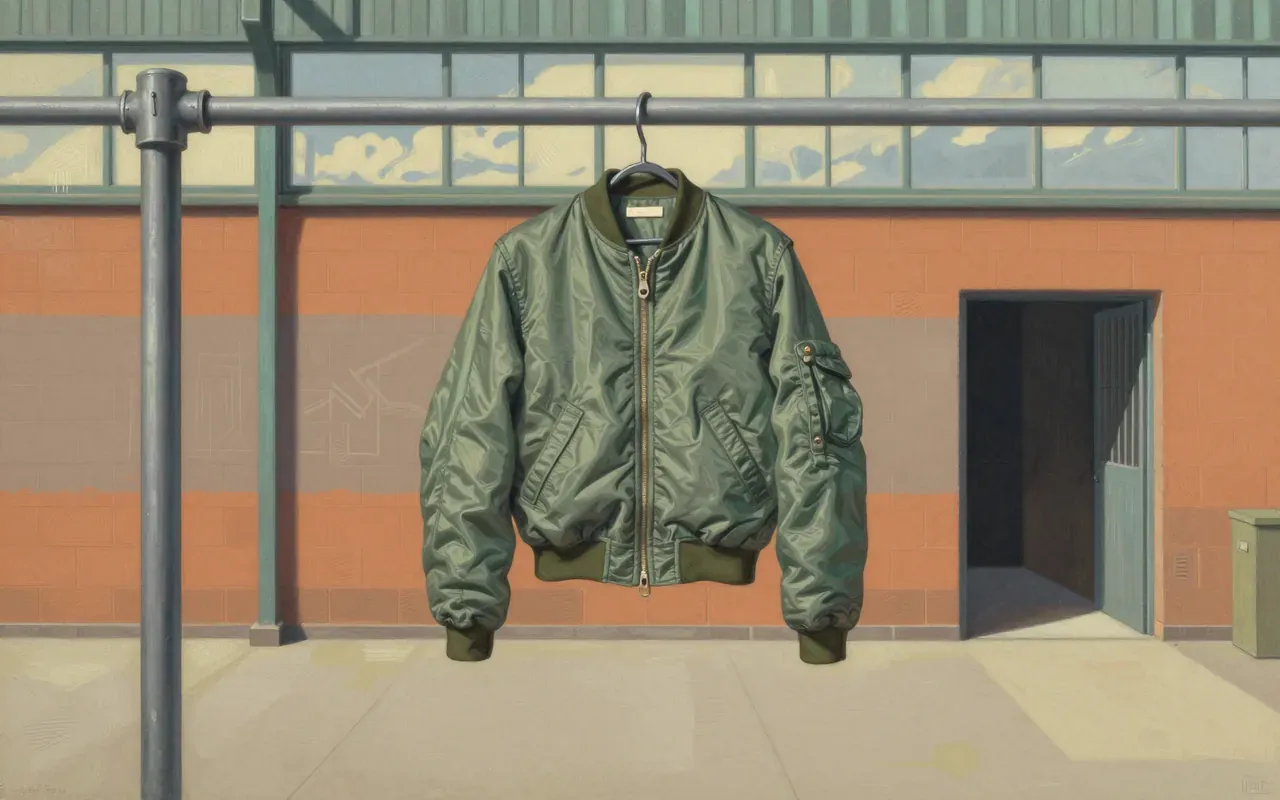
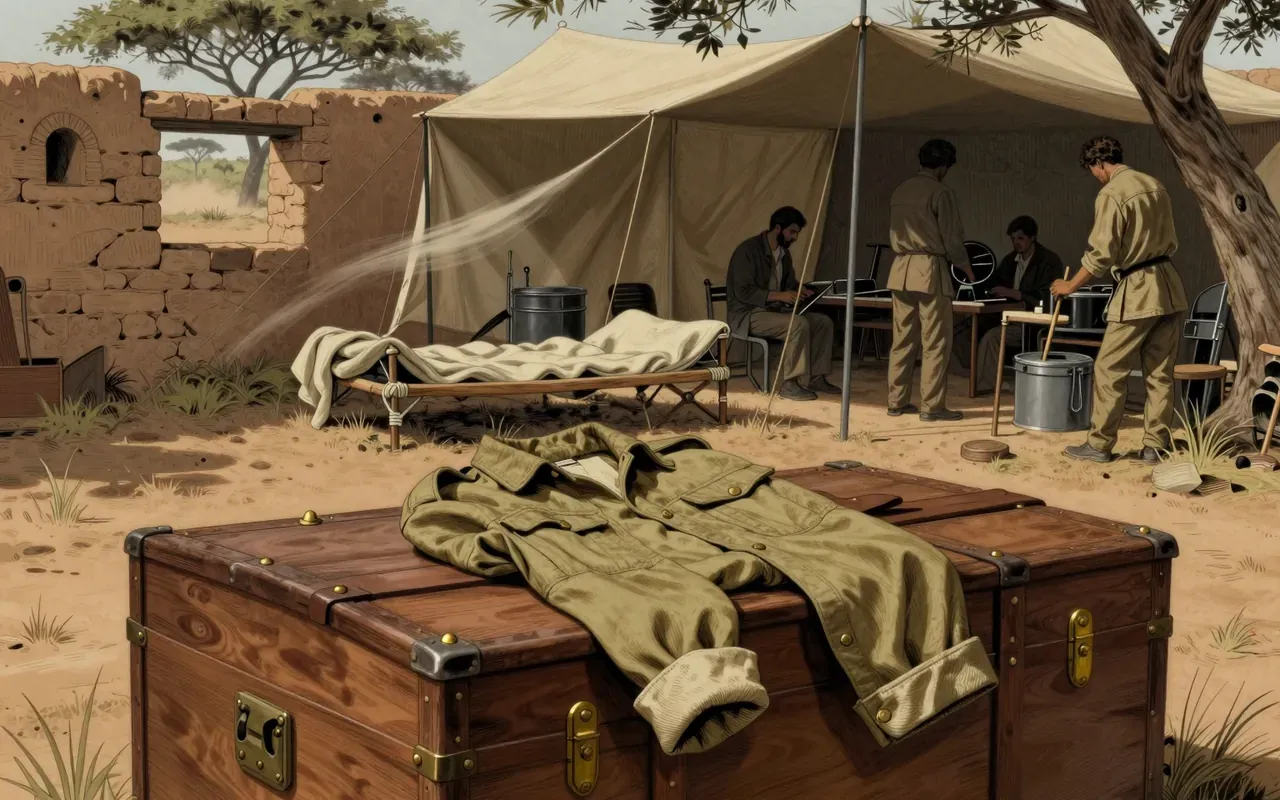
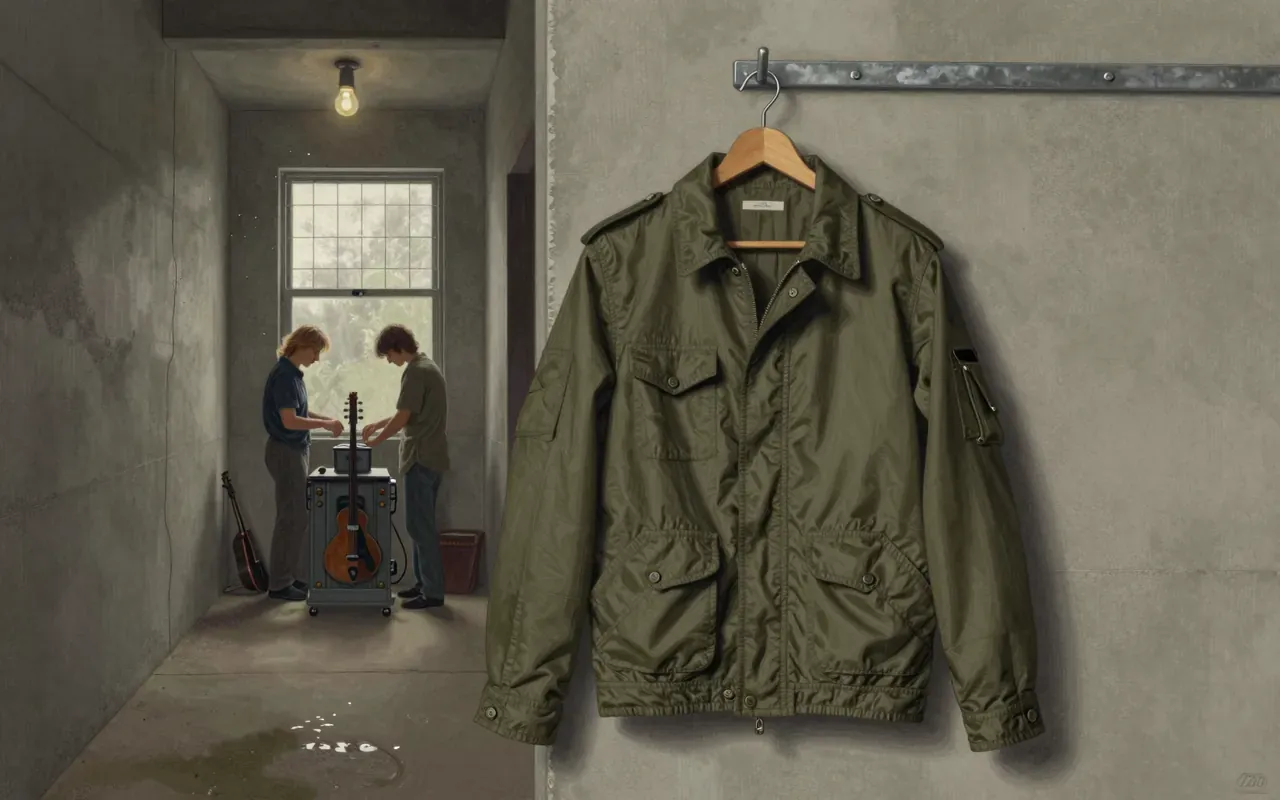
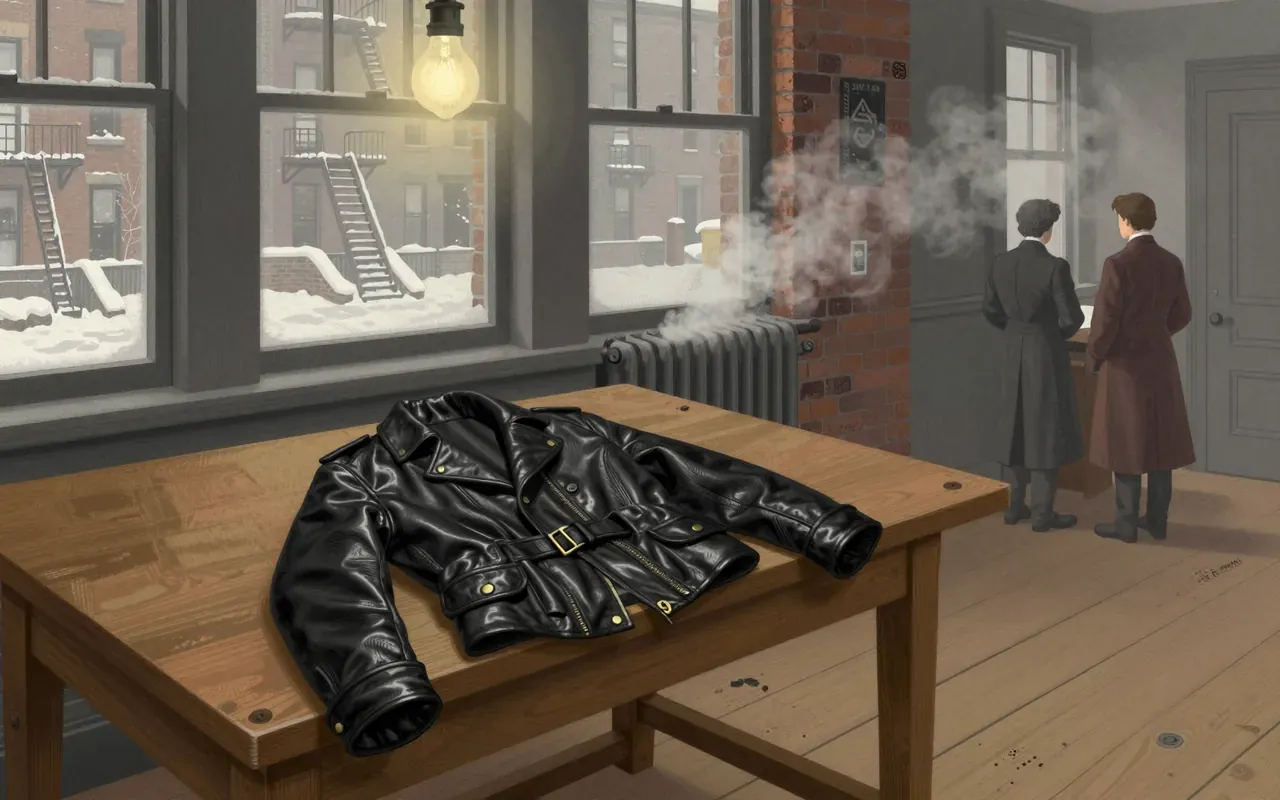
A-2 jacket
It didn’t replace the A-1—it outlived bureaucracy, supply chains, and its own cancellation.
Dressing to be legible as a role.





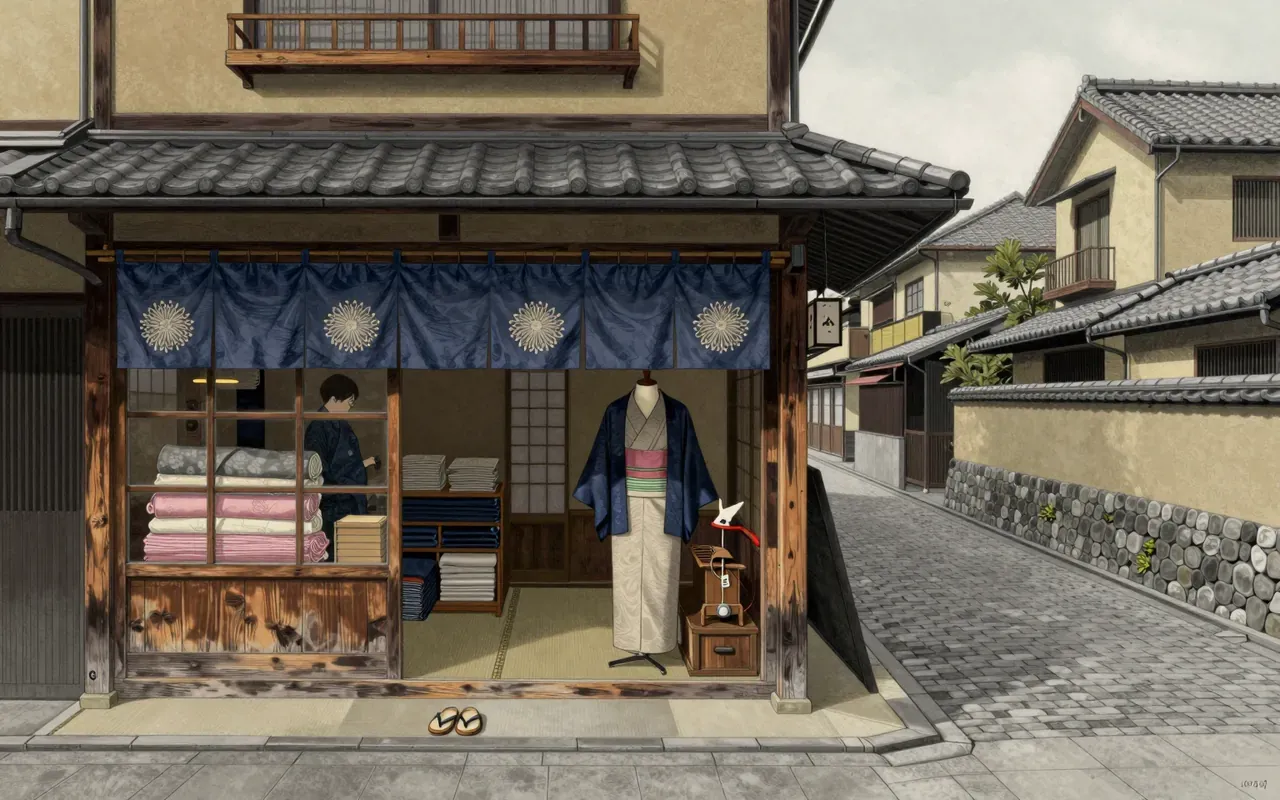
Hanae Mori’s fashion house operated from 1951 to its closure (date unspecified), grew to $500 million by the 1990s, and achieved rare institutional recognition: official haute couture accreditation in Paris, runway presence in New York and Paris, and commissions for national representation including JAL, the Olympics, and the Japanese Crown. Her work was functional, ceremonial, and geopolitically legible — not merely aesthetic.




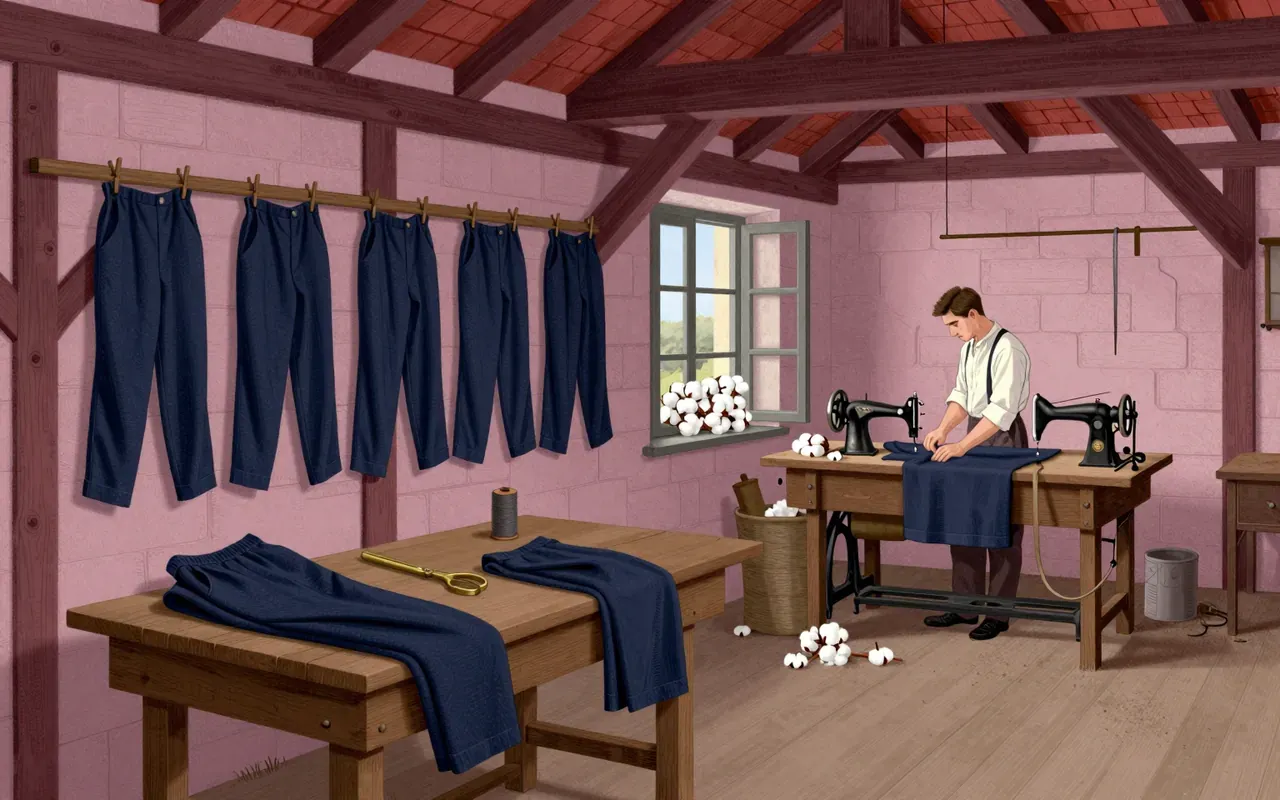
Hugo Boss in 1924 was a regional workwear factory — not a fashion institution, not a design innovator, not a global brand. Its significance lies entirely in what came after: Nazi Party membership in 1931, wartime exploitation of 140 forced labourers, and a delayed reckoning that arrived only in 2001. The 1924 origin is factual scaffolding — not cultural substance.
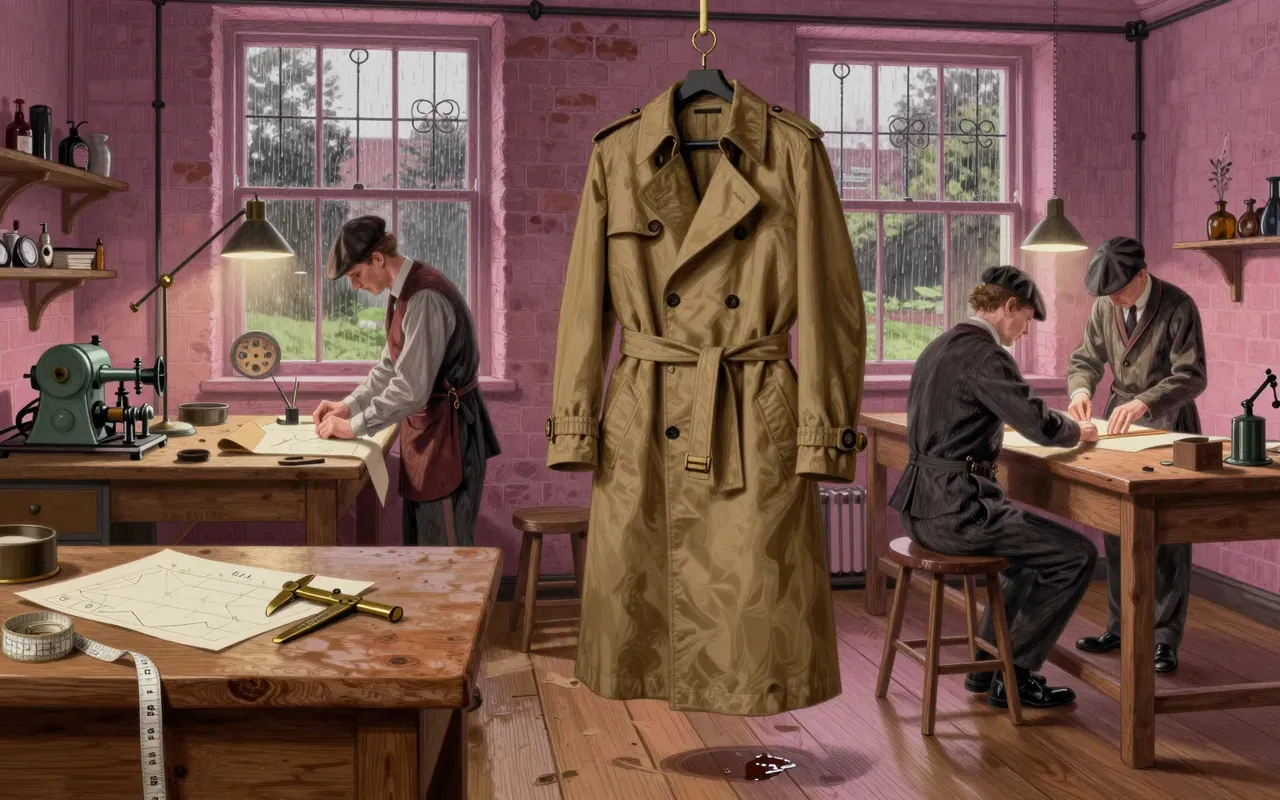
The trench coat is a functional garment that solved a narrow military problem. Its civilian life is a story of displacement—not evolution.