Marimekko didn’t liberate fashion—it industrialised pattern-making, then sold the result as freedom.
Marimekko is a Finnish textile and apparel company founded in Helsinki in 1951 by Viljo and Armi Ratia. It commissions artists to design bold graphic prints, then uses those prints in simple garments and home furnishings. Its early recognition at the 1957 Milan Triennale affirmed fashion as industrial art. Key outputs include the 1956 Jokapoika shirt and the 1964 Unikko pattern. It made important contributions to 1960s fashion through brightly coloured, simply styled products.
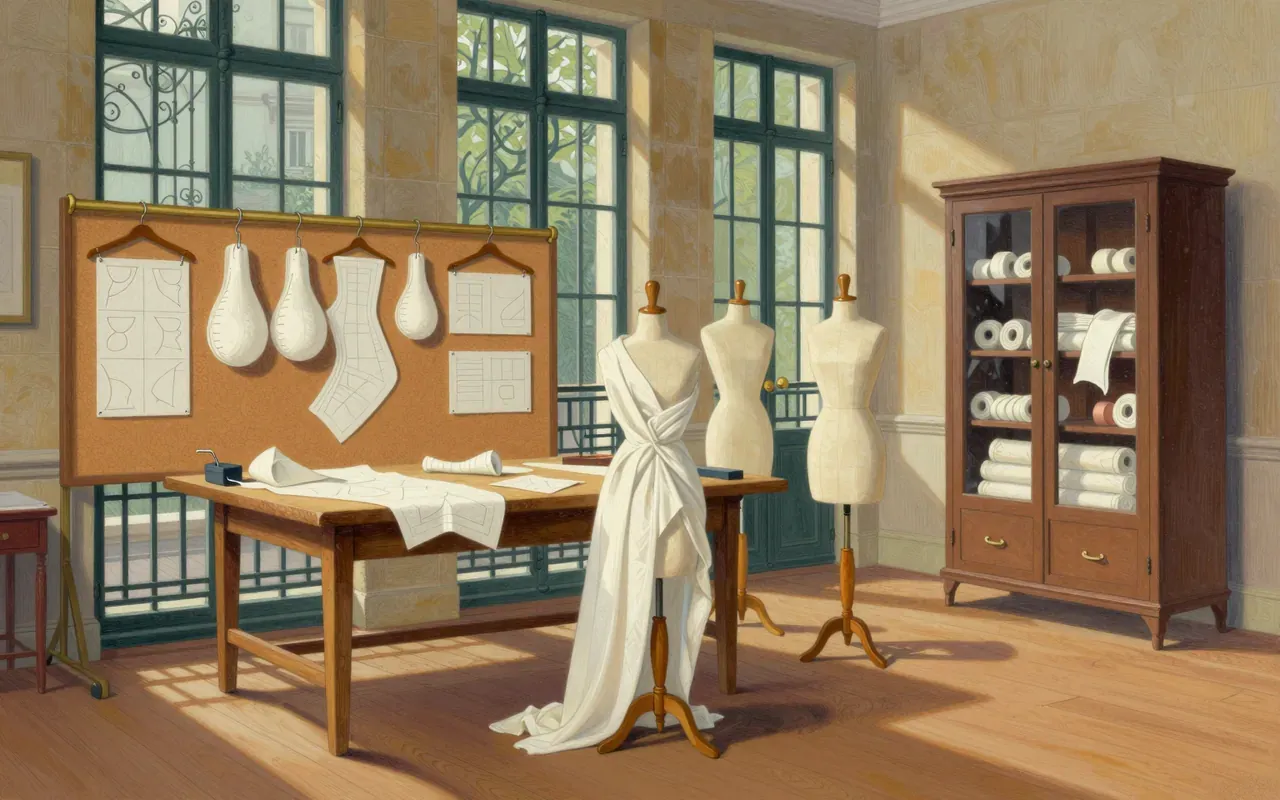
Marimekko began in Helsinki in 1951—not as a fashion house, but as a textile producer.
2:32
Fabric first, garment second
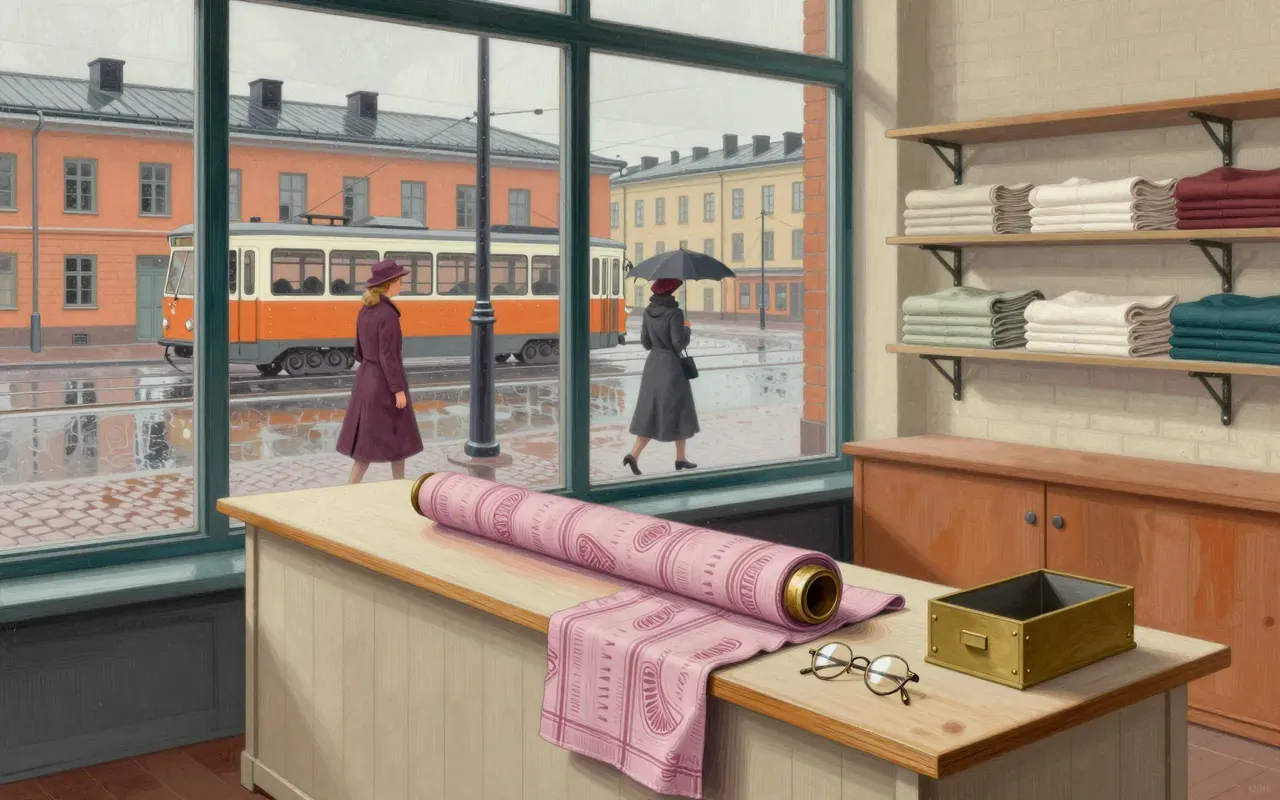
Armi Ratia asked artists to design prints, then built garments around them—reversing fashion’s usual hierarchy.
3:35
Recognised as industrial art
The 1957 Milan Triennale invitation confirmed fashion as industrial art—and Marimekko as its Finnish anchor.
5:36
Patterns as infrastructure
Jokapoika (1956) and Unikko (1964) were not just patterns—they were system outputs: reproducible, scalable, signature.
Worth your time?
Yes. Wear the whole thing.
3.5/ 5
What works
as a model of integrated production
as evidence of how artist–industry collaboration functioned in mid-century Finland
What does not
liberate
revolutionise
define
influence
Wear it if
design historians
textile practitioners
students of postwar industrial culture
Skip it if
general fashion consumers
those seeking stylistic inspiration alone
The written brief1 min read
What the thing is
Marimekko is a Finnish textile and apparel company. It produces printed fabrics and ready-to-wear garments using those same fabrics.
Where it came from
It was founded in Helsinki in 1951 by Viljo and Armi Ratia. Armi Ratia initiated its creative method: asking artist friends to apply graphic designs to textiles.
What it gets right
Marimekko treated fabric as the foundation of design. It commissioned artists to make bold graphic prints. It used those prints in simple garments and home goods. This unified approach gave coherence to everyday objects.
What it gets wrong
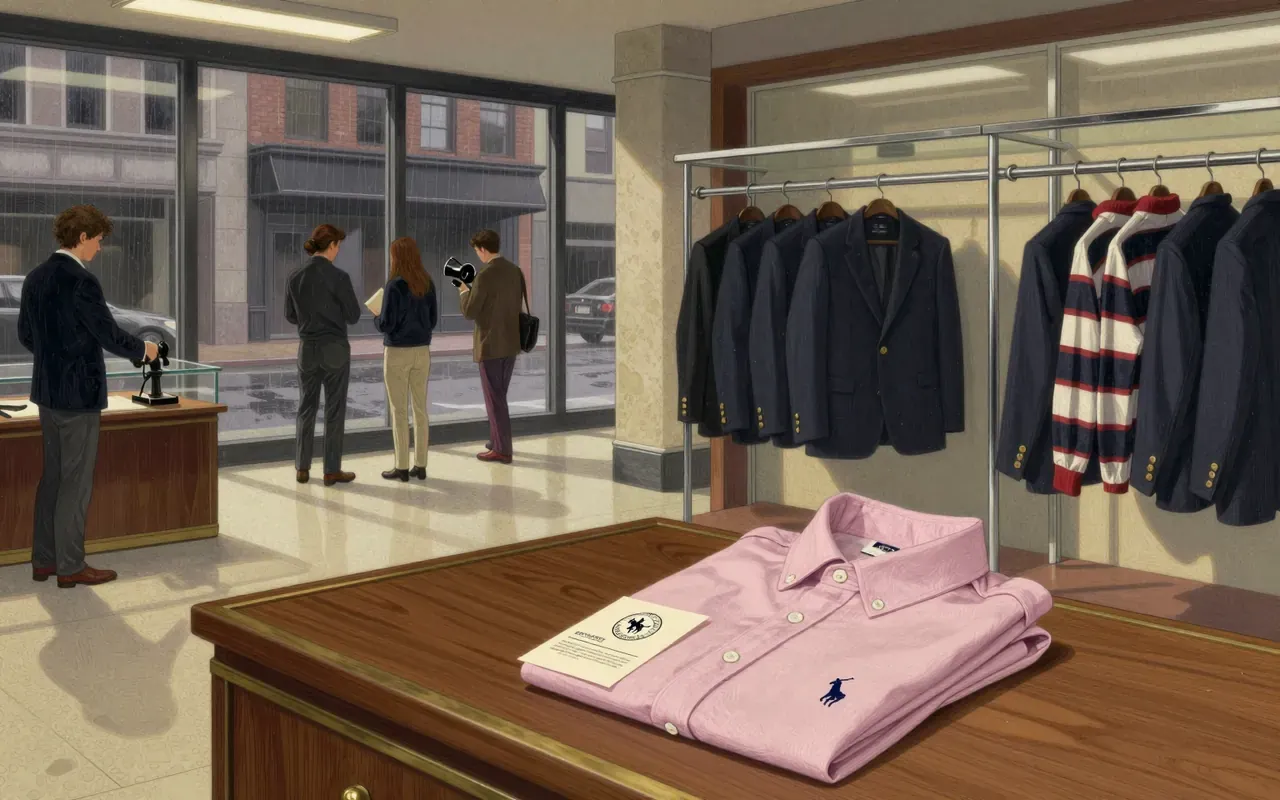
It displaced craft-based tailoring with industrial simplicity. The ‘simple dress’ was not democratic by default—it was a commercial format that assumed access to factory-made fabric and standard sizing.
Why it matters now
Its model—artist-commissioned prints scaled across apparel and interiors—prefigures today’s cross-category brand logic. But it also reveals how ‘simplicity’ can mask industrial constraints, not just aesthetic clarity.
Is it worth your time
Yes—if you want to understand how industrial design, textile production and women’s fashion converged in postwar Finland. It is not a universal reference point, but a precise case study in applied modernism.